







The article is about how people across cultures have used plants for artistic, symbolic, and ceremonial purposes, and how ethnobotany helps us understand the deep relationship between plants, art, and human identity.
“When you look closely at art, you often find a leaf, a fiber, a dye, or a seed quietly holding the story of a people.” – The Economic Botanist
Plants do much more than feed or heal us. In fact, long before synthetic paints, plastics, or factory-made textiles, you relied on plants for color, texture, scent, and symbolism. Communities shaped plant fibers into clothing, crushed roots into natural dyes, burned resins in sacred rituals, and carved wood into sculpture. Because of this long relationship, ethnobotany gives you a powerful way to understand plants in art and culture.
When you explore the artistic uses of plants, you step into a space where science meets story. You see how traditional plant knowledge travels across generations. At the same time, you begin to understand how cultural uses of plants connect to identity, spirituality, and survival. So let’s walk through how plants have shaped human creativity—and why that still matters today.
- What is Ethnobotany? Understanding Cultural Uses of Plants
- Why Plants Play a Central Role in Art and Culture
- 1. Natural Dyes from Plants and the History of Plant-Based Pigments
- 2. Plant Fibers in Textiles and Traditional Plant Crafts
- 3. Bark Cloth Traditions and Ceremonial Plants
- 4. Basket Weaving Plants and Indigenous Art
- 5. Plant-Based Inks and Botanical Art Traditions
- 6. Floral Symbolism in Art and Plant Symbolism Meanings
- 7. Plants in Religious Ceremonies and Sacred Rituals
- 8. Plants in Body Art and Ritual Adornment
- 9. Plants in Mythology and Folklore
- 10. Plant Materials in Sculpture and Eco Art
- Indigenous Knowledge and Cultural Plant Traditions
- Sustainability and the Revival of Plant-Based Art Materials
- The Bottom Line
What is Ethnobotany? Understanding Cultural Uses of Plants
Ethnobotany is the study of how people use plants in their daily lives. In simple terms, it explores the relationship between humans and plants across cultures and history. Although many people first think of medicinal plants, ethnobotany also includes artistic uses of plants, ceremonial plants, food traditions, and spiritual practices.
Researchers document ethnobotany examples by working directly with communities and studying artifacts, textiles, and oral histories. Institutions such as the Royal Botanic Gardens, Kew and the Smithsonian Institution help preserve traditional plant knowledge through research and collections.
Because of this work, you can see how plant fibers in textiles, plant-based pigments, and sacred plants in rituals shaped entire civilizations. Therefore, when you study ethnobotany, you do not just study plants. You study culture itself.
Why Plants Play a Central Role in Art and Culture
Plants appear everywhere in human expression. For example, artists use floral symbolism in art to represent love, grief, fertility, and rebirth. Meanwhile, communities use ritual plants around the world to mark births, weddings, and funerals.
Plants also offer practical benefits. Before factories, people created sustainable art materials from what grew nearby. They wove baskets from grasses, dyed fabrics with roots and leaves, and carved tools and sculptures from wood. As a result, cultural plant traditions developed around local ecosystems.
When you look at traditional plant crafts, you see ecology turned into identity. Because plants grow in cycles, they naturally symbolize life and renewal. That symbolism continues to influence art today. So, without further ado, here are some fascinating uses of plants in culture and art:
1. Natural Dyes from Plants and the History of Plant-Based Pigments
Color carries meaning. Historically, communities relied on natural dyes from plants to create textiles and artwork. Indigo plants produced deep blues, madder roots created reds, and turmeric gave bright yellows. Artisans developed careful methods to extract and fix these colors.
Fun Fact
Some ancient natural dyes remain vibrant on textiles that are over 2,000 years old.
The history of plant dyes reveals impressive chemical knowledge. People learned how to ferment leaves, boil bark, and use minerals to bind pigments to cloth. Consequently, plant-based pigments became central to textile traditions and ceremonial garments.
Today, many artists return to natural dyes from plants because synthetic dyes can pollute waterways. Therefore, sustainable art materials rooted in ethnobotany now attract global interest.
2. Plant Fibers in Textiles and Traditional Plant Crafts
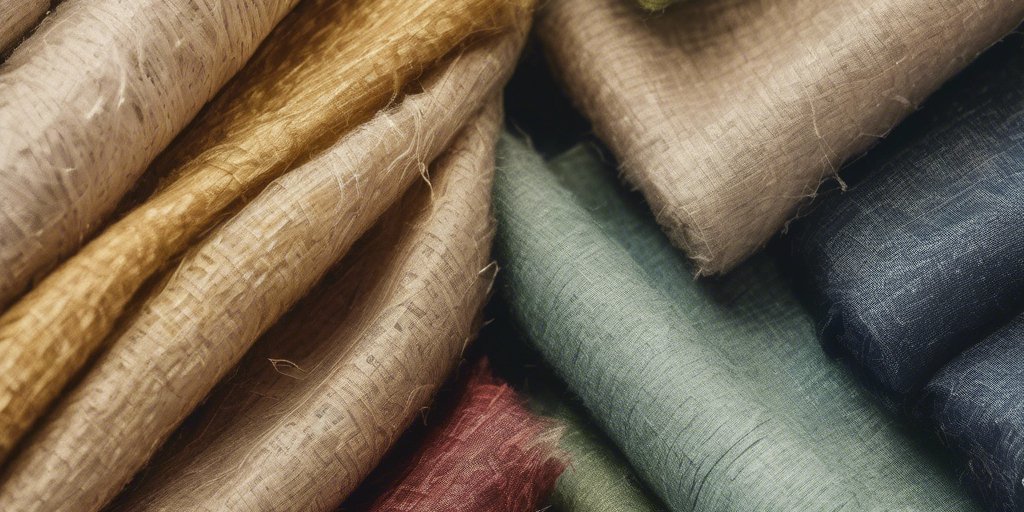
Clothing reflects culture. For centuries, people relied on plant fibers in textiles such as cotton, flax, hemp, and nettle. They spun fibers into thread and wove them into garments that expressed status and identity.
Traditional plant crafts required deep ecological knowledge. You needed to know when to harvest fibers and how to process them for strength and flexibility. Because this knowledge passed down through families, it strengthened cultural continuity.
Plant fibers in textiles show how artistic uses of plants blend beauty and practicality. Even today, designers who value sustainability often look back to these traditional methods.
3. Bark Cloth Traditions and Ceremonial Plants
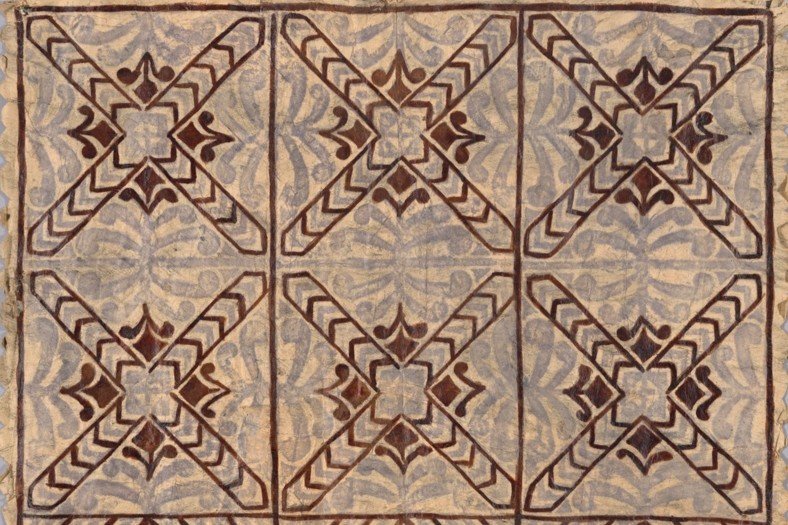
In parts of Polynesia, communities create bark cloth by pounding the inner bark of certain trees. They decorate the cloth using plant-based pigments and symbolic patterns. These textiles often serve ceremonial roles.
Bark cloth traditions demonstrate how ceremonial plants connect social life and spirituality. Because the material comes directly from trees, harvesting often follows cultural rules that ensure sustainability.
As a result, bark cloth represents both art and environmental knowledge. Today, artists interested in eco art materials draw inspiration from these long-standing practices.
4. Basket Weaving Plants and Indigenous Art
Basket weaving plants such as willow, reeds, and grasses shape artistic traditions worldwide. When you examine a woven basket, you see geometry, design, and environmental awareness combined.
Plants in indigenous art often serve daily and ceremonial purposes. Baskets carry food, store goods, and hold ritual offerings. Therefore, basket weaving plants connect survival with symbolism.
Because weaving depends on local ecosystems, habitat loss can threaten these traditions. Protecting biodiversity, therefore, also protects cultural plant traditions.
5. Plant-Based Inks and Botanical Art Traditions
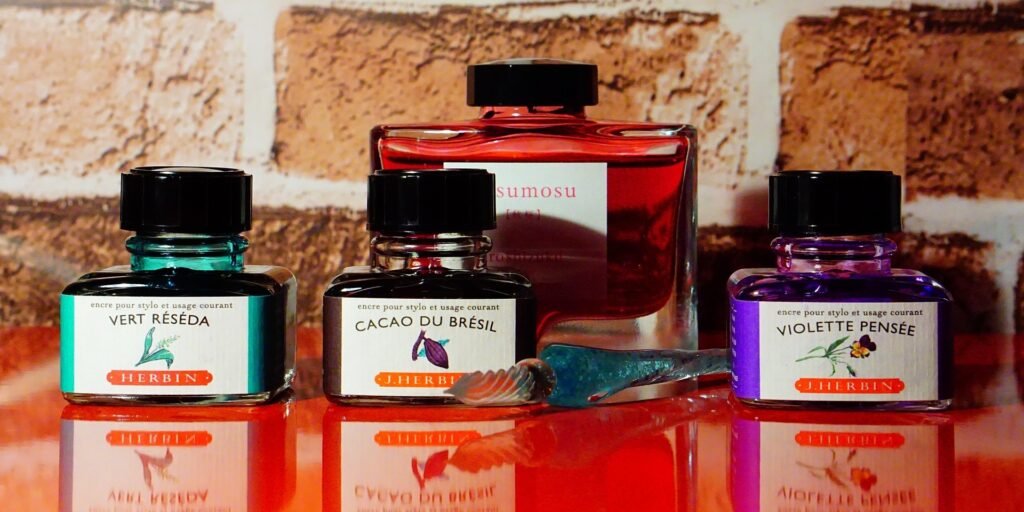
Before modern printing, scribes made plant-based inks from oak galls, soot mixed with plant resins, and other botanical sources. These inks filled manuscripts, sacred texts, and early books.
Botanical art traditions also relied on plant-based pigments to document species. Artists painted detailed illustrations that supported scientific study. Consequently, art and science often worked together.
When you study these manuscripts, you see ethnobotany on every page. Plants shaped both the medium and the message.
6. Floral Symbolism in Art and Plant Symbolism Meanings
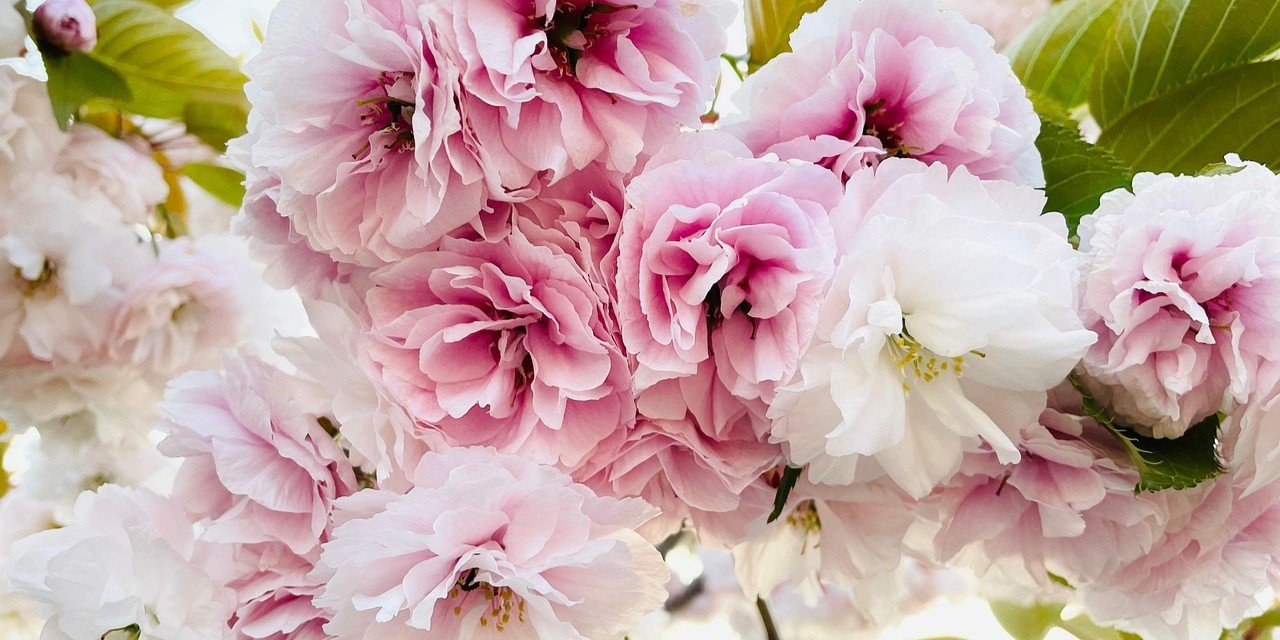
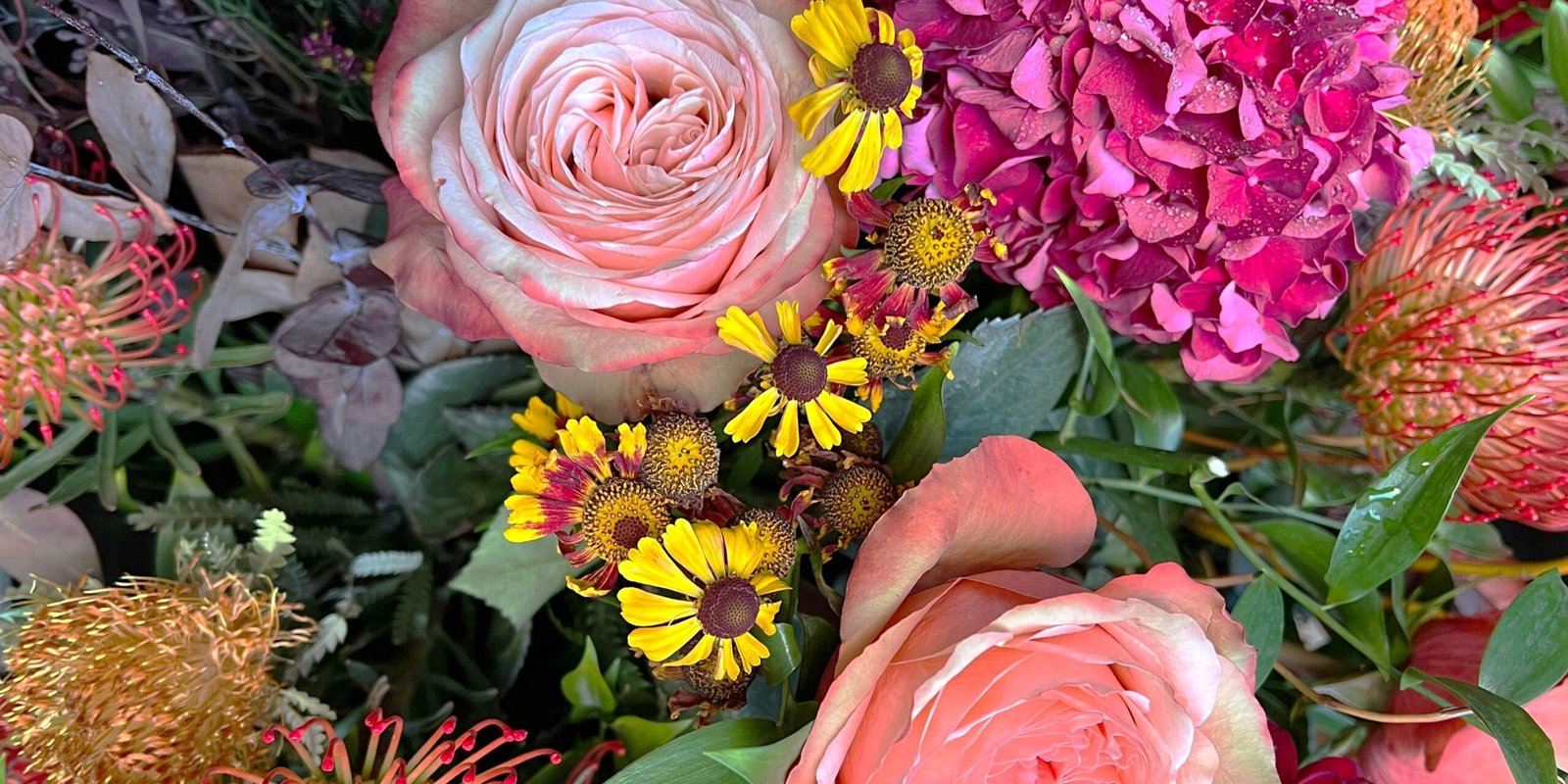
Floral symbolism in art appears across cultures. The lotus often represents rebirth in parts of Asia, while the rose frequently symbolizes love in Western traditions. The olive branch commonly suggests peace.
Plant symbolism in different cultures reflects local beliefs and histories. Because plants grow, bloom, and fade, they offer powerful metaphors for human life.
When you explore plant symbolism meanings, you begin to see how deeply plants influence visual storytelling.
7. Plants in Religious Ceremonies and Sacred Rituals
Plants in religious ceremonies act as bridges between the physical and spiritual worlds. Communities burn incense made from resins, use sacred woods in temples, and carry branches during festivals.
Sacred plants in rituals may symbolize ancestors, protection, or divine presence. In many traditions, ritual plants around the world mark transitions in life.
Because these plants carry meaning, communities often harvest them carefully. Sustainability therefore becomes both an ecological and spiritual concern.
8. Plants in Body Art and Ritual Adornment
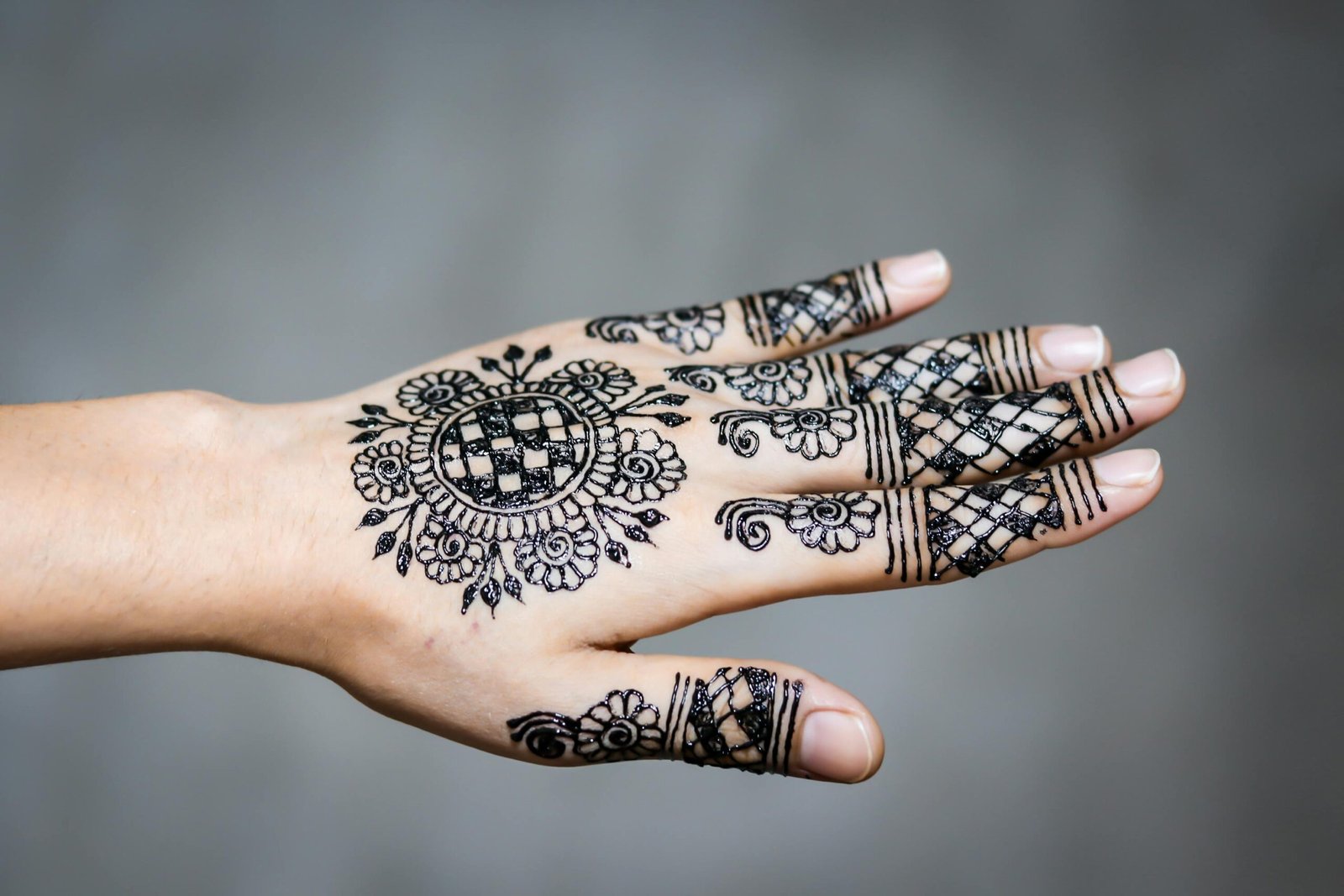
Plants in body art include henna dyes, plant-based paints, and floral crowns. People use these materials during weddings, seasonal festivals, and rites of passage.
Body art signals identity and belonging. Because plant-based materials are biodegradable and locally sourced, they represent early forms of eco art materials.
Fun Fact
In some cultures, specific plant-based body paints appear only during certain seasons, directly linking art to agricultural cycles.
Thus, plants in body art connect the human body to the landscape.
9. Plants in Mythology and Folklore
Plants in mythology often appear as sacred trees, magical herbs, or life-giving fruits. Stories of a Tree of Life connect heaven and earth in many traditions.
Because stories shape values, mythic plants often guide behavior. Sacred groves may receive protection because people believe spirits dwell there. As a result, mythology sometimes preserves biodiversity.
Ethnobotany examples found in folklore show how imagination and ecology intertwine.
10. Plant Materials in Sculpture and Eco Art
Artists have long carved wood into masks and statues. Today, many creators use plant materials in sculpture to highlight sustainability. Bamboo structures, woven installations, and land art projects showcase natural forms.
Eco art materials challenge the idea that art must be permanent. Because plant materials decay, they remind you of life cycles.
When artists choose sustainable art materials, they often reconnect with traditional plant knowledge while addressing modern environmental concerns.
Indigenous Knowledge and Cultural Plant Traditions
Traditional plant knowledge lives in stories, songs, and hands-on teaching. Elders pass down dye recipes, weaving techniques, and harvesting methods.
However, globalization and habitat loss threaten many of these practices. Therefore, preserving plants in indigenous art requires respect and collaboration.
Institutions such as the Smithsonian Institution partner with communities to protect cultural heritage. When you support these efforts, you support both biodiversity and human creativity.
Sustainability and the Revival of Plant-Based Art Materials
Today, many artists question synthetic materials. Because plastic pollution and toxic chemicals harm ecosystems, creators look for alternatives rooted in ethnobotany.
Natural dyes from plants and plant fibers in textiles offer lower-impact solutions. Moreover, local sourcing reduces transportation emissions.
As climate change accelerates, ethnobotany provides valuable lessons. It shows how communities once created vibrant art using sustainable art materials from their surroundings.
The Bottom Line
Plants have never been silent background elements. They color your clothes, shape your stories, and mark your ceremonies. Through ethnobotany, you see how cultural uses of plants shape art and identity.
Moreover, when you study artistic uses of plants, you reconnect with sustainable knowledge. Traditional plant crafts, plant-based pigments, and ritual plants around the world offer solutions for modern challenges.
Ultimately, plants link ecology and creativity. When you protect biodiversity, you also protect culture.
If this inspired you, explore a local botanical garden, experiment with a small natural dye project, or learn about a traditional plant craft in your region. When you create with plants, you become part of a story that stretches back thousands of years.