






The article is about discovering seven uncommon flowers for Valentine’s Day that go beyond the usual roses and speak to thoughtfulness, intimacy, and storytelling.
“Flowers are whispers of love that don’t need words, yet they say everything you want to share.” – The Economic Botanist
Valentine’s Day is almost synonymous with roses, red ribbons, and heart-shaped everything. But let’s be honest: roses are predictable. Sometimes, the most memorable gestures come from choosing something unexpected, something that says you truly know the person you’re giving to. This isn’t about flashy declarations or traditional symbolism. It’s about intention. It’s about flowers that tell a story, that feel personal, and that invite curiosity.
When you pick an uncommon flower, you’re saying, “I saw you, I thought of you, and I wanted to bring you something unique.” These flowers are sensory—sometimes fragrant, sometimes textured, sometimes sculptural—and they are all accessible in North America during Valentine’s season. Pairing each bloom with a relationship stage and a little historical story makes giving flowers feel thoughtful and memorable.
Here’s a guide to seven uncommon flowers perfect for Valentine’s Day, what stage of romance they suit best, and a touch of historical storytelling to inspire your gift-giving.
- 1. Ranunculus – The Growing Devotion
- 2. Anemones – The Quietly Captivating
- 3. Scabiosa (Pincushion Flower) – The Playful Intrigue
- 4. Hellebores – The Subtle Spark
- 5. Sweet Peas – The Sentimental Charm
- 6. Lisianthus – The Elegant Assurance
- 7. Freesia – The Fragrant Promise
- Choosing the Right Flower for Your Relationship Stage
- Tips for Finding Uncommon Flowers in North America
- The Bottom Line
1. Ranunculus – The Growing Devotion
Relationship Stage: Early attachment, when things are starting to deepen
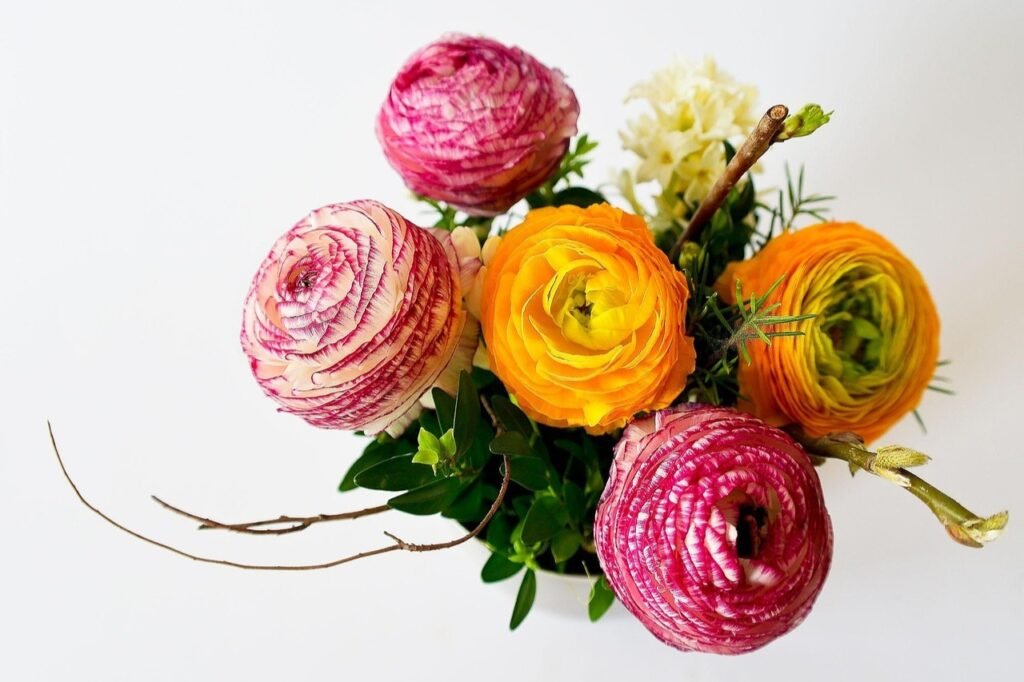
In Renaissance Italy, a court painter sent ranunculus to his beloved patron. Each layer of petals symbolized admiration unfolding over time. Giving ranunculus is a way of saying that your feelings are multi-layered and growing, without needing to say it outright.
Why You’ll Love It: Ranunculus is soft, velvety, and comes in a rainbow of colors from buttery yellow to vibrant pinks and reds. Its layered petals almost look like delicate paper spirals, inviting touch and curiosity.
Fun Fact
– Ranunculus petals are layered so densely that some varieties can have over 40 petals in a single bloom, giving them a luxurious, almost sculptural quality.
– Ranunculus means “little frog” in Latin, because some species grow near ponds where frogs hang out.
Accessibility: Widely available in North America, especially from California and greenhouse growers in winter. They make beautiful cut flowers that last for days when cared for properly.
Ranunculus is perfect for that stage when you’re starting to feel something deeper but aren’t ready for grand gestures. It’s thoughtful, delicate, and quietly impressive.
2. Anemones – The Quietly Captivating
Relationship Stage: First few dates or new attraction
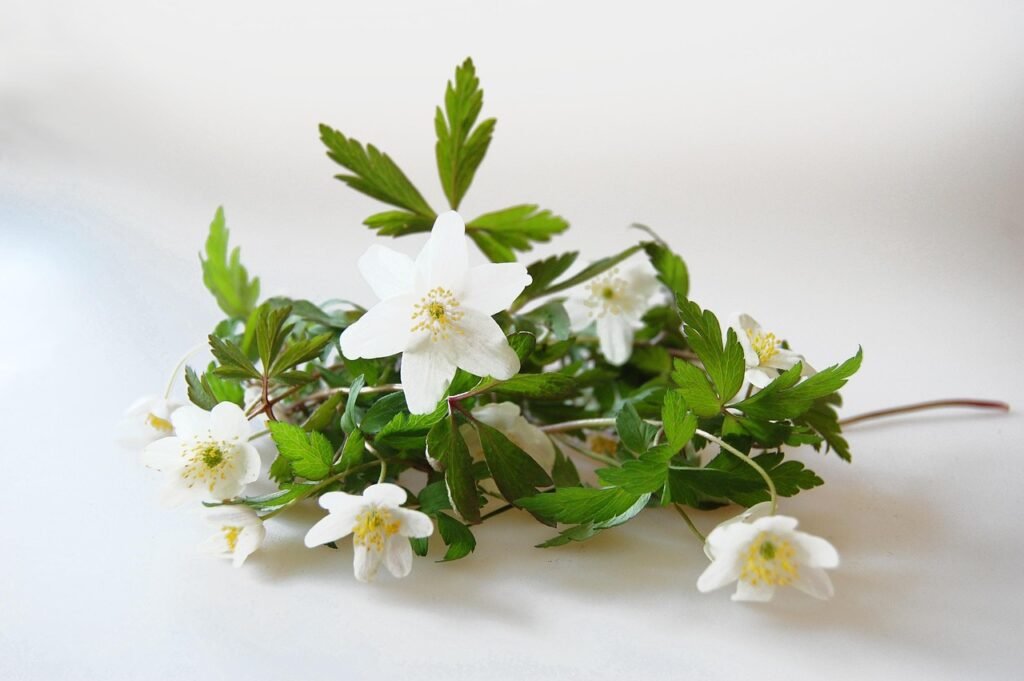
In Victorian England, poets and artists gifted anemones to their muses. They admired the flowers for their dark centers, which symbolized hidden depth and quiet beauty. Giving anemones says, “I notice the little things about you,” without needing to shout it from the rooftops.
Why You’ll Love It: Anemones have smooth, soft petals and striking black centers that create visual contrast. They seem to move in the light breeze, almost like they’re alive, which makes them captivating in bouquets.
Accessibility: Available from North American florists during the winter months, often in whites, reds, and soft pinks. They’re perfect for Valentine’s because they feel rare and intimate.
Anemones work well when the connection is new, and you want to intrigue rather than overwhelm.
3. Scabiosa (Pincushion Flower) – The Playful Intrigue
Relationship Stage: Early flirtation, curiosity stage
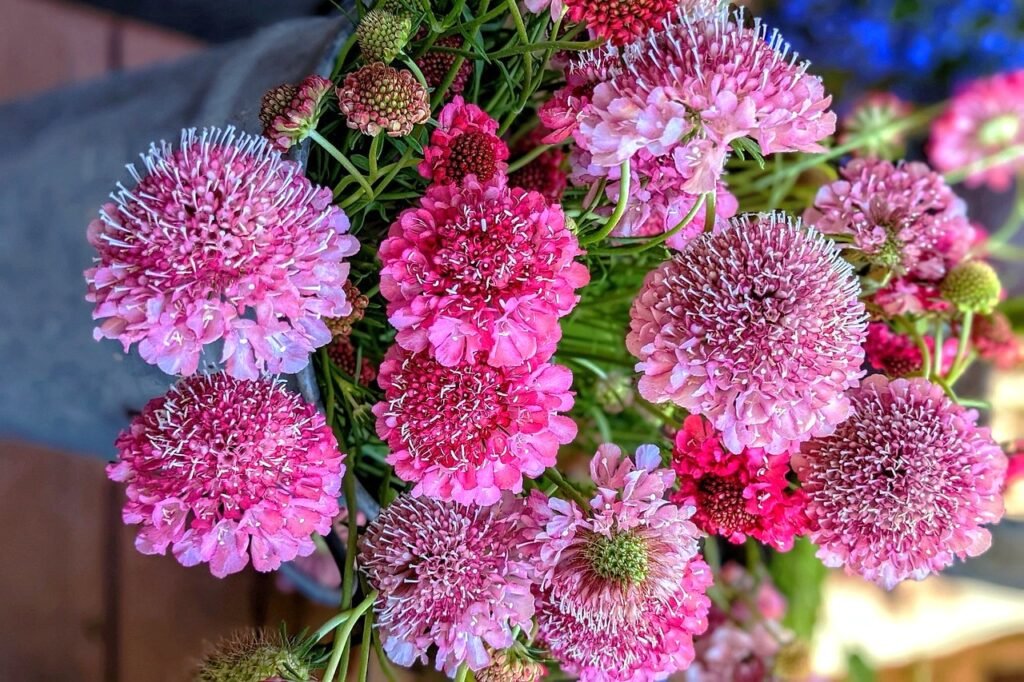
In 18th-century France, a noblewoman received scabiosa from a secret admirer. The flower’s intricate, spiky center encouraged her to linger and explore its details—much like the budding romance itself. Gifting scabiosa is like saying, “I want to get to know you, layer by layer.”
Why You’ll Love It: Its unique spiky center and soft surrounding petals make it tactile and visually fascinating. Scabiosa comes in shades of deep purple, dusty pink, and creamy white, and it naturally draws attention.
Fun Fact
Scabiosa is nicknamed “pincushion flower” because its center looks like a tiny pincushion dotted with pins.
Accessibility: Scabiosa is seasonal in North America and usually available through boutique florists or online specialty shops.
If you’re in that playful, getting-to-know-you stage, scabiosa adds curiosity and charm to your bouquet.
4. Hellebores – The Subtle Spark
Relationship Stage: New connection, quiet gestures
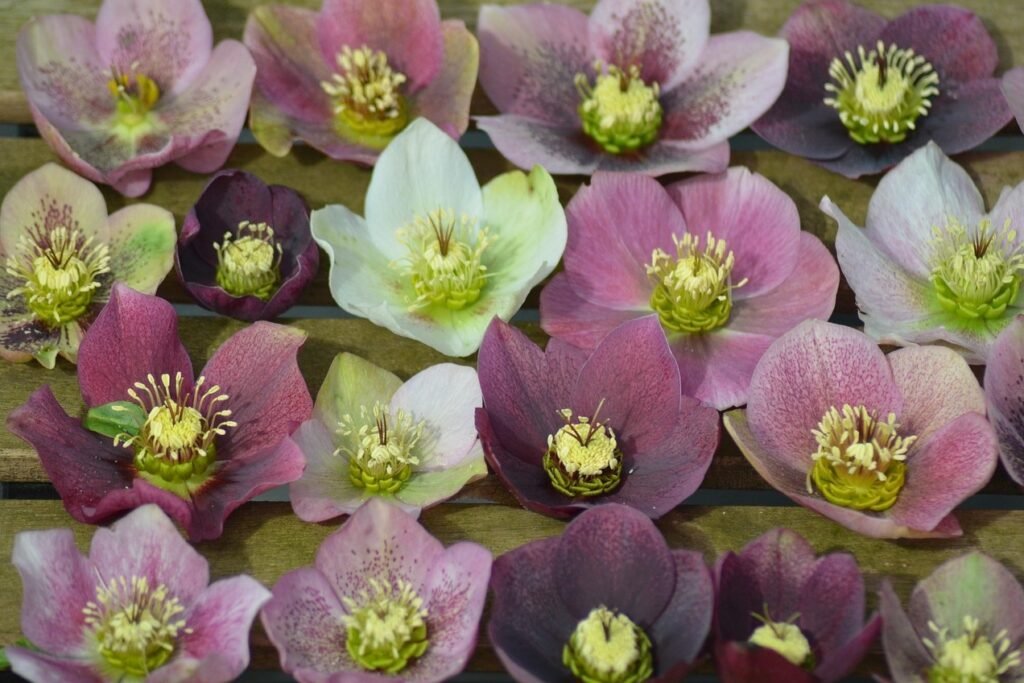
A 17th-century English poet gifted hellebores to his muse, choosing blooms that quietly thrived in winter, symbolizing hope and endurance. These flowers aren’t showy, but they make a statement: the gift-giver noticed something that others might miss.
Why You’ll Love It: Hellebores have muted, wintery colors and thick, textured petals. They feel grounded, winter-resilient, and thoughtful—perfect for quiet, meaningful gestures.
Accessibility: Available at local florists, farmer’s markets, and greenhouses in North America during winter. Often sold as “Lenten roses,” hellebores last well and complement other blooms beautifully.
Hellebores are perfect for the stage where you’re quietly building connection and want to convey subtle thoughtfulness.
5. Sweet Peas – The Sentimental Charm
Relationship Stage: Early attachment, tender affection
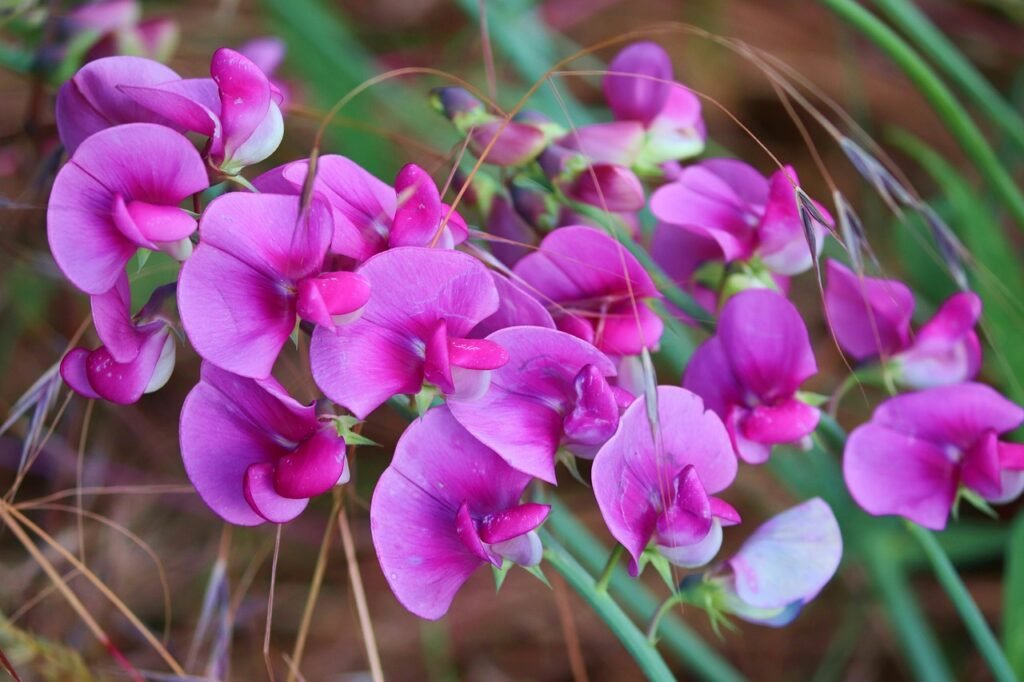
In Victorian England, sweet peas were exchanged as symbols of delicate pleasure and fondness, often with a little note attached. They whisper rather than shout, making them ideal for the early stages of intimacy.
Why You’ll Love It: Sweet peas are soft and fragrant, with ruffled petals and tendrils that can climb or drape. They have a nostalgic quality, evoking old-fashioned romance without being over the top.
Accessibility: Greenhouse-grown varieties are widely available in North America during winter.
Sweet peas are perfect for expressing budding tenderness, showing care without overwhelming the recipient.
6. Lisianthus – The Elegant Assurance
Relationship Stage: Comfortable stage of love, growing trust
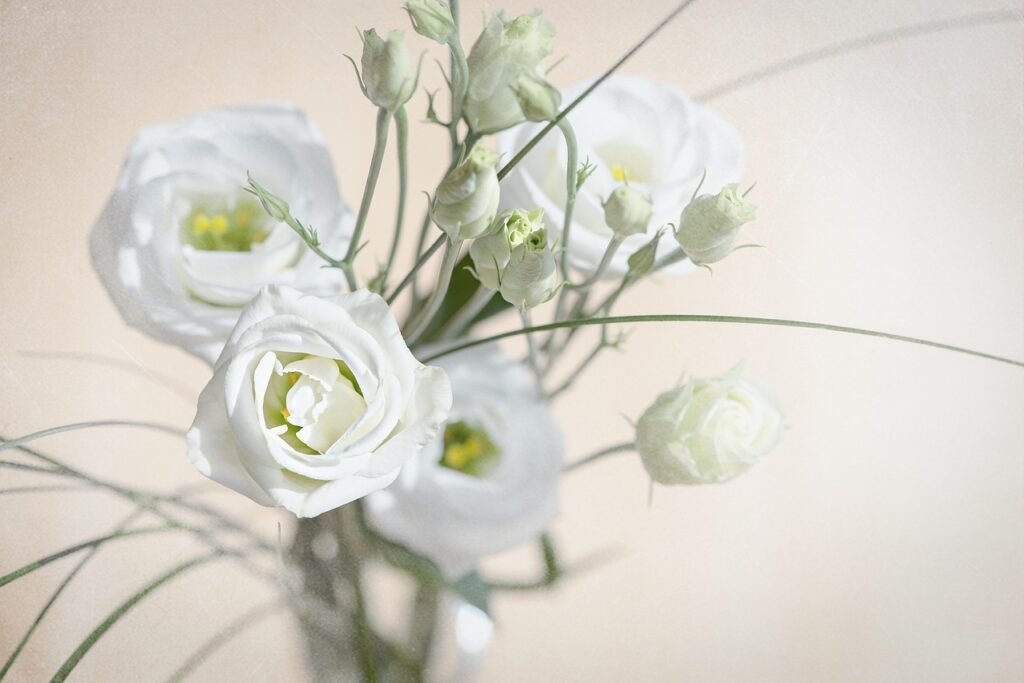
A 19th-century American artist gifted lisianthus to his partner, admiring its refined structure and long-lasting bloom. Lisianthus symbolizes thoughtfulness and elegance, making it perfect for relationships where affection is established but still playful.
Why You’ll Love It: Lisianthus has smooth, delicate petals in soft pastels and elegant purples. Its structure is simple yet sophisticated, perfect for showing care and thoughtfulness without being extravagant.
Accessibility: Easily sourced from florists year-round. Greenhouse-grown Lisianthus is ideal for winter Valentine bouquets.
If your relationship has settled into comfort and trust, lisianthus expresses appreciation and elegance.
7. Freesia – The Fragrant Promise
Relationship Stage: Deepening intimacy, shared routines
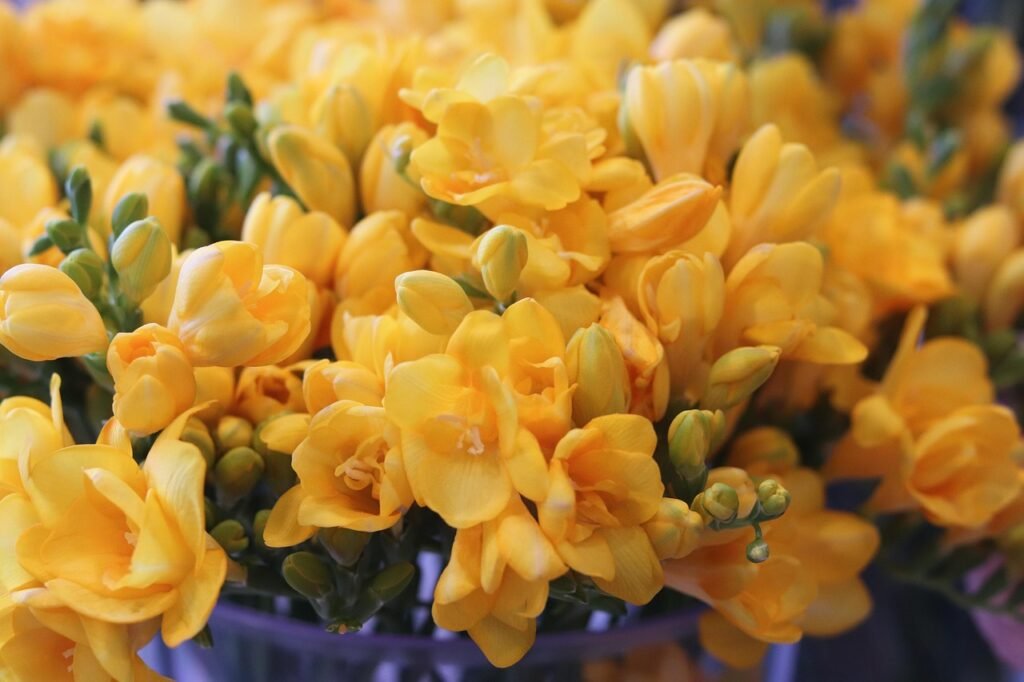
In 18th-century Netherlands, a merchant gifted freesia to his wife daily. The flower’s sweet scent became a quiet reminder of devotion in everyday life. Giving freesia today is a modern echo of that gesture: it’s sensory, intimate, and thoughtful.
Why You’ll Love It: Freesia is fragrant, trumpet-shaped, and comes in cheerful colors like yellow, white, pink, and purple. Its scent is uplifting and immediately recognizable, making it a multi-sensory gift.
Fun Fact
Freesia’s scent is so strong that it’s commonly used in perfumes and aromatherapy, making it one of the few flowers that appeals strongly to both sight and smell in a Valentine’s bouquet.
Accessibility: Greenhouse-grown freesia is widely available from North American florists during winter.
Freesia works beautifully when your relationship has matured into a rhythm of shared affection and trust.
Choosing the Right Flower for Your Relationship Stage
Picking the right flower isn’t just about availability—it’s about intention. Here’s a quick guide to matching the seven blooms to your relationship stage:
- First Few Dates / New Attraction: Anemones
- Early Flirtation / Curiosity: Scabiosa (Pincushion Flower)
- Early Attachment / Growing Affection: Ranunculus, Sweet Peas
- New Connection / Quiet Gestures: Hellebores
- Comfortable Stage / Growing Trust: Lisianthus
- Deepening Intimacy / Shared Routine: Freesia
By pairing flowers with relationship stages, your gift becomes more than a bouquet—it becomes a thoughtful expression of where you are and how you feel.
Tips for Finding Uncommon Flowers in North America
Even though these flowers aren’t roses, most are accessible if you know where to look.
- Local Florists: Many boutique florists carry seasonal flowers like ranunculus, lisianthus, and scabiosa.
- Greenhouses & Farmers’ Markets: Helibores and sweet peas often grow in wintergreenhouses and are sold locally.
- Online Specialty Florists: For harder-to-find blooms like freesia or scabiosa, online florists can ship directly to your door.
- Plan Ahead: Some blooms, like anemones and ranunculus, are more abundant in late winter, so ordering early ensures availability.
Remember: the thoughtfulness of the gesture matters more than the rarity of the flower. Even a single stem can make a big impression if it’s chosen with intention.
The Bottom Line
Valentine’s Day doesn’t have to be predictable. Choosing uncommon flowers is about showing that you see and understand your partner, whether it’s a new crush or a long-term love. Ranunculus, anemones, scabiosa, hellebores, sweet peas, lisianthus, and freesia each bring something unique to the table: texture, scent, history, and storytelling. Pair them with the right stage of your relationship, and your flowers become more than a gift—they become an experience.
The beauty of these blooms is that they are accessible in North America during winter, so you can thoughtfully select something truly special without months of planning. Each flower carries its own personality and charm, making your Valentine’s bouquet as intentional as it is beautiful.
********************
Pick a bloom that speaks to your relationship, and let it do the talking this Valentine’s Day.