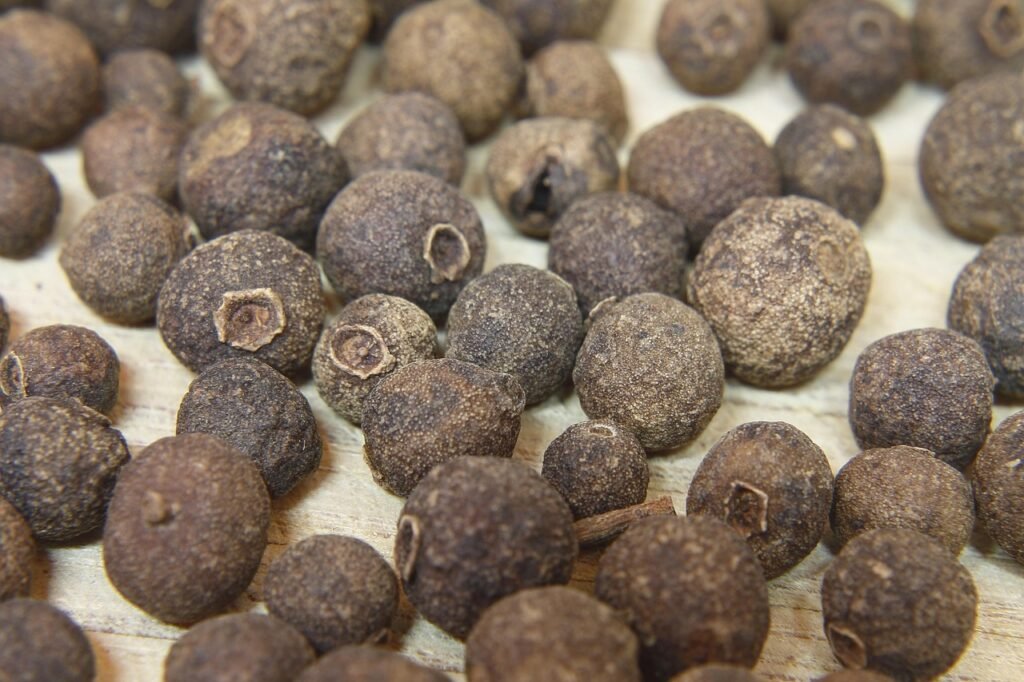
Allspice: All you need to know
If you’re a fan of unique flavors, chances are you’ve encountered allspice—the spice that’s a…



If you’re a fan of unique flavors, chances are you’ve encountered allspice—the spice that’s a…
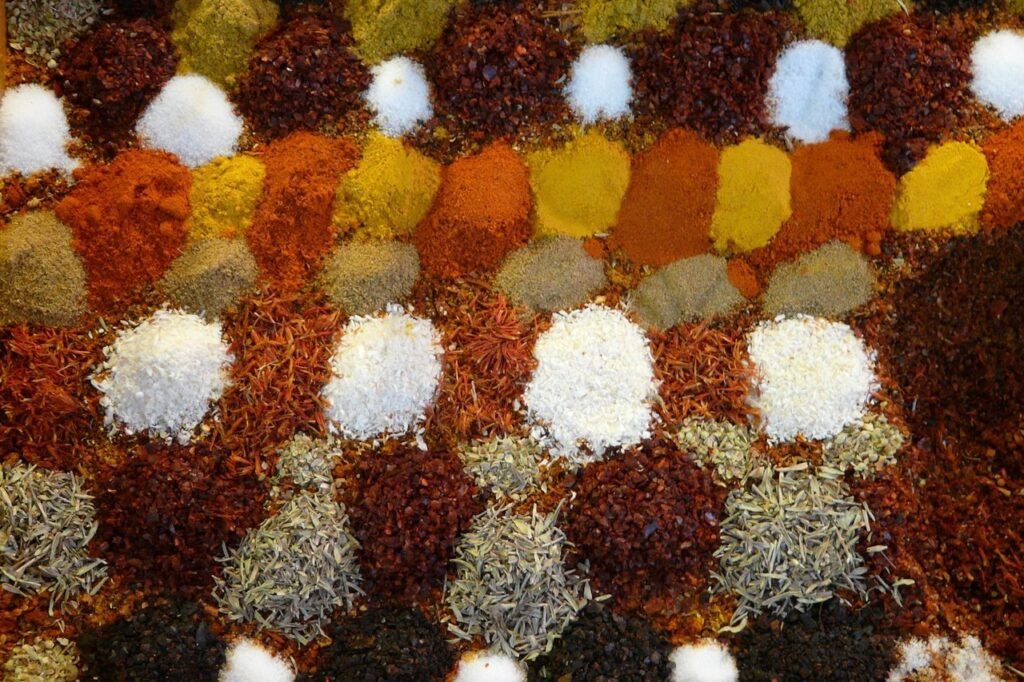
The article is about the most expensive spices in the world, why they cost so…
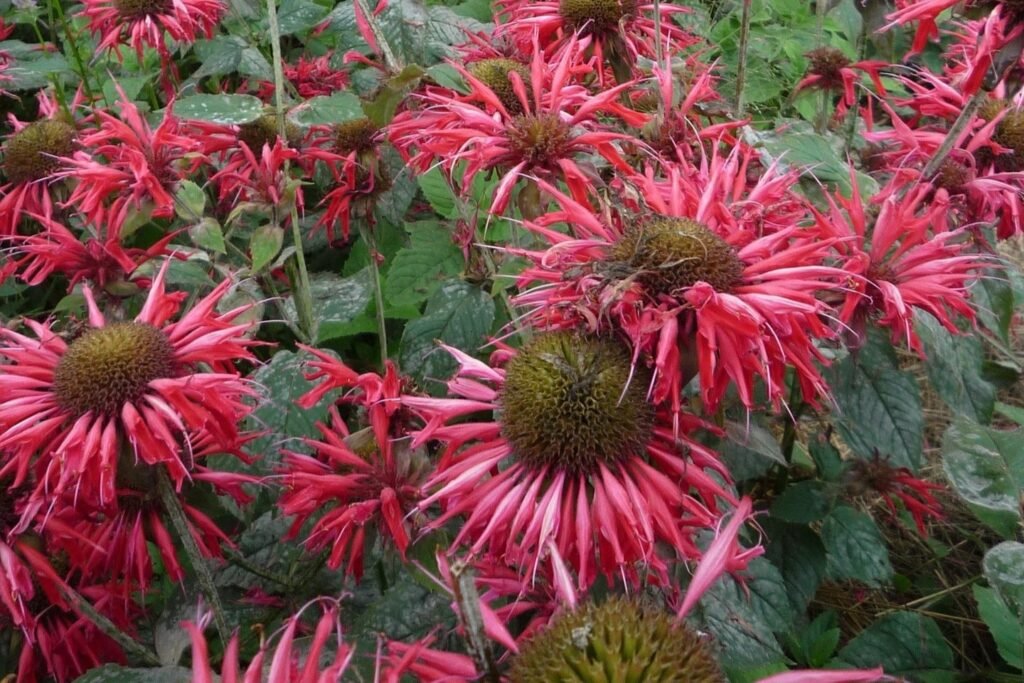
You’ve probably noticed the vibrant, spiky blooms of bee balm in gardens or wildflower meadows….
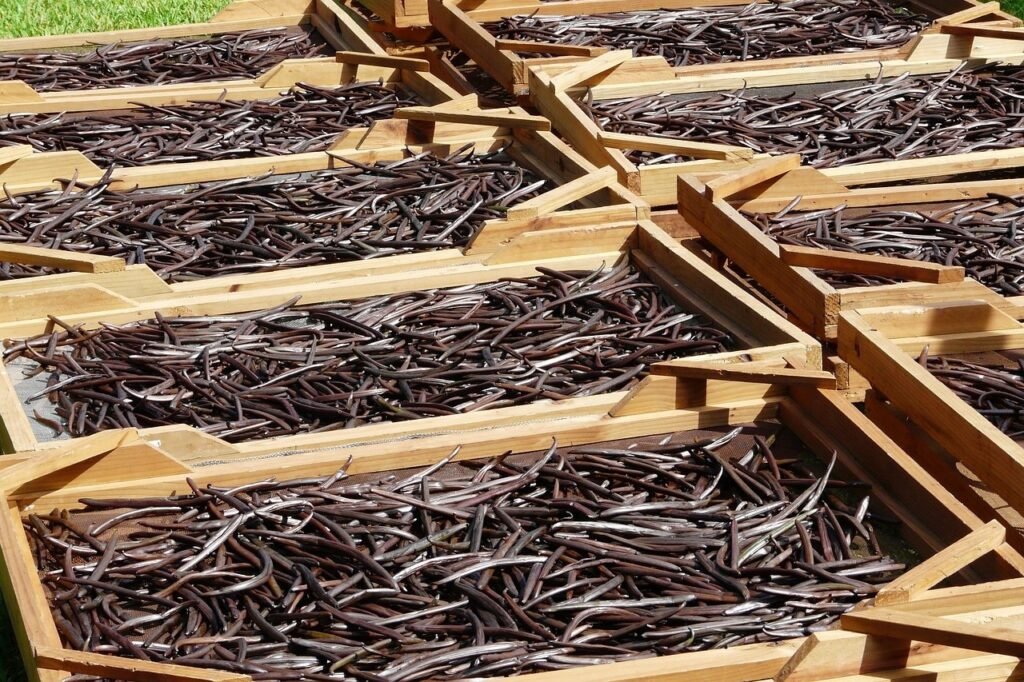
The article is about why vanilla is so expensive and the surprising mix of farming,…
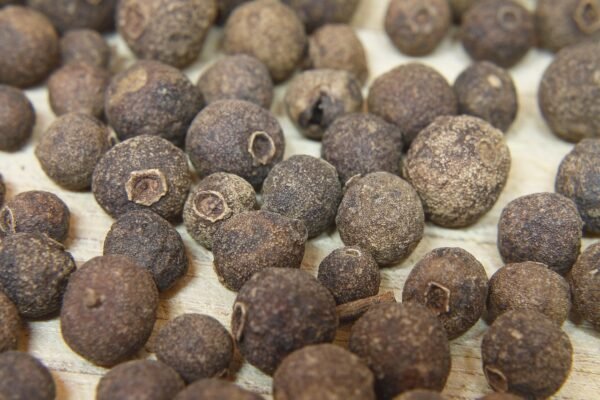
If you’re a fan of unique flavors, chances are you’ve encountered allspice—the spice that’s a mix of cinnamon, cloves, and nutmeg all rolled into one! Allspice is not just a flavoring agent in your kitchen; it’s a versatile plant with a rich history and numerous uses beyond culinary applications. In this Plant Compendium entry, we’ll…
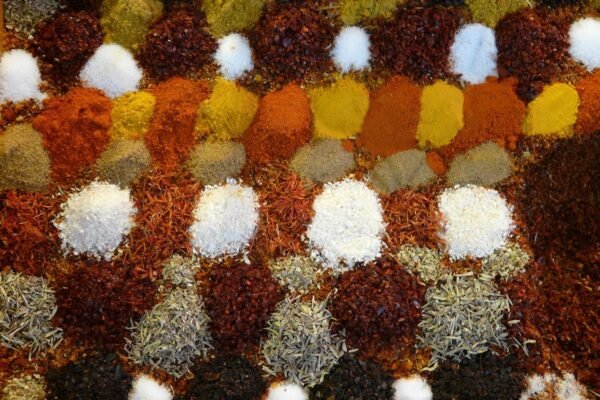
The article is about the most expensive spices in the world, why they cost so much, and how you can use them to elevate your cooking at home. “The value of a spice is never just in its flavor, but in the story of the land, labor, and time it carries.” – The Economic Botanist…
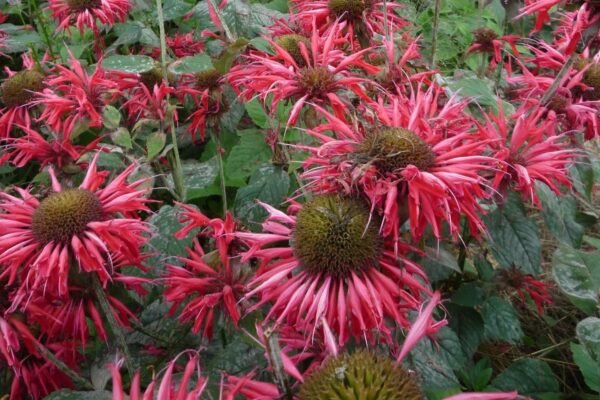
You’ve probably noticed the vibrant, spiky blooms of bee balm in gardens or wildflower meadows. With its colorful display and intoxicating fragrance, this plant is not just a treat for the eyes—it’s packed with a whole bunch of fascinating benefits, from health perks to culinary uses. Whether you’re a seasoned gardener or just curious about…
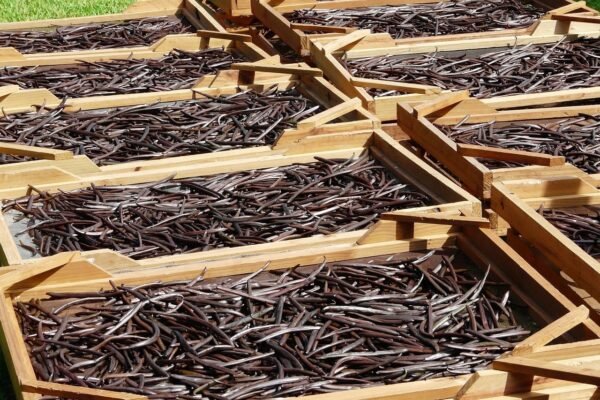
The article is about why vanilla is so expensive and the surprising mix of farming, labor, and global demand that drives up its price. “Vanilla is not expensive by accident—it is the result of time, touch, and nature working in rare harmony.” – The Economic Botanist Vanilla shows up everywhere—from your morning latte to your…
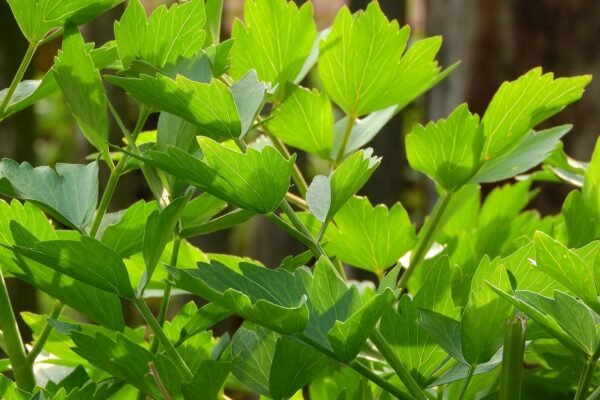
Welcome to the fascinating world of lovage, a plant that might just become your new garden favorite! Whether you’ve heard about it or are just discovering this herb, you’re in for a treat. Known for its bold flavor and rich history, lovage isn’t just another herb that’s used sparingly in the kitchen. It’s a powerhouse…
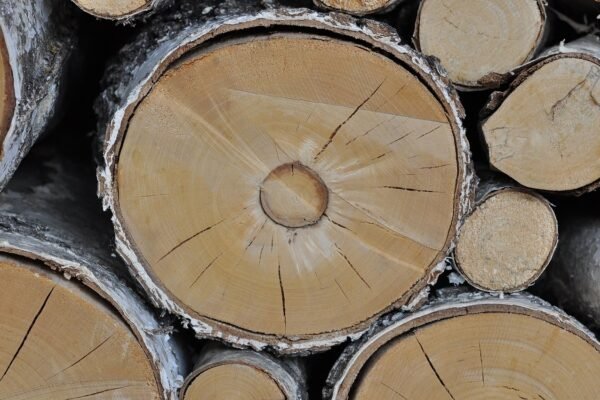
The article is about the most important timber trees in the world, how they are used, and why they matter in everyday life—from homes to furniture to global trade. “The story of timber is the story of human progress—rooted in forests, shaped by hands, and carried into the future with responsibility.” – The Economic Botanist…
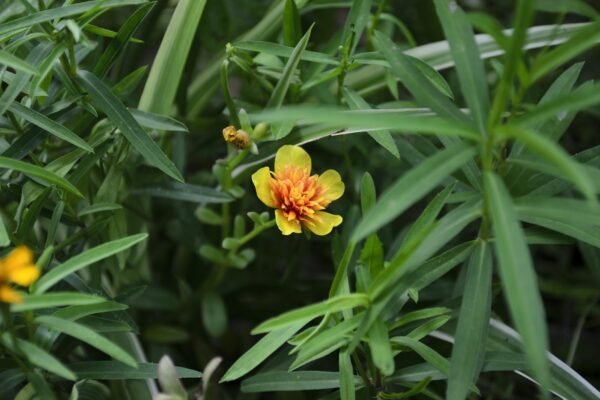
If you’ve ever tasted a creamy sauce with a subtle, slightly sweet, and almost licorice-like flavor, there’s a good chance you’ve already met tarragon. This elegant herb is a quiet star in the kitchen and a fascinating plant in the garden. Known for its role in classic French cuisine, tarragon brings both flavor and history…
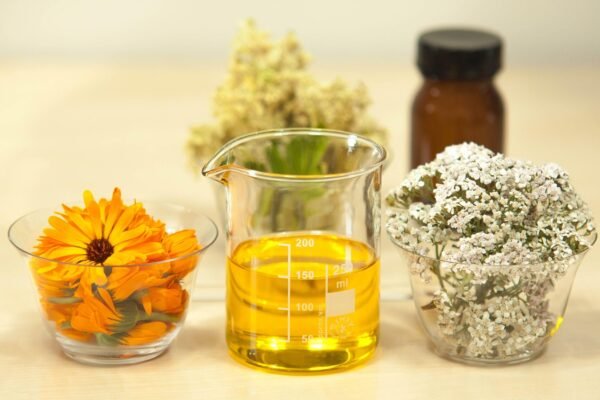
The article is about how plants can naturally boost your skin and hair health with their amazing active ingredients. “Nature’s touch on your skin and hair isn’t just beauty—it’s science wrapped in green leaves.” – The Economic Botanist When it comes to taking care of our skin and hair, the options can feel endless. You…
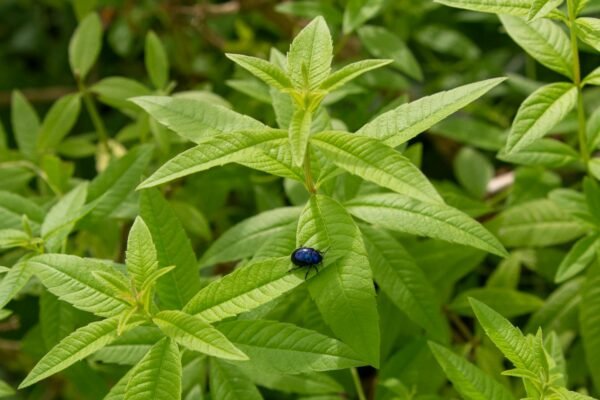
If you’ve ever brushed up against a lemon verbena plant and caught that bright, citrusy scent, you already know why this herb is so loved. Lemon verbena is one of those plants that quietly steals the show—whether it’s growing in your garden, steeping in your tea, or adding a fresh twist to your cooking. Native…
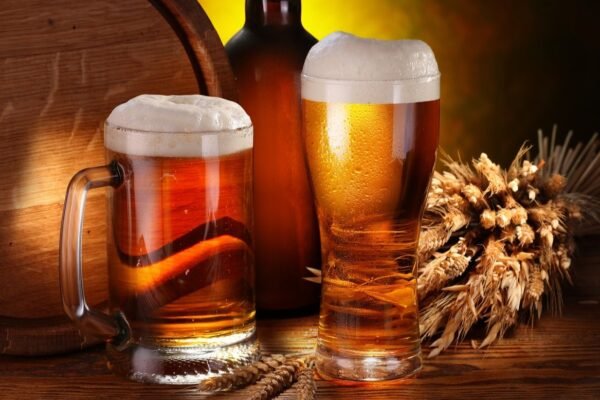
The article is about how plants have shaped the world of alcoholic drinks, from ancient rituals to the bottles on your shelf today. “Alcohol is nature’s way of turning plants into stories we can sip.” – The Economic Botanist When you think about alcoholic drinks, what probably comes to mind are the classics: a cold…