







This article is about rethinking Valentine’s Day gifts by exploring uncommon plant gifts that feel more meaningful, last longer, and tell a better love story than traditional roses.
“Love doesn’t have to be loud or predictable. Sometimes the most powerful expressions grow slowly, quietly, and over time.” — The Economic Botanist
Why are more people choosing plants instead of roses for Valentine’s Day? How does this tradition connect to history and science? Which uncommon plant gifts make thoughtful, romantic alternatives for people who want something different? Well, if you’ve ever felt that roses were beautiful but fleeting—or just not your style—you’re not alone. Plants offer a living, lasting way to express care, intention, and connection, and they’re becoming one of the most meaningful Valentine’s Day gift ideas for plant lovers and non-traditional romantics alike.
Valentine’s Day has a way of pressuring us into the expected. Red roses. Short-lived bouquets. A gift that looks nice for a few days and then fades. But many people today want gifts that feel more personal, more sustainable, and more aligned with how they actually live. That’s where plant gifts come in. When you give someone a plant, you’re not just giving something pretty—you’re giving time, growth, and a shared experience. And if you choose the right one, you’re also telling a story.
- The History of Valentine’s Day and the Tradition of Gifting Plants and Flowers
- Why Choose Plants Instead of Roses for Valentine’s Day?
- 9 Uncommon Plant Gifts for Valentine’s Day Instead of Roses
- How to Choose the Right Valentine’s Day Plant Gift
- Plant Care Tips to Include With Your Valentine’s Day Gift
- Frequently Asked Questions About Valentine’s Day Plant Gifts
- The Bottom Line
The History of Valentine’s Day and the Tradition of Gifting Plants and Flowers
To understand why plants instead of roses feel so refreshing, it helps to know how flowers became tied to Valentine’s Day in the first place.
Valentine’s Day traces back to ancient Rome, long before chocolates and bouquets. One early influence was the Roman festival of Lupercalia, a mid-February celebration linked to fertility and the coming of spring. Plants and greenery played a role even then, symbolizing renewal, life, and the hope of growth after winter. As Christianity spread, the holiday evolved and became associated with Saint Valentine, though historical details are murky.
By the Middle Ages, Valentine’s Day was firmly connected to romantic love. Writers like Geoffrey Chaucer helped popularize the idea that February 14 was a day for lovers. Still, flowers weren’t yet the star of the show.
That changed in a big way during the Victorian era. This period gave us floriography, also known as the “language of flowers.” Because public expressions of emotion were often discouraged, people used plants and flowers to communicate feelings they couldn’t say out loud. Each flower, leaf, and color carried meaning. Giving a plant wasn’t decorative—it was deeply symbolic.
Roses eventually rose to the top because they were dramatic, fragrant, and tied to long-standing myths about love and beauty. Red roses, in particular, became shorthand for passion and romance. Over time, marketing and mass production locked roses into place as the default Valentine’s flower.
But culture shifts. Today, many people are questioning whether roses really say what they want to say.
Fun Fact
In Victorian floriography, giving someone a potted plant often symbolized a desire for a long-term relationship, while cut flowers were associated with temporary affection.
As sustainability concerns grow and houseplants become part of everyday life, gifting plants for Valentine’s Day feels like a return to older, more meaningful traditions—updated for modern values.
Why Choose Plants Instead of Roses for Valentine’s Day?
Choosing plants instead of roses isn’t about rejecting romance. It’s about redefining it.
Plants Last Longer Than Cut Flowers
Cut roses are beautiful, but they’re on a timer from the moment you buy them. Most last a week, maybe two if you’re careful. A plant, on the other hand, can last for years. Every new leaf becomes a reminder of the moment it was given. That longevity makes plants one of the most meaningful plant gifts you can give.
From a practical standpoint, plants also offer better value. Research in environmental psychology shows that living plants can improve mood, reduce stress, and even increase focus. You’re not just giving something romantic—you’re giving something that supports well-being.
Plants Carry Deeper Symbolic Meanings of Love
Plants grow slowly. They need attention. They respond to care. That makes them powerful symbols of commitment, patience, and shared responsibility. When you give someone a plant, you’re saying, “I’m thinking beyond today.”
Many uncommon plant gifts also carry specific meanings tied to resilience, loyalty, or renewal. This makes them ideal for people who want symbolic plants for love without leaning on clichés.
A More Sustainable and Eco-Friendly Valentine’s Day Gift
Roses are often imported, grown with heavy pesticide use, and shipped long distances in refrigerated trucks. That environmental cost is rarely visible but significant. Plant-based Valentine’s Day gifts, especially locally grown houseplants, are often a more eco-friendly choice.
For people who care about sustainability—or simply want a gift that aligns with modern values—plants feel like a better fit.
9 Uncommon Plant Gifts for Valentine’s Day Instead of Roses
Not all plants make good gifts, and not all plant gifts feel romantic. The key is choosing something that feels intentional, a little unexpected, and appropriate for the person receiving it.
String of Hearts (Ceropegia woodii Schltr.)
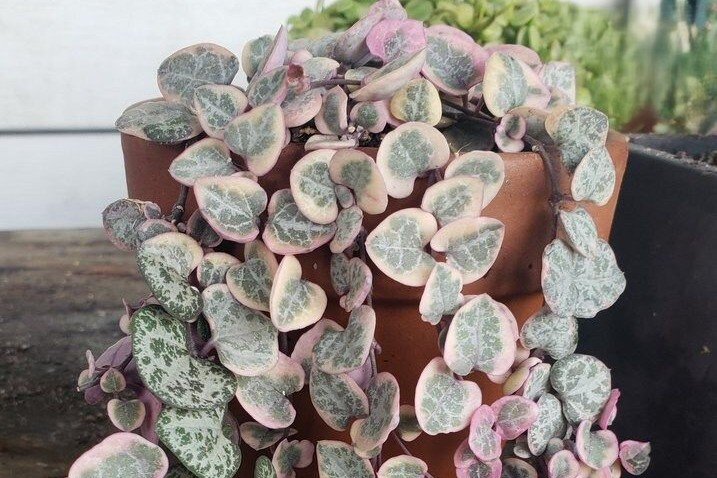
With trailing vines and heart-shaped leaves, the string of hearts is romantic without trying too hard. It’s delicate, sculptural, and perfect for shelves or hanging planters. Despite its soft look, it’s surprisingly low maintenance, making it a great option for beginners.
Symbolically, the string of hearts represents enduring affection and connection over distance, which makes it especially meaningful for long-distance relationships or couples navigating busy lives.
Sweetheart Hoya (Hoya kerrii Craib)
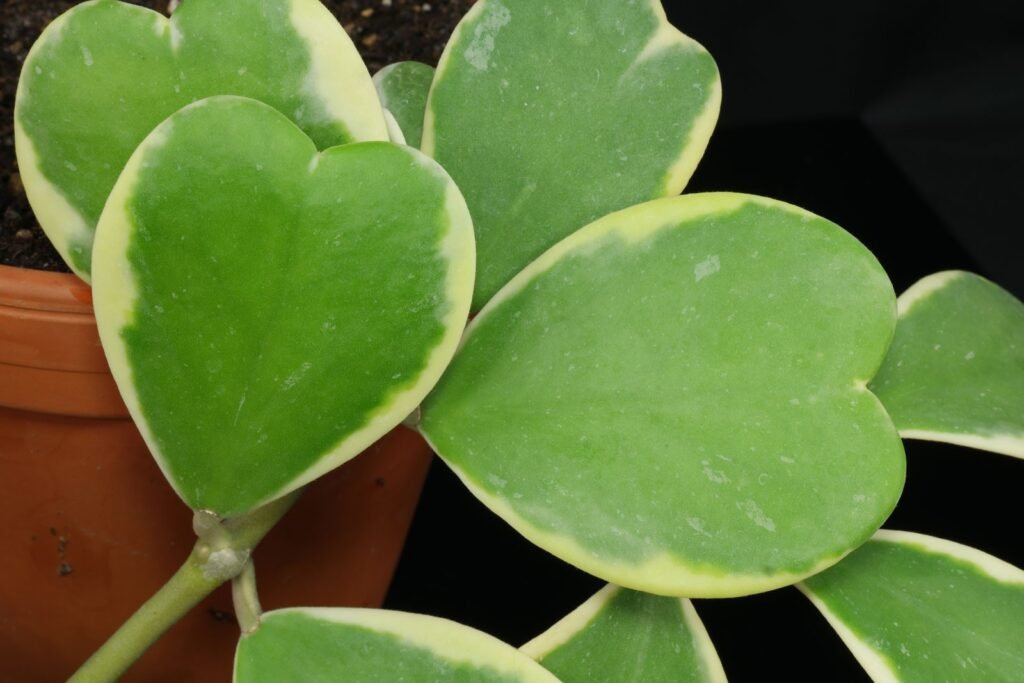
This plant often comes as a single, thick, heart-shaped leaf planted in soil. It’s minimal, modern, and quietly romantic. As a Valentine’s Day plant gift, it works well for people who prefer subtlety over grand gestures.
The Hoya heart is slow-growing, which reinforces the idea that love doesn’t have to rush. It’s also drought-tolerant, making it one of the best low-maintenance Valentine’s plants available.
Anthurium (Anthurium andraeanum Linden ex André)
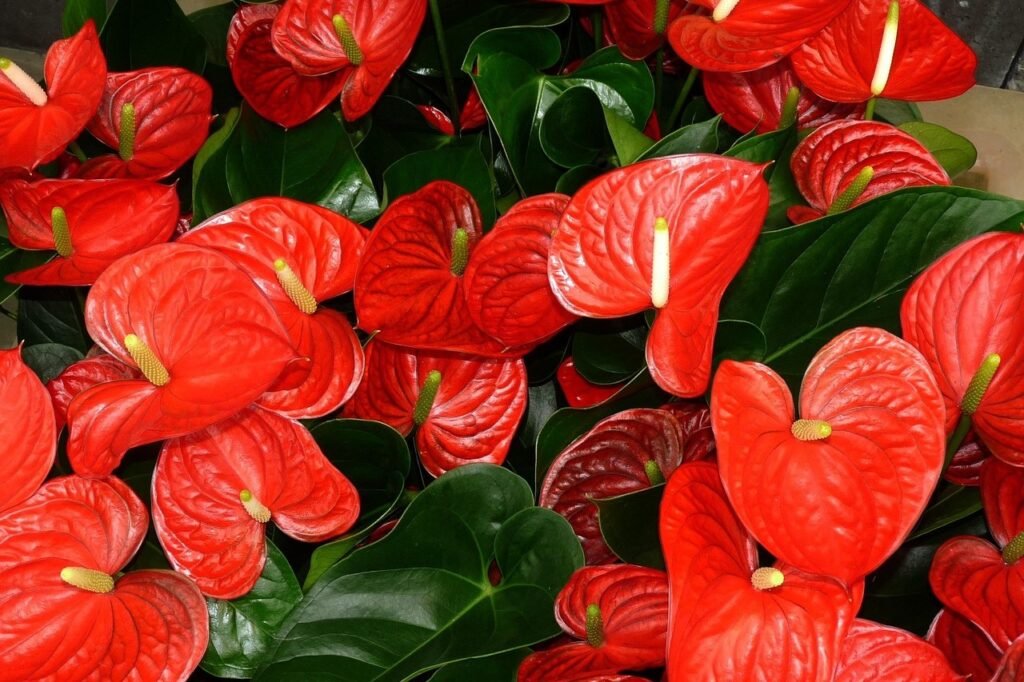
This is a modern flowering alternative to roses: If you want something with color but without the rose association, anthuriums are a strong choice. Their glossy, heart-shaped spathes last for weeks or even months, far longer than cut flowers.
Anthuriums symbolize hospitality and happiness, and they bring a bold, contemporary look to indoor spaces. They’re a smart option for people who want alternative Valentine’s Day flowers that still feel celebratory.
Mini Olive Tree (Olea europaea L.)
Olive trees have symbolized peace, endurance, commitment and partnership for thousands of years. A mini olive tree makes a meaningful plant gift for couples, especially those in long-term relationships.
While they do require bright light, they’re hardy and long-lived. Giving an olive tree says something deeper than “I love you today.” It says, “I’m invested in what comes next.”
Pink Polka Dot Plant (Hypoestes phyllostachya Baker)
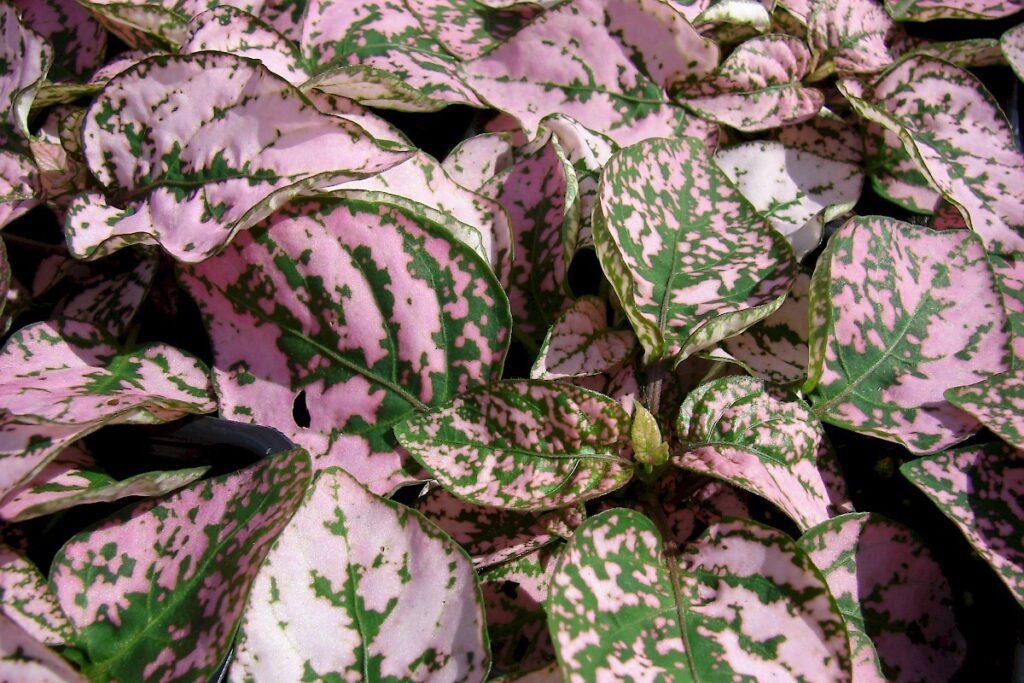
Playful and colorful, the pink polka dot plant brings a sense of fun to Valentine’s Day gifting. It’s ideal for people who enjoy whimsy and color rather than traditional romance.
This plant works well as a creative Valentine’s Day gift and is especially popular with younger plant lovers or anyone who enjoys a lively indoor space.
Calathea (Maranta leuconeura É. Morren)
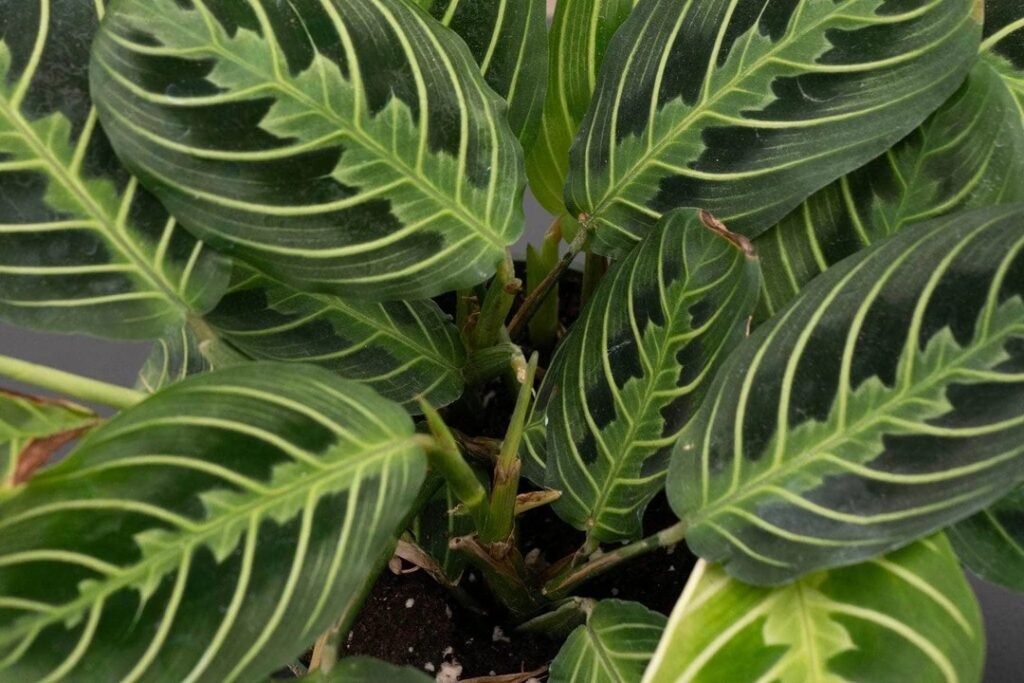
Calatheas are known for their striking leaf patterns and their habit of folding leaves upward at night, which gives them the nickname “prayer plant.” Symbolically, they’re associated with new beginnings and mindfulness.
They do require a bit more care, but that’s part of their charm. A calathea is a romantic houseplant that invites attention and presence.
Fun Fact
Studies show that caring for plants can activate the same reward pathways in the brain as nurturing relationships, reinforcing emotional bonds.
Mini Orchids (Phalaenopsis spp.)
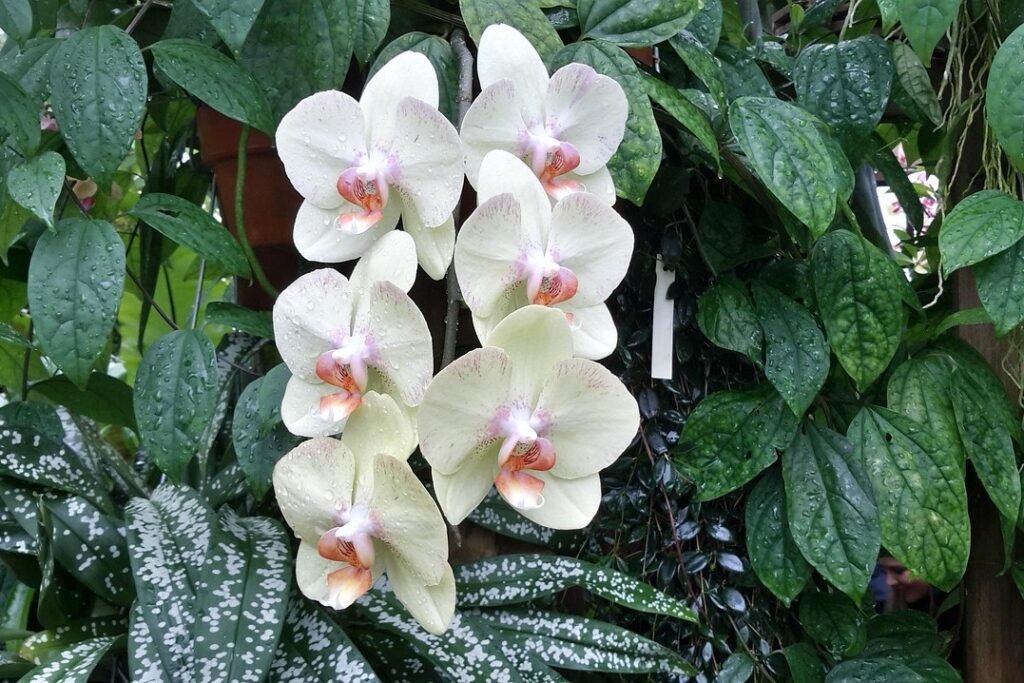
Orchids have a reputation for being difficult, but many modern varieties are surprisingly easy to care for. Mini (Moth) orchids, in particular, make excellent Valentine’s Day plant gifts because they’re compact (only 6-10 inches in height), elegant, and long-lasting.
Orchids symbolize beauty, strength, and refinement. They’re ideal for people who appreciate design and want something that feels special without being predictable.
Bonsai Tree
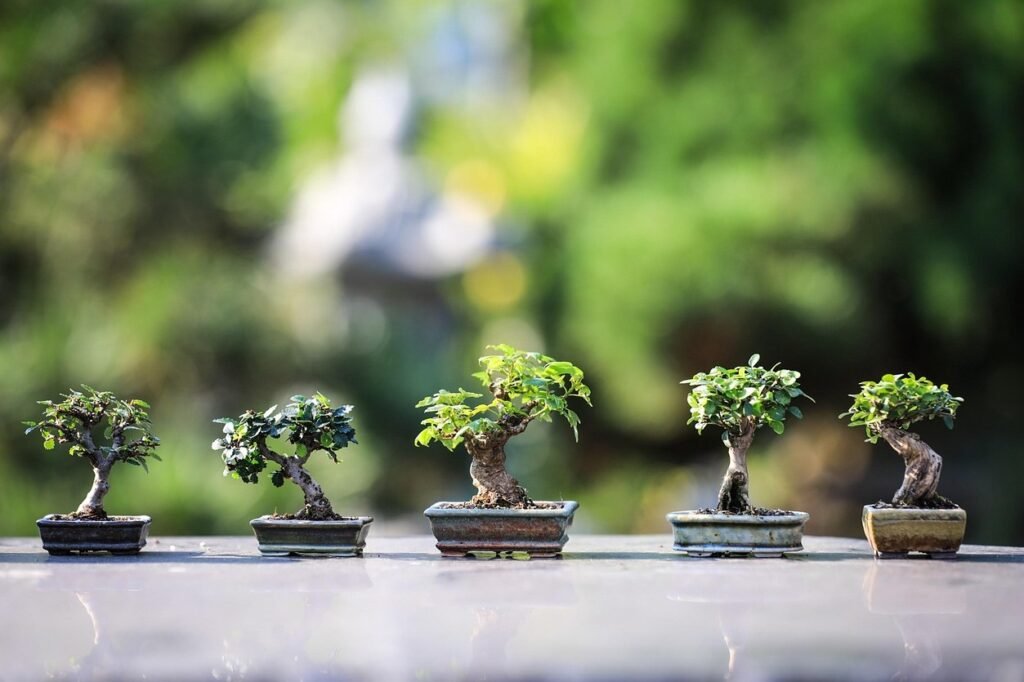
A bonsai tree is one of the most symbolic plant gifts you can give. It represents patience, care, and a long-term perspective. Unlike roses, which peak quickly, bonsai trees are about slow, intentional growth.
For beginners, ficus bonsai varieties are especially approachable. Giving a bonsai says, “This matters enough to tend to over time.”
Succulents (Beyond the Basic Cactus)
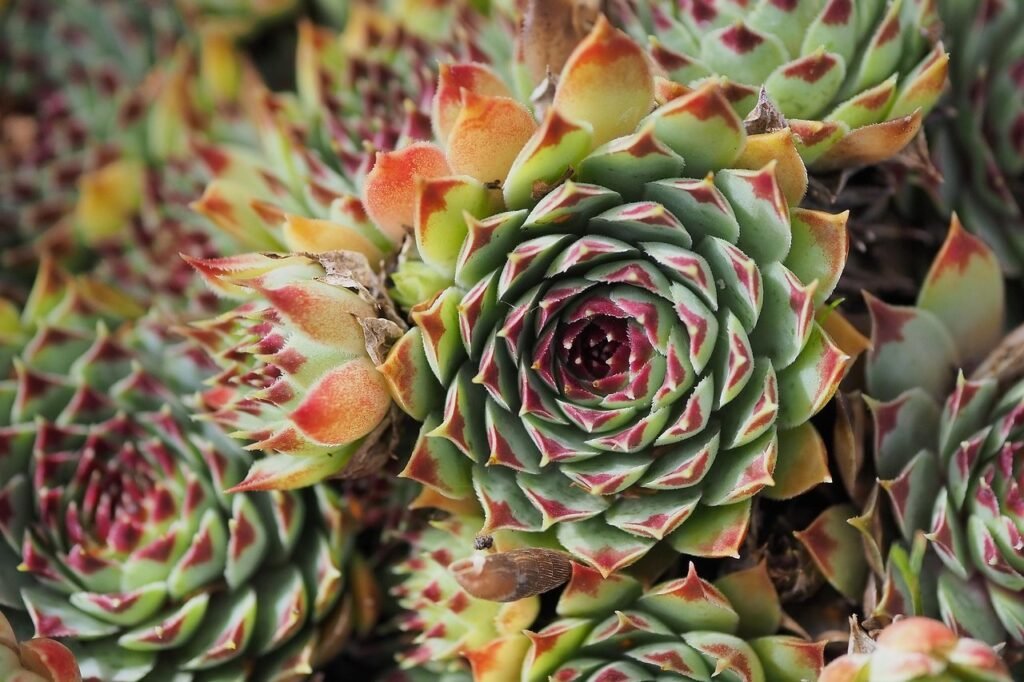
Succulents are often overlooked because they’ve become trendy, but thoughtfully arranged succulents can still feel special. When you move beyond the basic cactus and choose interesting textures or colors, succulents become modern Valentine’s Day gifts that last.
They’re resilient, low maintenance, and well-suited to busy lifestyles, making them ideal for people who want romance without pressure.
How to Choose the Right Valentine’s Day Plant Gift
The best Valentine’s Day plant gifts aren’t about rarity or price. They’re about fit.
Think about the message you want to send. Is it playful? Serious? Supportive? Plants communicate subtly, so choosing one that aligns with your intention matters.
Also consider experience level. A low-maintenance plant can be just as meaningful as a rare one. And always think about space. Light, pets, and lifestyle all play a role in whether a plant will thrive.
Plant Care Tips to Include With Your Valentine’s Day Gift
Including simple care instructions can make a big difference. It shows thoughtfulness and increases the chances that the plant will succeed.
You don’t need a full manual. A short note about light, watering, and one helpful tip is enough. Presentation matters too. A well-chosen pot or a handwritten note can elevate even the simplest plant.
Frequently Asked Questions About Valentine’s Day Plant Gifts
Q1. Are plants a good Valentine’s Day gift?
Yes. Plants are long-lasting, meaningful, and increasingly popular as alternatives to traditional flowers.
Q2. What plants symbolize love instead of roses?
Plants like string of hearts, orchids, olive trees, and bonsai all carry strong symbolic meanings related to love and commitment.
Q3. What is the best low-maintenance plant for Valentine’s Day?
Succulents, hoya hearts, and certain bonsai varieties are excellent low-maintenance options.
Q4. Is a bonsai a good Valentine’s Day gift?
A bonsai is an excellent gift for someone who values symbolism and long-term meaning, especially in established relationships.
The Bottom Line
Valentine’s Day doesn’t have to look the same every year. Choosing plants instead of roses opens the door to more thoughtful, sustainable, and personal expressions of love. Uncommon plant gifts offer beauty that grows over time, symbolism that feels sincere, and a connection that lasts longer than a week in a vase. If you want your gift to mean something beyond the moment, a living plant might say it best.
********************
If you’re ready to rethink tradition, start by choosing a plant that reflects how you actually love—steadily, intentionally, and with room to grow.