



Carqueja: All you need to know

Scientific name: Baccharis trimera (Less.) DC. Family: Asteraceae Often called “carqueja” in South America, Baccharis trimerais a shrubby medicinal plant renowned for its bitter leaves and traditional use in herbal remedies. Native to the highlands and subtropical regions of South America, this plant has been valued for centuries for digestive support, liver protection, and metabolic health. In…

Read More

9 Unique Plant Gifts for Valentine’s Day for People Who Hate Roses

This article is about rethinking Valentine’s Day gifts by exploring uncommon plant gifts that feel more meaningful, last longer, and tell a better love story than traditional roses. “Love doesn’t have to be loud or predictable. Sometimes the most powerful expressions grow slowly, quietly, and over time.” — The Economic Botanist Why are more people…

Read More

15 Lucky Foods to Eat on New Year’s Eve for Good Fortune and Prosperity

This article is about time-honored plant-based foods from cultures around the world that are believed to bring good luck, prosperity, and good vibes when eaten on New Year’s Eve. As one year ends and another begins, many of us look for little ways to welcome in something better—more joy, more stability, more success. While resolutions…

Read More

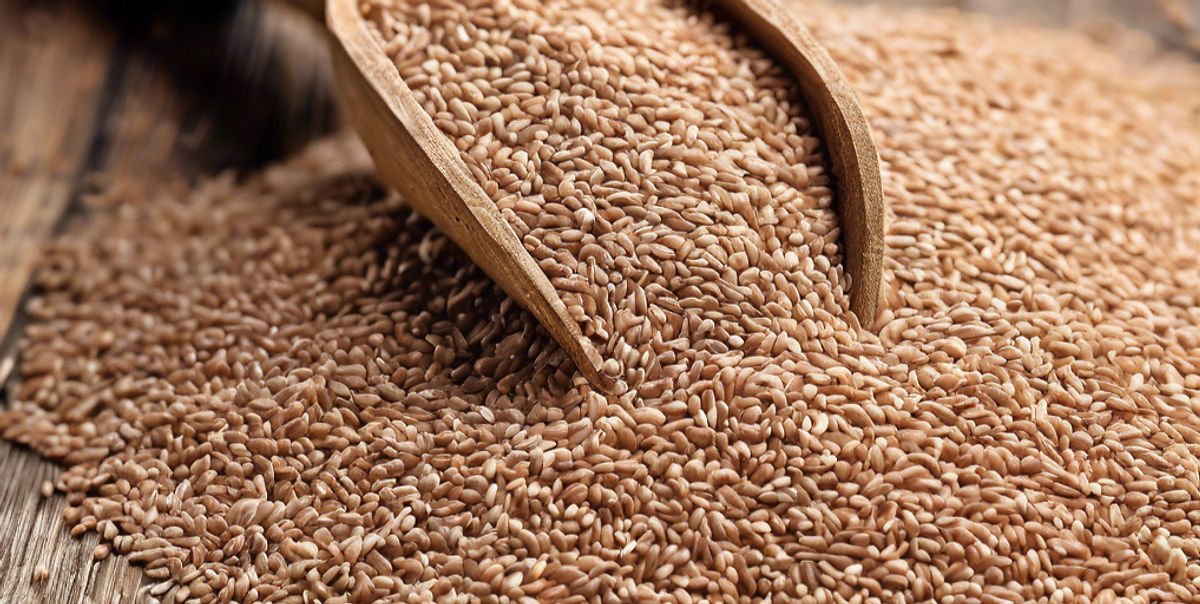
Teff: All you need to know

Scientific Name: Eragrostis tef (Zucc.) Trotter Family: Poaceae Teff is a small but mighty grain that has been an essential part of Ethiopian and Eritrean cuisine for thousands of years. This ancient cereal grain is celebrated for its tiny size, nutritional richness, and versatility in various culinary dishes. Grown primarily in East Africa, teff has recently gained…

Read More

Charles Darwin’s Plant Discoveries: The Surprising Ways He Revolutionized Botany

The article is about how Charles Darwin used plants to test big ideas, ask careful questions, and quietly transform plant science in ways that still affect what you learn about nature today. “Plants were Darwin’s most patient teachers. They never rushed him, but they always answered.” – The Economic Botanist When most people hear the…

Read More