





The article is about cassava—its traditional uses, global food products, industrial starch applications, biocomposites, and bioenergy—and why this powerful root crop may be one of the most important sustainable resources of our time.
“Cassava is proof that the most powerful solutions for our future are often roots planted deep in our past.” – The Economic Botanist
Cassava does not always get the spotlight. It is not as trendy as quinoa. It is not as famous as wheat. Yet cassava feeds more than 800 million people worldwide and plays a quiet but powerful role in food security, renewable energy, and sustainable materials. If you care about climate resilience, gluten-free foods, biodegradable packaging, or the future of bioenergy, cassava deserves your attention.
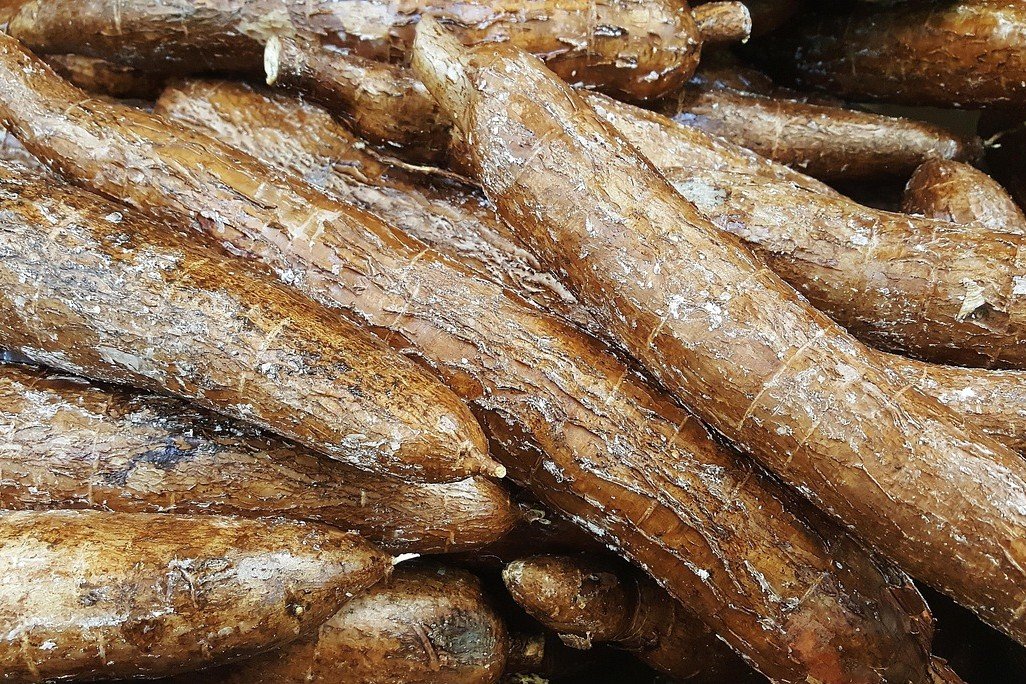
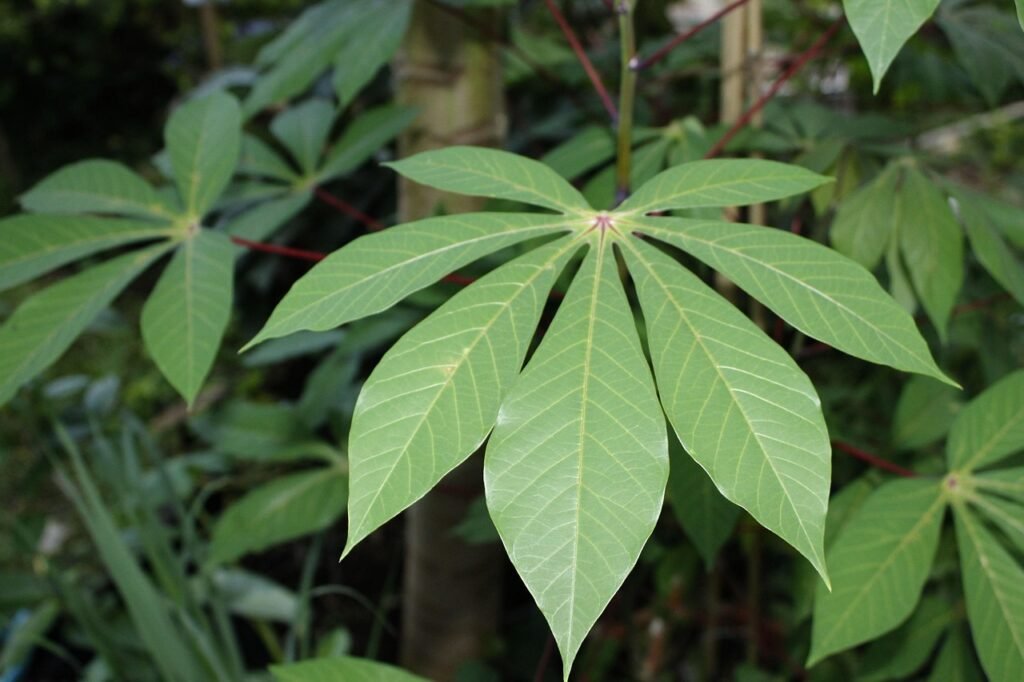
Known scientifically as Manihot esculenta, cassava is a starchy root crop native to South America belonging to the Euphorbiaceae family, same as poinsettia‘s . Today, people grow this root across Africa, Southeast Asia, and Latin America, and found in grocery stores across the world. It thrives in poor soils. It tolerates drought while producing high carbohydrate yields per hectare compared to many other crops. That combination makes it one of the most practical and versatile crops on Earth.
In this article, we will explore cassava uses in traditional cultures, cassava food products around the world, industrial uses of cassava starch, cassava biocomposites, and cassava bioenergy.
- What is Cassava? Origins, History, and Global Importance
- Traditional Cassava Uses Around the World
- Cassava as a Modern Food Ingredient
- Industrial Uses of Cassava Starch
- Cassava Biocomposites and Bioplastics
- Cassava for Bioenergy and Renewable Fuels
- Environmental and Economic Benefits of Cassava
- Challenges and Future Innovations in Cassava Production
- Frequently Asked Questions About Cassava
- The Bottom Line
What is Cassava? Origins, History, and Global Importance
Cassava began its journey thousands of years ago in South America. Indigenous communities in the Amazon region learned how to grow and process it safely. Cassava contains natural compounds called cyanogenic glycosides, which can release cyanide if the root is eaten raw. Cyanide is a fast-acting toxin that interferes with your cells’ ability to use oxygen. In simple terms, even if you are breathing normally, your body cannot properly use the oxygen in your blood. That sounds alarming, but traditional cassava processing methods—such as grating, soaking, fermenting, and drying—remove these compounds effectively.
Fun Fact
Studies show that crushing and sun-drying cassava roots to make flour can remove between 96% and 99% of the total cyanogenic compounds. Traditional methods such as soaking, fermenting, and roasting can eliminate around 98% of these compounds. Cassava leaves contain roughly 10x more cyanogens than the roots, but proper preparation makes them safe. Pounding the leaves and boiling them in water can remove about 99% of their cyanogenic content.
From South America, cassava spread through trade routes to Africa and Asia. During colonial times, it became a survival crop. Farmers valued it because it could grow in difficult conditions where other crops failed.
Today, cassava is a backbone of food security in many African countries. It is also a major crop in Brazil and Thailand. Its ability to grow in marginal soils and withstand dry spells makes it a powerful climate-resilient crop. As climate change increases pressure on farming systems, cassava’s adaptability becomes even more important.
If you are thinking about the future of agriculture, cassava climate resilience is not just a talking point—it is a practical advantage.
Traditional Cassava Uses Around the World
Cassava has deep cultural roots. In many regions, it is more than food; it is tradition, identity, and daily life.
In West Africa, cassava is processed into garri, a toasted granular flour. People also pound cassava into fufu, a soft dough eaten with soups and stews. These traditional cassava foods are staples for millions of families.
In Brazil, farinha (or roasted cassava flour) is sprinkled over beans, rice, and meats. In parts of the Caribbean, cassava is baked into thin flatbreads that trace back to Indigenous techniques.
Across Southeast Asia, cassava is transformed into desserts, cakes, and snacks. Tapioca pearls, made from cassava starch, are used in sweet drinks and puddings. Cassava chips and crackers are common street foods.
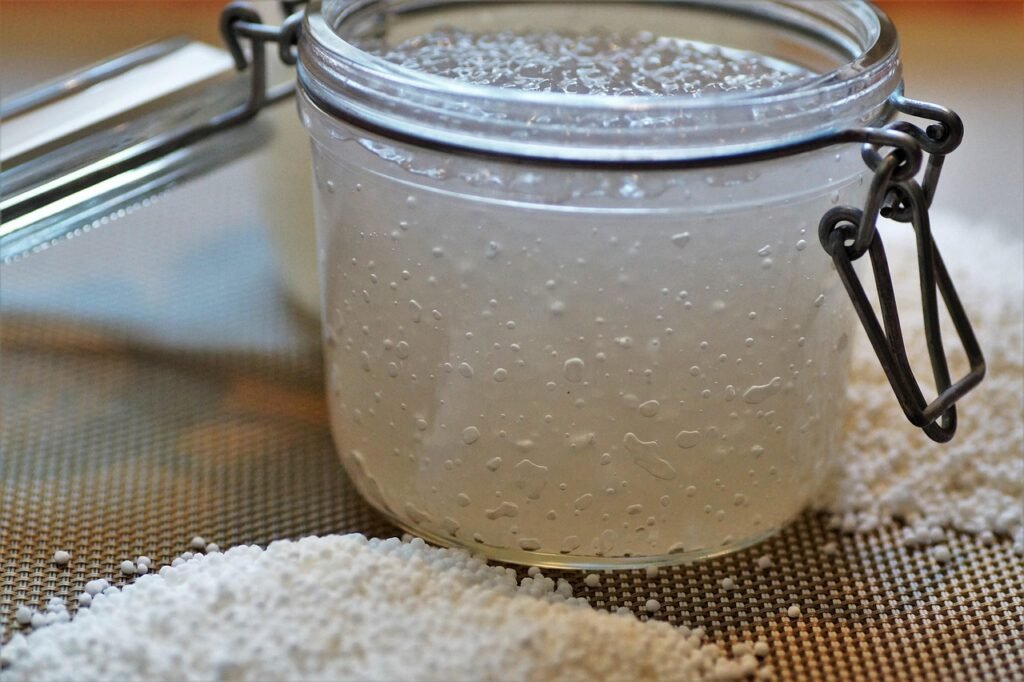
Traditional cassava processing often involves fermentation. Fermentation not only improves flavor but also enhances safety and digestibility. When you look at cassava fermentation practices, you see science at work long before laboratories existed.
Fun Fact
Cassava can remain in the ground for up to two years after maturity, acting like a living food storage system for farmers.
This flexibility means farmers do not have to harvest all at once. They can pull up roots when needed, which is incredibly useful in regions without advanced storage facilities.
Here’s a comprehensive list of different products obtained from cassava:
| Product Name | Form | How It’s Made | Common Uses | Popular Regions |
|---|
| Fresh Cassava Root | Whole root | Harvested, peeled, cooked | Boiled, fried, roasted | Africa, South America, Asia |
| Cassava Flour | Whole-root flour | Peeled, dried, ground whole root | Gluten-free baking, tortillas, bread | Global |
| Tapioca Starch | Extracted starch | Wet extraction of starch from pulp | Thickener, sauces, puddings | Global |
| Tapioca Pearls | Starch pellets | Starch shaped into spheres and dried | Bubble tea, desserts | East & Southeast Asia |
| Garri | Toasted granules | Fermented, grated, roasted cassava | Porridge, dough meals | West Africa |
| Fufu | Dough | Boiled and pounded cassava | Served with soups | West & Central Africa |
| Farinha | Toasted flour | Grated and roasted cassava | Side dish, toppings | Brazil |
| Casabe | Flatbread | Grated, pressed, baked cassava | Flatbread, crackers | Caribbean |
| Attiéké | Fermented couscous-like granules | Fermented and steamed cassava | Side dish | Côte d’Ivoire |
| Chikwangue | Fermented paste | Fermented cassava wrapped and steamed | Staple side dish | Central Africa |
| Cassava Chips | Sliced root | Thinly sliced and fried | Snack food | Global |
| Cassava Fries | Root strips | Cut and deep-fried | Side dish | Latin America, Africa |
| Cassava Cake | Dessert | Grated cassava baked with sugar and coconut | Sweet dessert | Philippines |
| Tapioca Pudding | Starch dessert | Cooked tapioca pearls with milk/sugar | Dessert | Global |
| Cassava Noodles | Starch-based noodles | Starch extruded into noodle form | Soups, stir-fries | Asia |
| Cassava Crackers (Kerupuk) | Fried crackers | Starch mixed, shaped, dried, fried | Snack | Indonesia |
| Pão de Queijo | Cheese bread | Tapioca starch + cheese baked | Snack bread | Brazil |
| Cassava Syrup | Sweetener | Starch converted to glucose syrup | Processed foods | Industrial/global |
| Modified Cassava Starch | Functional ingredient | Chemically or physically modified starch | Processed foods, sauces | Global |
| Cassava Gari Flour Blends | Mixed flour | Garri blended with grains or legumes | Fortified meals | West Africa |
Cassava as a Modern Food Ingredient
In recent years, cassava flour benefits have caught the attention of health-conscious consumers. Cassava flour is naturally gluten free, and made from the whole root, peeled, dried, and ground. Tapioca starch, by contrast, is the extracted starch portion of the root.
If you follow a gluten-free diet, you have probably seen cassava flour used in bread, tortillas, pancakes, and baked goods. It has a mild flavor and a texture closer to wheat flour than many other gluten-free alternatives.
Tapioca starch is often used as a thickener in soups, sauces, and desserts. It creates a glossy texture and is common in puddings and fruit fillings.
Cassava food products are expanding rapidly. You can now find cassava-based pasta, crackers, snacks, and even breakfast cereals. Food manufacturers also use modified cassava starch to improve texture and shelf life in processed foods.
When people ask, “Is cassava healthy?” the answer depends on context. Cassava is high in carbohydrates and low in protein. It is an energy-rich staple food, not a superfood packed with micronutrients. However, it is naturally gluten free and easy to digest when processed correctly. For millions of people, it is a reliable and affordable calorie source.
If you care about food security, you cannot ignore cassava.
Industrial Uses of Cassava Starch
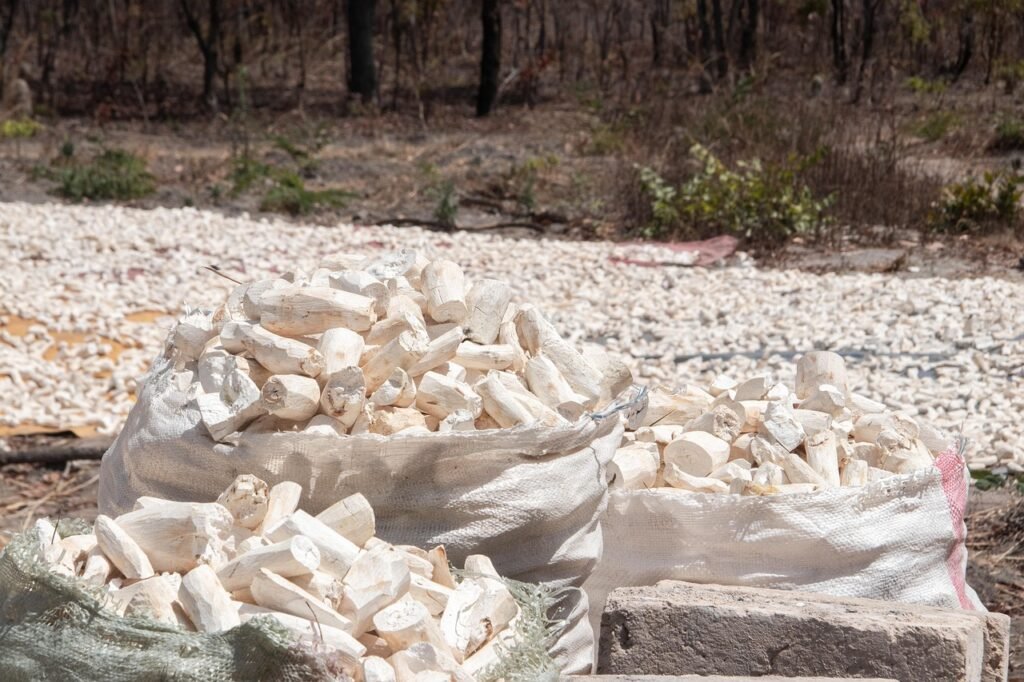
Beyond the kitchen, cassava starch applications extend into major industries. The industrial uses of cassava are one reason global demand continues to grow.
Cassava starch is used in paper production as a binder and surface treatment. It improves strength and print quality. In textiles, starch helps stiffen fabrics during weaving. In adhesives, cassava-based starch acts as a natural glue for cardboard and packaging.
Modified cassava starch is especially important in food manufacturing. It helps stabilize sauces, prevent separation in dairy products, and improve texture in processed meals. Because it is neutral in taste and color, it blends easily into many formulations.
Countries like Thailand have built strong export industries around cassava industrial starch. The cassava value chain now includes farmers, processors, exporters, and manufacturers across multiple sectors.
This is where cassava shifts from being just a subsistence crop to a global economic player.
Cassava Biocomposites and Bioplastics
Now we move into one of the most exciting areas: cassava biocomposites and cassava bioplastics.
Traditional plastics are made from petroleum. They are durable, but they do not break down easily. This creates long-term waste problems. Cassava starch, however, can be processed into biodegradable plastics.
Cassava starch bioplastics are made by transforming starch into thermoplastic materials. These materials can be shaped into packaging, disposable utensils, and agricultural films. Under the right conditions, they break down much faster than conventional plastics.
Cassava biodegradable packaging is gaining attention as companies look for sustainable alternatives. While these materials are not perfect and still face cost and durability challenges, they represent a step toward reducing fossil fuel dependence.
Cassava biocomposites go even further. By combining cassava starch with natural fibers like jute or hemp, manufacturers can create lightweight panels for automotive interiors or construction materials.
This is where agriculture meets materials science. And it is a powerful example of how renewable resources can replace petroleum-based inputs.
Cassava for Bioenergy and Renewable Fuels
Cassava bioenergy is another growing field. Because cassava is rich in starch, it can be converted into sugars and then fermented into ethanol.
Cassava bioethanol production involves breaking down starch into glucose and fermenting it with yeast. The resulting ethanol can be used as fuel or blended with gasoline. Countries such as Thailand and China have invested heavily in cassava renewable energy programs.
Compared to some grain-based biofuels, we can grow cassava in tropical regions with lower inputs. This can make it a competitive feedstock in certain climates.
Cassava waste to energy is also possible. Peels and pulp from processing plants can be used in anaerobic digesters to produce biogas. This biogas can generate electricity or heat, reducing waste and improving efficiency.
Fun Fact
A single cassava processing plant can turn what would have been waste into enough biogas to power parts of its own facility.
This is circular economy thinking in action.
Environmental and Economic Benefits of Cassava
When we talk about cassava sustainability, we need to look at both environmental and economic factors.
Environmentally, cassava requires fewer inputs than many crops. It can grow in low-fertility soils and tolerate drought conditions. That does not mean it should be poorly managed, but it does mean it can succeed where other crops struggle.
Economically, cassava provides income for smallholder farmers. In many parts of Africa, it is both a food crop and a cash crop. Farmers can sell fresh roots, flour, or processed products.
As the cassava global market expands into industrial starch, bioplastics, and bioenergy, new opportunities emerge. However, this growth must be managed carefully to ensure that local food security is not compromised by export demand.
Cassava agricultural innovations are improving yields and disease resistance. Researchers are developing improved varieties with higher starch content and lower cyanogenic compounds. These advances can increase productivity and safety.
Challenges and Future Innovations in Cassava Production
Cassava is resilient, but it is not without challenges. Cassava processing requires proper techniques to remove toxic compounds. Education and infrastructure are critical.
Diseases such as cassava mosaic disease can reduce yields. Breeding programs and biotechnology are helping address these threats.
Mechanization is another area of focus. Harvesting cassava can be labor-intensive. Improved tools and machinery could reduce workload and increase efficiency.
Looking ahead, cassava’s role in sustainable industries may continue to grow. As demand for renewable energy, biodegradable packaging, and climate-resilient crops increases, cassava could become even more central to the bioeconomy.
Frequently Asked Questions About Cassava
What is cassava used for?
Cassava is used for food, animal feed, industrial starch, bioplastics, adhesives, and bioethanol production. It is one of the most versatile root crops in the world.
Is cassava gluten free?
Yes. Cassava flour is naturally gluten free, making it popular for people with celiac disease or gluten sensitivity.
What is the difference between cassava flour and tapioca starch?
Cassava flour is made from the whole root, while tapioca starch is the extracted starch. Cassava flour contains more fiber and has a different texture.
Is cassava good for the environment?
Cassava can be environmentally beneficial because it grows in poor soils and tolerates drought. However, like any crop, it must be managed sustainably.
Can cassava be used for biofuel?
Yes. Cassava starch can be fermented into ethanol, which can be used as a renewable fuel source.
The Bottom Line
Cassava is more than a root vegetable. It is a climate-resilient crop, a foundation of food security, a source of gluten-free flour, a raw material for industrial starch, a building block for biocomposites, and a feedstock for bioenergy.
When you look at cassava uses across food, materials, and renewable energy, you see a plant that bridges tradition and innovation. It connects Indigenous knowledge with modern science. It supports smallholder farmers while feeding global industries.
In a world searching for sustainable solutions, cassava quietly stands ready. The future of food systems, biodegradable packaging, and renewable fuels may depend more on crops like cassava than we realize.
********************
If you are exploring sustainable agriculture, renewable materials, or climate-resilient crops, take a closer look at cassava—and consider how this powerful root could be part of the solution you are building.