









The article is about how plant taxonomy helps us understand, organize, and talk about the incredible diversity of plants around us, from backyard weeds to global food crops, using a shared scientific system that connects nature, science, and everyday life.
“When we learn how plants are named and grouped, we don’t just memorize labels—we begin to see patterns, relationships, and stories written into the living world.” — The Economic Botanist
This article is about plant taxonomy, a topic that sounds technical at first but becomes surprisingly practical once you break it down. Whether you enjoy gardening, care about the environment, work with plants professionally, or are simply curious about how scientists make sense of the natural world, plant taxonomy plays a role in your life more often than you might think. In the pages below, we’ll walk through what plant taxonomy is, why it matters, how it works, and how modern science continues to shape it—all in clear, approachable language.
- What Is Plant Taxonomy?
- Why Plant Taxonomy Matters More Than You Think
- A Brief History of Plant Taxonomy
- The Plant Classification System Explained
- Understanding Plant Taxonomy Hierarchy and Levels
- Plant Nomenclature and Scientific Naming of Plants
- Why Binomial Nomenclature Is So Important
- Characteristics Used in Plant Taxonomy
- Plant Families and Genera: Making Sense of Groupings
- Modern Plant Taxonomy and Plant Systematics
- Plant Taxonomy vs Systematics: What’s the Difference?
- Types of Plant Classification Systems
- Plant Taxonomy Examples You See Every Day
- The Role of Plant Taxonomy in Conservation
- Applications in Agriculture and Medicine
- Challenges in Plant Taxonomy Today
- The Future of Plant Taxonomy
- The Bottom Line
What Is Plant Taxonomy?
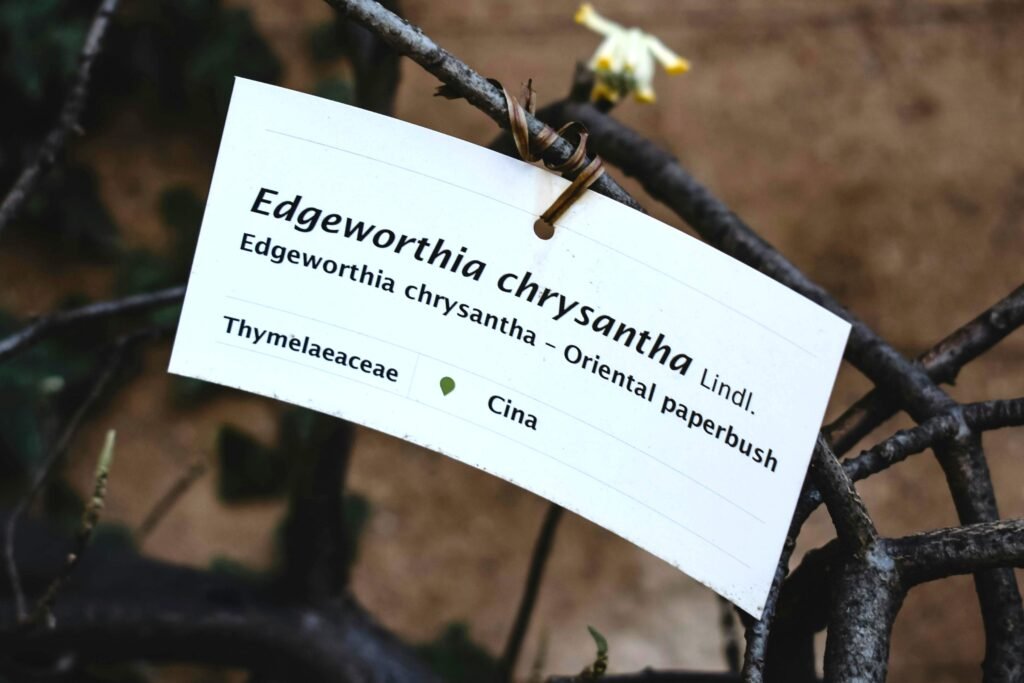
Plant taxonomy is the branch of botany that focuses on identifying, naming, and classifying plants. In simple terms, it is the system scientists use to organize plants into groups based on shared features and relationships. When you hear a scientific plant name like Quercus alba or Zea mays, you are seeing plant taxonomy in action.
If you’ve ever wondered why different plants can share similar names, or why one plant can have dozens of common names depending on where you live, taxonomy is the reason scientists prefer scientific names. Plant taxonomy gives us a common language, so a researcher in Brazil and a farmer in Canada can be sure they are talking about the same plant.
At its core, plant taxonomy answers three basic questions: What is this plant? How is it related to other plants? What should we call it?
Why Plant Taxonomy Matters More Than You Think
You might assume plant taxonomy only matters to scientists in labs, but it affects many parts of everyday life. When crops are developed, medicines are researched, or conservation plans are created, accurate plant classification is essential.
Plant taxonomy helps prevent confusion. Imagine trying to regulate a medicinal plant if no one agrees on which species it is. Accurate naming and classification protect consumers, researchers, and ecosystems. Taxonomy also allows scientists to predict traits. If a newly discovered plant belongs to a known plant family, researchers can make educated guesses about its chemistry, growth habits, or potential uses.
Fun Fact
Over 390,000 plant species have been identified so far, and plant taxonomists are still discovering new ones every year.
A Brief History of Plant Taxonomy
Humans have been classifying plants for thousands of years. Early civilizations grouped plants based on how they were used, such as food plants, medicinal plants, or poisonous plants. These systems were practical but limited.
Modern plant taxonomy began in the 18th century with Carl Linnaeus, a Swedish botanist who introduced a standardized naming system. His work laid the foundation for how plants are classified today. Linnaeus focused on visible traits, especially flowers and reproductive structures, because they tend to be consistent within species.
As science advanced, plant taxonomy evolved. Today, it blends traditional observation with genetic research, allowing scientists to see relationships that are not obvious to the eye.
The Plant Classification System Explained
Plant classification follows a structured hierarchy. Think of it like organizing a massive library. Instead of books, you’re sorting plants. Each level of classification narrows things down, from very broad groups to a single species.
The major ranks in plant taxonomy include kingdom, division (sometimes called phylum), class, order, family, genus, and species. Each level provides more specific information about a plant’s identity.
At the species level, plants are distinct enough that they do not naturally interbreed with others. This hierarchy helps scientists understand how plants evolved and how closely related different species are.
Understanding Plant Taxonomy Hierarchy and Levels
When you hear terms like genus or family, you’re hearing the language of plant taxonomy. The genus groups closely related species, while the family includes multiple genera that share key traits.
For example, tomatoes, potatoes, and eggplants all belong to the same plant family. Knowing this helps scientists understand disease resistance, breeding potential, and growth patterns.
Plant taxonomy levels are not just labels. They reflect evolutionary history, showing how plants branched off from common ancestors over time.
Plant Nomenclature and Scientific Naming of Plants
Plant nomenclature is the system used to name plants scientifically. The most important part of this system is binomial nomenclature, which uses two words to name each species.
The first word is the genus, and the second is the species. Together, they form a unique name recognized worldwide. These names are usually Latin or Latinized, which keeps them consistent across languages.
Scientific naming of plants follows strict international rules. These rules ensure that each plant has only one accepted name and that names change only when strong scientific evidence supports it.
Why Binomial Nomenclature Is So Important
Common plant names are useful, but they can also be confusing. One plant might have ten different common names, while the same name might refer to different plants in different regions.
Binomial nomenclature removes that confusion. When you see a scientific name, you know exactly which plant is being discussed. This is especially important in agriculture, medicine, and environmental science.
It also helps track research. Studies from decades ago remain relevant because the scientific names connect older research with modern discoveries.
Characteristics Used in Plant Taxonomy
Traditional plant taxonomy relies heavily on physical traits. These include leaf shape, flower structure, seed type, stem anatomy, and root systems. Flowers are especially important because they tend to be stable within species.
Modern plant taxonomy also uses genetic information. DNA analysis allows scientists to compare plants at the molecular level, revealing relationships that physical traits alone might hide.
This combination of visible characteristics and genetic data creates a more accurate and reliable plant classification system.

Plant Families and Genera: Making Sense of Groupings
Plant families group plants that share a set of defining traits. Once you learn to recognize a plant family, you can often identify unknown plants more easily.
For example, the grass family includes wheat, rice, corn, and bamboo. Knowing this tells you something about how these plants grow and reproduce.
Genera narrow things further. Species within the same genus are closely related and often look similar, even if they serve very different purposes in human life.
Modern Plant Taxonomy and Plant Systematics
Plant taxonomy today is closely connected to plant systematics. While taxonomy focuses on naming and classification, systematics studies evolutionary relationships over time.
Using DNA sequencing, scientists can trace how plant species diverged from common ancestors. This has led to changes in how some plants are classified. In some cases, plants once thought to be closely related turned out not to be, while others were reclassified based on genetic evidence.
Fun Fact
DNA studies have shown that some plants that look very different are actually close relatives, while others that look similar evolved those traits separately.
Plant Taxonomy vs Systematics: What’s the Difference?
The difference between plant taxonomy and plant systematics can feel subtle, but it matters. Taxonomy answers the question, “What is this plant called, and where does it fit?” Systematics asks, “How did this plant evolve, and how is it related to others?”
In practice, the two fields work together. Modern plant taxonomy depends heavily on systematic research to ensure classifications reflect true evolutionary history.
Types of Plant Classification Systems
There are several approaches to plant classification. Artificial classification systems group plants based on a few visible traits, often for convenience. These systems are simple but not very accurate.
Natural classification systems use many traits to group plants more realistically. Phylogenetic classification goes a step further by focusing on evolutionary relationships.
Most modern plant taxonomy uses phylogenetic classification because it reflects how plants actually evolved over time.
Plant Taxonomy Examples You See Every Day
You encounter plant taxonomy more often than you realize. Grocery store labels, seed packets, scientific studies, and conservation laws all rely on accurate plant classification.
For example, when a plant disease affects a specific species, taxonomy helps scientists predict which related plants might also be vulnerable. Farmers use this information to protect crops and plan rotations.
Plant identification apps and field guides also depend on taxonomy, translating scientific knowledge into tools you can use.
The Role of Plant Taxonomy in Conservation
Plant taxonomy is critical for protecting biodiversity. You can’t protect a species if you don’t know it exists or can’t identify it correctly.
Conservation laws often apply to specific species. Accurate plant classification ensures that endangered plants receive legal protection. It also helps scientists track population changes and identify threats.
In ecosystems, knowing which plants belong together helps ecologists understand how communities function and respond to environmental changes.
Applications in Agriculture and Medicine
In agriculture, plant taxonomy helps breeders develop better crops. By understanding plant relationships, scientists can crossbreed compatible species to improve yield, resistance, or nutrition.
In medicine, many drugs come from plants. Taxonomy helps researchers identify related species that might contain similar beneficial compounds. This speeds up discovery and reduces risk.
These practical applications show that plant taxonomy is not just academic—it has real-world impact.
Challenges in Plant Taxonomy Today
Despite advances, plant taxonomy still faces challenges. Some plant groups are extremely complex, with subtle differences between species. Climate change and habitat loss also make it harder to study plants in their natural environments.
Another challenge is keeping classifications up to date as new genetic information becomes available. This requires international cooperation and constant review.
Still, modern tools and global databases are helping taxonomists work more efficiently than ever before.
The Future of Plant Taxonomy
The future of plant taxonomy is digital and collaborative. Online databases, DNA libraries, and global partnerships are transforming how plants are studied and classified.
As technology improves, plant taxonomy will become even more precise. This will support conservation, agriculture, and education on a global scale.
For you as a reader, this means better information, clearer plant identification tools, and a deeper understanding of the natural world.
The Bottom Line
Plant taxonomy is the backbone of how we understand plant diversity. It gives us a shared language, reveals evolutionary relationships, and supports critical work in science, agriculture, medicine, and conservation. By translating complex biological patterns into an organized system, plant taxonomy helps you see plants not just as individual species, but as part of a living, connected story.
*******************
If you’re curious to learn more, try identifying plants around you using their scientific names, explore a botanical garden with taxonomy in mind, or dive deeper into how plant classification shapes the food and medicine you rely on every day.