





This article is about learning how to recognize, locate, and safely enjoy edible weeds—some of the most overlooked yet nutrient-dense foods growing right under your feet.
“Edible weeds aren’t rare or exotic—they’re everyday plants we’ve simply forgotten how to notice.”– The Economic Botanist
Foraging might sound like something only survivalists or herbalists do, but the truth is much simpler. You don’t need to hike deep into the forest or memorize hundreds of Latin plant names. Many edible weeds are already growing in your backyard, along sidewalks, in parks, and along garden edges.
If you’ve ever pulled up a plant and tossed it aside without a second thought, there’s a good chance you’ve thrown away food—real food, packed with nutrients our bodies still recognize and need. For most of human history, these wild plants weren’t “weeds” at all. They were staples.
Today, interest in foraging edible weeds is coming back, driven by curiosity, sustainability, nutrition, and a desire to reconnect with nature. And if you’re here, chances are you’re feeling that pull too.
Let’s break it all down in a way that’s practical, science-informed, and beginner-friendly—so you can confidently start finding edible weeds and using them in your everyday meals.
- What Are Weeds, Really?
- How Edible Weeds Were Used Long Ago
- Why We Stopped Eating Weeds
- Why Edible Weeds Are Nutritional Powerhouses
- Where to Find Edible Weeds Safely
- Urban Foraging: What You Need to Know
- Beginner Foraging Safety Tips
- The Most Common Edible Weeds (and How to Identify Them)
- How to Start Using Edible Weeds at Home
- The Bottom Line
What Are Weeds, Really?
Before we talk about edible weeds, we need to clear something up: “weed” isn’t a scientific term.
A weed is simply a plant growing where humans don’t want it. That’s it.
From a biological point of view, weeds are incredibly successful plants. They grow fast, adapt easily, tolerate poor soil, survive drought, and bounce back after being cut or trampled. These traits are exactly why farmers often dislike them—they compete with crops for space, water, and nutrients.
But here’s where it gets interesting.
Many weeds are edible, medicinal, or both. Some are more nutrient-dense than the vegetables we intentionally grow. Modern research is beginning to challenge the idea that weeds are useless or harmful, especially when it comes to biodiversity and sustainable agriculture.
In other words, a weed isn’t a bad plant—it’s just a misunderstood one.
How Edible Weeds Were Used Long Ago
Before Grocery Stores Existed
Long before supermarkets, monocrop farming, and packaged food, people relied on the plants growing around them. Wild edible plants were essential for survival, nutrition, and medicine.
What we now call weeds were once everyday foods. In fact, many modern crops—like carrots, oats, and rye—started as wild plants before humans selectively bred them.
Depending on the region, researchers estimate that up to 66% of wild weeds are edible, which gives you an idea of how much potential food is still out there.
Weeds as “Famine Food”
In Europe and other parts of the world, edible weeds were especially important during times of food shortage. When crops failed or supplies ran low, people turned to wild greens for nourishment. This is why some edible weeds earned the nickname “famine food.”
But that label doesn’t mean they were inferior. It simply reflects how essential they were when nothing else was available.
Generations passed down plant knowledge through observation and experience. People knew which plants were safe, when to harvest them, and how to prepare them. That knowledge slowly faded as food systems changed.
Why We Stopped Eating Weeds
Industrial Farming Changed Everything
As cities expanded and agriculture became industrialized, food became easier to buy and store. Farms focused on growing fewer crops in large quantities, and grocery stores replaced foraging as the main food source.
Processed foods followed—convenient, shelf-stable, and heavily marketed. Over time, wild foods were pushed aside, labeled as dirty, dangerous, or unnecessary.
What We Lost Along the Way
While modern food systems brought convenience, they also reduced dietary diversity. Many people now eat the same handful of plants over and over again.
Wild edible plants offer something different:
- Greater nutrient variety
- Unique phytochemicals
- Higher mineral content in some cases
By removing weeds from our diets, we didn’t just lose food—we lost a deeper connection to our environment.
Why Edible Weeds Are Nutritional Powerhouses
Edible weeds are often called wild superfoods, and that’s not just hype.
Because they grow without human intervention, many wild plants develop higher levels of protective compounds like antioxidants and polyphenols. These compounds help plants survive stress—and they can benefit us too.
Some general benefits of edible weeds include:
- High vitamin and mineral content
- Natural fiber for digestion
- Support for metabolic and immune health
- Low environmental impact
They’re not magic cures, but they are real food—nutrient-dense, diverse, and deeply rooted in human history.
Where to Find Edible Weeds Safely
One of the most common questions beginners ask is: Where do I actually find edible weeds?
The short answer: almost everywhere, if you know what to look for.
Common places include:
- Your backyard or garden
- Parks and green spaces
- Field edges and meadows
- Trails and low-traffic urban areas
The key is choosing clean, unsprayed locations.
Urban Foraging: What You Need to Know
Urban foraging has become increasingly popular, especially for people who want to reconnect with nature while living in cities.
That said, urban environments require extra care.
Avoid foraging:
- Near busy roads
- Along railways
- In areas likely treated with herbicides or pesticides
- On private property without permission
Low-traffic areas, community gardens, and untreated green spaces are usually safer options.
Beginner Foraging Safety Tips
If you’re new to foraging edible weeds, these rules are non-negotiable:
- Never eat a plant unless you are 100% certain of its identity
- Use reliable field guides or plant ID apps
- Be cautious of look-alike plants
- Wash all plants thoroughly
- Start with small amounts to see how your body responds
When in doubt, don’t eat it. Confidence comes with time and practice.
The Most Common Edible Weeds (and How to Identify Them)
Dandelion (Taraxacum officinale)
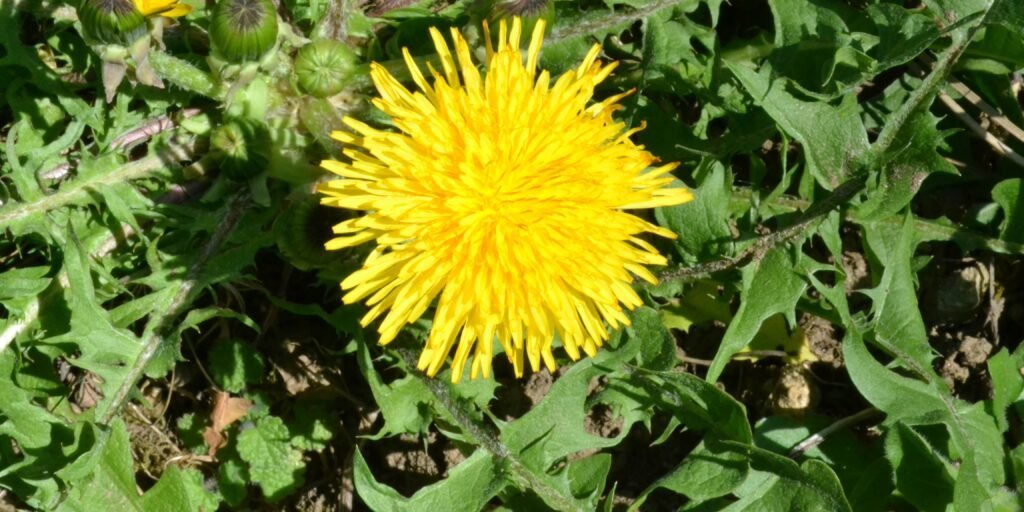
Dandelions are one of the easiest edible weeds for beginners.
Why they’re valuable:
- High in vitamins A and C
- Good source of calcium
- Support digestion and liver function
Fun Fact
Dandelions were deliberately brought to North America by European settlers as a food and medicine plant—not as a weed.
Identification highlights:
- Jagged leaves in a ground-level rosette
- Bright yellow flower
- Hollow stem with white milky sap
- Round seed “puffball” after flowering
Every part of the dandelion is edible, from root to flower.
Nettle (Urtica dioica)
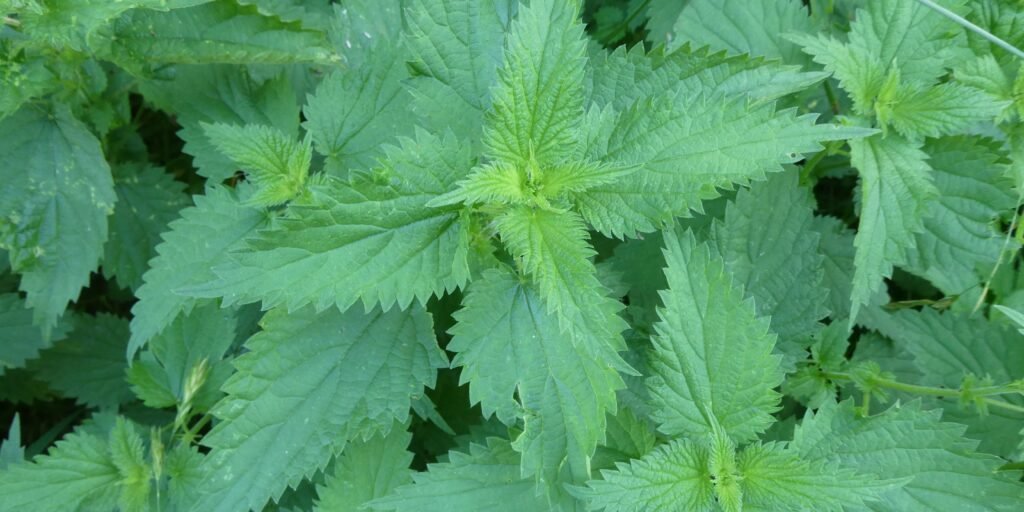
Nettles are incredibly nutritious and widely used in traditional diets.
Why they’re valuable:
- Rich in iron, calcium, and magnesium
- Supports blood health and bone strength
Identification highlights:
- Serrated, heart-shaped leaves
- Fine stinging hairs on leaves and stems
- Tall growth, often in clusters
Cooking or drying neutralizes the sting completely.
Purslane (Portulaca oleracea)
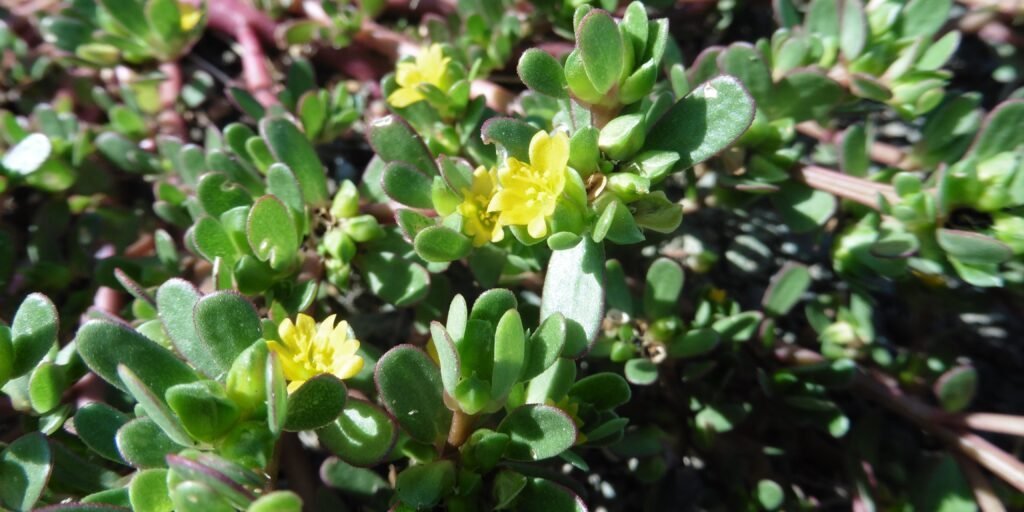
Purslane is one of the best plant-based sources of omega-3 fatty acids.
Why it’s valuable:
- Supports heart health
- High antioxidant content
Fun Fact
Purslane was once so highly valued that Mahatma Gandhi reportedly grew it intentionally for its nutrition.
Identification highlights:
- Low-growing, mat-like spread
- Thick, succulent leaves
- Small yellow flowers
It has a slightly tangy, lemony taste that works well in salads.
Plantain (Plantago major)
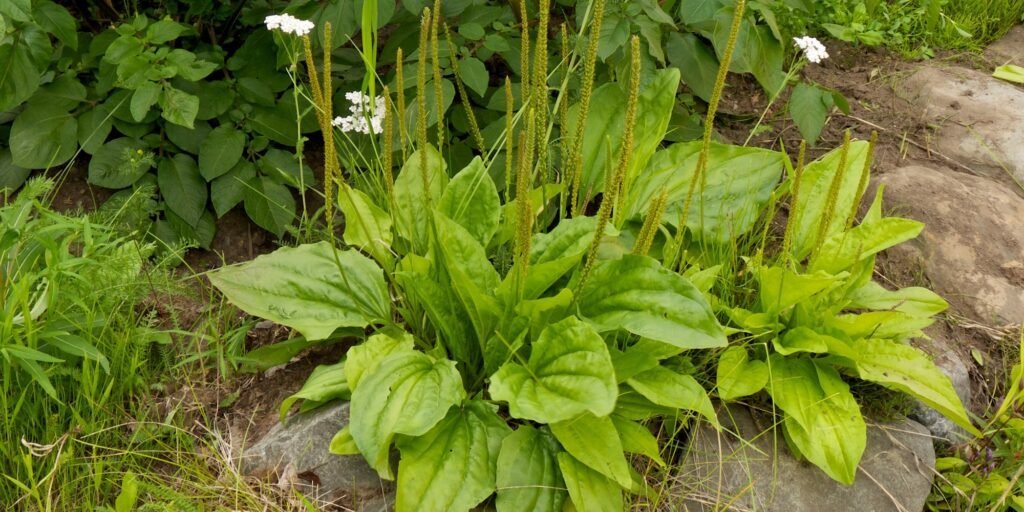
Plantain is common, resilient, and highly nutritious.
Why it’s valuable:
- Rich in vitamins A, C, and K
- High mineral content
- Seeds contain psyllium fiber
Identification highlights:
- Broad leaves in a rosette
- Parallel leaf veins
- Tall flower spikes
Young leaves are best for eating; older leaves work well cooked.
How to Start Using Edible Weeds at Home
You don’t need complicated recipes to enjoy wild edible plants.
Simple ideas include:
- Adding young greens to salads
- Mixing cooked weeds into soups or stews
- Blending mild greens into smoothies
- Brewing teas from dried leaves or flowers
Start small. Treat edible weeds like strong-flavored greens rather than main ingredients at first.
The Bottom Line
Edible weeds are not a trend—they’re a rediscovery.
These wild plants supported humans for thousands of years, and they still have a place on our plates today. Learning where to find edible weeds and how to use them safely gives you access to free, nutrient-dense food while deepening your connection to the land around you.
You don’t need to overhaul your diet or become an expert overnight. You just need curiosity, caution, and a willingness to look at familiar plants in a new way.
Sometimes, the most powerful foods are the ones we’ve been stepping over all along.
*******************
If this guide inspired you, your next step is simple: go outside and observe. Notice what’s growing around you. Look it up. Learn one plant at a time. And if you’ve already tried foraging edible weeds, share your experience. What did you find? What did you cook? Your story might help someone else take their first step.