

Stinging nettle is one of those superstars that combines botanical intrigue, historical significance, culinary versatility, nutritional punch, and ecological benefit. Yet, it remains naturally accessible—you can grow it, forage it, cook it, heal with it, and even leave it be to enrich your garden ecosystem.
In this Plant Compendium entry, you’ll get the full picture: from what stinging nettle is, to how to grow, harvest, cook, and benefit from it. Plus, we’ll chat about safety, environmental impact, and more. I’ll keep it casual—like we’re sitting in a green-gloved garden chat—but you’ll still walk away feeling like a plant-savvy pro.
History of Stinging Nettle
Stinging nettle has been wowing humans for centuries. Ancient Egyptians used nettle fibers for textiles. Greek and Roman naturalists praised its medicinal value—Pliny the Elder wrote about using it for joint pain. Through the Middle Ages, nettles were boiled into broths for nutritional support. Native Americans also integrated it into their remedy systems. Basically, this plant has been part of human life for a long, long time—used for everything from cloth to cure-all decoctions.
Botanical Description
Scientific name: Urtica dioica L.
Family: Urticaceae
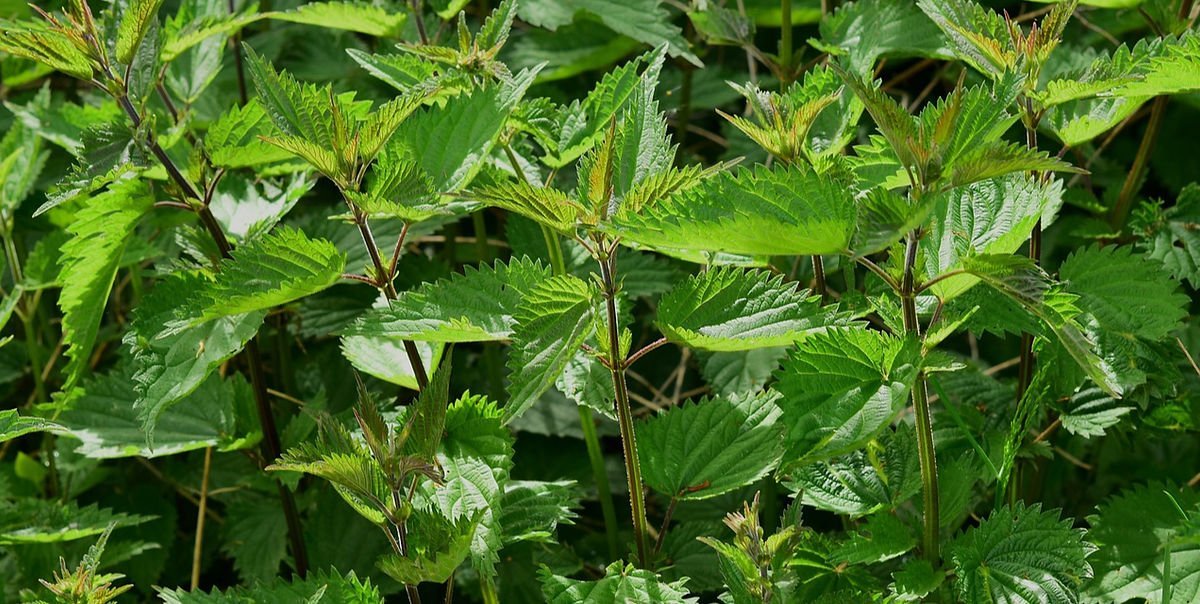
Stinging nettle is a herbaceous perennial flowering plant known for its sharp hairs containing histamine and formic acid, it can cause a temporary stinging sensation upon contact. Here’s a breakdown of its botanical parts:
Roots: Nettles have deep, fibrous roots that form an extensive underground network called rhizomes. These rhizomes help it spread aggressively—something gardeners should keep an eye on.
Stems: The stems stand upright, reaching 1–2 meters tall. They’re square or slightly ridged and covered in stinging hairs (called trichomes). These hairs are the defense that causes the famous sting.
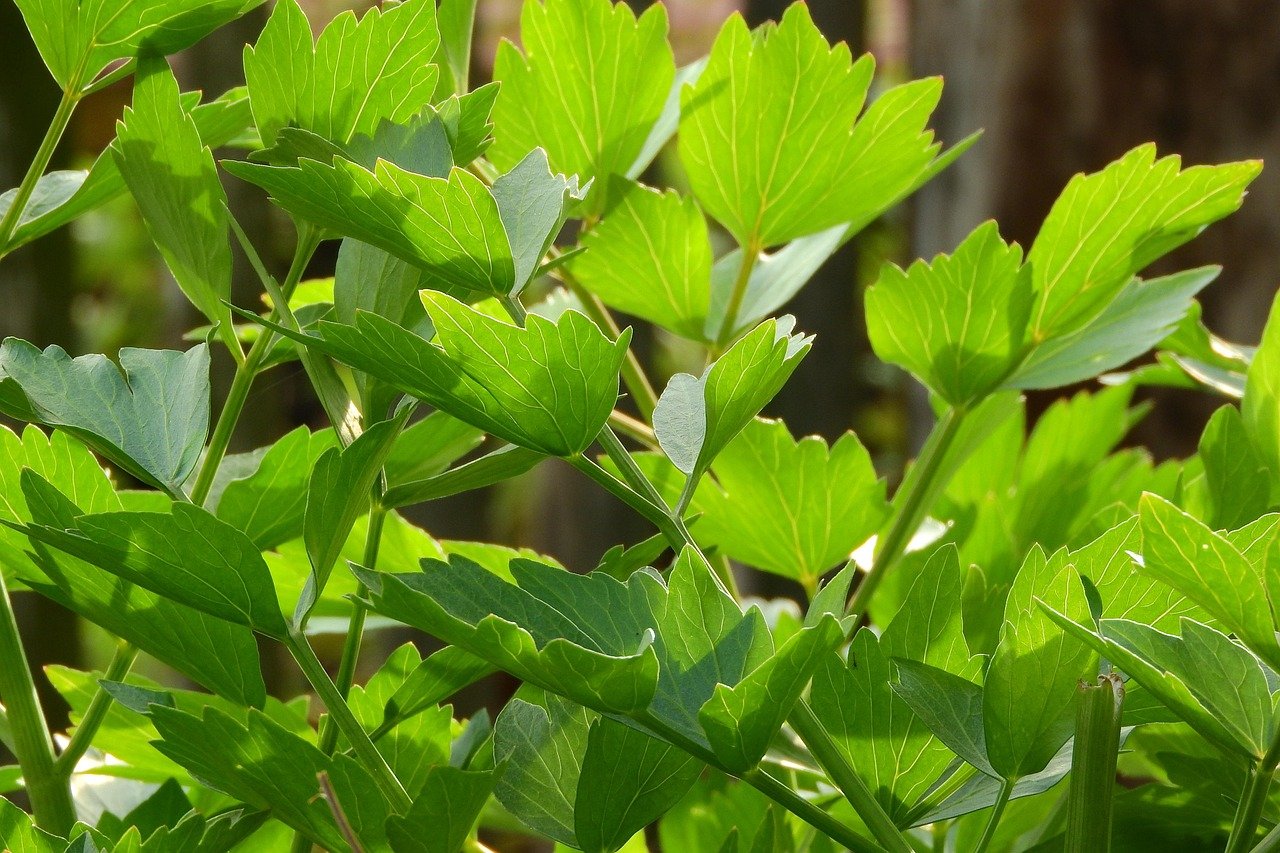
Leaves: Leaves are dark green, opposite, and ovate-to-lanceolate. They have serrated edges and a rough texture—almost sandpaper-like. Each leaf also contains stinging hairs on both surfaces.
Flowers: Nettle flowers are tiny and greenish-white. They form dense hanging clusters called panicles from the leaf axils. Not flashy, but effective at producing pollen and seeds.
Fruits: After flowering, nettles produce little nutlets, which are clusters of tiny fruits. They’re not pulpy or juicy—more like dry pods that carry seeds.
Seeds: The seeds are tiny, ovoid nutlets. They mature later in the season and are typically light brown. Functionally, they’re not easy to handle—but they’re prolific.
Growing Instructions
Here’s everything you need to know to get stinging nettle off to a great start:
Sunlight: Stinging nettle thrives in partial to full shade, though it can tolerate sun if moisture is plenty.
Soil: It prefers moist, nitrogen-rich soil with good organic matter. Think compost-amended, loamy dirt with pH ~6.5–7.0.
Temperature: Hardy across many climates—USDA Zones 3–9. It can handle frost and mild heat, just needs water in summer.
Watering: Keep it consistently moist but not waterlogged. Nettles hate drought—if the soil dries out, growth slows fast.
Spacing: Plant 12–18 inches apart, as they grow in clumps. Crowding can slow them down but can also provide ground-level shade.
Pruning: Trim off dead growth and flower heads once seeds form to prevent aggressive spreading. Wear gloves, of course!
Support: No support needed—these stand pretty upright on their own. But pruning helps avoid floppiness.
Life Cycle: Stinging nettle follows a typical life cycle consisting of:
Germination: Seeds germinate in early spring when soil warms. Cover lightly with soil; keep moist.
Vegetative Growth: Rapid leaf and stem growth throughout spring. That’s when you can harvest for cooking.
Flowering: Mid- to late-summer sees panicles of tiny green flowers emerge.
Fruit Set: Seeds form in late summer. This is when the plant invests in reproduction.
End of Season: In fall, foliage wilts and the plant goes dormant. Above-ground parts die back, while roots survive underground.
Harvesting and Foraging
Harvesting
When to harvest: In spring, when new shoots are 6–10 inches tall.
Where to cut: Snip the top 4–6 inches of stems and leaves.
Tools: Use scissors or pruning shears—wear gloves to avoid the sting!
Yield: A single plant can yield several harvests if you pinch it back now and then.
Foraging
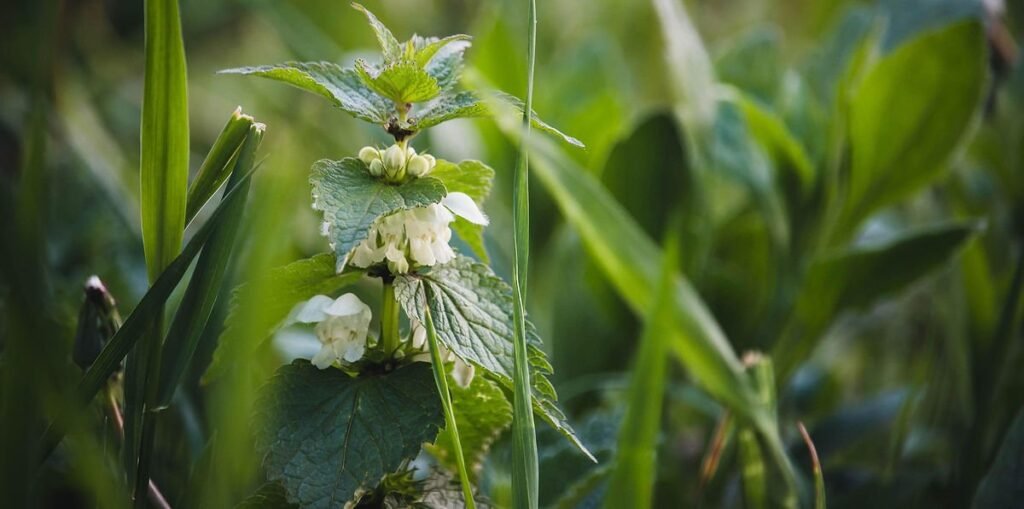
Know your plants: Pair with look-alikes like wood nettle (Urtica dioica var. gracilis) or false nettle—none sting though.
Location matters: Harvest from clean sites—away from busy roads, pesticides, or livestock.
Harvest responsibly: Take only up to one-third of a wild colony to avoid depletion.
Timing tip: Forage early in spring before flowering—you’ll get more tender shoots.
Plant Companions
Nettles make great companions in the garden:
Tomatoes: Benefit from the nitrogen nettles add to the soil.
Fruit Trees: Nettles near apples or plums attract beneficial predatory insects.
Herbs like basil or parsley: These thrive nearby, boosted by nitrogen-rich soil.
Avoid: Don’t plant next to plants that hate root competition—like carrots.
Common Pests and Diseases
Stinging nettle is pretty resilient but can face:
Aphids: Can sap vigor. Blast with water or use insecticidal soap.
Rust fungus: Causes orange or brown spots. Bag infected leaves and dispose.
Slugs: Can nibble on tender shoots. Use traps or organic slug pellets.
Caterpillars: A few chomps here and there. Hand-pick or leave for birds.
Shopping Tips
Looking to buy nettle plants or seeds? Here’s what to look for:
Seeds: Choose reputable suppliers offering Urtica dioica seeds, preferably organic or heirloom and with high germination rate mentioned.
Plants: If buying seedlings, pick healthy, pest-free young plants with robust leaves.
Nursery types: Wider nurseries and local farmers’ markets may have live plants in spring—ask about their growing conditions.
Don’t buy: Genetic hybrids or ornamental cultivars—your goal is the practical, wild-type stinging nettle.
Storage
Once you’ve harvested:
Fresh greens: Store in the fridge wrapped in damp paper towels or in a sealed bag—lasts 5–7 days.
Blanch and freeze: Blanch leaves for 1 minute then freeze flat in bags—good for months.
Drying: Hang small bunches upside down in a dark, airy spot. Store dried leaves in airtight jars away from heat/light.
Making powders: Once fully dry, grind leaves to powder—great for soups and smoothies.
Culinary Uses
This is where it gets delicious! Stinging nettle shines in the kitchen—especially for you, someone hunting plant-based culinary inspiration.
What makes nettle so great
- Flavor: Earthy, mild spinach-like taste with a herbal kick.
- Texture: When cooked or blanched, leaves soften into silky greens.
- Nutrition: Packed with vitamins A, C, K, iron, calcium, potassium, and protein.
Preparation steps
- Always cook or blanch—this deactivates the sting-causing chemicals. Gloves save the fingers.
- Blanchin boiling water for 1–2 minutes, then rinse in cold water.
- Squeeze dry leaves before using in recipes.
Mouth-watering recipes
Nettle Soup
Nettle Pesto
- Swap basil for blanched nettles in your favorite pesto recipe: garlic, pine nuts/walnuts, Parmesan, olive oil, salt/pepper. Serve over pasta, fish, or bread.
Nettle Spanakopita-style Pie
- Use blanched nettles instead of spinach in a classic Greek spinach pie—with feta cheese, eggs, phyllo crust. Deeply flavorful!
Nettle Risotto
- Stir chopped nettles into a cooked risotto near the end. Add Parmesan and lemon zest for a bright finishing touch.
Nettle Tea/Infusion
- Steep 1 tsp dried leaves per cup of hot water for 5–10 minutes. Strain and enjoy plain or sweetened with honey.
Nettle Smoothies
- Blanch fresh leaves, cool, then blend with banana, yogurt, berries, and honey for a green, nutrient-packed smoothie.
Cooking tips
- Use gloves to avoid stings until leaves are cooked.
- Blending nettles into creamy dishes lets you get flavor and nutrition.
- Combine nettles with lemon, garlic, Parmesan—these flavors complement it beautifully.
Health Benefits
You asked for detail—so here it is, well-researched and explained like a friendly science translation:
- Anti-inflammatory: Nettle contains compounds like flavonoids and phenolic acids that reduce inflammation. Studies suggest it can ease joint pain and arthritis symptoms.
- Allergy relief: It may help with seasonal allergies (hay fever) by acting like a natural antihistamine—some people drink nettle tea for symptom relief.
- Rich nutrients: High in vitamins A, C, K, B, plus minerals like iron, calcium, magnesium, and potassium. Just one cup of cooked nettle can deliver up to 85% of your daily vitamin A.
- Blood sugar control: Emerging studies show nettle leaf extract may help stabilize blood sugar levels—great news for people managing diabetes.
- Fans for prostate health: Nettle root is commonly used in supplements aimed at relieving benign prostatic hyperplasia (BPH). Research indicates it may support prostate function—though results vary.
- Blood pressure: Some evidence suggests nettle’s natural diuretic effect could help modestly lower blood pressure.
- Skin and hair: Nettle extracts are included in shampoos and creams. Traditionally, it’s thought to aid eczema, dandruff, and promote scalp circulation—but more clinical research is needed.
Toxicity and Safety
We’ve talked about the sting—now let’s get real about safety:
- Stinging hairs contain histamine, formic acid, acetylcholine, serotonin. They cause redness, swelling, itching.
- Prevent stings by wearing gloves and covering your arms.
- Blanching or cooking destroys the stinging chemicals—no risk afterward.
- Some people may experience mild GI upset if overeating nettle.
- If you have medical conditions or take medications—especially blood thinners, blood pressure drugs, or diuretics—talk to a doctor. Nettle could interfere with those.
- Pregnancy/lactation safety: generally safe in food amounts, but medicinal doses should be discussed with a health professional.
Environmental Impact
Stinging nettles aren’t just for you—they play a meaningful role in nature:
- Biodiversity booster: Attract predator insects like ladybugs and lacewings (which eat pests), and serve as larval food for butterflies like the peacock and red admiral.
- Soil improver: Their deep roots break up soil and draw nutrients to the surface.
- Supports ecosystem: Nettles provide habitat and food in woodlands, hedgerows, and wetlands.
- Invasive risk: In some areas, nettles spread aggressively and can crowd out native plants. Manage responsibly.