


The article is about how an ancient tree’s bark became one of the world’s oldest textiles and how that tradition is still alive today.
“Cloth can tell a story, but bark cloth tells the story of a people and their land.” – The Economic Botanist
Bark cloth might not be something you see every day in your closet, but it carries a story that spans centuries, continents, and cultures. Unlike cotton or synthetic fabrics, bark cloth comes directly from the inner bark of specific trees, mainly the Mutuba tree in Uganda. When you touch it, you’re literally connecting with a craft that predates modern weaving and industrial textiles.
But bark cloth isn’t just ancient history; it’s a living tradition that blends sustainability, art, and cultural identity. In this article, we’ll explore its origin, the step-by-step process of how bark cloth is made, its cultural significance, and why it matters in today’s world of sustainable fabrics.
- Bark Cloth Origin: How It All Began
- What Tree Is Used to Make Bark Cloth?
- How Bark Cloth Is Made: Step-by-Step Process
- Cultural Significance of Bark Cloth
- Uses of Bark Cloth: Then and Now
- Bark Cloth and Sustainable Fashion
- Challenges and Revival of Bark Cloth Craftsmanship
- Frequently Asked Questions About Bark Cloth
- The Bottom Line
Bark Cloth Origin: How It All Began
When you think of fabric, you probably imagine cotton fields, wooly sheep, or silk worms. Bark cloth, however, takes a completely different route. It originates from Central and East Africa, with the most famous tradition rooted in Uganda, particularly within the Buganda Kingdom. Historical records and oral traditions suggest that bark cloth was first produced thousands of years ago, long before woven fabrics became widespread.
Bark cloth was more than just clothing. It was a symbol of status, power, and spiritual significance. Kings and chiefs wore it during coronations and ceremonial events, while ordinary people used it for everyday clothing, bedding, and even burial shrouds. In many ways, the fabric functioned as a social marker.
While Uganda is the epicenter of bark cloth production today, similar fabrics exist elsewhere. In the Pacific Islands, for instance, tapa cloth shares many characteristics with African bark cloth. Both are made from tree bark and beaten into a thin, flexible fabric. However, the styles, designs, and cultural uses differ, reflecting local traditions. If you ever wonder about the difference between tapa cloth vs bark cloth, think of them as cousins: same family, different neighborhoods.
Fun Fact
The Buganda Kingdom considers bark cloth a sacred material, and some pieces are still made exclusively for ceremonial purposes, never to be sold.
What Tree Is Used to Make Bark Cloth?
You might be wondering: what tree can produce actual cloth? The answer is primarily the Mutuba tree, also known scientifically as Ficus natalensis Hochst.. This tree is native to Uganda and parts of East Africa. Its inner bark is soft, fibrous, and perfect for creating a durable, flexible fabric. The process is sustainable because the tree can regenerate its bark every year, meaning artisans don’t have to cut down the whole tree.
Harvesting the bark is done carefully to avoid damaging the tree. The outer bark is stripped away, revealing the inner bark, which is then softened, beaten, and stretched. Other trees can be used in different regions, but the Mutuba tree remains the gold standard for quality bark cloth.
Fun Fact
The inner bark of the Mutuba tree is not only used for cloth—it has also been used historically in traditional medicine to treat wounds and digestive issues.
How Bark Cloth Is Made: Step-by-Step Process
If you’ve never seen bark cloth being made, it’s easy to underestimate the skill, patience, and artistry involved. The process is hands-on, rhythmic, and often takes several days to complete. Let’s break it down:
Harvesting the Bark
Artisans usually harvest bark during the rainy season when the tree’s fibers are soft and pliable. They strip the outer bark carefully, making sure to leave enough for the tree to regenerate. Timing and technique are crucial—too early or too rough, and the fibers won’t produce quality fabric.
Soaking and Softening
Once harvested, the bark is soaked in water to soften the fibers. This process makes the bark more pliable and easier to work with. Depending on the thickness of the bark and the desired final texture, soaking can take several hours or even overnight.
Beating and Stretching
Here’s where the magic happens. The softened bark is laid on a hard surface and beaten with wooden mallets. Artisans use rhythmic, precise movements to stretch the fibers evenly. This process turns the bark from stiff sheets into soft, flexible cloth. The thickness can be adjusted depending on the intended use—thinner for clothing, thicker for ceremonial purposes.
Drying and Finishing
After beating, the cloth is left to dry naturally. Some artisans smoke the cloth over a fire to strengthen it and give it a unique aroma. At this stage, natural dyes or decorative patterns can be applied. The final product is a durable, flexible fabric that feels nothing like the rough bark it came from.
This traditional bark cloth production technique has survived for centuries, passed down through generations. When you wear or use bark cloth, you’re literally connecting with an ancient craft that’s as much about culture as it is about function.
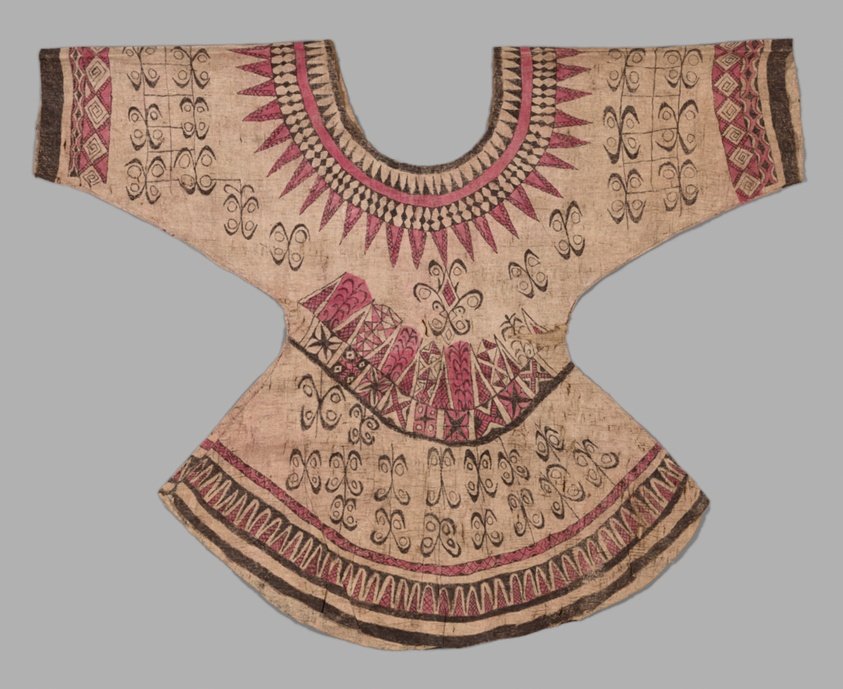
Textile Collection via the Institute of Chicago
Cultural Significance of Bark Cloth
Bark cloth isn’t just a material—it’s a cultural symbol. In Uganda, it’s woven into the social, spiritual, and ceremonial fabric of life. The cloth plays a role in rituals, burial ceremonies, and even marriages. For instance, certain bark cloth pieces are reserved exclusively for kings and chiefs, symbolizing authority and social rank.
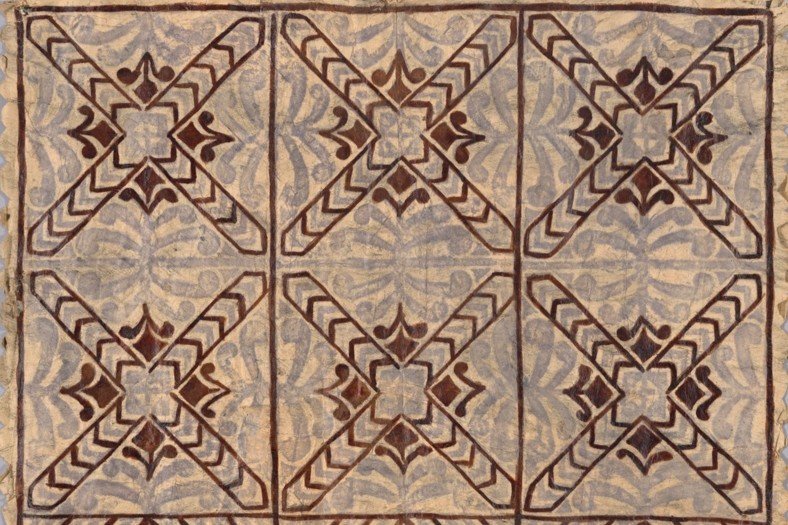
Bark cloth also carries stories. Each pattern, texture, and thickness can represent different meanings—heritage, status, or spiritual beliefs. These symbolic aspects make it more than just a textile; it’s a living piece of cultural heritage.
In 2008, UNESCO recognized the traditional bark cloth-making practice in Uganda as part of the Intangible Cultural Heritage of Humanity. This recognition not only protects the craft but also highlights its importance in global culture.
Uses of Bark Cloth: Then and Now
Historically, bark cloth had multiple practical uses. People wore it as clothing, used it for bedding, and even employed it as burial wraps. In the Buganda Kingdom, the fabric was a mark of prestige, and the finest pieces were often reserved for royalty.
Today, bark cloth is experiencing a revival. Designers and artisans are incorporating it into contemporary fashion, home décor, and wall art. You can find bark cloth in eco-friendly fashion lines, unique upholstery, and even artisanal accessories. Its durability, natural texture, and sustainable origin make it an appealing alternative to cotton or synthetic fabrics.
Fun Fact: Some modern bark cloth artists combine traditional beating techniques with natural dyes to create bold, contemporary designs that sell internationally.
Bark Cloth and Sustainable Fashion
If you care about sustainability, bark cloth might just become your new favorite fabric. Unlike cotton, which consumes enormous amounts of water, or synthetics that rely on petroleum, bark cloth is made entirely from renewable tree bark. Harvesting it doesn’t harm the tree, and the final fabric is completely biodegradable.
Slow fashion enthusiasts are increasingly drawn to bark cloth because it’s handmade, unique, and environmentally friendly. Every piece tells a story, and wearing it supports a centuries-old tradition while also encouraging sustainable production methods. If you’re exploring organic textile alternatives or natural fiber textiles, bark cloth is a perfect fit.
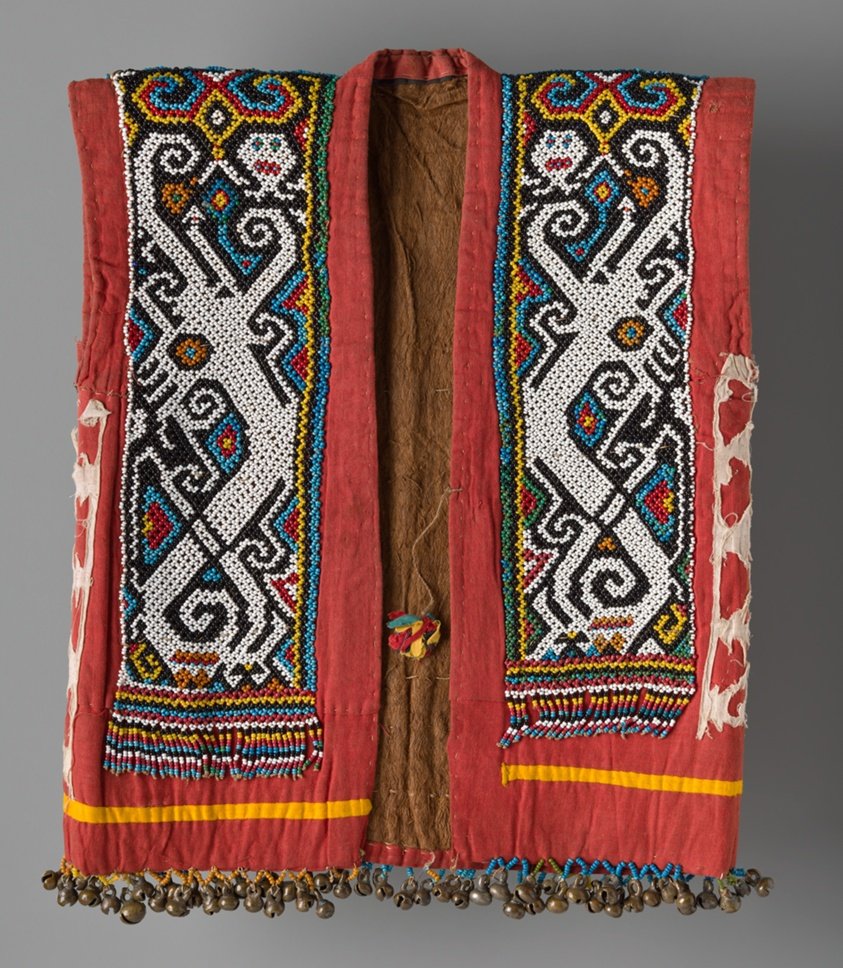
cloth appliquéd with plain-weave cottons and glass bead panels; metal bells
(E. M. Bakwin Indonesian Textile Collection via Institute of Chicago
Challenges and Revival of Bark Cloth Craftsmanship
Despite its historical importance and eco-friendly benefits, bark cloth faces challenges. Industrial textiles, globalization, and urbanization have reduced the number of artisans practicing the craft. Younger generations sometimes move away from traditional production methods, threatening the survival of this ancient knowledge.
However, efforts to revive bark cloth craftsmanship are gaining momentum. Cultural tourism, artisan cooperatives, and fashion brands are helping keep the tradition alive. In Uganda, for example, local communities are being trained in sustainable harvesting and modern applications for bark cloth. This revival not only preserves culture but also provides economic opportunities for artisans.
By buying authentic bark cloth products, you’re supporting these communities and helping ensure that this craft continues for future generations.
Frequently Asked Questions About Bark Cloth
What is bark cloth made from?
Bark cloth is made from the inner bark of specific trees, primarily the Mutuba tree in Uganda. The bark is harvested carefully, softened, beaten, and stretched into flexible fabric.
Is bark cloth sustainable?
Yes. Harvesting the inner bark does not kill the tree, and the cloth is biodegradable. It’s considered one of the most eco-friendly textiles available.
Where does bark cloth originate?
Bark cloth is most famously associated with Uganda, but similar fabrics have been made in other parts of Africa and the Pacific Islands for centuries.
What is the Mutuba tree?
The Mutuba tree, or Ficus natalensis, is a type of fig tree whose inner bark is used to make bark cloth. It regenerates its bark annually, making it sustainable.
Is bark cloth still made today?
Yes, especially in Uganda. Artisans continue to use traditional methods, and contemporary designers are finding new ways to incorporate it into fashion and décor.
How long does it take to make bark cloth?
The entire process—from harvesting to finishing—can take several days, depending on the size, thickness, and intended use of the fabric.
The Bottom Line
Bark cloth is more than just a fabric—it’s a living connection to history, culture, and sustainability. From the Mutuba tree in Uganda to ceremonial uses in the Buganda Kingdom, it carries centuries of tradition in every fiber. Today, it offers a unique, eco-friendly alternative for modern fashion and home décor. By supporting bark cloth artisans, you help preserve a craft that has endured for generations while embracing sustainability in a meaningful way.
********************
Explore the world of bark cloth, support local artisans, and add a piece of history to your life through sustainable fashion.