





The article is about how plants can naturally boost your skin and hair health with their amazing active ingredients.
“Nature’s touch on your skin and hair isn’t just beauty—it’s science wrapped in green leaves.” – The Economic Botanist
When it comes to taking care of our skin and hair, the options can feel endless. You might stroll through aisles of lotions, serums, shampoos, and conditioners, all promising miracles. But have you ever thought about going straight to the source? Plants have been at the heart of beauty routines for centuries, and for a good reason. They pack natural compounds that soothe, heal, and strengthen in ways modern chemistry is still catching up with.
The best part? You don’t need a lab coat to understand how they work. By learning a few key plants and their active ingredients, you can make smarter choices for your skin and hair, whether you’re crafting your own products or selecting commercial ones. In this guide, we’ll explore 11 of the top natural plants for skin and hair, break down what makes them effective, and show you how to include them in your routine.
Why Plant-Based Ingredients Work Wonders for Skin and Hair
Plant-based skincare and hair care aren’t just trendy buzzwords. They’re backed by science. Plants contain active compounds like antioxidants, vitamins, fatty acids, and enzymes that interact with your skin and hair naturally. Unlike some harsh chemicals, these compounds often work in harmony with your body, reducing irritation and supporting long-term health.
For example, antioxidants in green tea and rosehip help protect your skin from free radicals, the tiny troublemakers that can cause aging. Fatty acids in oils like argan and jojoba strengthen hair strands from root to tip, making them more resilient. And anti-inflammatory compounds in chamomile and calendula calm redness and irritation while you sleep.
Top Plants for Skin Care
Aloe Vera (Aloe vera (L.) Burm.)
Key Active Component: Polysaccharides
Action: Hydration, soothing, healing
Aloe vera is the poster child for natural skincare. It’s packed with polysaccharides that trap moisture in your skin, making it one of the best natural moisturizers. It also contains enzymes that help reduce inflammation and accelerate healing, which is why it’s so effective on sunburns, minor cuts, and irritated skin.
Fun Fact
Research shows that aloe vera contains over 75 active compounds, including vitamins, minerals, and enzymes, that directly support skin hydration and healing.
Chamomile (Matricaria chamomilla L.)
Key Active Component: Apigenin
Action: Anti-inflammatory, calming
Chamomile is gentle yet powerful. Apigenin, a flavonoid in chamomile, calms irritation and redness, making it perfect for sensitive skin. You’ll often see chamomile in cleansers, toners, and creams for people with eczema or rosacea.
Green Tea (Camellia sinensis (L.) Kuntze)
Key Active Component: Catechins
Action: Anti-aging, antioxidant
Green tea isn’t just for your morning cup. Its catechins fight free radicals, reducing oxidative stress that leads to wrinkles and dull skin. Regular use in skincare products can improve elasticity and give your skin a natural glow.
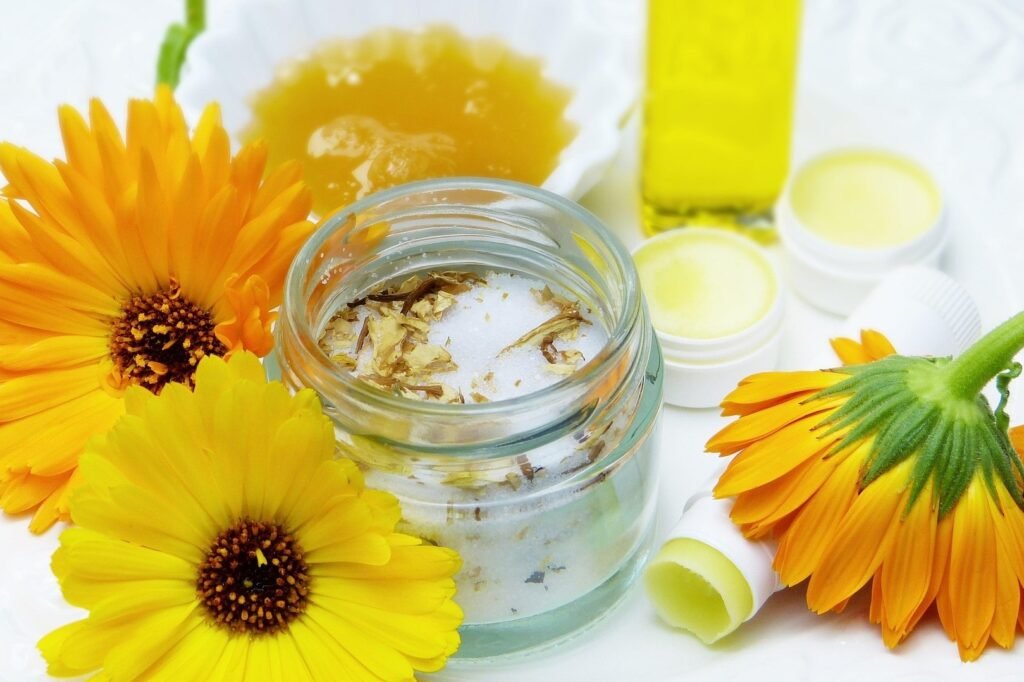
Calendula (Calendula officinalis L.)
Key Active Component: Triterpenoids
Action: Wound healing, anti-inflammatory
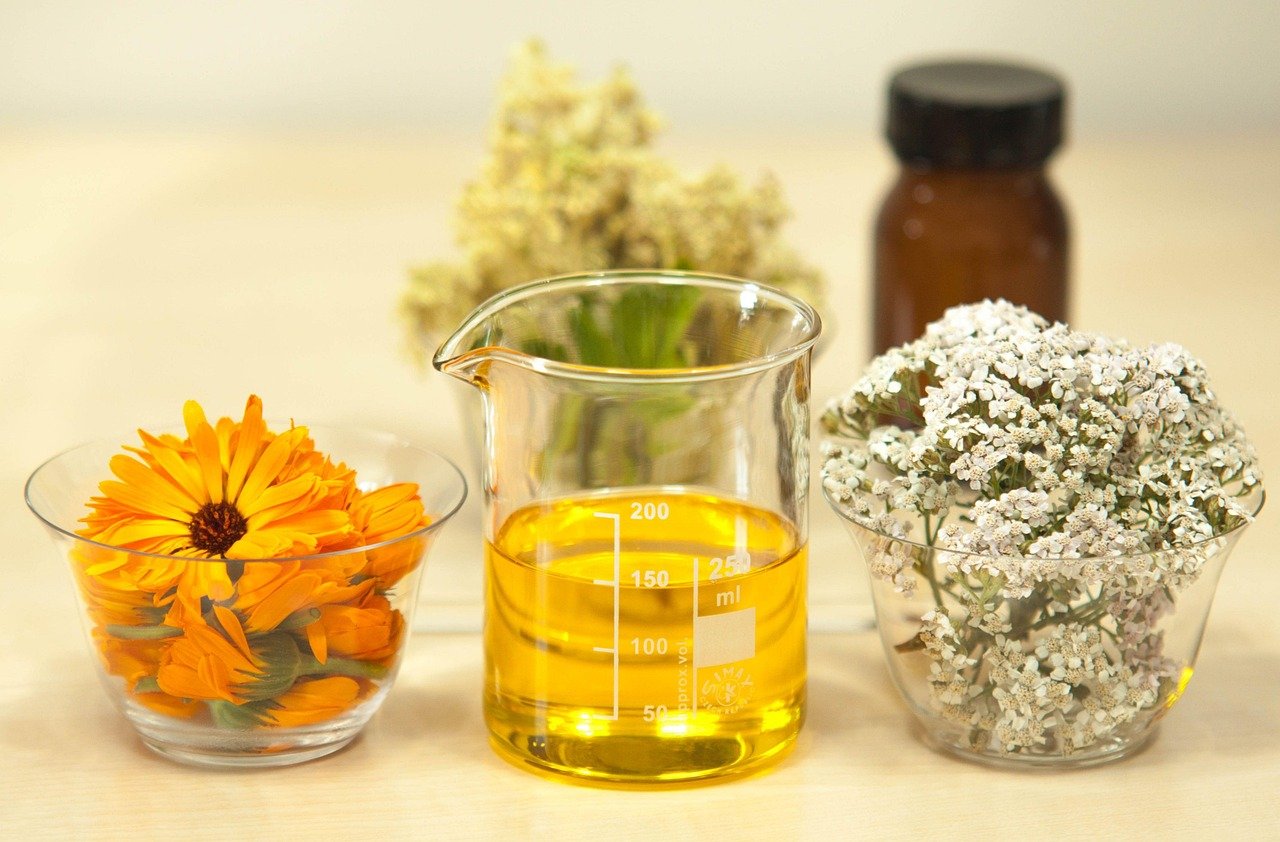
Calendula has been used for centuries for its soothing properties. Its triterpenoids promote healing of minor cuts, burns, and skin irritations. If your skin tends to flare up or scar easily, calendula-infused creams are a must-have.
Rosehip (Rosa spp.)
Key Active Component: Vitamin C
Action: Brightening, regenerative
Rosehip oil is rich in vitamin C and essential fatty acids. It helps regenerate skin tissue, fade scars, and brighten complexion. This plant-based oil is perfect for night routines because it promotes repair while you sleep.
Lavender (Lavandula spp.)
Key Active Component: Linalool
Action: Soothing, calming
Lavender is known for its calming scent, but linalool also works on the skin. It soothes irritation, reduces redness, and promotes overall skin health. Adding lavender oil to your moisturizer can be a relaxing and effective step in your skincare routine.
Other plants to consider for skincare include witch hazel (astringent), turmeric (anti-inflammatory), gotu kola (collagen booster), and licorice root (brightening).
Top Plants for Hair Care
Argan Oil (Argania spinosa (L.) Skeels)
Key Active Component: Vitamin E
Action: Moisturizing, strengthening
Argan oil is a classic for a reason. Rich in vitamin E and fatty acids, it penetrates hair shafts to provide moisture and reduce breakage. It’s especially great for dry, frizzy, or chemically treated hair.
Jojoba Oil (Simmondsia chinensis C.K.Schneid)
Key Active Component: Wax esters
Action: Scalp hydration, hair softening
Jojoba closely mimics the scalp’s natural oils, making it excellent for balancing sebum production. Regular use can help prevent dryness and flakiness while keeping hair soft and shiny.
Rosemary (Salvia rosmarinus Spenn.)
Key Active Component: Carnosic acid
Action: Hair growth, anti-hair loss
Rosemary is a potent plant for hair care. Its carnosic acid stimulates blood flow to the scalp, supporting stronger, healthier hair growth. It’s often used in shampoos or as a scalp massage oil.
Fun Fact
Rosemary isn’t just a flavorful herb for cooking. Its carnosic acid has been shown in studies to stimulate hair follicles and improve scalp circulation.
Hibiscus (Hibiscus rosa-sinensis L.)
Key Active Component: Anthocyanins
Action: Strengthening, shine
Hibiscus strengthens hair and adds natural shine. The anthocyanins in the petals help maintain color and protect hair from environmental damage. You can make simple hibiscus hair masks at home for a natural boost.
Peppermint (Mentha × piperita L.)
Key Active Component: Menthol
Action: Stimulates circulation, hair growth
Peppermint oil creates a cooling sensation while boosting blood flow to hair follicles. It’s a natural way to invigorate the scalp and encourage growth.
Other herbs for hair health include nettle (strengthening), ginseng (stimulates growth), bhringraj (Ayurvedic hair tonic), and coconut oil (deep moisturizing).
How to Use These Plants in Daily Routines
The beauty of plant-based skincare and hair care is its flexibility. You can use products that already contain these botanicals or create simple DIY remedies at home.
For skin:
- Mix aloe vera gel with a few drops of rosehip oil for a hydrating night serum.
- Use chamomile tea as a gentle facial rinse to calm redness.
- Try green tea-infused masks for anti-aging effects.
For hair:
- Massage rosemary or peppermint oil into the scalp before shampooing.
- Mix hibiscus powder with water or coconut oil to create a strengthening mask.
- Apply argan or jojoba oil to hair ends to prevent dryness and split ends.
Always patch-test new products, especially if you have sensitive skin, to avoid allergic reactions.
Easy-to-Follow Table: Plants, Active Components, and Actions
| Plant Name | Key Active Component | Action |
|---|---|---|
| Aloe Vera | Polysaccharides / Proteolytic enzymes | Hydration, soothing, scalp repair |
| Chamomile | Apigenin / Bisabolol | Anti-inflammatory, calming, hair soothing |
| Green Tea | Catechins | Antioxidant, anti-aging |
| Calendula | Triterpenoids | Wound healing, anti-inflammatory |
| Rosehip | Vitamin C | Brightening, regenerative |
| Neem | Nimbidin | Acne-fighting, antibacterial |
| Lavender | Linalool | Soothing, calming |
| Argan Oil | Vitamin E | Moisturizing, strengthening |
| Jojoba Oil | Wax esters | Scalp hydration, hair softening |
| Rosemary | Carnosic acid | Hair growth, anti-hair loss |
| Hibiscus | Anthocyanins | Strengthening, shine |
| Peppermint | Menthol | Stimulates circulation, hair growth |
| Witch Hazel | Tannins | Astringent, tightens skin |
| Turmeric | Curcumin | Anti-inflammatory, brightening |
| Gotu Kola | Asiaticoside | Collagen boosting, healing |
| Licorice Root | Glabridin | Brightening, soothing |
| Nettle | Silica | Strengthening, hair growth |
| Ginseng | Ginsenosides | Stimulates hair follicles |
| Bhringraj | Ecliptine | Promotes hair growth |
| Coconut Oil | Lauric acid | Deep moisturizing, hair protection |
| Aloe Ferox | Acemannan | Skin hydration, healing |
| Calendula Oil | Flavonoids | Anti-inflammatory, skin repair |
| Baobab Oil | Omega fatty acids | Moisturizing, skin elasticity |
| Aronia Berry | Polyphenols | Anti-aging, antioxidant |
| Sea Buckthorn | Vitamin E, C | Repair, brightening |
The Bottom Line
Plant-based skincare and hair care offer a natural, effective way to support your beauty routine. By understanding the active components in each plant, you can make smarter choices, whether you’re crafting your own remedies or picking commercial products. Plants like aloe vera, chamomile, rosehip, argan oil, and rosemary provide targeted benefits for both skin and hair, backed by science yet accessible for everyday use.
Start small, experiment safely, and let nature’s best ingredients work their magic for your skin and hair.
Explore your local natural cosmetic section or try a DIY plant-based mask today, and see how simple botanicals can transform your routine.