






This article is about what a prairie really is—an alive, complex ecosystem of grasses and wildlife. Explore why prairies are beautiful, powerful, and vital to protect.
“To walk a prairie is to walk through time—a place where silence tells stories and the wind carries wild memories.” – The Economic Botanist
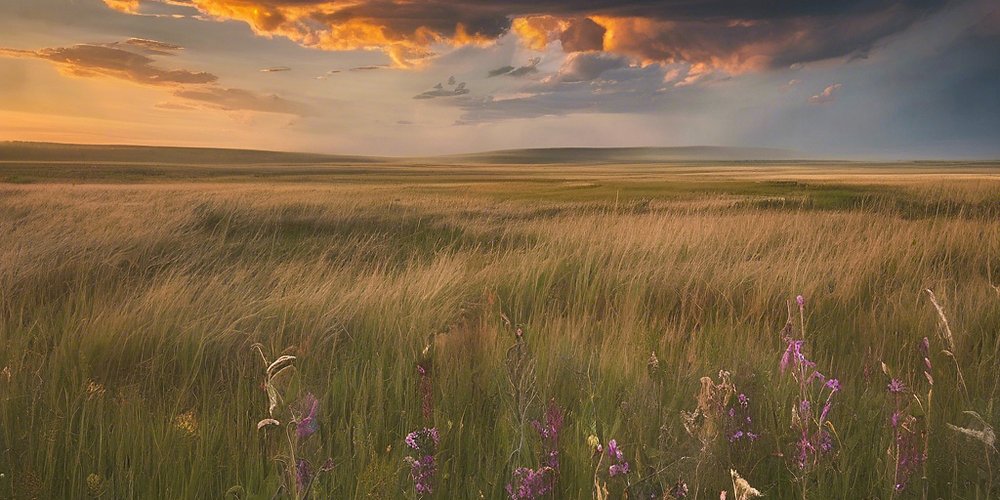
So, what is a prairie anyway? Maybe you’ve seen one in a movie—a vast open land, golden in the sunlight, waving gently with tall grasses. Or maybe you’ve driven past one and didn’t think twice. But prairies are more than empty spaces. They are alive, complex, and critically important.
In this article, we’ll take a walk together through these wild landscapes and uncover what makes prairies so beautiful, powerful, and worth protecting.
What Is a Prairie?
Let’s start with the basics. A prairie is a type of grassland biome, mostly made up of grasses, wildflowers, and only a few trees. These landscapes once covered huge parts of North America, especially the central U.S. and parts of Canada.
The word prairie comes from the French word for “meadow,” but these meadows are wild, wide, and woven into history.
Prairie landscapes are shaped by fire, grazing animals, wind, and drought. Over thousands of years, these forces created rich, deep prairie soil, some of the most fertile on Earth.

What Makes a Prairie a Prairie?
• Dominated by grasses, not trees
• Regularly shaped by natural fires and grazing
• Found in areas with moderate rainfall
• Home to a diverse ecosystem of plants and animals
Types of Prairies: Tallgrass, Shortgrass, and Mixed
Not all prairies are the same. They actually fall into three main types, based on how much rain they get and how tall the grasses grow.
Tallgrass Prairie
• Found in areas with more rainfall (like Illinois or Missouri)
• Grasses can grow up to 8 feet tall!
• Home to big bluestem, switchgrass, and tons of wildflowers
Shortgrass Prairie
• Located in drier regions (like parts of Colorado and New Mexico)
• Grasses are short, usually less than 2 feet
• Buffalo grass and blue grama dominate here
Mixed Grass Prairie
• Sits in between the tallgrass and shortgrass zones
• A blend of both short and tall species
• Rich in biodiversity
Each type of prairie supports different prairie animals and plants, which makes them all essential in their own way.
The Prairie Ecosystem: A Web of Life
The prairie ecosystem is a delicate and connected community. Plants, animals, insects, fungi, soil—all play a role.
Let’s simplify it:
• Grasses capture sunlight and grow deep roots, stabilizing the soil.
• Insects like bees pollinate flowers.
• Birds eat those insects.
• Bison and other herbivores graze and keep the grasses in check.
• Predators help maintain balance in the food web.
This dynamic system is what makes a prairie more than just a “field.” It’s a living, breathing biome with relationships that go back millennia.
Common Plants of the Prairie
One of the coolest parts of visiting a prairie is noticing how colorful and varied the prairie plants are. They’re not just grasses!
Native Prairie Plants You Might See:
| Big Bluestem Scientific Name: Andropogon gerardii Vitman Family: Poaceae Fun Fact: Its seed head resembles a turkey’s foot, which is why it’s nicknamed “turkey foot.” It can grow up to 8 feet tall and was once the dominant grass of the tallgrass prairie. | 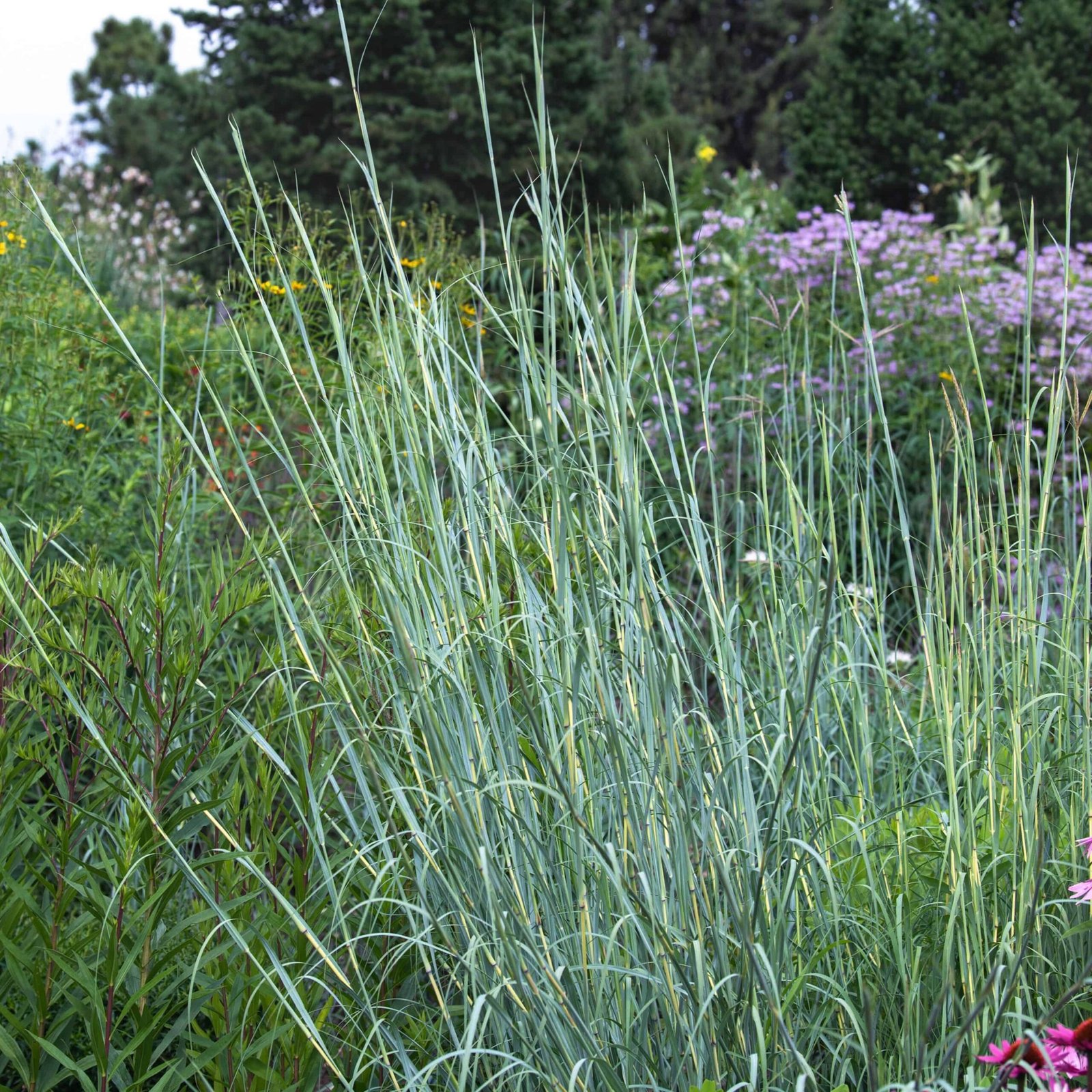 |
| Indian Grass Scientific Name: Sorghastrum nutans Nash in Small Family: Poaceae Fun Fact: Indian grass has golden-bronze flowering plumes and was one of the main components of the American tallgrass prairie. Native Americans used it for bedding and ceremonial purposes. | 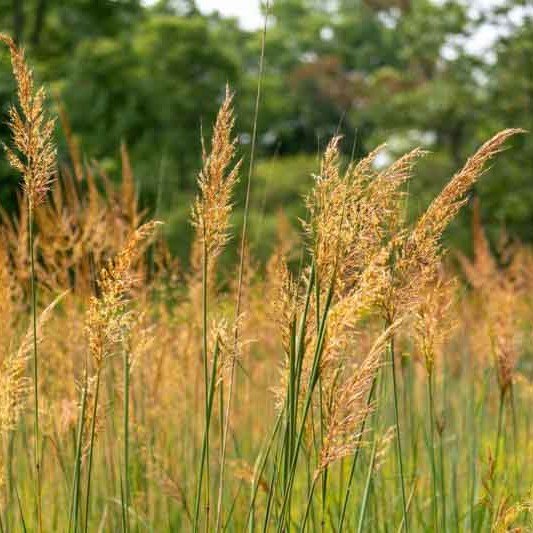 |
| Purple Coneflower Scientific Name: Echinacea purpurea (L.) Moench Family: Asteraceae Fun Fact: Famous for its medicinal properties, especially in teas for immune support, purple coneflowers attract pollinators like bees and butterflies and are deer-resistant. |  |
| Black-eyed Susan Scientific Name: Rudbeckia hirta L. Family: Asteraceae Fun Fact: These bright yellow wildflowers are among the first to colonize disturbed lands, making them pioneers in prairie restoration projects. | 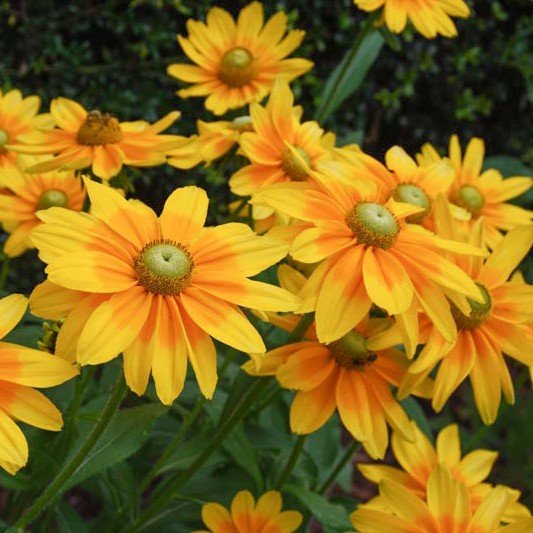 |
| Purple Prairie Clover Scientific Name: Dalea purpurea Vent. Family: Fabaceae Fun Fact: Prairie clover enriches the soil with nitrogen through a symbiotic relationship with bacteria, helping other plants grow better around it. | 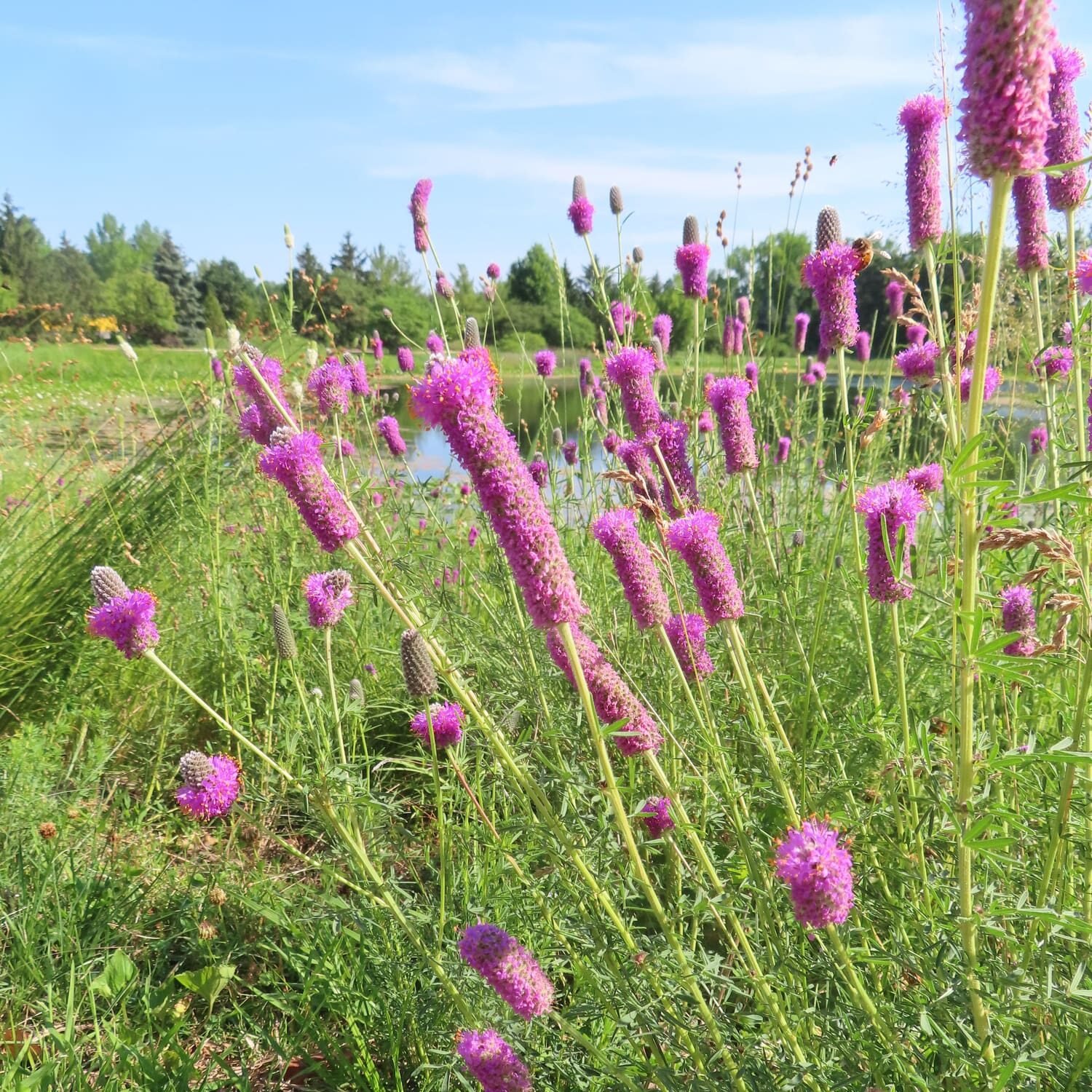 |
| Common Milkweed Scientific Name: Asclepias syriaca L. Family: Asclepiadaceae Fun Fact: Milkweed is the only plant that monarch butterfly caterpillars can eat. It contains toxins that make monarchs taste bad to predators — nature’s own defense system! | 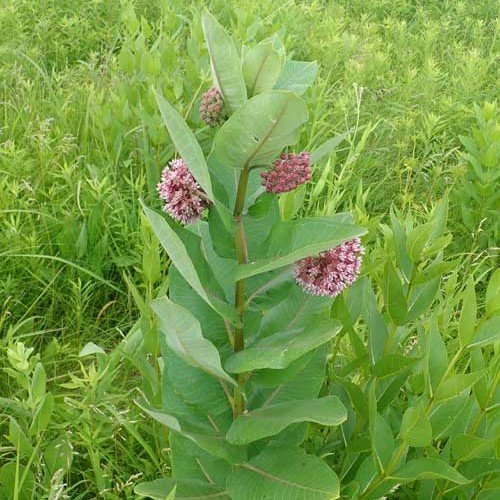 |
These plants are tough. They can handle fire, wind, and drought—and they play a vital role in feeding insects, birds, and even humans through pollination and food sources.
Where Are Prairies Found?
North American prairies once stretched from Texas all the way to Canada—part of the Great Plains. Today, we find them in:
• United States: Kansas, Nebraska, Oklahoma, Illinois, Iowa, Minnesota, and more
• Canada: Saskatchewan, Manitoba, Alberta
• Small patches still survive in urban or preserved areas
Prairies also have cousins around the world: the steppe in Asia, the pampas in South America, and the veld in Africa.
Why Prairies Matter: Importance and Ecosystem Services
Okay, so prairies are beautiful—but why do they really matter?
They Support Biodiversity
Prairies are home to hundreds of plant species, countless insects, and a variety of birds and mammals.
They Store Carbon
Deep prairie roots lock carbon in the soil, helping fight climate change.
They Protect Soil and Water
Roots hold soil in place and reduce erosion. Prairie grasslands also filter and clean water naturally.
They Feed Us
Many farms were built on former prairie soil—some of the richest farmland in the world.
Threats to Prairies
Unfortunately, prairies are one of the most endangered ecosystems on the planet.
Major Threats:
• Agriculture: Over 90% of tallgrass prairie has been plowed for crops.
• Urban development: Cities and roads have paved over prairie lands.
• Invasive species: Non-native plants outcompete native ones.
• Fire suppression: Natural fires helped prairies thrive. Without them, trees take over.
Without active care, these incredible landscapes could disappear entirely.
Conserving and Restoring Native Prairies
The good news? We can bring prairies back.
Prairie conservation includes:
• Preserving prairie remnants
• Planting native grasses and wildflowers
• Allowing natural fires (controlled burns)
• Supporting prairie wildlife habitats
Organizations across the U.S. and Canada are working hard to restore native prairie lands, and even individuals like you can help.
How You Can Help:
• Plant native prairie species in your yard or garden
• Visit and support prairie preserves
• Learn and share about prairies in your community
• Support policies and organizations that protect grasslands
Fun Fact
• A single square yard of tallgrass prairie can have over 100 different plant species!
• Prairie grass roots can grow up to 15 feet deep.
• Bison create “wallow pits” where wildflowers love to grow.
• Native prairies are fire-dependent ecosystems—fires actually help them stay healthy.
• Monarch butterflies rely on milkweed, a common prairie plant, for survival.
The Bottom Line
If you’ve made it this far, thank you. You now know that prairies are way more than “just grass.” They’re wild, rich in life, and essential to our planet’s health.
Whether you’ve walked one or just learned about them here, I hope you feel a little more connected to the open skies and waving grasses. These wild places need our voices, our actions, and yes—our awe.
********************
If you found this blog post helpful, consider taking a small step such as visiting a local prairie reserve, planting native grasses in your garden, or sharing this article with someone who’s never thought twice about prairies. Together, we can help these powerful and beautiful landscapes survive—and thrive.