



This article is about discovering how everyday medicinal plants can be your best friends in the garden—helping both your health and pest control.
“Nature gives us medicine and protection—in our garden, both grow together.” – The Economic Botanist
Medicinal plants aren’t just old wives’ tales or something you sprinkle into tea. They’re part of a bigger story—one that starts with ancient traditions and ends in your backyard, your spice rack, and even your garden’s pest control strategy.
You know those herbs sitting on your windowsill—like basil, mint, or lavender? Turns out they’re doing more than adding flavor to your cooking or a scent to your bath salts. Some of them are natural protectors, working behind the scenes to keep pests out and balance in.
In this article, we’re going to get our hands a little dirty (figuratively, of course) and explore how medicinal plants and natural pesticides team up to support healthier gardens, cleaner food, and more sustainable living. Whether you’re growing herbs in pots, planning a permaculture paradise, or just curious about eco-friendly gardening, this guide will show you how nature offers both healing and protection—all in the same leaf.
What Are Medicinal Plants?
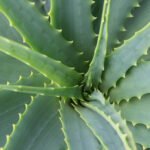
Let’s start simple: medicinal plants, also known as medicinal herbs, are plants that have healing properties. They’ve been used for centuries in traditional medicine—like turmeric for inflammation, aloe vera for burns, or mint for digestion.
Why Should You Care?
Wellness at your fingertips: Just by growing these plants, you’ll have fresh, healing herbs available any time.
Dual-purpose: Many of these plants also work as natural pesticides, meaning they help control garden bugs while helping your body.
When you choose plants with healing and pest-control powers, you’re embracing sustainable agriculture and building an eco-friendly gardening practice.

Why Use Natural Pesticides?
What are natural pesticides?
Natural pesticides are non-synthetic solutions that use plant-based pest control. They’re safe for you, your family, and the environment.
Chemical pesticides may wipe out harsh pests—but they also damage wildlife, pollute the soil, and can even affect your health. That doesn’t sound too eco-friendly, does it?
Key Benefits
Chemical-free gardening: No toxic residue on your veggies.
Organic pest management: Encourages helpful bugs and soil health.
Herbal pest control: Uses nature itself to protect your plants.
Top Medicinal Plants That Double as Natural Pesticides
Here’s a friendly lineup of medicinal garden plants that pull double duty:
1. Neem
Benefits: Antifungal, anti-inflammatory, safe around people.
Pests repelled: Aphids, mites, whiteflies.
Use: Diluted neem oil spray is a go-to option in organic pest management.
Fun Fact
Neem oil was first discovered thousands of years ago in India and is still used today in organic pest management worldwide.
2. Basil
Benefits: Anti-inflammatory, antimicrobial, delicious in pesto!
Pests repelled: Aphids, mosquitoes.
Use: Plant next to tomatoes for companion planting magic.
3. Lavender
Benefits: Calming effects, used in aromatherapy.
Pests repelled: Moths, flies, mosquitoes.
Use: Grow by doorways or hang dried bunches indoors for natural insect repellents.
4. Mint
Benefits: Digestive aid, fresh scent.
Pests repelled: Ants, mice, aphids.
Use: Pot it separately—mint can take over—but placing it near cabbage or citrus helps deter pests.
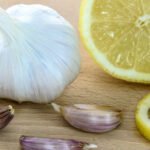
5. Garlic
Benefits: Antimicrobial, anti-inflammatory, tasty in your recipes!
Pests repelled: Beetles, slugs.
Use: Use crushed garlic in homemade sprays. See “DIY Natural Pesticide Recipes.”
These herbs not only taste good and promote healing, but they also offer fantastic plant-based pest control solutions.

DIY Natural Pesticide Recipes
Cool news—no store needed. You can whip up your homemade insecticides with stuff you probably have in your kitchen.
Neem Oil Spray
Mix 1 tsp neem oil + 1 tsp mild dish soap + 1 cup water. Shake it well.
Spray on affected leaves. Repeat weekly.
Garlic & Chili Insecticide
Blend 5 garlic cloves + 1 chili pepper + 1 cup water. Let soak a few hours.
Strain and dilute with 2 cups of water + a drop of soap.
Spray directly; great for caterpillars and beetles.
Essential Oil Blend
Combine 10 drops lavender oil + 10 drops peppermint oil + 1 cup water + soap.
Shake and spray around the garden to ward off mosquitoes, ants, and more.
Why These Work
Neem interferes with insect hormones.
Garlic has antimicrobial sulfur compounds.
Essential oils mess with insect senses.
Keep these sprays cool, out of direct sunlight, and use within a week for best results. Also test on a few leaves first to check for leaf sensitivity.
Companion Planting for Pest Control and Health
Companion planting is like matchmaking for plants—placing them near each other to help out.
Classic Combos
Mint + Cabbage: Keeps cabbage worms at bay.
Marigold + Just about everything: Releases a scent that pests don’t like.
How It Helps You
Promotes plant-based pest control without spraying.
Helps with integrated pest management by encouraging beneficial insects like ladybugs.
Pro tip: Pair herbal pest control plants with veggies and flowers for diverse, healthy planting.
Building a Sustainable Medicinal Garden
Ready to start? Here are tips for setting up your green haven:
1. Choose the Right Location
Ideally a sunny spot for most medicinal plants.
Use containers if space is limited—just like permaculture gardening.
2. Prep the Soil
Mix in compost or aged manure.
You’re supporting organic gardening by enriching your soil naturally.
3. Plant Smart
Group plants by water and sun needs.
Consider raised beds to keep things neat and manageable.
4. Maintain Naturally
Use leftover veggies and egg shells for compost.
Use mulch to prevent weeds and lock in moisture.
5. Keep It Friendly
Add pollinator-friendly flowers like borage or nasturtiums.
A healthy ecosystem is the best defense—prefer natural garden solutions over harsh chemicals.
Common Garden Pests and Natural Solutions
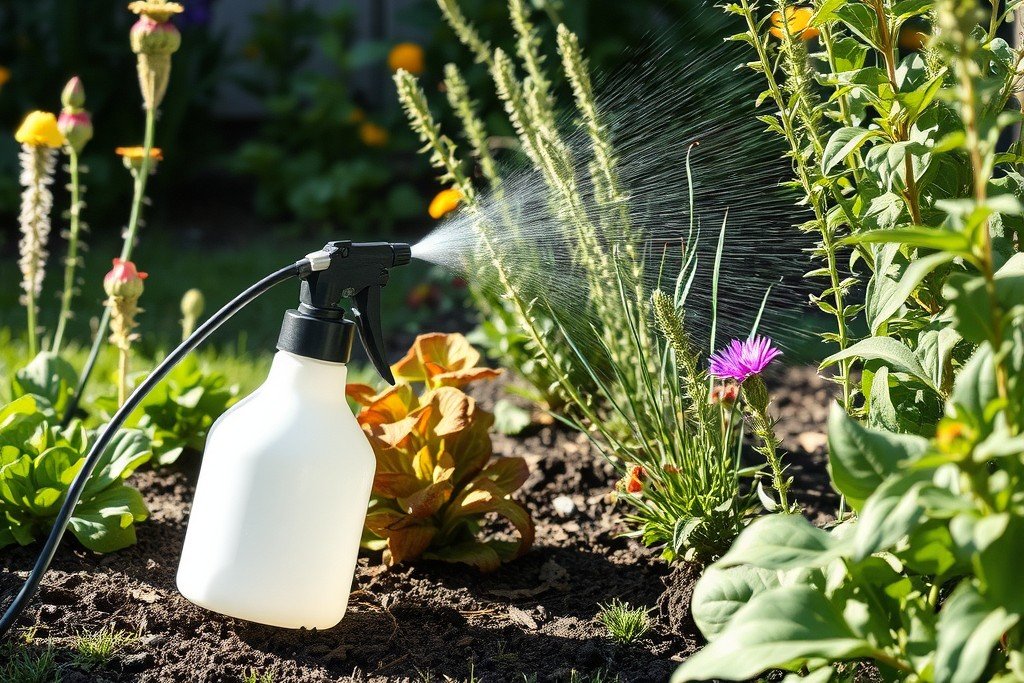
Every garden has pests. Here’s a quick guide:
| Pest | Problem Cause | Natural Solution |
|---|---|---|
| Aphids | Suck plant sap | Spray with neem oil or plant basil nearby |
| Caterpillars | Chew leaves | Use garlic & chili spray or pick off by hand |
| Slugs and Snails | Eat soft stems/leaves | Scatter crushed eggshells or plant mint |
| Whiteflies | Tiny white insects | Regular neem oil spray, yellow sticky traps |
| Beetles | Eat leaves or spread disease | Use crushed garlic spray or add marigolds for repellent |
By combining garden pest control with natural remedies, you can tackle almost anything nature throws at you.
The Bottom Line
Creating a garden filled with medicinal herbs and natural pesticides is a fulfilling, smart, and eco-conscious move. You get healing herbs, delicious flavors, and a green defense system—all without resorting to nasty chemicals. Use DIY natural pesticides to manage pests safely, embrace companion planting for balanced ecosystems, and build a sustainable medicinal garden that thrives with minimal intervention.
********************
Thinking of starting your own herb-powered garden? Try one DIY spray this weekend, plant a handful of basil or mint, and watch the magic unfold. Want more tips? Sign up for our newsletter or leave a comment telling us your favorite natural garden solutions. Let’s grow healthier, happier gardens—together!