









This article is about how the exciting world of global flavours and fusion cuisine is changing the way we eat.
“Food is not just fuel; it’s a passport to understanding our planet’s diverse cultures and the plants that sustain us.” – The Economic Botanist
Eating isn’t just about filling our plates—it’s part of a much bigger journey that connects cultures, plants, and people from all around the world. This journey is called fusion cuisine.
You’ve probably heard about plant-based diets and global food trends, but fusion cuisine takes things a step further. It’s about blending flavours, ingredients, and cooking traditions from different countries into one delicious, plant-powered experience. It’s where science, history, and culture come together on your fork.
In this article, we’re going to explore global flavours and fusion cuisine—from the plants that make it possible to the ways these international tastes are changing how we eat today. Whether you’re a foodie, a plant-based eater, or just curious about how food connects us all, this guide will give you fresh ideas and insights into the vibrant world of global plant-based dining.
- The Rise of Global Flavours in Plant-Based Cuisine
- Fusion Cuisine 101: What It Is and Why It Matters
- The Role of Economic Botany in Global Cuisine
- Trending Global Ingredients in Plant-Based Fusion Dishes
- Modern Fusion Recipes and How to Create Them
- Sustainability and the Ethics of Globalized Plant-Based Eating
- Fusion Food Culture: Redefining How We Eat
- The Bottom Line
The Rise of Global Flavours in Plant-Based Cuisine
If you’ve noticed your taste buds going on a bit of a world tour lately, you’re not alone. Global flavours are everywhere—from your local vegan café serving up jackfruit tacos with a spicy Korean twist to home cooks experimenting with turmeric-lentil stew inspired by East Africa. The rise of global food trends and fusion cuisine means we’re mixing and matching tastes from different countries, creating exciting, new ways to enjoy plant-based meals.
But why this shift? Well, there’s more to it than just curiosity. Health concerns, climate change, and ethical eating are driving many of us to rethink what we put on our plates. The plant-based movement is growing fast, and fusion cuisine—especially when rooted in economic botany, the study of plants people use for food and medicine—is helping us explore sustainable, delicious options from across the globe.
So, let’s take a deep dive into how these international flavour profiles are reshaping the way we eat, and how plants—our planet’s green treasures—are at the heart of this global culinary movement.
Fusion Cuisine 101: What It Is and Why It Matters
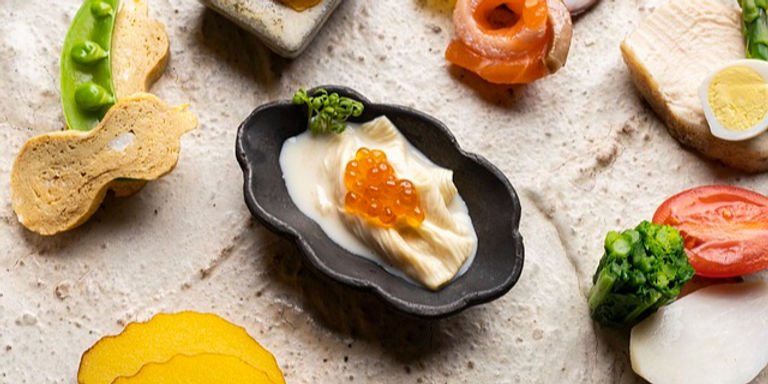
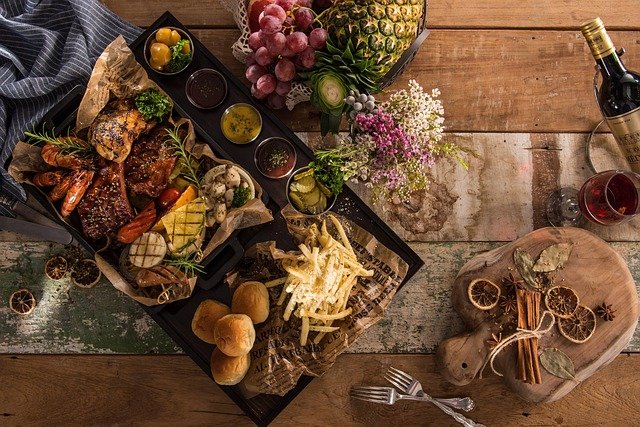
You might be wondering: what exactly is fusion cuisine? At its core, fusion cuisine is all about blending two or more culinary traditions into one dish. Think of it as a creative remix, where ingredients, cooking styles, and flavours from different cultures come together to make something new and exciting.
Fusion isn’t just about throwing random foods together. It’s a celebration of history and culture, shaped over centuries by trade, migration, and globalization. For example, Asian spices in British curries or Latin American corn in Italian polenta dishes show how food evolves when worlds collide.
Today, fusion cuisine is especially important in the plant-based world. Since many traditional plant-based foods are naturally global—like chickpeas, quinoa, or lentils—it’s easier than ever to create recipes that honor multiple cultures and cross-cultural cuisine traditions. It’s a way for us to enjoy international fusion dishes while supporting sustainability and plant diversity.
The Role of Economic Botany in Global Cuisine
Here’s where things get even more interesting. Have you heard of economic botany? It’s the study of how humans use plants for food, medicine, clothing, and more. This science helps us understand why certain plants become staples in some parts of the world and how they travel across continents to become global favourites.
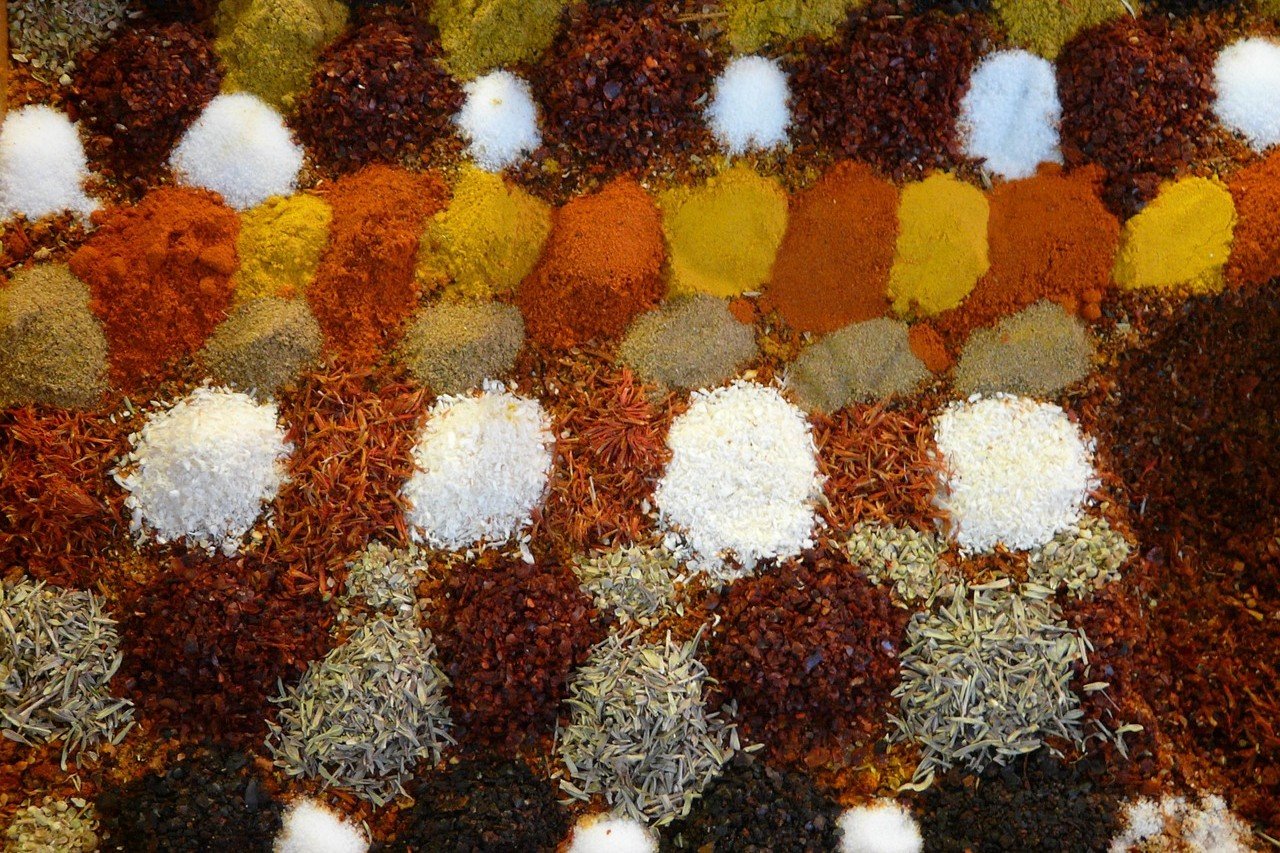
In fusion cuisine, economic botany plays a huge role. Take quinoa, a tiny grain native to the Andes but now enjoyed worldwide. It’s nutrient-dense, versatile, and sustainable—qualities that make it perfect for modern plant-based fusion dishes. Or think about turmeric, a bright yellow spice from South Asia, now essential in health bowls and smoothies everywhere.
By learning about the plants that fuel our fusion meals, we’re also connecting to the farmers and ecosystems that sustain them. This connection is vital as we push for food systems that are fair, healthy, and climate-friendly.
Trending Global Ingredients in Plant-Based Fusion Dishes
If you’re looking to spice up your cooking with global flavours, here’s a handy guide to some of the top international flavor profiles and plant-based ingredients that are making waves:
Asia
Miso: A fermented soybean paste from Japan that adds deep umami to soups and dressings.
- Tofu: The versatile soy protein that absorbs any flavour, a plant-based staple worldwide.
Lemongrass: A citrusy herb used in Thai and Vietnamese dishes for freshness and zing.
Africa
Fonio: An ancient grain from West Africa, gluten-free and rich in amino acids.
Teff: Ethiopian grain famous for injera bread, packed with iron and calcium.
Moringa: Often called the “miracle tree,” its leaves are super nutritious and used in powders or teas.
Latin America
Amaranth: A tiny seed rich in protein and fibre, used like quinoa in porridge or salads.
Cassava: A starchy root vegetable that’s a base for many dishes and naturally gluten-free.
Guava: A tropical fruit that adds sweetness and vitamin C to smoothies and desserts.
Middle East
Za’atar: A fragrant spice blend including thyme, sesame, and sumac, great on breads and veggies.
Tahini: Ground sesame paste, creamy and essential in hummus and sauces.
Chickpeas: A global favourite, chickpeas are protein-packed and super versatile for fusion dishes.
These ingredients not only bring unique flavours to your plate but also support biodiversity and global food traditions, reminding us how interconnected our food systems are.
Modern Fusion Recipes and How to Create Them
Now, let’s get practical. Want to bring modern fusion recipes into your kitchen? Here are some tasty ideas to get you started—perfect for experimenting with your own twists:
Korean BBQ Jackfruit Tacos: Pulled jackfruit mimics the texture of meat and soaks up spicy, smoky Korean BBQ sauce. Serve with fresh salsa and pickled veggies for an Asian-Latin mashup.
Moroccan-Spiced Lentil Sushi: Lentils cooked with cumin, coriander, and cinnamon rolled with seaweed and avocado for a North African-Japanese fusion.
Thai-Inspired Falafel Bowls: Classic Middle Eastern falafel made with chickpeas and herbs, served with a Thai peanut sauce and sticky rice.
Fun Fact
The jackfruit, popular in fusion dishes as a meat substitute, is the largest tree-borne fruit in the world—some can weigh up to 55 kg (120 pounds)!
When creating your own fusion dishes, focus on balancing flavours (sweet, sour, salty, bitter) and textures. Use seasonal and local plant ingredients to keep it fresh and sustainable.
Sustainability and the Ethics of Globalized Plant-Based Eating
Eating global flavours doesn’t mean you have to compromise your values. In fact, sustainability and ethics are at the heart of modern fusion cuisine, especially in plant-based eating.
Here are some key points to think about:
Ethical sourcing: Choose fair trade and organic products whenever possible to support farmers who cultivate these plants responsibly.
Food sovereignty: Respect the rights of indigenous communities to their native plants and traditional food knowledge.
Reducing food miles: While trying new ingredients is great, also aim to balance global exploration with local seasonal foods.
Protecting biodiversity: By celebrating a variety of plants—from amaranth to moringa—you’re supporting ecosystems and agricultural diversity.
The more aware you are about where your food comes from, the better choices you can make to help the planet and global communities.
Fusion Food Culture: Redefining How We Eat
We’re living in a time where food connects us more than ever. Thanks to travel, social media, and multicultural cities, fusion food culture is reshaping dining norms and plant-based eating habits.
Chefs and food lovers worldwide are pushing boundaries by mixing cooking techniques and ethnic food traditions. This not only broadens our palates but creates spaces where different cultures are celebrated through food.
Fusion restaurants and food festivals bring people together, offering new ways to experience global dining trends with plant-based twists. At home, this encourages us to be curious and creative with cooking, making our meals both exciting and meaningful.
The Bottom Line
So, what’s the takeaway? Global flavours and fusion cuisine are more than just trends—they’re a delicious way to embrace cultural diversity, support economic botany, and eat in a more sustainable, plant-based way.
By blending the best ingredients and traditions from around the world, you can create meals that are healthy, exciting, and good for the planet. It’s about respecting the plants and people behind our food, while having fun experimenting with tastes and textures in your kitchen.
Next time you’re cooking, think about how you can mix in some global ingredients and fusion ideas. You’re not just feeding yourself—you’re joining a worldwide conversation about food, culture, and sustainability.
*******************
Ready to Explore Global Plant-Based Flavours?
Start your fusion cooking adventure today! Try one new international ingredient or recipe this week, and discover how economic botany and global flavours can transform your meals.
If you enjoyed this deep dive, share it with friends and let’s keep spreading the joy of plant-based fusion cuisine together!