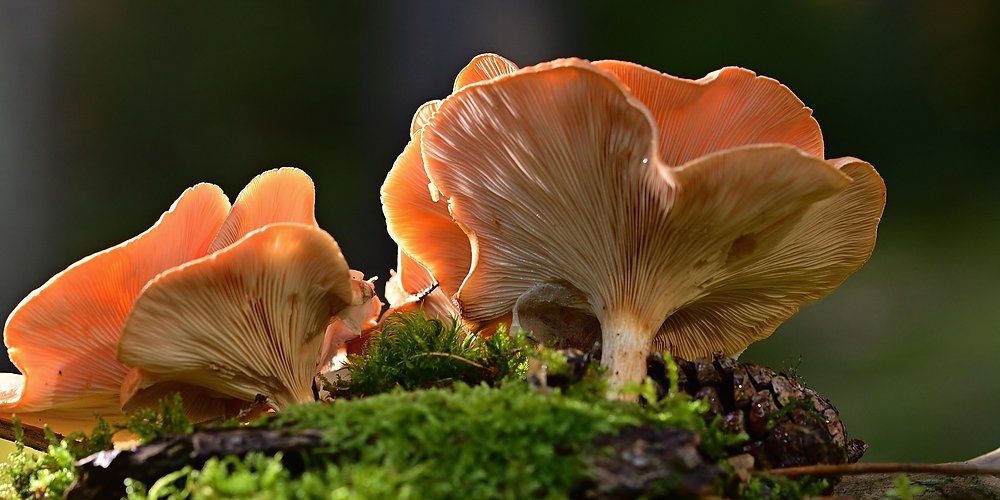
This article is about the impact of wild mushrooms on history, rituals, and traditions worldwide.
“Wild mushrooms are nature’s quiet storytellers—each one a tiny chapter of culture, history, and connection waiting to be discovered.” – The Economic Botanist
You might not realize it, but wild mushrooms have been quietly shaping human culture for thousands of years. They aren’t just forest oddities or fancy dinner ingredients—they carry deep meaning across the globe. From ancient rituals and medicinal uses to culinary traditions and modern environmental movements, wild mushrooms connect us to nature, history, and each other in ways you might not expect.
Wild mushrooms might seem like humble forest dwellers, but their cultural importance is enormous. These fungi have been harvested for food, used in healing, and woven into spiritual ceremonies for centuries. Many cultures have their own unique mushroom stories—some sacred, some practical, all meaningful.
In this article, we’ll explore how wild mushrooms have influenced culture worldwide, uncover fascinating stories and traditions, and look at their role in today’s world. Ready? Let’s dive in.
A Global Perspective on Wild Mushroom Traditions
Mushrooms grow on every continent except Antarctica, and people everywhere have developed unique relationships with them. Let’s explore some major cultural traditions involving wild mushrooms.
Europe – Folk Wisdom and Foraging
Seasonal Rituals: In countries like Poland, Russia, Finland, and the Czech Republic, mushroom foraging is a beloved family activity passed down through generations. It’s common to see entire families hiking forests every autumn with baskets, searching for chanterelles, porcini, or boletes.
Folk Tales: Mushrooms appear in European fairy tales and myths, often connected to forest spirits, elves, and magical creatures. For example, the red-and-white Amanita muscaria mushroom frequently appears in folklore and holiday imagery.
Local Festivals: Many towns hold mushroom festivals celebrating local edible species, featuring mushroom dishes, workshops, and contests.
Cultural Respect for Nature: Traditional foragers often emphasize sustainable harvesting, taking only what they need and leaving some mushrooms behind to ensure future growth.
Asia – Sacred and Medicinal Fungi
Traditional Medicine: In China, Japan, and Korea, mushrooms like reishi (Ganoderma lucidum), shiitake, and maitake have been used medicinally for centuries to boost health, longevity, and vitality.
Religious Symbolism: Mushrooms are linked to ideas of immortality and spiritual power in Taoism and Buddhism. For example, reishi is called the “mushroom of immortality” and is often depicted in religious art.
Matsutake Mushroom: Highly prized in Japan, matsutake mushrooms are celebrated with festivals and considered a symbol of autumn. Their rarity and unique aroma make them culturally significant.
Mushrooms in Folklore: Asian stories sometimes portray mushrooms as bridges between worlds or as gifts from gods.
Indigenous Cultures of the Americas
Psychedelic Ceremonies: Indigenous peoples in Mexico and Central America have used psilocybin mushrooms in sacred ceremonies for thousands of years to communicate with spirits, heal, and gain wisdom.
Healing Traditions: Some Native American tribes used mushrooms in their medicine practices to treat ailments or as part of spiritual healing rituals.
Sacred Knowledge: Much of this knowledge was historically kept secret or lost due to colonization but is now experiencing respectful revival efforts.
Cultural Identity: Mushrooms remain an important symbol and resource in many Indigenous communities, reflecting a deep relationship with the land.
Mushrooms in Myth, Religion, and Symbolism
Mushrooms have long fascinated humans, inspiring stories, beliefs, and spiritual practices worldwide.
Spiritual and Mythological Roles
Norse and Celtic Myths: Mushrooms were sometimes believed to be gifts from the gods or signs from nature spirits. In some stories, mushrooms sprout where lightning hits, symbolizing divine power.
Siberian Shamanism: Shamans used the Amanita muscaria mushroom to induce altered states of consciousness for spiritual journeys, connecting with ancestors and spirits.
Christian Symbolism: In medieval art, mushrooms sometimes symbolized sin or temptation but could also represent resurrection and renewal.
Aztec and Mayan Beliefs: Mushrooms were sacred, believed to carry messages from the gods and used in rituals to gain divine knowledge.
Mushrooms as Symbols
Rebirth and Transformation: Mushrooms’ quick growth from underground spores to visible fruiting bodies made them natural symbols of transformation and the cycle of life.
Mystery and Danger: Brightly colored or poisonous mushrooms embody nature’s hidden dangers and secrets.
Immortality and Healing: Particularly in Eastern traditions, some mushrooms symbolize health, vitality, and eternal life.
Culinary and Medicinal Cultural Importance
Mushrooms have been a part of human diets and medicines for millennia, treasured both for their flavor and healing properties.
Culinary Traditions
Europe: Truffles, morels, chanterelles, and porcini mushrooms feature prominently in French, Italian, and Eastern European dishes.
Asia: Shiitake, enoki, and maitake mushrooms are staples in soups, teas, and stir-fries.
North America: Indigenous peoples historically used a variety of wild mushrooms in their cooking, and today, foraging is growing in popularity.
Mexico: Huitlacoche, a fungus growing on corn, is a culinary delicacy with ancient roots.
Preparation and Preservation: Techniques such as drying, pickling, and fermenting mushrooms have been developed to extend shelf life and enhance flavor.
Medicinal Uses
Immune Support: Mushrooms like turkey tail and reishi are known for boosting immunity.
Brain Health: Lion’s Mane mushroom is studied for its potential to support memory and cognitive function.
Anti-Inflammatory: Many mushrooms contain compounds that reduce inflammation.
Traditional Healing: Mushrooms have been part of herbal medicines for thousands of years, especially in Asia and Indigenous cultures.
Modern Research: Scientific studies are increasingly confirming the medicinal benefits long attributed to mushrooms.
Sustainability and Knowledge Transfer
Preserving mushroom culture means preserving the knowledge of how to interact with nature responsibly.
Passing Down Knowledge
Oral Traditions: Much mushroom knowledge is passed down through stories, hands-on teaching, and community experience rather than written texts.
Foraging Skills: Identifying edible mushrooms safely requires experience and careful observation—skills often learned from elders.
Community Practices: Foraging often strengthens community bonds and connects people to their local environment.
Sustainable Harvesting
Take Only What You Need: Many cultures teach respect for the forest by harvesting responsibly.
Avoid Damage: Cutting mushrooms at the base rather than uprooting helps preserve the mycelium underground.
Protect Sensitive Areas: Some traditions avoid foraging in sacred or ecologically fragile sites.
Seasonal Awareness: Knowing when to harvest mushrooms ensures populations can regenerate.
Modern Cultural Revivals and Urban Foraging
The interest in wild mushrooms has surged recently, bringing new life to old traditions.
Growing Popularity
Urban Foraging Groups: More and more people in cities are learning to forage safely in parks and woodlands.
Culinary Trends: Wild mushrooms feature on restaurant menus worldwide.
Medicinal Mushroom Market: Supplements and extracts are booming in popularity.
Environmental Movements: Mushrooms are spotlighted for their roles in ecosystem health and biodegradation.
Education and Awareness
Workshops and Classes: Mushroom identification and foraging classes are becoming more common.
Social Media: Platforms like Instagram and TikTok spread mushroom culture to wide audiences.
Documentaries: Films like Fantastic Fungi have helped popularize fungi science and culture.
Cultural Risks: Overharvesting, Misidentification, and Legal Aspects
With growing interest come challenges we should all be aware of.
Overharvesting and Environmental Impact
Popular mushroom spots can be over picked, threatening local ecosystems.
Rare or endangered species risk extinction without proper protection.
Safety Concerns
Many poisonous mushrooms look like edible ones—misidentification can cause serious illness or death.
Beginners should always learn from trusted experts and avoid risky mushrooms.
Legal Restrictions and Cultural Sensitivity
Laws regulate mushroom harvesting in parks and forests to protect resources.
Some mushrooms have sacred significance—commercializing or exploiting them without respect can harm Indigenous communities.
Being a responsible forager means honoring laws and cultural traditions.
The Bottom Line
Wild mushrooms are more than just fungi—they are living stories, holding centuries of culture, knowledge, and meaning. By understanding their role in traditions, food, medicine, and spirituality, you connect with a wider world and richer history.
If you want to enjoy mushrooms safely and respectfully, learn from those who know, forage responsibly, and appreciate the magic beneath the forest floor. Mushrooms invite us to slow down, listen, and remember that every small thing has a big story.
********************
Ready to Discover More? If you enjoyed this deep dive into the cultural importance of wild mushrooms, there’s a whole universe waiting for you to explore. Subscribe to get new posts on mushroom foraging, cooking, and cultural stories. Join local mushroom clubs or attend workshops to gain hands-on experience. Share your mushroom adventures and questions —we love hearing from fellow fungi fans! And whatever you do, respect the mushroom’s magic and the cultures that cherish them. Happy foraging!