









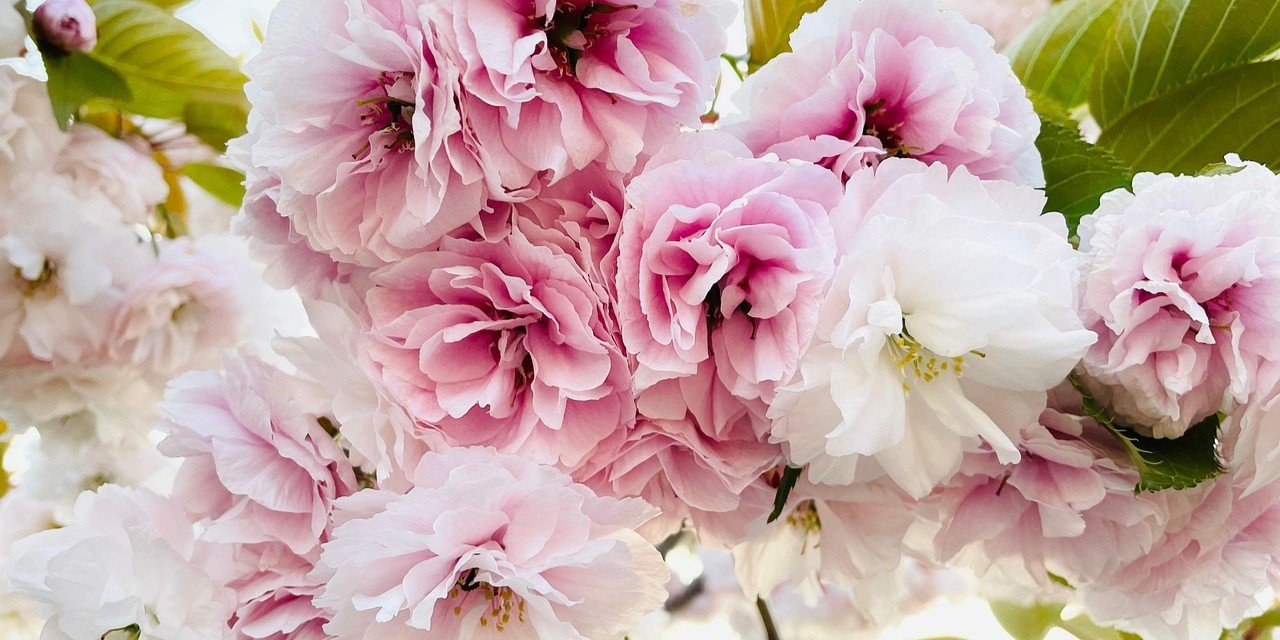
The article is about why we still give flowers in a world full of emojis, digital hearts, and instant messages—and what this strange, fragile tradition reveals about human psychology, culture, and connection.
“A flower is proof that we still believe some moments deserve more than efficiency.” — The Economic Botanist
We live in a time where affection travels at the speed of Wi-Fi. You can send a heart, a like, or a supportive message in seconds. And yet, when something really matters—love, apology, grief, gratitude—we still show up with flowers. Real ones. Cut ones. The kind that will slowly wilt on a table.
We will discuss here why that hasn’t changed.
It’s about why dead plants still outperform digital hearts. Why we keep giving something designed to die. Why flowers remain one of the most powerful, and oddly irrational, gifts we have. And why, deep down, this habit makes perfect sense.
- Why We Still Give Flowers
- Are Flowers a Gift or a Gesture?
- Why Give Flowers If They Die?
- The Psychology of Giving Flowers
- Flowers as Costly Signals: An Evolutionary Explanation
- Flowers, Waste, and the Luxury of Non-Utility
- Cultural Meaning of Flowers Across History
- Flowers in the Digital Age
- Why Flowers Are Still One of the Most Popular Gifts
- Frequently Asked Questions About Giving Flowers
- The Bottom Line
Why We Still Give Flowers
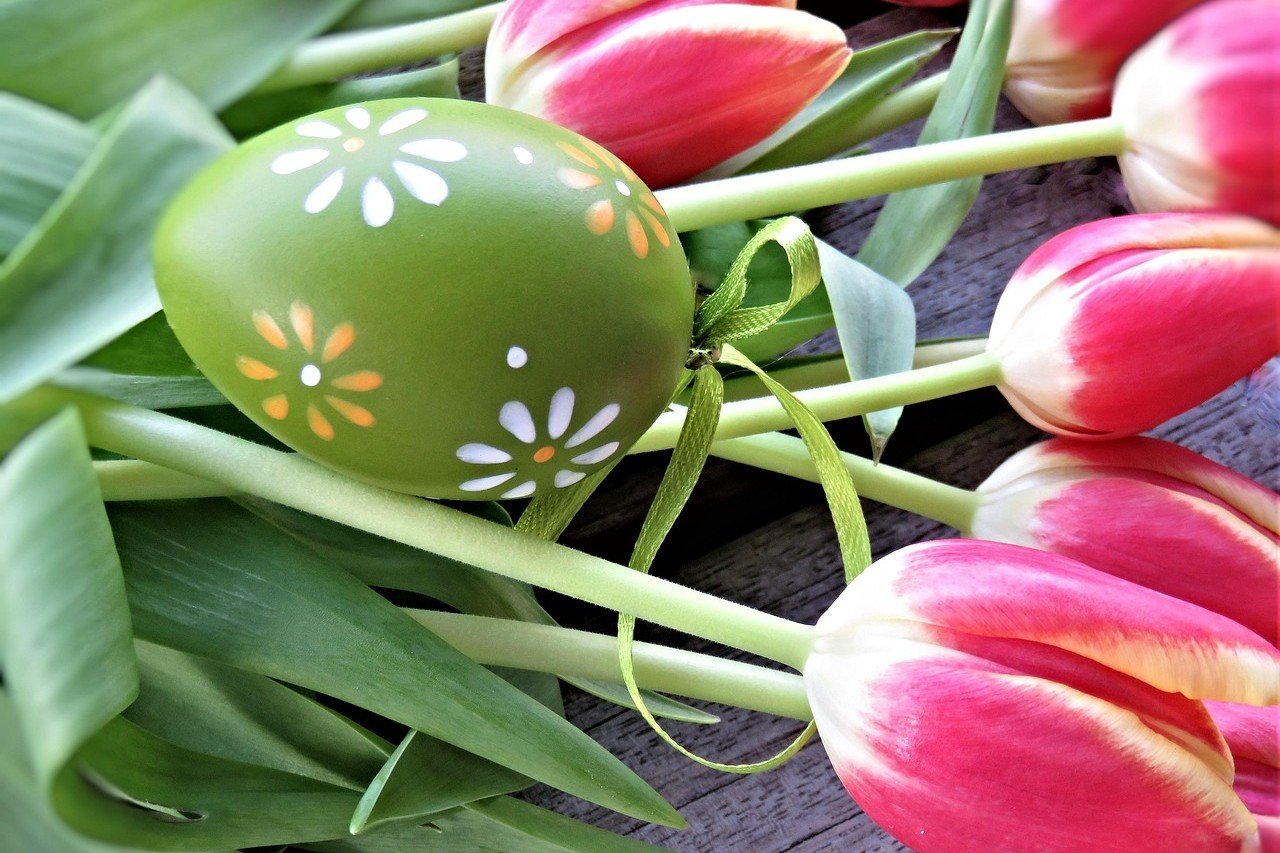
If you stop and think about it, giving flowers is a strange thing to do. They don’t last. They’re not useful. You can’t resell them. You can’t upgrade them. And yet, flowers are still one of the most popular gifts in the world.
So why do people give flowers? Hmmm… that’s a good question!
Because flowers do something most modern gifts don’t: they make you feel seen. Not optimized. Not managed. Seen.
When you receive flowers, you don’t ask what problem they solve. You understand the message instantly. Someone took time. Someone spent money. Someone decided this moment mattered enough to mark it.
In an age of fast communication and low effort signals, flowers still stand out because they are inefficient on purpose. That inefficiency is exactly what gives them emotional weight.
Are Flowers a Gift or a Gesture?
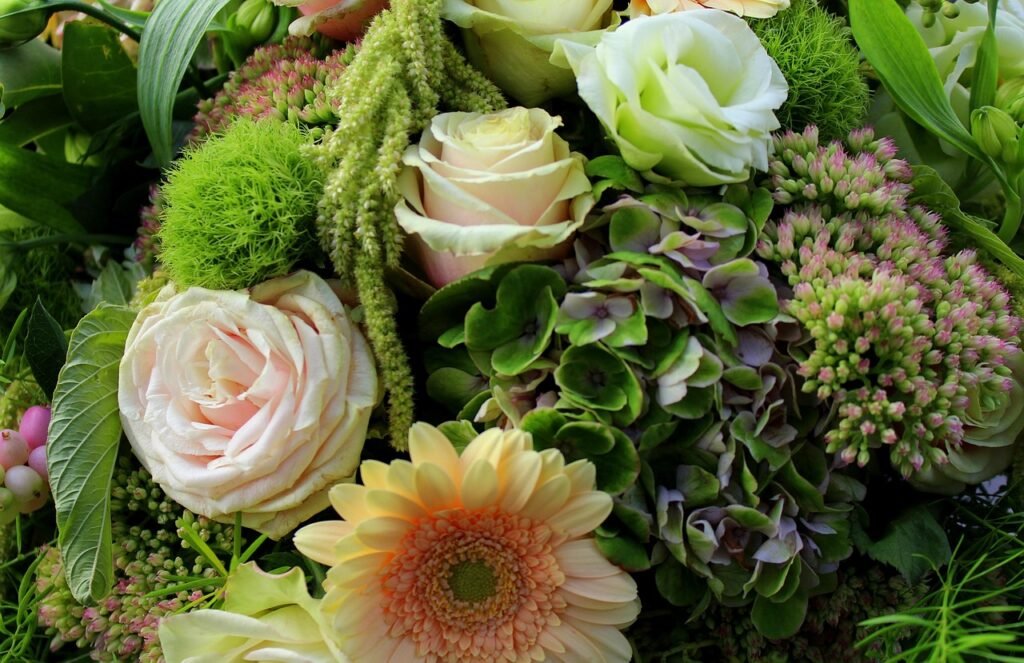
This is one of the most searched questions around flowers, and it’s a good one: are flowers a gift or a gesture?
The answer is both—and that’s why they work so well.
Now, if you think of this….A gift is usually about the object. A gesture is about the action. Flowers live in the overlap. They are not practical enough to feel transactional, and not abstract enough to feel empty.
When you give flowers, you’re not saying, “Here is something you need.” You’re saying, “I showed up.” That matters more than the object itself.
Money can feel impersonal. A text can feel easy. Flowers sit in that sweet spot where effort is visible but not overwhelming. They communicate care without needing explanation. That’s why flowers are such powerful nonverbal communication tools across cultures.
Why Give Flowers If They Die?
Let’s address the big one: why give flowers if they die?
Because they die.
That sounds flippant, but it’s actually the core reason flowers are meaningful. Cut flowers are a gift with a clear expiration date. They don’t pretend to be permanent. They don’t promise longevity. They say, “This is for now.”
Psychologists have long known that temporary experiences often create stronger emotional responses than permanent ones. When you know something won’t last, you pay attention. You notice it. You value it while it’s there.
Flowers turn time into something visible that you can touch. Each day they change. Each day reminds you of the moment they were given. In this way, flowers don’t fail because they die. They succeed because they remind us that moments do too.
The Psychology of Giving Flowers
The psychology of giving flowers is rooted in how humans interpret effort, beauty, and intention.
We are wired to respond to signals. Not just words, but actions. Especially actions that cost something. Flowers cost money, time, and a bit of inconvenience. You have to go get them. You have to carry them. You have to hand them over.
That friction matters.
In contrast, digital gifts are easy. Too easy. When something takes almost no effort, our brains discount its value. Flowers resist that discounting. They feel deliberate.
Research also shows that flowers have a measurable emotional impact. Studies have found that receiving flowers increases positive mood, creates lasting memories, and strengthens social bonds. Flowers don’t just look nice. They change how people feel and remember.
Fun Fact
Studies have shown that people who receive flowers report feeling happier for days afterward, not just in the moment.
That lingering effect is rare—and powerful.
Flowers as Costly Signals: An Evolutionary Explanation
Now, let’s dive a little deeper into the human mind. From an evolutionary psychology perspective, flowers are what researchers call a “costly signal.”
A costly signal is something that is hard to fake because it requires real resources. In nature, this might be a peacock’s tail. In human behavior, it’s often generosity that doesn’t come with obvious benefits.
Flowers have no survival value. You can’t eat them (well, at least not for nourishment anyway). You can’t build with them. That’s what makes them honest. They signal that you have enough resources to give something away purely for emotional reasons.
This is why flowers have long been associated with romance. Romantic relationships are built on trust and long-term investment. Giving something fleeting but beautiful sends a quiet message: “I have enough to share. I’m not thinking short-term.”
That’s also why flowers function as a status symbol, even when they’re modest. It’s not about price. It’s about the willingness to spend on something that won’t last.
Flowers, Waste, and the Luxury of Non-Utility
We don’t often like to talk about it, but waste plays a role in how we signal abundance.
In most of human history, wasting resources was impossible for people who were struggling. Only those with surplus could afford to spend on beauty alone. Flowers sit squarely in that category. They are the luxury of non-utility.
When you give flowers, you’re saying, “This moment matters more than efficiency.” That message feels deeply human in a world obsessed with productivity.
Useful gifts can be wonderful, but they often come with expectations. Flowers don’t. They don’t ask to be used correctly. They don’t demand gratitude through function. They simply exist, briefly, and then they’re gone.
That freedom is part of their appeal.
Cultural Meaning of Flowers Across History
The cultural meaning of flowers didn’t appear overnight. Humans have been using flowers in rituals, celebrations, and mourning practices for thousands of years.
Flowers show up at life’s thresholds: births, weddings, funerals, reunions, apologies. These are moments where words often fall short. Flowers step in when language struggles.
Different cultures assign different meanings to specific flowers, but the underlying symbolism is remarkably consistent. Flowers represent life, beauty, fragility, and change. They mirror the human experience itself.
This is why flowers have endured across time and technology. They’re not trendy. They’re timeless.
Fun Fact
Ancient civilizations, including the Egyptians and Greeks, used flowers in both religious rituals and romantic symbolism, linking them early on to love and meaning.
Flowers in the Digital Age
So why do flowers still matter in the digital age?
Because physical presence still counts.
Digital communication is abundant. One may say infinite, even. Physical gestures are not. A bouquet takes up space. It changes a room. It interrupts your routine. You can’t swipe past it.
Flowers demand attention in a way digital gestures don’t. They anchor emotion in the physical world. When everything else feels temporary and replaceable, something you can touch feels real.
This is also why flowers often outperform emojis. Emojis are shared by millions, used hundreds of times a day. Flowers are rare. And rarity increases value.
Why Flowers Are Still One of the Most Popular Gifts
Despite all our modern options, flowers remain one of the most popular gifts worldwide. That’s not nostalgia. That’s psychology.
Flowers are easy to understand, hard to misinterpret, and emotionally rich. They work across ages, cultures, and occasions. You don’t need instructions to receive them. You don’t need context to feel their meaning.
They also place very little burden on the receiver. There’s no obligation to use them correctly or keep them forever. You enjoy them while they’re here, and then you let them go.
In a way, flowers model a healthier relationship with possessions. Presence over permanence. Experience over accumulation.
A Note on Scent: Why Flowers Don’t Just Look Good
There’s a reason flowers don’t just catch your eye—they stop you in your tracks.
Smell is the only sense that goes straight to the brain’s emotional center, the limbic system, without first passing through logic or language. That’s why the scent of flowers can feel instant and surprising. You don’t think your way into a feeling. You’re already there.
Many people have experienced this without realizing what’s happening. You walk into a room with fresh flowers, and suddenly your shoulders drop. Your breath slows. You feel calmer, even if you can’t explain why. Later, that same scent can bring the moment back with startling clarity—where you were, who gave them to you, how you felt.
This isn’t nostalgia being dramatic. Research shows that floral scents are linked to reduced stress, improved mood, and stronger emotional memory. Because smell is so closely tied to memory, flowers don’t just mark moments visually. They encode them emotionally.
In other words, flowers don’t just sit in a room. They quietly shape how that room feels—and how you remember being in it.
Scientific note: Research in neuroscience and psychology has shown that olfactory signals travel directly to the limbic system—the brain’s center for emotion and memory—which explains why floral scents are associated with reduced stress, improved mood, and stronger emotional recall (Herz, 2004; Herz & Schooler, 2002).
Frequently Asked Questions About Giving Flowers
Q1. Are flowers still a relevant gift today?
Yes. Flowers remain relevant because they communicate effort and emotion in a way digital gifts often can’t. Their physical presence and temporary nature make them feel intentional and meaningful.
Q2. Why are flowers considered romantic?
Flowers are romantic because they signal care without utility. They are a costly signal of attention and abundance, which aligns closely with how humans evaluate romantic interest and commitment.
Q3. Do flowers mean more than words?
Sometimes, yes. Flowers can express emotion when words feel inadequate. They operate as nonverbal communication, carrying meaning without explanation.
Q4. Why do flowers feel more personal than digital gifts?
Because they require physical effort and exist in the shared physical world. That effort makes the gesture feel deliberate rather than automatic.
The Bottom Line
We still give flowers because they do something rare: they honor the moment without trying to own it.
Flowers are not about permanence. They are about presence. They remind us that some things are meaningful precisely because they don’t last. In a digital world built for speed and scale, flowers slow us down. They ask us to notice. To feel. To remember.
Dead plants, it turns out, are very much alive where it counts.
********************
If this made you think differently about the next bouquet you give—or receive—share this piece, or better yet, give flowers with intention the next time a moment truly matters.