









The article is about how wood is formed, what makes it unique, how we can read tree rings to find a tree’s age, and why wood matters in economic botany collections.
“Wood is not just a material—it is the story of a tree’s life, written in rings and fibers that we can read if we know how.” – The Economic Botanist
When you look at a tree, it may seem simple: bark on the outside, wood in the middle, and leaves at the top. But if you peek inside, you’ll discover a complex system that tells the story of its growth, the environment it lived in, and even the seasons it endured. Wood is one of nature’s most fascinating creations.
It forms slowly, layer by layer, and its structure holds clues to a tree’s age and health. Beyond biology, wood also plays a vital role in human life. It is a key part of economic botany collections, helping scientists, industries, and even governments understand and manage natural resources sustainably.
In this article, we’ll take a deep dive into the science of wood, the magic of tree rings, and why understanding wood matters more than you might think.
How Wood Is Formed: Understanding Tree Growth
When you ask, “how is wood formed?” the answer lies in a process called secondary growth. Unlike the height growth you see in young plants, secondary growth makes the trunk, branches, and roots thicker over time. This is how a tiny seedling eventually becomes a towering tree with a sturdy trunk.
At the center of wood formation is the vascular cambium, a thin but incredibly important layer of living cells sandwiched between the wood (xylem) and the inner bark (phloem). Think of the cambium as a factory. It produces secondary xylem toward the inside, which we recognize as wood, and secondary phloem toward the outside, which transports nutrients throughout the tree. Each year, this production adds a new layer of xylem. Over decades, this is what gives a tree its bulk and strength.
Wood itself is mostly xylem, the tissue responsible for transporting water and minerals from roots to leaves. As new xylem layers form, older ones stop functioning in water transport and instead provide structural support. That means the trunk you see isn’t just “dead wood”—it’s a living history of growth and survival.
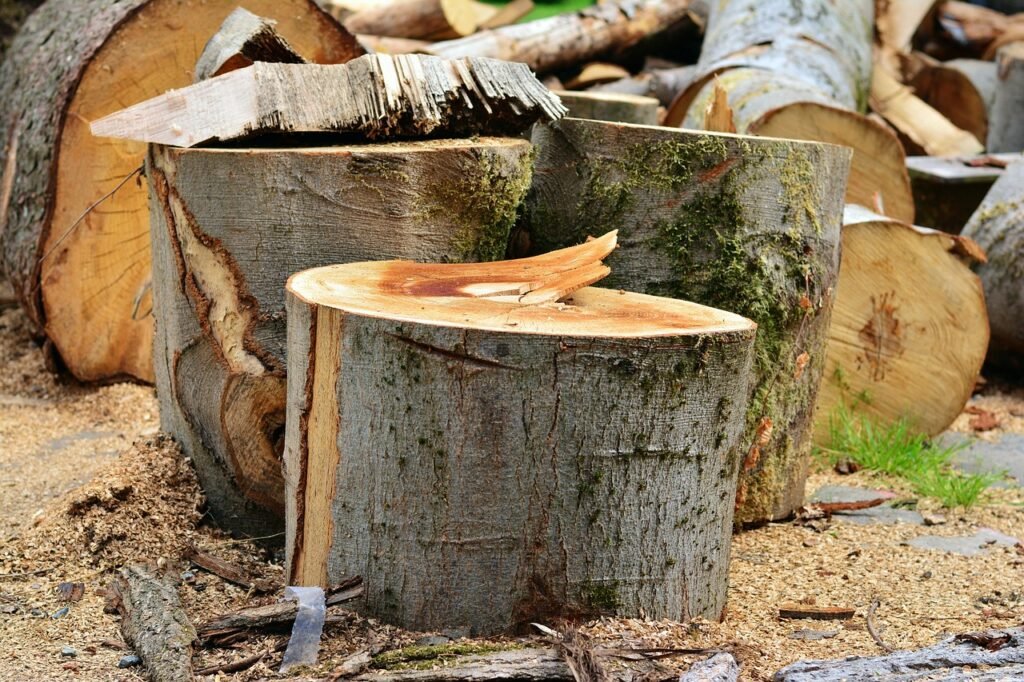
As wood ages, it develops two main zones: sapwood and heartwood. Sapwood is the outer, lighter-colored wood still actively moving water. Heartwood is the inner part where cells have died and filled with chemicals like resins and tannins, making it darker, more durable, and resistant to decay. Many builders and furniture makers prize heartwood because it’s both strong and long-lasting.
Fun Fact
Some of the oldest known trees in the world, like the Bristlecone Pines in California, have heartwood that has survived for thousands of years, silently keeping the tree upright through centuries of storms and droughts.
Peculiarities and Unique Characteristics of Wood
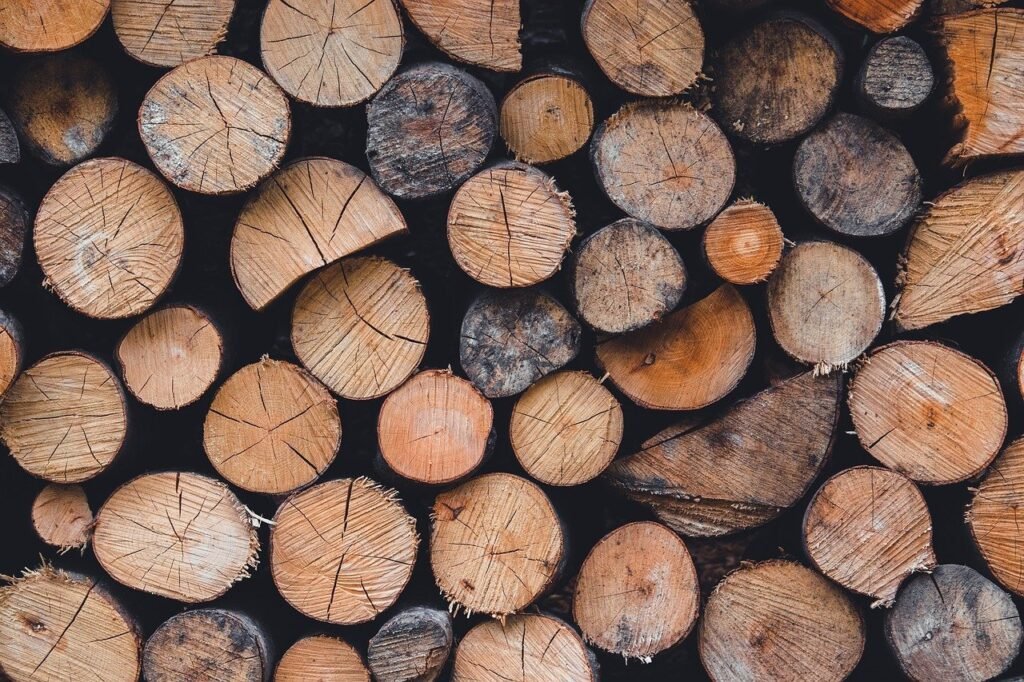
Wood isn’t uniform. Its appearance and structure vary depending on the species, the environment, and even the time of year it grew. One of the first things you might notice when looking at a cross-section of a tree is the pattern of annual rings.
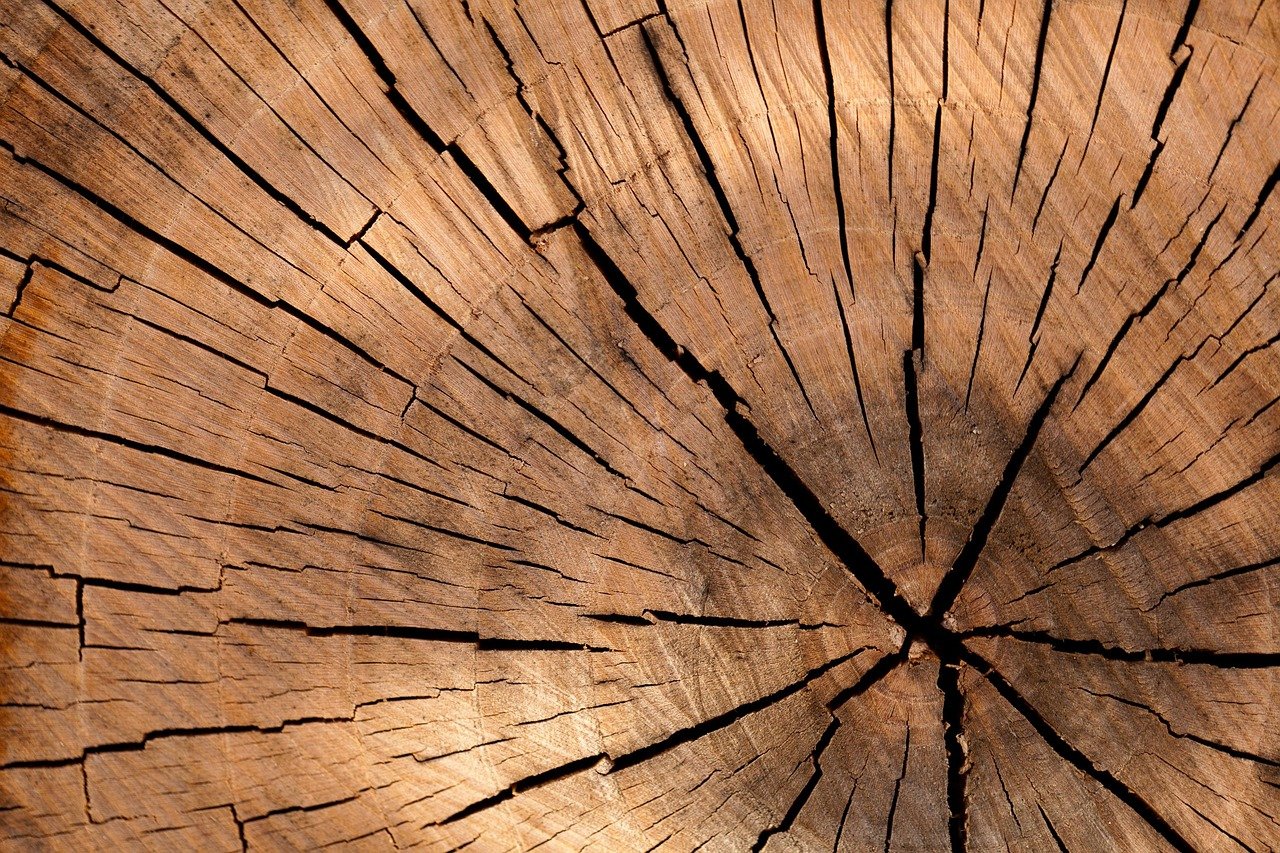
Each year, trees produce earlywood and latewood. Earlywood forms in the spring when the tree grows quickly. Its cells are wider and thinner-walled, making it lighter and less dense. Latewood forms later in the growing season, often in summer or early fall, when growth slows. Its cells are denser, thicker, and darker. The contrast between these layers creates the rings that tell a tree’s story.
Trees also fall into two broad categories: hardwoods and softwoods. Hardwoods come from angiosperms, or flowering plants, and often have vessels visible in their wood. Softwoods come from gymnosperms, like pines and firs, and mostly contain tracheids. Don’t be fooled by the names; softwoods can be very hard, and hardwoods can sometimes be softer. These distinctions are more about biology than strength. We talk a little bit more about this later in this article.
Environmental conditions shape wood as well. A year of plentiful rain will produce wide rings, while a drought will leave narrow, compressed rings. Damage from insects, fire, or disease can create irregular patterns. This is why wood can be seen as a living record of a tree’s environment and history.
Fun Fact
The pattern of tree rings can help scientists reconstruct past climates going back hundreds or even thousands of years, making trees natural climate archives.
How to Identify the Age of a Tree by Its Rings
If you’ve ever seen a cut tree trunk, you’ve noticed the rings radiating from the center. These annual rings in trees are more than pretty patterns—they’re a timeline of the tree’s life. Counting these rings is a method called dendrochronology, and it’s one of the most reliable ways to tell a tree’s age.
What Are Annual Rings?
Every year, a tree lays down a new layer of xylem. Earlywood forms during rapid growth, latewood forms later in the season, and together they make up a single ring. By counting these rings, you can estimate how old a tree is. If a tree has 50 rings, it’s roughly 50 years old.
How to Count Tree Rings
- Start with a clean cross-section or core sample.
- Identify the clear boundaries between rings—usually marked by color or density differences.
- Count each pair of earlywood and latewood layers as one year.
It’s straightforward in temperate climates, but tropical trees sometimes form less distinct rings, which can make counting trickier. In those cases, scientists rely on more advanced dendrochronology techniques.
Tree Rings Tell More Than Age
Tree rings don’t just indicate age—they also reveal historical weather patterns. Wide rings suggest favorable growing conditions, while narrow rings indicate stress, such as drought or nutrient deficiency. Scientists studying dendrochronology can even track historical fire events, insect outbreaks, and climate fluctuations through ring patterns.
Knowing how to read these rings can connect you to centuries of natural history, right through the fibers of a tree.
Wood’s Role in Economic Botany Collections
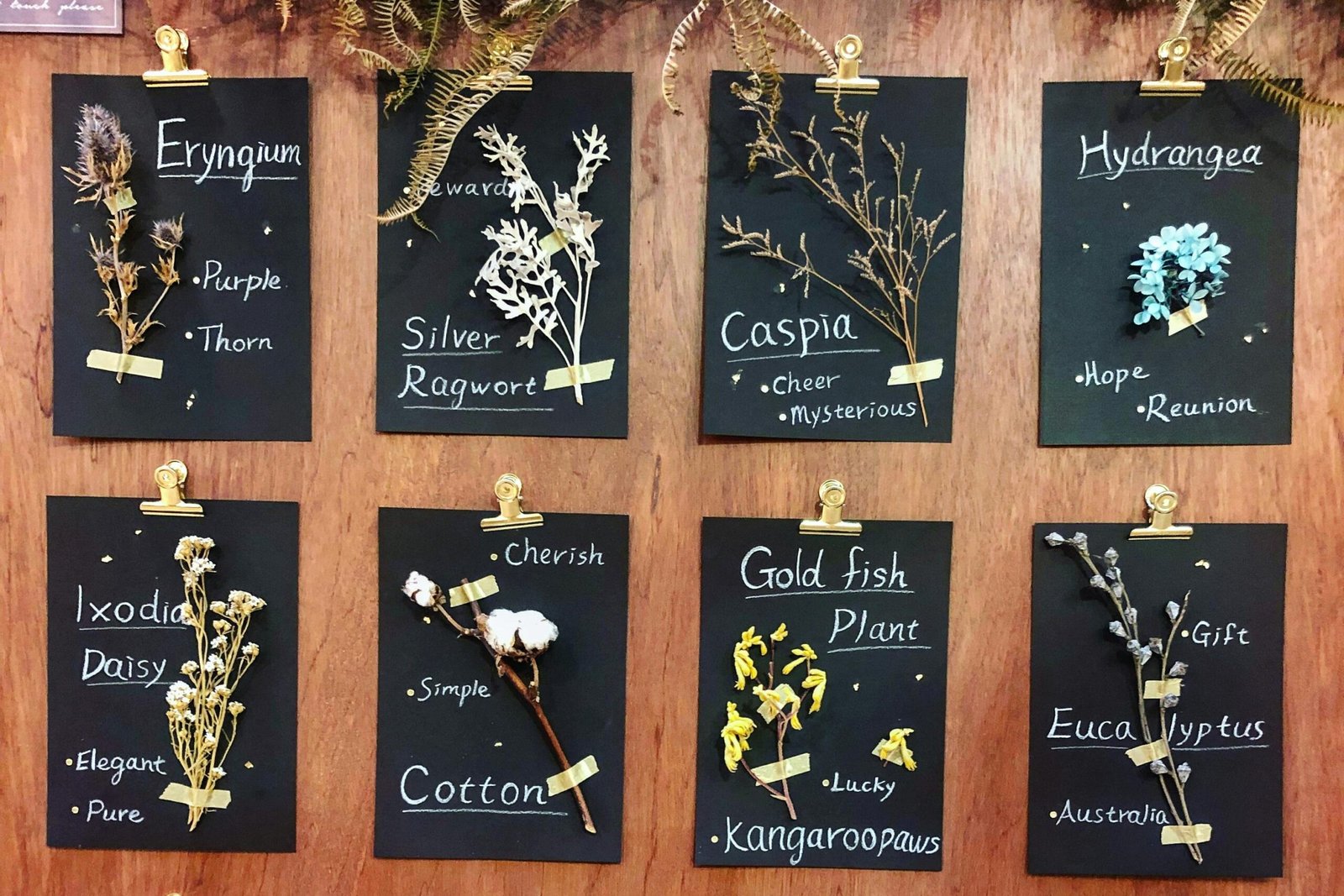
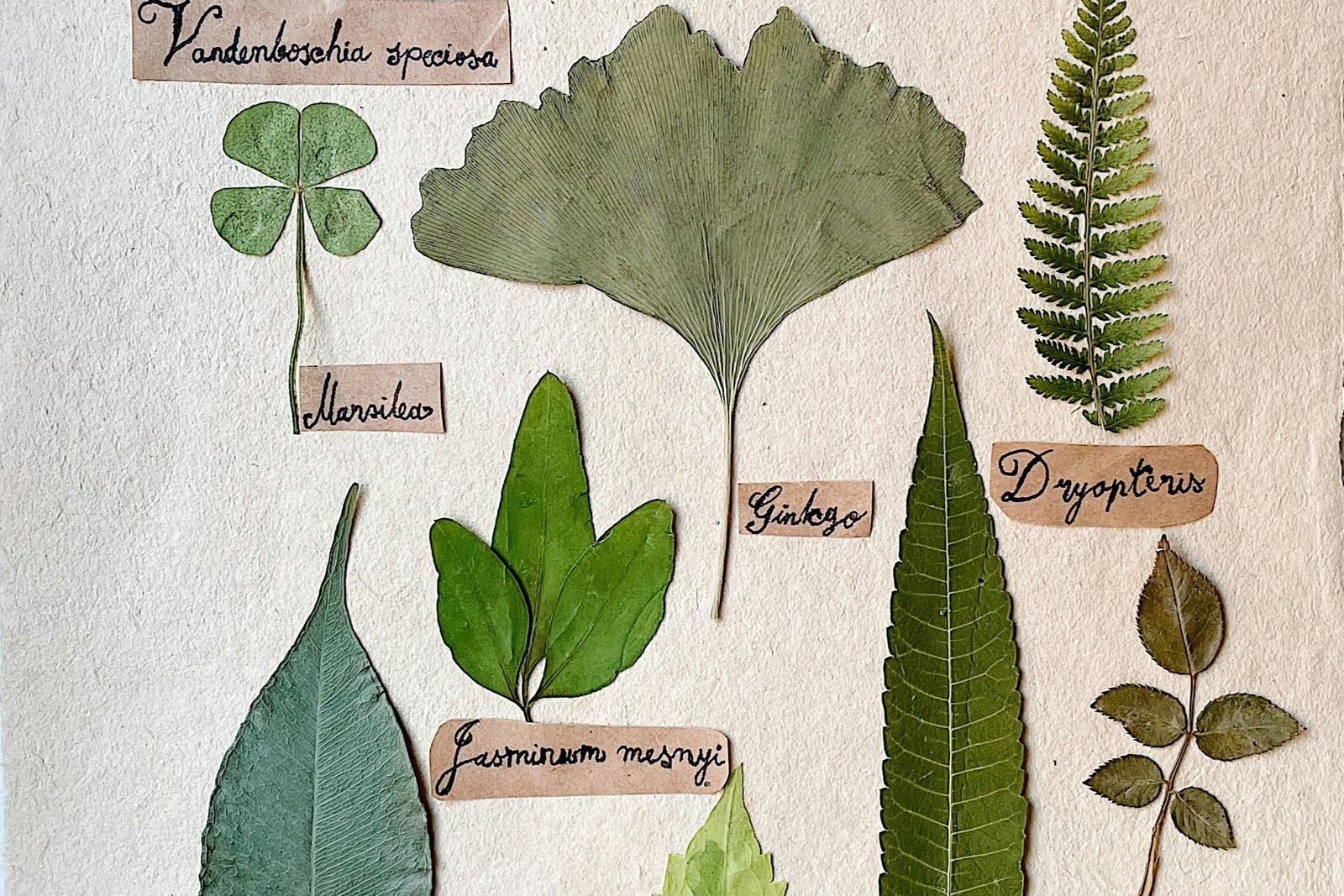
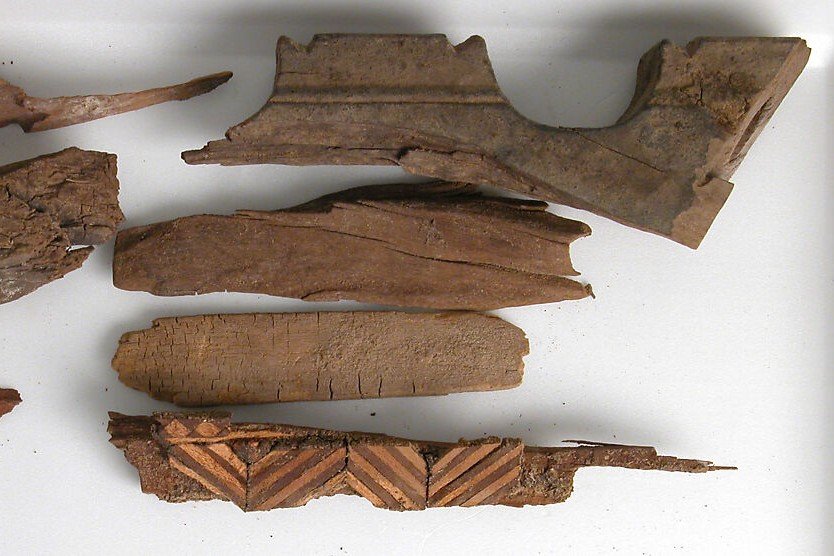
Economic botany studies plants with practical or commercial value to humans, and wood is a big part of that. Economic botany collections are repositories where scientists, educators, and researchers store samples of plant materials for study, teaching, and reference. These collections include seeds, fibers, leaves, and especially wood specimens.
Why is wood so important in these collections? Wood collections are similar to herbaria in that they contain a preserved part of a plant, identified and catalogued for science purposes.
These collections help identify timber species, which is crucial in preventing illegal logging and managing sustainable forestry. It also allows researchers to study anatomical differences between species and understand how wood properties relate to its commercial uses. Wood collections are important sources of information for the history of timber discovery and use. Museums and botanical institutions, like the Royal Botanic Gardens, Kew or the New York Botanical Garden, maintain extensive wood collections that serve as a reference for scientific and commercial purposes.
Wood Identification Techniques
In economic botany, identifying wood correctly is essential. Techniques include:
- Microscopic analysis of cell structure
- Grain pattern observation
- Density and hardness testing
These methods help ensure that wood used in furniture, construction, and other industries comes from the species it claims to be.
Wood in Industry and Sustainability
Wood is a cornerstone of multiple industries. From construction and furniture to paper and bioenergy, humans rely on it daily. By studying wood in economic botany collections, we can manage these resources responsibly, promote sustainable forestry, and reduce the ecological impact of logging.
How Environment Shapes Wood
The growth patterns of wood reflect its environment in remarkable ways. Trees adjust their growth depending on water, sunlight, temperature, and soil nutrients. A dry year produces narrow rings; a wet year produces wide ones. Even pollution, fire, or insect outbreaks leave marks visible in the wood.
Studying these environmental fingerprints not only tells us about the tree’s life but also provides clues about broader ecological trends over decades or centuries. For example, dendrochronologists can compare rings from trees across regions to study climate change over time.
Hardwood vs Softwood: What You Should Know
It’s easy to get confused about hardwoods and softwoods. People often assume hardwood is always strong and softwood is weak, but the truth is more nuanced. Hardwoods come from flowering trees, and softwoods come from conifers. The difference lies in the anatomy—hardwoods have vessels, softwoods mainly have tracheids.
This distinction matters when studying wood in economic botany collections or selecting timber for specific purposes. Hardwood species like oak and teak are often prized for furniture, while softwoods like pine and fir are used in construction and paper production.
Fun Ways to Explore Tree Rings
If you’re a hands-on learner, looking at tree rings can be surprisingly fun. You can take a cross-section from a fallen branch, sand it lightly, and use a magnifying glass to see the annual rings. Try to guess the age of the tree and notice the different widths of the rings. This simple exercise connects you to centuries of natural history and gives a practical glimpse into how trees record time.
The Bottom Line
Wood is more than just material for building or crafting—it’s a record of a tree’s life, an archive of environmental history, and a cornerstone of economic botany collections. By understanding how wood is formed, recognizing its unique characteristics, and learning to read tree rings, you can appreciate the stories hidden in every trunk.
From the vascular cambium that produces layers of xylem, to the darkened heartwood and visible annual rings, wood is a living document of time, climate, and survival. Studying it not only enhances our understanding of trees but also helps us manage resources responsibly, promote sustainable forestry, and connect to the natural world around us.
********************
If you enjoyed exploring the hidden life of trees, consider visiting your local botanical garden or arboretum to see tree rings and wood specimens in person—and keep learning about the incredible science written in every tree.