





The article is about how the Red Queen Hypothesis explains the constant evolutionary race in plants, shaping their anatomy, species, and even the ways we use them in agriculture and industry.
“Evolution isn’t about winning; it’s about staying in the race while the world keeps changing around you.” – The Economic Botanist
When you think about evolution, it’s easy to imagine animals fighting for survival or predators chasing prey. But did you know that plants are in a race too? They may not move, but their battles are just as fierce, hidden in the leaves, stems, and roots that make up their anatomy.
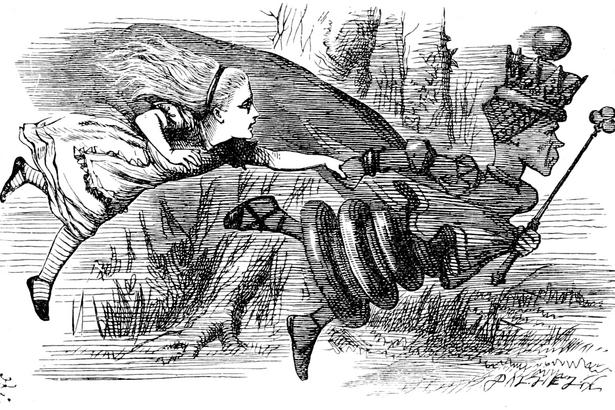
The Red Queen Hypothesis is a fascinating way to understand this ongoing struggle. Named after the Red Queen in Lewis Carroll’s Through the Looking-Glass, who says you have to run just to stay in the same place, this idea tells us that plants are constantly evolving to keep up with threats from herbivores, pathogens, and even other plants. And all this evolutionary drama doesn’t just shape nature—it directly affects the crops we grow, the medicines we rely on, and the industries built on plant products.
Understanding how evolution drives plant anatomy and species diversification is key for anyone interested in economic botany. By looking at plant defenses, chemical strategies, and anatomical innovations, we can see the story of life’s constant arms race and how it influences our world today.
- What Is the Red Queen Hypothesis and Why Does It Matter in Plants?
- How Plant Anatomy Reflects the Red Queen Race
- Coevolution, Speciation, and Plant Diversity
- Red Queen Dynamics in Agriculture and Crop Evolution
- Economic Botany: Why Evolution Matters to Human Industry
- Climate Change and the Accelerated Red Queen Effect
- The Bottom Line
What Is the Red Queen Hypothesis and Why Does It Matter in Plants?
The Red Queen Hypothesis is a concept from evolutionary biology that explains why species have to keep evolving constantly. It was introduced in 1973 by the evolutionary theorist and paleobiology pioneer Leigh Van Valen in a paper on evolutionary biology.
It’s not about being “better” in some permanent way. Instead, organisms must adapt just to survive alongside competitors, pests, and diseases. In plants, this means developing clever structural defenses, chemical weapons, and reproductive strategies that keep them in the game.
Plants face an uphill battle. They can’t run away from herbivores or pathogens, so their anatomy and biochemistry become their weapons. Over thousands and millions of years, this creates the incredible diversity of plant life we see today. From towering trees with strong wood to tiny herbs with chemical defenses stored in microscopic trichomes, every plant tells a story of adaptation and resilience.
The Red Queen dynamic in plants also drives speciation. When plants evolve to defend themselves from certain insects or pathogens, they may also evolve to attract or specialize with certain pollinators. This often creates reproductive isolation, meaning new species can emerge. So, every leaf, stem, or flower shape may be a small victory in the ongoing evolutionary race.
How Plant Anatomy Reflects the Red Queen Race
Plant anatomy is like a battlefield written in cells, tissues, and chemicals. Every adaptation has a story of survival behind it. Let’s break down some key ways anatomy reflects Red Queen dynamics.
Structural Defenses in Plants
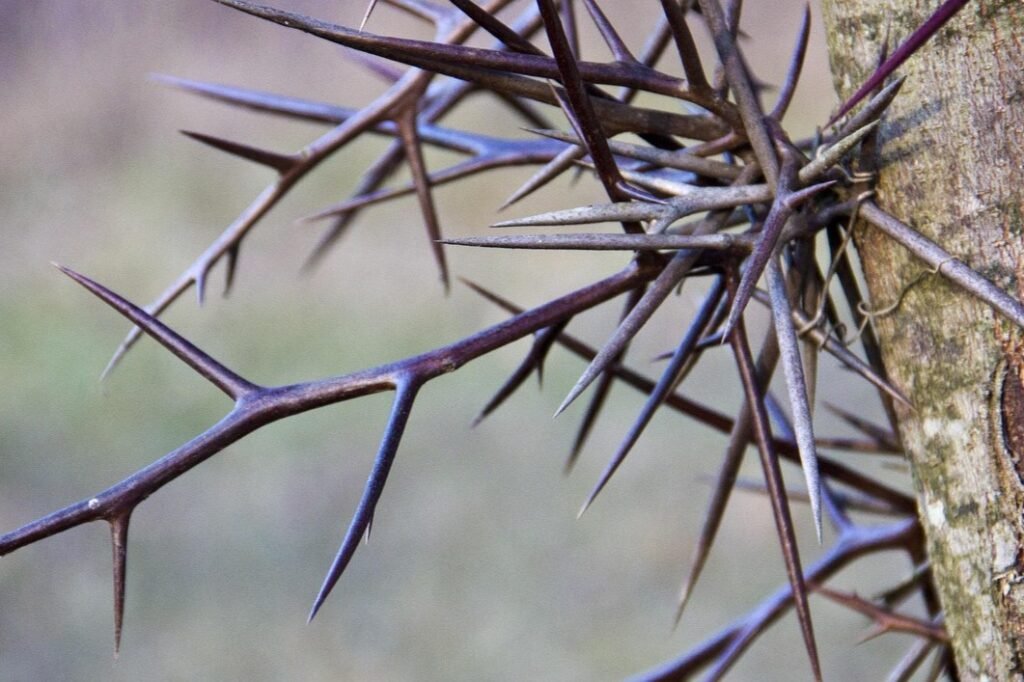
One of the first lines of defense in plants is their structure. Thickened cell walls, lignified tissues, tough bark, and waxy cuticles protect plants from being eaten or infected. Trichomes, those tiny hair-like structures, can physically deter herbivores and trap tiny insects. Even the arrangement of leaves can help a plant reduce damage from grazing animals.
Fun Fact
Some plants have evolved “window leaves” where only a small part of the leaf is exposed to the sun, hiding most of their tissue from predators and harsh environments.
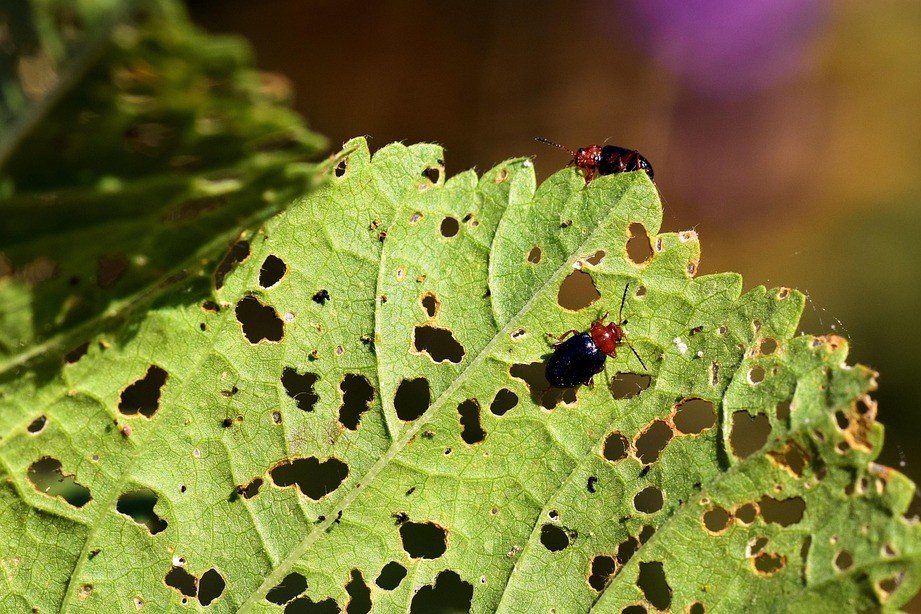
These structural traits evolve in response to pressures from herbivores and pathogens. But the pests aren’t passive—they adapt too, chewing through bark, boring into wood, or secreting enzymes to break down defenses. This back-and-forth keeps the evolutionary arms race in motion.
Vascular Tissue and Growth Strategies
Plants need to transport water and nutrients efficiently, so the evolution of vascular tissue—xylem and phloem—has been essential. But it’s not just about efficiency; vascular tissues also influence plant height and growth patterns, allowing plants to compete for sunlight in forests and grasslands. Taller plants can outcompete neighbors for light, but that height comes with trade-offs, including vulnerability to wind damage and certain pests.
This competition and adaptation show another Red Queen effect. Plants constantly adjust their growth and anatomical strategies to maintain their place in crowded ecosystems.
Chemical Defenses and Specialized Structures
Many of the most fascinating plant adaptations are chemical. Plants produce alkaloids, terpenoids, and phenolics—compounds that deter herbivores, inhibit microbial infections, or even attract pollinators. These chemicals often live in specialized anatomical structures, like resin ducts, glandular trichomes, or secretory cavities.
The integration of chemistry and anatomy is key to plant survival. Herbivores evolve detoxification strategies, microbes evolve enzymes to bypass chemical defenses, and plants respond with new compounds. This ongoing tug-of-war demonstrates the Red Queen Hypothesis in action.
Fun Fact
The caffeine in coffee plants originally evolved as a natural pesticide to ward off insects, but now it fuels one of the world’s most popular beverages.
Coevolution, Speciation, and Plant Diversity
The Red Queen Hypothesis doesn’t just affect individual plants—it shapes entire species and ecosystems. Continuous adaptation can drive speciation in several ways:
- Host-pathogen coevolution: Plants develop resistance genes, while pathogens evolve new virulence strategies.
- Plant-herbivore arms races: Insects and herbivores evolve ways to bypass defenses, leading plants to develop stronger or more complex adaptations.
- Pollinator-driven evolution: Flowers evolve shapes, colors, and scents to attract specific pollinators, creating reproductive isolation and new species over time.
This constant coevolution explains why plant biodiversity is so high. Evolution isn’t a straight path but a web of interactions where every adaptation influences another.
Red Queen Dynamics in Agriculture and Crop Evolution
The Red Queen Hypothesis isn’t just academic—it directly affects the food we grow. Farmers and breeders face this evolutionary arms race every day. When we develop a crop resistant to a disease, the pathogen evolves. That’s why rust fungi, blight, and viral diseases can suddenly overcome previously resistant crops.
Understanding Red Queen dynamics helps us design smarter crop breeding programs. Introducing genetic diversity, using wild relatives for resistance genes, and rotating crops are all ways we try to stay ahead in this evolutionary race. The same principles apply to sustainable agriculture—diverse ecosystems are more resilient to pathogens because evolution can’t exploit a single weak link.
Economic Botany: Why Evolution Matters to Human Industry
Economic botany looks at how humans use plants for food, medicine, fiber, timber, and more. Red Queen evolution has directly shaped these plant traits.
- Medicinal plants: Many bioactive compounds evolved as defenses against herbivores and pathogens. Today, these same compounds are valuable pharmaceuticals, herbal remedies, and flavorings.
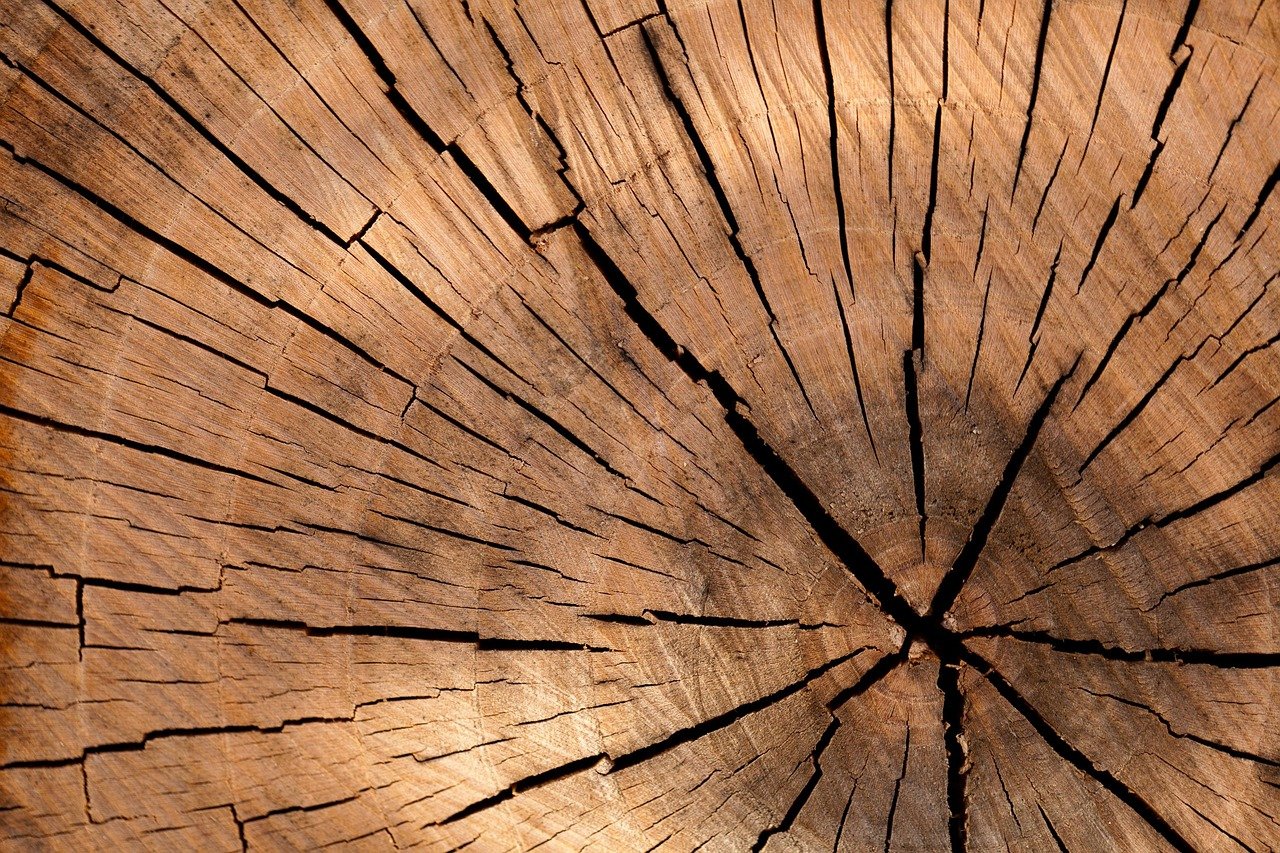
- Timber and structural materials: Wood anatomy evolved for strength and efficiency, which now underpins the forestry industry. Plants with stronger, denser wood resist pests and provide better commercial material.
- Food crops: Secondary metabolites influence flavor, nutrition, and storage properties. Evolutionary pressures that shaped plant chemistry now benefit our diets and food security.
By understanding plant evolution, we can better preserve wild genetic resources, improve crop resilience, and develop sustainable industries that rely on plant products.
Climate Change and the Accelerated Red Queen Effect
Climate change is speeding up Red Queen dynamics. Rising temperatures, shifting rainfall, and new pest invasions increase the pressure on plants. Crops and wild plants alike must adapt faster than ever. This makes evolutionary insights crucial for anyone working in agriculture, forestry, or economic botany. By anticipating how plants and pathogens respond to changing conditions, we can develop systems that stay resilient in an unpredictable world.
The Bottom Line
The Red Queen Hypothesis shows us that evolution is never finished—it’s a constant race. Plant anatomy, chemical defenses, reproductive strategies, and species diversity all reflect this ongoing struggle. For anyone interested in economic botany, agriculture, or sustainability, understanding these evolutionary dynamics is essential. The plants that feed us, heal us, and build our industries are products of millions of years of evolutionary arms races. Recognizing this helps us design smarter crops, protect biodiversity, and make better use of plant resources.
********************
If you want to see how science can improve the plants in your garden, the crops on your plate, or the medicines you rely on, start paying attention to how evolution shapes the world around you—you’ll be amazed by the stories hidden in every leaf and stem.