
Scientific name: Melissa officinalis L.
Family: Lamiaceae
If you’ve ever brushed against a lemon balm plant on a warm afternoon, you know the magic. One gentle touch, and the air fills with a soft, sweet lemon scent. It’s fresh, calming, and just a little nostalgic.
Lemon balm is a member of the mint family and one of the most beloved medicinal and culinary herbs in the world. It’s easy to grow, generous in the garden, and backed by centuries of traditional use and modern scientific research. Universities such as the University of Maryland Medical Center and institutions like the Royal Botanic Gardens, Kew have documented its long history in herbal medicine, especially for calming the nervous system and supporting digestion.
In this Plant Compendium entry, you’ll learn everything you need to know about growing, harvesting, cooking with, and understanding the health benefits of lemon balm. Whether you’re planting your first herb bed or expanding your herbal apothecary, this guide will help you feel confident and informed.
History of Lemon Balm
Lemon balm has been soothing humans for more than 2,000 years. Native to southern Europe and the Mediterranean region, it spread widely through monastic gardens during the Middle Ages.
The ancient Greek physician Dioscorides wrote about lemon balm’s medicinal properties in the first century. Later, Persian polymath Avicenna recommended it for lifting the spirits and strengthening the heart. By the medieval period, European herbalists were using lemon balm to ease nervousness, promote sleep, and calm digestive upset.
In the 1600s, Carmelite monks in France created “Carmelite water,” a distilled herbal tonic featuring lemon balm as a key ingredient. This preparation became famous for easing headaches and stress.
Modern research institutions such as the University of North Carolina and the Royal Botanic Gardens, Kew continue to document the plant’s chemical compounds, especially rosmarinic acid and essential oils, which explain many of its traditional uses.
If you grow lemon balm today, you’re participating in a very old tradition.
Botanical Description
Lemon balm belongs to the Lamiaceae (mint) family. If you’ve grown mint before, you’ll recognize some familiar features.
Roots: Lemon balm has a shallow, fibrous root system. It spreads through underground rhizomes, which means it can slowly form dense clumps. While not as aggressive as some mints, it can still wander if left unchecked.
Stems: The stems are square-shaped, a classic mint family trait. They are soft, slightly hairy, and branch readily. Mature plants usually grow 1–2 feet tall.
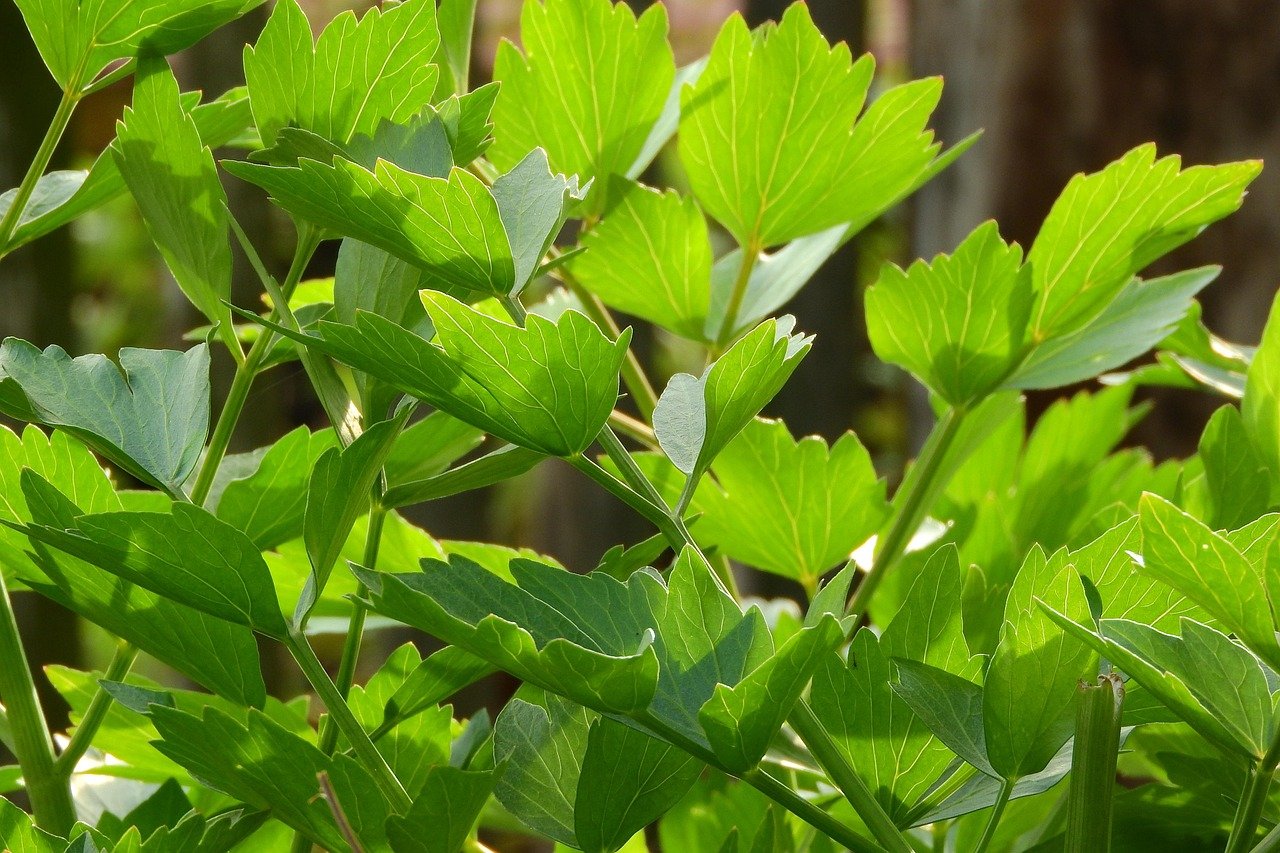
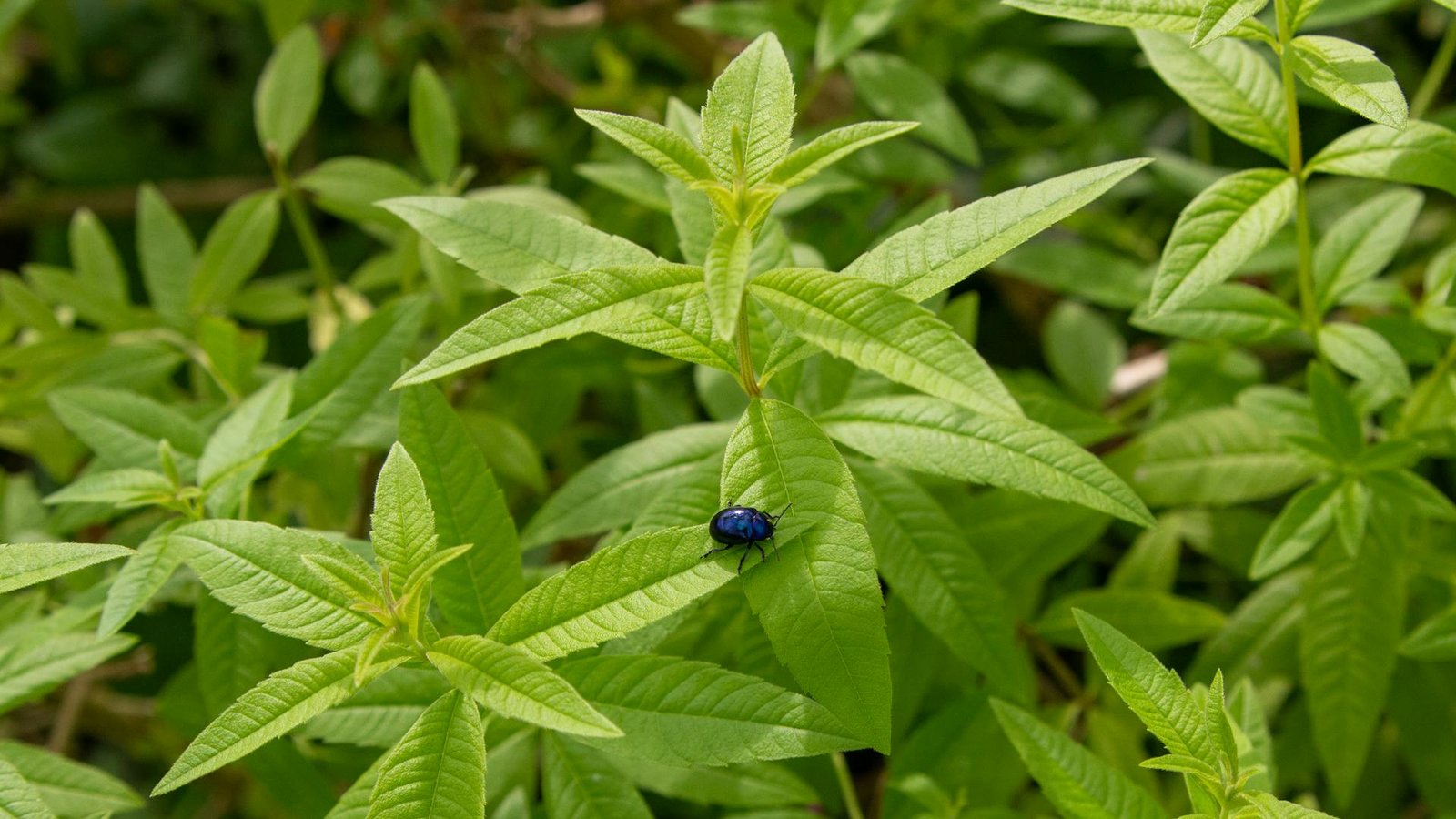
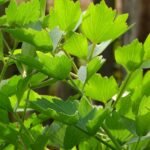
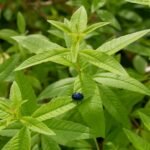
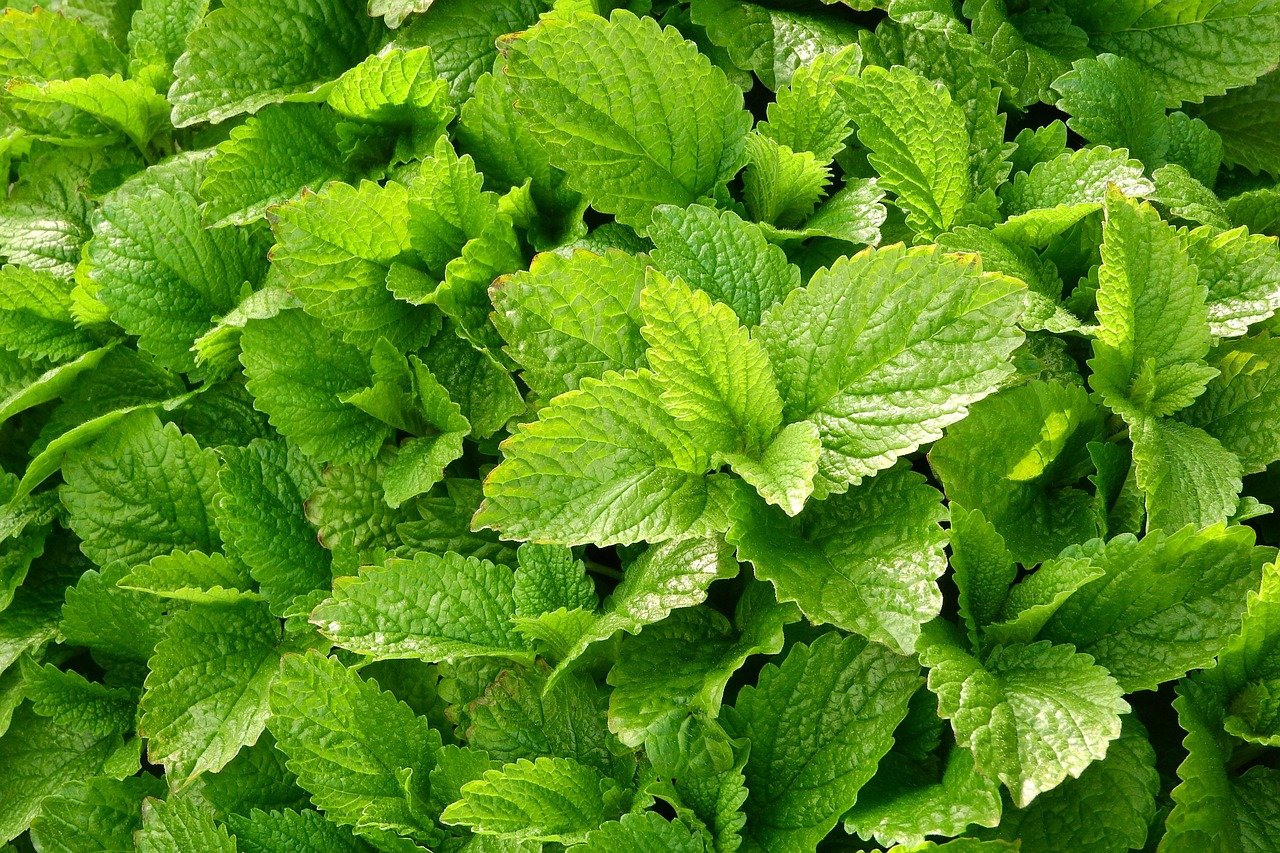
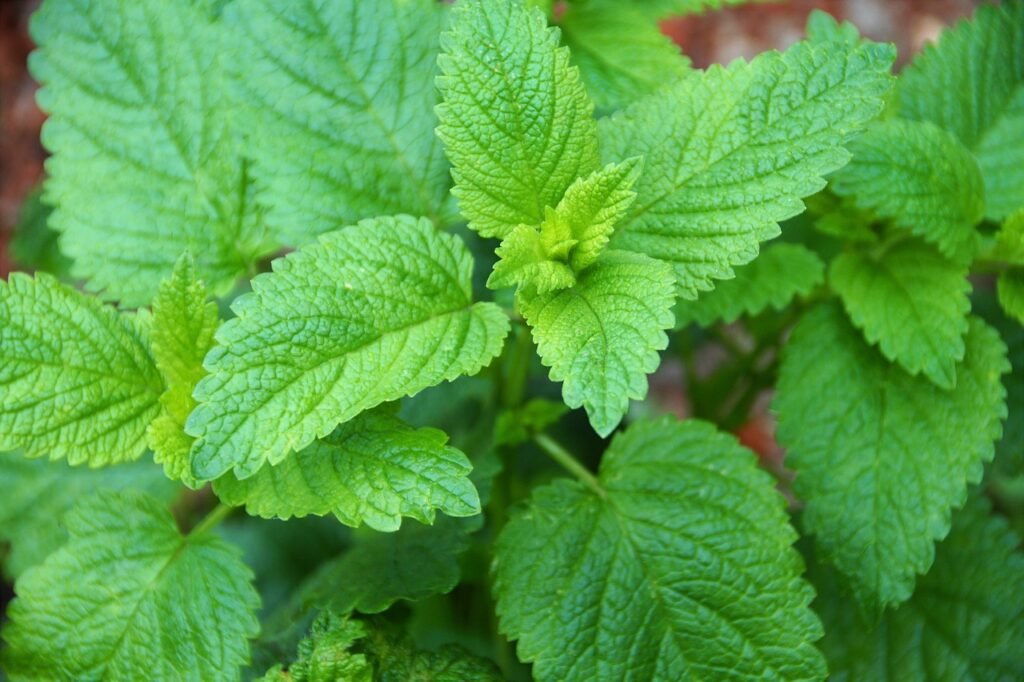
Leaves: The leaves are heart-shaped, bright green, and gently wrinkled with scalloped edges. When you crush them, they release a strong lemon scent. This fragrance comes from volatile oils such as citral and citronellal.
Flowers: Small white to pale yellow flowers bloom in summer. They grow in clusters where the leaf meets the stem. Bees absolutely love them — the genus name Melissa actually means “honeybee” in Greek.
Fruits: After flowering, the plant produces tiny dry fruits typical of the mint family.
Seeds: Each flower forms small nutlets containing seeds. Lemon balm readily self-seeds in favorable conditions, which can lead to naturalized patches in the garden.
Growing Instructions
Here’s everything you need to know to get lemon balm off to a great start:
Sunlight: Lemon balm thrives in full sun to partial shade. In cooler climates, full sun produces the most fragrant leaves. In hot southern regions, afternoon shade helps prevent stress and leaf scorch.
Soil: Well-drained, moderately fertile soil is ideal. Lemon balm isn’t overly picky, but it prefers slightly moist, loamy soil. A pH between 6.0 and 7.5 works well.
Temperature: This herb grows best in temperate climates. It is hardy in USDA zones 4–9. In colder zones, the top growth dies back in winter and regrows in spring.
Watering: Keep the soil evenly moist but not waterlogged. Once established, lemon balm is somewhat drought-tolerant, but regular watering keeps the leaves tender and flavorful.
Spacing: Space plants 12–18 inches apart. They will fill in quickly.
Pruning: Frequent pruning encourages bushier growth and prevents legginess. Pinch back stems before flowering if you want the strongest lemon scent in the leaves.
Support: Lemon balm does not require staking or structural support.
Life Cycle: Lemon balm follows a typical life cycle consisting of germination, vegetative growth, flowering, fruit set, and seasonal dieback in colder climates.
- Germination: Seeds germinate in 7–14 days in warm soil. Light aids germination, so do not bury seeds too deeply.
- Vegetative Growth: Plants focus on leaf production during spring and early summer. This is when essential oil content is often highest.
- Flowering: Flowering usually begins in mid to late summer. Pollinators are heavily attracted at this stage.
- Fruit Set: After pollination, seeds form quickly.
- End of Season: In cold climates, frost kills back top growth. In mild climates, plants may remain semi-evergreen.
Harvesting and Foraging
Harvesting
Harvest lemon balm in the morning after dew dries but before the heat of the day.
For best flavor:
- Cut stems just before flowering.
- Use sharp scissors to avoid bruising.
- Leave at least two-thirds of the plant intact.
You can harvest multiple times per season. Regular cutting actually improves plant shape and productivity.
Foraging
Lemon balm sometimes escapes cultivation. When foraging:
- Confirm identification by scent and square stems.
- Avoid roadside plants that may be contaminated.
- Harvest responsibly, taking no more than one-third of a wild patch.
Plant Companions
Lemon balm pairs well with:
It attracts pollinators and beneficial insects, which can improve nearby crop yields. However, because it spreads, consider planting it in containers if you want to control its growth.
Common Pests and Diseases
Lemon balm is relatively pest-resistant.
Common issues include:
- Aphids
- Spider mites
- Powdery mildew in humid conditions
- Root rot in poorly drained soil
Good air circulation and proper spacing reduce disease risk. Most problems are manageable with simple organic gardening practices.
Shopping Tips
When buying lemon balm:
- Look for vibrant green leaves.
- Avoid plants with yellowing or wilting foliage.
- Check for signs of aphids under leaves.
- Choose compact, bushy growth over tall, leggy stems.
Seeds should be fresh and sourced from reputable suppliers.
Storage
Fresh lemon balm is best used immediately, but you can store it:
- Refrigerate fresh stems in a damp paper towel for up to 5 days.
- Dry leaves in a dark, well-ventilated space.
- Freeze chopped leaves in ice cube trays with water.
Dried lemon balm retains mild flavor but loses some of its volatile oils over time.
Culinary Uses
If you love cooking with herbs, lemon balm is a quiet star. It doesn’t shout the way basil or rosemary might. Instead, it whispers. Its flavor is softer than lemon zest and less sharp than lemon juice. Think gentle citrus with a hint of mint and a touch of green freshness.
One of the reasons lemon balm works so well in the kitchen is that it adds brightness without acidity. You get the idea of lemon without changing the chemistry of your dish. That makes it incredibly versatile.
It’s best used fresh, since heat can quickly fade its delicate oils. Add it at the end of cooking or use it raw whenever possible.
Fresh Uses
Fresh lemon balm is where the magic happens. The leaves are tender, aromatic, and flexible in both sweet and savory dishes.
- Chop into green salads for a lemon lift: Toss a handful of finely sliced leaves into mixed greens. It pairs especially well with butter lettuce, arugula, and shaved fennel. The herb brightens vinaigrettes without extra vinegar.
- Add to fruit salads, especially berries and melon: Lemon balm enhances strawberries, raspberries, blueberries, peaches, and watermelon. It pulls out their natural sweetness and adds a subtle herbal layer.
- Stir into yogurt or soft cheese: Mix chopped leaves into Greek yogurt with honey for a simple dessert. Or fold into goat cheese with a drizzle of olive oil and cracked pepper for a fresh spread.
- Blend into smoothies: Add a few leaves to green smoothies with spinach, banana, and pineapple. It gives a refreshing citrus note without overpowering the fruit.
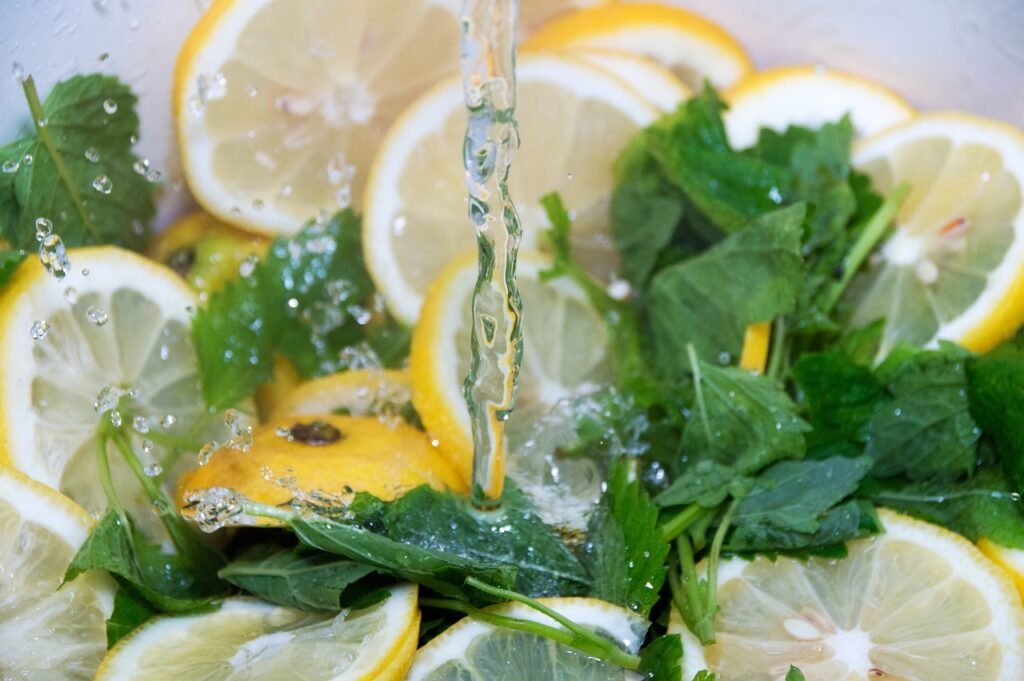
- Infuse into lemonade or iced tea: Lightly bruise the leaves before steeping to release the oils. The result is cooling, fragrant, and incredibly refreshing on a hot day.
You can also:
- Add to sparkling water with cucumber.
- Blend into pesto (replace part of the basil).
- Toss into chopped herb mixes like tabbouleh.
Desserts
Lemon balm truly shines in desserts. Its flavor is gentle, so it complements creamy and sweet dishes without competing.
Lemon balm shines in:
- Custards
- Ice cream
- Shortbread cookies
- Syrups for cakes
Try steeping the leaves in warm milk before making panna cotta. You’ll get a subtle citrus note without acidity. Strain the leaves out before setting the dessert.
You can also:
- Infuse simple syrup with lemon balm and drizzle over sponge cake.
- Add finely minced leaves to sugar before baking cookies.
- Steep in cream for whipped toppings.
- Make lemon balm jelly for toast or pastry fillings.
Because lemon balm isn’t acidic, it won’t curdle dairy. That makes it ideal for creamy desserts where lemon juice might be too harsh.
Savory Dishes
Lemon balm works beautifully in savory cooking, especially when you want brightness without tartness.
Use lemon balm in:
- Herb butters
- Marinades for fish
- Light cream sauces
- Grain salads
It pairs beautifully with chicken, trout, and fresh vegetables.
For example:
- Blend lemon balm into softened butter with garlic and sea salt. Spread it over grilled fish or roasted vegetables.
- Add to olive oil with white wine, shallots, and a splash of stock for a light pan sauce.
- Toss into quinoa or farro salads with cucumber and feta.
- Stir into scrambled eggs just before serving.
Because the flavor is delicate, add it at the end of cooking. High heat can dull its citrus aroma.
Herbal Tea and Infusions
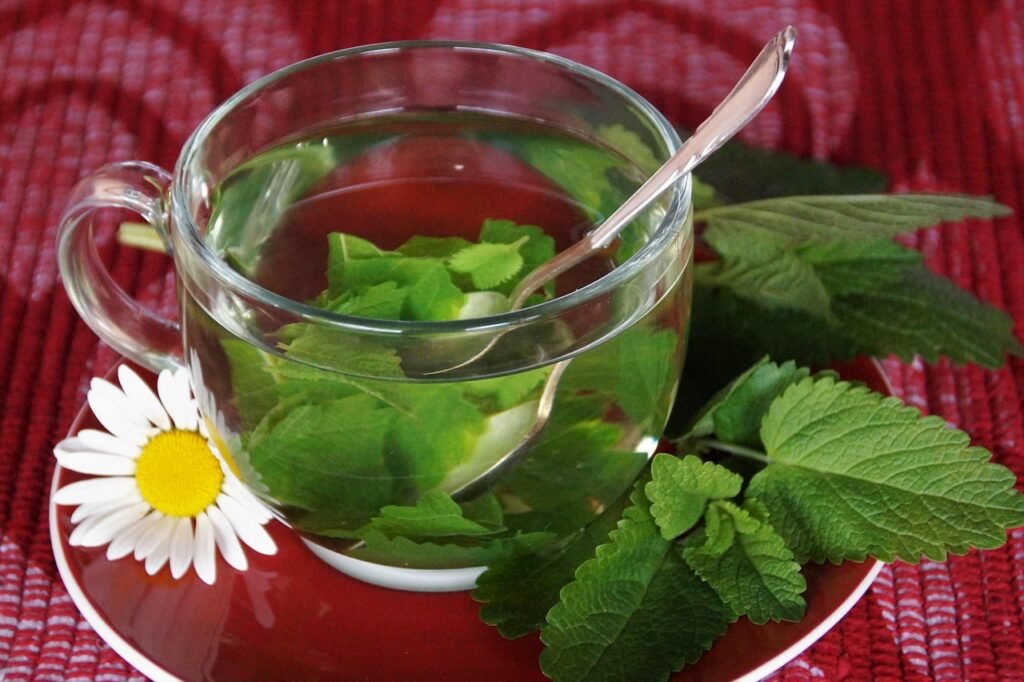
One of the most popular lemon balm uses is herbal tea. Simply pour hot (not boiling) water over fresh leaves and steep for 5–10 minutes. The result is gently lemony, calming, and slightly sweet.
For a stronger infusion:
- Lightly crush the leaves first.
- Cover the cup while steeping to keep volatile oils from escaping.
You can combine lemon balm with:
- Mint for a cooling blend
- Chamomile for a relaxing evening tea
- Ginger for digestive support
A Chef’s Perspective
Think of lemon balm as a finishing herb — like a squeeze of lemon, but softer. It’s especially useful when you want citrus flavor without adding acid to:
- Dairy-based dishes
- Delicate sauces
- Egg recipes
- Mild fish
If you grow it in your garden, you’ll start noticing how often you reach for it. A few leaves can transform a simple dish into something layered and fresh.
And once you taste it freshly picked, still warm from the sun, you’ll understand why cooks and herbalists have treasured it for centuries.
Health Benefits
Lemon balm is one of the most researched calming herbs. Modern studies, including those referenced by academic institutions such as the University of Maryland Medical Center, highlight several potential benefits.
Stress and Anxiety Support
Lemon balm contains rosmarinic acid and other compounds that may support GABA activity in the brain. GABA helps calm nervous system activity.
You may notice:
- Reduced nervous tension
- Improved mood
- Better focus under stress
Sleep Support
Lemon balm is often combined with valerian in sleep formulas. Studies suggest it may improve sleep quality in people with mild insomnia.
Digestive Support
Traditionally, lemon balm has been used for:
- Gas
- Bloating
- Mild stomach cramps
Its gentle antispasmodic effects can relax digestive muscles.
Cognitive Function
Preliminary research suggests lemon balm extracts may improve memory and alertness in certain settings.
Antiviral Properties
Topical creams containing lemon balm extract have shown effectiveness against cold sores caused by herpes simplex virus.
As always, health benefits depend on dosage, preparation, and individual response.
Toxicity and Safety
Lemon balm is generally recognized as safe when consumed in culinary amounts.
Precautions:
- Large medicinal doses may cause drowsiness.
- People with thyroid conditions should consult healthcare providers before concentrated use.
- Always verify plant identification when foraging.
Pregnant or breastfeeding individuals should seek professional medical advice before medicinal use.
Environmental Impact
Lemon balm is pollinator-friendly and supports bee populations.
It can naturalize but is not typically classified as invasive in most regions. However, it may spread aggressively in ideal conditions.
Because it requires minimal chemical input and attracts beneficial insects, lemon balm fits beautifully into sustainable garden systems.
If you plant it, you’re not just growing an herb. You’re growing a small ecosystem booster — one that feeds bees, flavors your kitchen, and supports your well-being.
And honestly, few plants give you so much in return for so little effort.