








The article is about how plants have shaped the world of alcoholic drinks, from ancient rituals to the bottles on your shelf today.
“Alcohol is nature’s way of turning plants into stories we can sip.” – The Economic Botanist
When you think about alcoholic drinks, what probably comes to mind are the classics: a cold beer, a crisp wine, or a smooth whiskey. But did you know that all these beverages share a common origin? They start with plants. From grains and fruits to herbs and botanicals, humans have relied on the natural world to craft drinks that are more than just liquid—they are history, culture, and science all in a glass.
Alcoholic drinks made from plants have shaped societies for thousands of years. They’ve been central to celebrations, rituals, and even medicine. Today, they continue to connect us with our traditions while offering new tastes and experiences. In this article, we’ll explore the fascinating world of plant-based alcohol: the plants behind your favorite drinks, their historical roots, and the cultural significance they carry.
Historical Origins of Alcoholic Drinks from Plants
Humans have been turning plants into alcohol for millennia. Archaeologists have found evidence of fermented drinks dating back as far as 7000 BCE in China, made from rice, honey, and fruit. In ancient Mesopotamia, barley was the foundation for beer, while grapes became central to wine production in Egypt and the Mediterranean.
Alcohol wasn’t just for fun—it played a critical role in rituals, medicinal practices, and social gatherings. Drinking was often tied to spiritual beliefs, communal bonding, and even economic trade. Many societies viewed plant-based alcoholic beverages as a gift from nature, something to respect and celebrate.
The history of alcoholic beverages is also a story of experimentation. Early humans discovered fermentation by accident when plant sugars met wild yeast. Over time, they refined the process, leading to the rich variety of drinks we enjoy today.
Types of Plants Used to Make Alcohol
Grains and Cereals
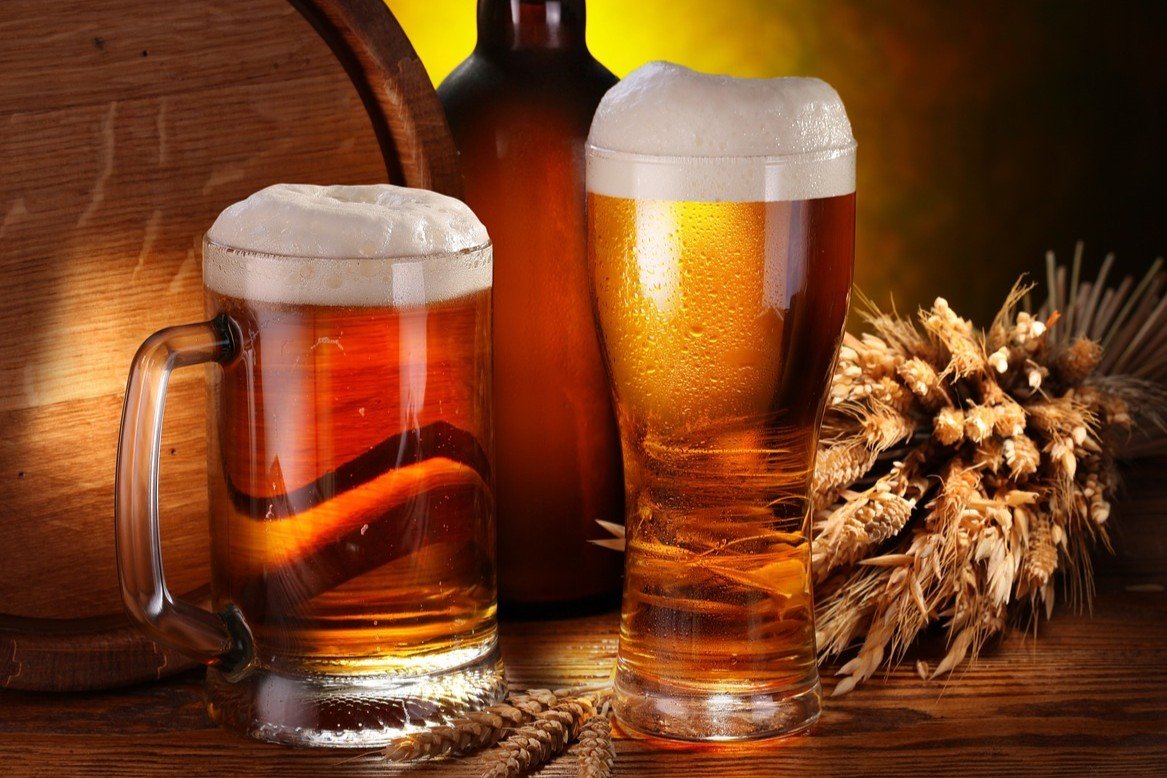
Grains are among the most widely used plants in alcohol production. Barley, wheat, corn, and rice provide the starches needed for fermentation. When yeast consumes these starches, it produces alcohol and carbon dioxide, forming the base of beer, whiskey, and sake.
Fun Fact
The earliest known beer recipes come from Sumerian tablets over 4,000 years old, showing how central grains have been to human culture.
Different regions favor different grains. For instance, barley dominates in European beers and Scotch whisky, while rice is the foundation of Japanese sake. Corn shines in American bourbon. The choice of grain not only affects flavor but also ties a drink to its cultural roots.
Fruits
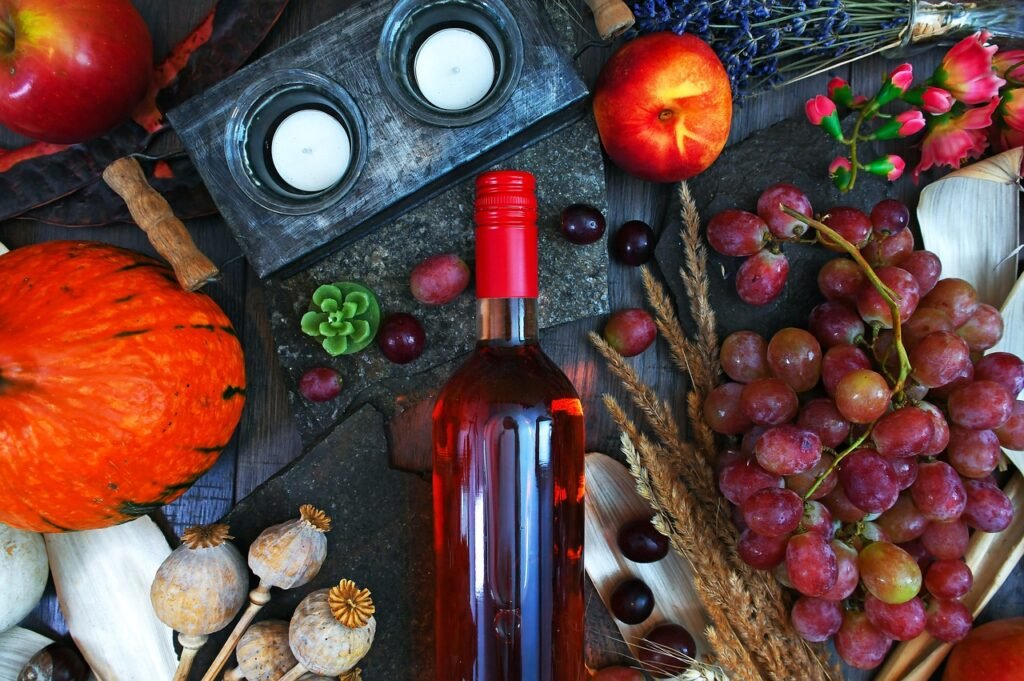
Fruits bring natural sugars to the fermentation process, making them perfect for wines, ciders, and fruit brandies. Grapes are the most famous, of course, but apples, berries, and tropical fruits like mangoes and pineapples also contribute to alcohol production.
Fruit-based alcoholic drinks often reflect the local climate and culture. For example, cider has deep roots in European history, while tropical fruits inspired traditional liqueurs in the Caribbean.
Herbs and Botanicals
Herbs and botanicals add flavor, aroma, and sometimes even medicinal properties. Think of juniper berries in gin or wormwood in absinthe. Agave plants are essential for tequila, and various herbs create bitters or herbal liqueurs.
These plants not only enhance flavor but also carry cultural significance. Absinthe, for instance, was once considered both a creative stimulant and a controversial drink in European artistic circles.
Other Plants
Some alcoholic beverages come from less obvious sources, showing just how creative humans have been with plants. Honey, for instance, becomes mead—the world’s oldest known fermented drink, enjoyed for thousands of years across Europe, Africa, and Asia. Maple sap can be fermented into maple wine, a sweet, uniquely North American twist on plant-based alcohol. Even cacti have inspired ritual drinks in certain indigenous cultures, connecting alcohol with spirituality and ceremony.
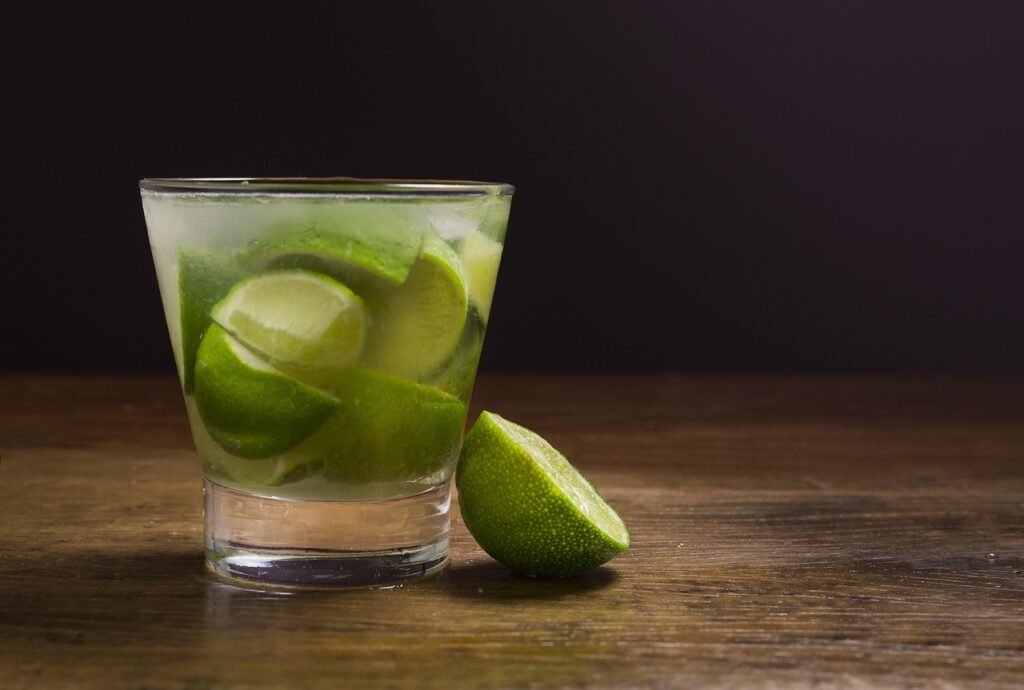
Sugarcane deserves a special mention here. In Brazil, sugarcane juice is fermented and distilled into cachaça, a spirit that dates back to the 16th century. Cachaça is the backbone of the iconic Caipirinha cocktail and remains a symbol of Brazilian culture and celebration. Its production highlights the versatility of plants, turning a simple tropical grass into a world-famous distilled beverage.
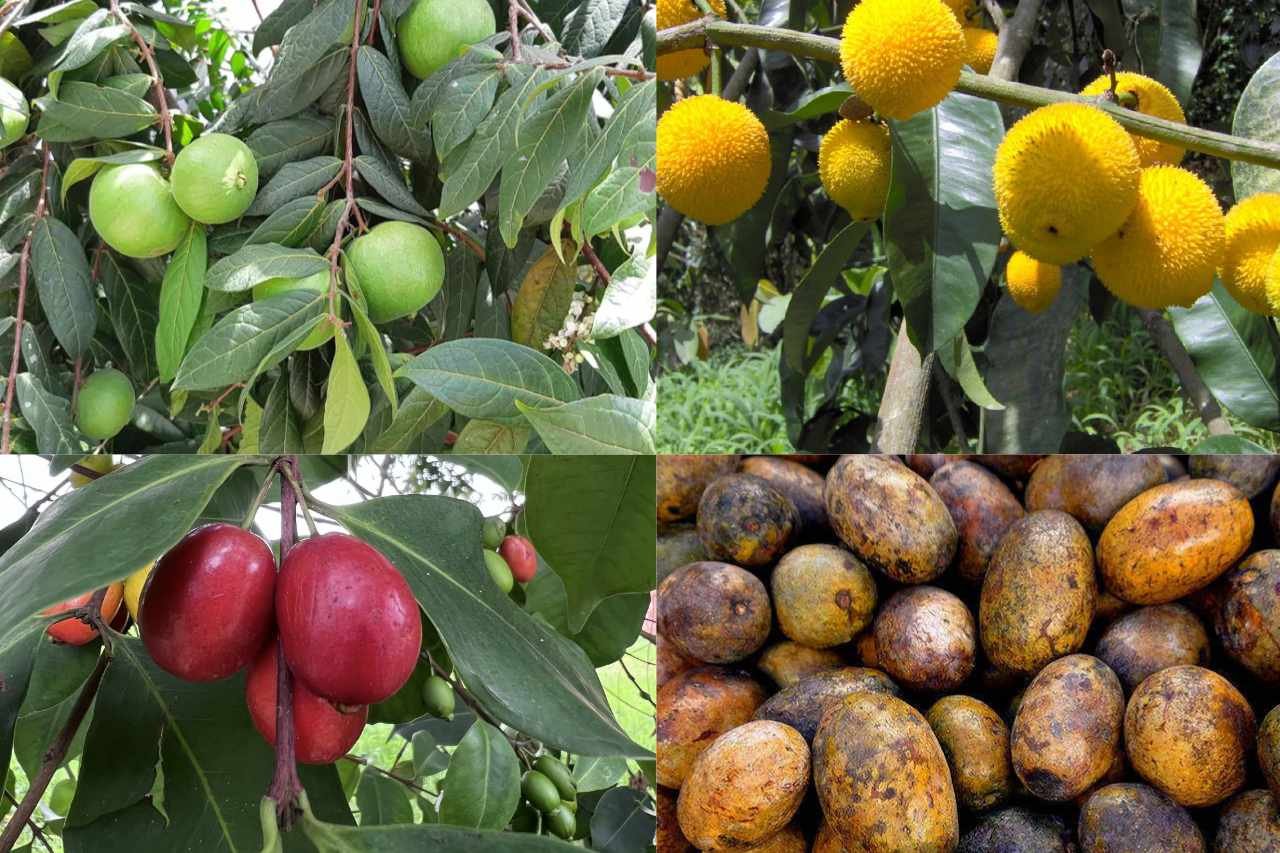
Other intriguing plants include agave, used for tequila and mezcal in Mexico, and sorghum or millet, which form the base of traditional African beers. Even more unusual sources, like bananas or rice in tropical regions, have been fermented into local alcoholic drinks, demonstrating the adaptability of fermentation techniques to available plants. Indigenous communities in the Amazon region use palms, cassava, tropical fruits and, seeds to make unique fermented wines.
These drinks aren’t just about taste—they tell stories of environment, culture, and human ingenuity. They reveal how we’ve learned to transform the natural sugars and starches in plants into beverages that connect us socially, spiritually, and historically. Whether it’s honey, sugarcane, maple sap, or cacti, these less obvious plant sources remind us that alcohol has always been a creative collaboration between humans and the natural world.
How Fermentation Works with Plants
Fermentation is the magical step that turns plant sugars into alcohol. Yeast consumes the sugars in grains, fruits, or honey, producing alcohol and carbon dioxide as byproducts. The type of plant and the fermentation method drastically affect the flavor, texture, and strength of the resulting beverage.
Traditional fermentation methods vary across cultures. In Japan, sake brewers use a specialized mold called koji to break down rice starches. European beer brewers rely on malted barley and hops to create balanced flavors. Even small differences in plant variety, water quality, or temperature can result in dramatically different drinks.
Cultural Significance of Plant-Based Alcohol
Alcohol isn’t just a drink—it’s a cultural artifact. Sake in Japan, tequila in Mexico, and whisky in Scotland aren’t only popular beverages—they are part of local identity, celebrations, and history.
Many plant-based alcoholic drinks also held medicinal or ritual roles. Ancient societies often used alcohol as a solvent for herbal remedies, creating tinctures that combined plant benefits with ethanol preservation. Across the globe, alcohol has been a part of social life, from toasting kings to honoring ancestors.
Fun Fact
The world’s oldest known winery, dating back 6,100 years, was discovered in Armenia and used grapes to produce wine, showing how deeply wine is rooted in human culture.
Medicinal and Herbal Uses
Herbal alcohol has a long-standing history in traditional medicine. Plants like wormwood, gentian, and juniper were infused into spirits to create remedies for digestion, fatigue, or even infections. Even today, herbal liqueurs and bitters continue this legacy, offering both flavor and functional use.
The combination of plants and alcohol often enhanced the preservation and extraction of active compounds. This practice reminds us that alcohol was not only a social lubricant but also a tool for scientific and medical innovation in historical societies.
Global Perspective: Alcohol Plants Around the World
Every region has its preferred plant-based alcoholic drinks.
- Europe: Barley, grapes, and herbs dominate, producing beers, wines, and spirits.
- Asia: Rice and honey shine in sake, rice wines, and meads.
- Americas: Corn and agave lead the way in bourbon, tequila, and mezcal.
- Africa: Sorghum, millet, and palm sap fuel traditional beers and wines.
Indigenous cultures often crafted unique drinks from local plants, reflecting deep knowledge of the natural environment. Exploring alcoholic plants around the world helps us understand both the diversity of taste and the interconnectedness of humans and nature.
The Bottom Line
Plants are the unsung heroes behind every alcoholic beverage. Whether it’s a glass of wine, a cold beer, or a herbal liqueur, each drink carries centuries of history, culture, and innovation. From grains and fruits to herbs and exotic plants, humans have used nature to create drinks that delight our senses, connect communities, and even heal bodies.
Next time you sip your favorite drink, take a moment to think about the plants behind it and the story they tell. Alcoholic drinks are more than just beverages—they are living history, crafted from the natural world.
Discover more about plant-based alcohol, try making a traditional fermented drink at home, or explore your local spirits for a taste of culture in every sip.