

The article is about how spring foraging moves from forest floors to fine dining plates—and the hidden secrets that make wild foods so valuable, desirable, and worth the effort.
“The true value of wild food is not just in its flavor, but in the story of scarcity, seasonality, and human connection it carries from soil to plate.” – The Economic Botanist
| What you will learn: * What is spring foraging and why is it gaining popularity? * Which wild foods can you forage in spring and which are most valuable? * Why do chefs and fine dining restaurants prize foraged ingredients? * Can you safely and legally forage—and even make money doing it? |
Spring changes how we eat, but it also changes how we see food. As the snow melts and the forests wake up, something special begins to happen. Fresh greens push through the soil, mushrooms appear almost overnight, and a quiet world of wild ingredients comes to life.
You may walk past these foods every day without noticing them. However, chefs, foragers, and food lovers know exactly where to look. They understand that spring foraging is not just about gathering plants—it is about timing, knowledge, and a deep connection to nature.
So, what are the real secrets behind spring foraging? Why do these ingredients show up in fine dining restaurants? And how can you begin to understand this growing world for yourself?
Let’s explore what makes spring foraging so unique—and why it continues to capture attention from forests to high-end kitchens.
- Spring Foraging Secrets: Why Timing Is Everything
- Edible Wild Plants in Spring: Hidden Gems in Plain Sight
- Wild Mushrooms Foraging: The Mystery of Morels
- From Forest to Fine Dining: Why Chefs Love Foraged Foods
- The Economics Behind the Secrets of Spring Foraging
- The Wild Food Supply Chain: How Foraged Foods Reach Your Plate
- Can You Make Money Foraging? A Realistic Look
- Foraging Regulations: Know Before You Go
- Ethical Foraging Practices: Protecting What You Harvest
- Beginner Foraging Tips: Start Simple and Stay Safe
- Wild Food Market Trends: Why Interest Keeps Growing
- The Bottom Line
Spring Foraging Secrets: Why Timing Is Everything
Spring foraging depends heavily on timing. In fact, one of the biggest secrets is how short the window can be. Many edible wild plants appear for only a few weeks each year. If you miss that moment, you have to wait another full season.
As the ground warms up, plants grow quickly. However, they also change quickly. A tender green can become tough and bitter in just a few days. Because of this, experienced foragers pay close attention to weather, soil temperature, and sunlight.
At the same time, different regions experience spring at different speeds. What grows in early April in one area might not appear until May in another. Therefore, learning your local environment becomes essential.
When you understand timing, you unlock better flavor, better texture, and higher value. That is why chefs and serious foragers treat spring like a moving target rather than a fixed season.
Edible Wild Plants in Spring: Hidden Gems in Plain Sight
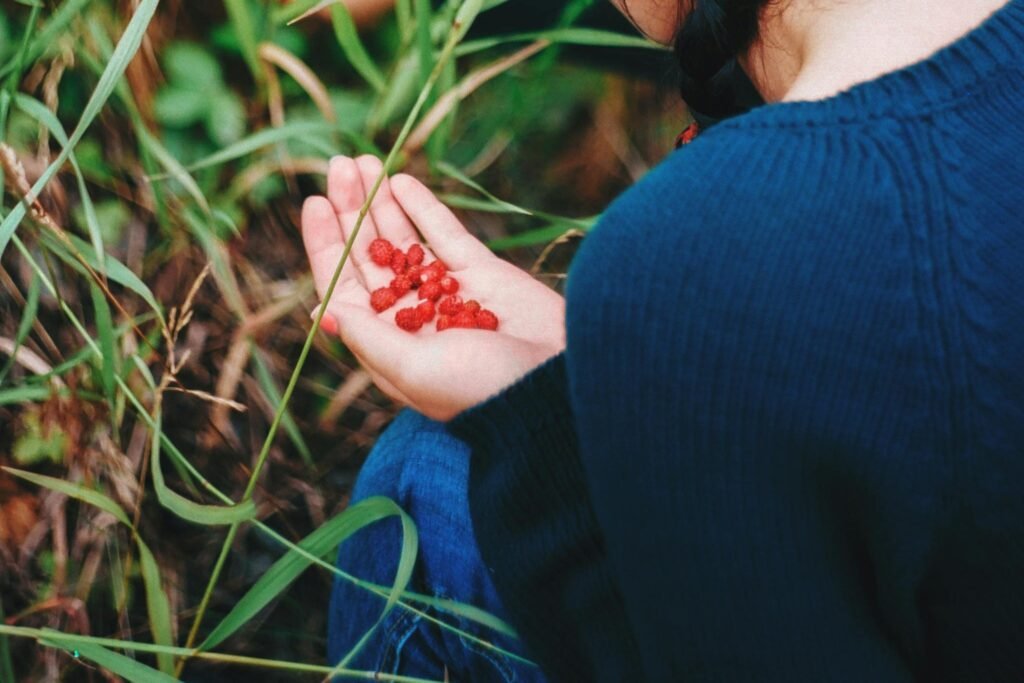
When you think about edible wild plants in spring, you might imagine rare or exotic species. However, many valuable plants grow in common places like forests, fields, and even urban edges.
For example, ramps—often called wild leeks—are one of the most popular spring finds. They have a strong, savory flavor that works well in many dishes. Because they grow slowly and have a short season, they are highly prized.
Fiddleheads are another favorite. These curled fern shoots appear briefly and offer a fresh, slightly nutty taste. Their unique shape also makes them visually appealing on a plate.
In addition, plants like stinging nettles, wild garlic, and dandelion greens provide both nutrition and flavor. While they may seem ordinary, they become special when used at the right time.
The secret here is awareness. Once you learn to identify these plants, you start to see them everywhere. Suddenly, what looked like an empty patch of land becomes a source of fresh ingredients.
Wild Mushrooms Foraging: The Mystery of Morels
Wild mushrooms foraging adds a sense of adventure to spring. Among all mushrooms, morels stand out as the most famous. Their honeycomb shape makes them easy to recognize—once you know what to look for.
However, morels do not grow just anywhere. They prefer specific conditions, often near certain types of trees or in areas that have experienced recent environmental changes. This makes them harder to find and adds to their appeal.
Fun Fact
Morel mushrooms can sometimes sell for more per pound than premium cuts of steak in fine dining markets.
Because of their rarity and flavor, morels have become a symbol of spring foraging. Chefs value them for their rich, earthy taste, while foragers enjoy the challenge of finding them.
That said, safety remains critical. Some toxic mushrooms look similar to edible ones. Therefore, you should always confirm identification before consuming any wild mushroom.
From Forest to Fine Dining: Why Chefs Love Foraged Foods
One of the biggest secrets of spring foraging is how it connects directly to fine dining. Chefs do not just use foraged ingredients because they taste good. They use them because they tell a story.
When you see wild herbs or mushrooms on a plate, you are not just eating food. You are experiencing a place, a season, and a moment in time. This idea fits perfectly with the forest-to-table movement.
At the same time, foraged foods offer flavors that are difficult to replicate. This allows chefs to create dishes that feel fresh and original. As a result, these ingredients often appear in high-end restaurants.
In addition, diners today want more than just a meal. They want a connection. Foraged ingredients provide that connection by linking the plate back to nature.
The Economics Behind the Secrets of Spring Foraging
Although spring foraging feels natural and simple, there is a strong economic side behind it. Understanding this helps explain why these foods appear in fine dining settings.
First, supply remains limited. Wild foods grow on their own schedule, and no one can fully control their production. Because of this, availability stays low.
Next, demand continues to grow. People want local, fresh, and unique ingredients. At the same time, chefs look for ways to stand out. This combination drives interest in foraged foods.
Then there is effort. Foraging takes time, knowledge, and physical work. You walk through forests, search carefully, and harvest by hand. This process cannot be rushed.
When you combine these factors, prices increase. That is why gourmet foraged foods often cost more than farmed alternatives.
The Wild Food Supply Chain: How Foraged Foods Reach Your Plate
Another important secret lies in how wild foods move from forest to table. The wild food supply chain may be small, but it plays a key role.
Some foragers sell directly to chefs. This creates strong relationships and ensures high quality. Chefs often prefer this approach because they can trust the source.
Others sell at farmers’ markets. This allows everyday consumers to access fresh foraged ingredients. However, it also requires education, as many people may not know how to use these foods.
In some cases, distributors help move products to larger markets. While this increases reach, it can reduce profit margins for individual foragers.
No matter the path, freshness matters. Wild foods spoil quickly, so timing becomes essential from harvest to sale.
Can You Make Money Foraging? A Realistic Look
Many people become interested in foraging for profit after learning about its potential. While it is possible to earn money, it is not as simple as it may seem.
Foraging requires knowledge, consistency, and effort. You also need to understand local markets and build connections with buyers. Without these elements, it becomes difficult to succeed.
Some people treat it as a side activity, earning extra income during the spring season. Others develop a more structured foraging business model.
However, income can vary greatly. Weather conditions, competition, and location all play a role. One good season can bring strong returns, while another may bring very little.
Fun Fact
In some regions, experienced foragers can earn thousands of dollars during a short morel season—but only if conditions are just right.
Therefore, it is best to approach foraging with curiosity first and profit second.
Foraging Regulations: Know Before You Go
Before you start foraging, you need to understand the rules. Foraging regulations differ depending on the country and region. In many areas, you cannot freely harvest on public land.
Some locations require permits, while others limit what you can collect. Private land always requires permission from the owner.
These rules help protect ecosystems and ensure that wild plants remain available for future seasons. Therefore, following them is essential.
If you plan to sell foraged foods, additional regulations may apply. Food safety standards and local guidelines can affect how you handle and distribute your products.
Ethical Foraging Practices: Protecting What You Harvest
One of the most important secrets of spring foraging is respect. Ethical foraging practices ensure that you do not harm the environment while gathering food.
For example, you should never take everything from one area. Instead, leave enough behind so plants can continue to grow. This supports long-term sustainability.
You should also avoid damaging roots or surrounding plants. Careful harvesting methods make a big difference over time.
In addition, consider wildlife. Many animals rely on the same food sources. Therefore, balance becomes key.
When you forage responsibly, you help preserve both nature and the future of wild food markets.
Beginner Foraging Tips: Start Simple and Stay Safe
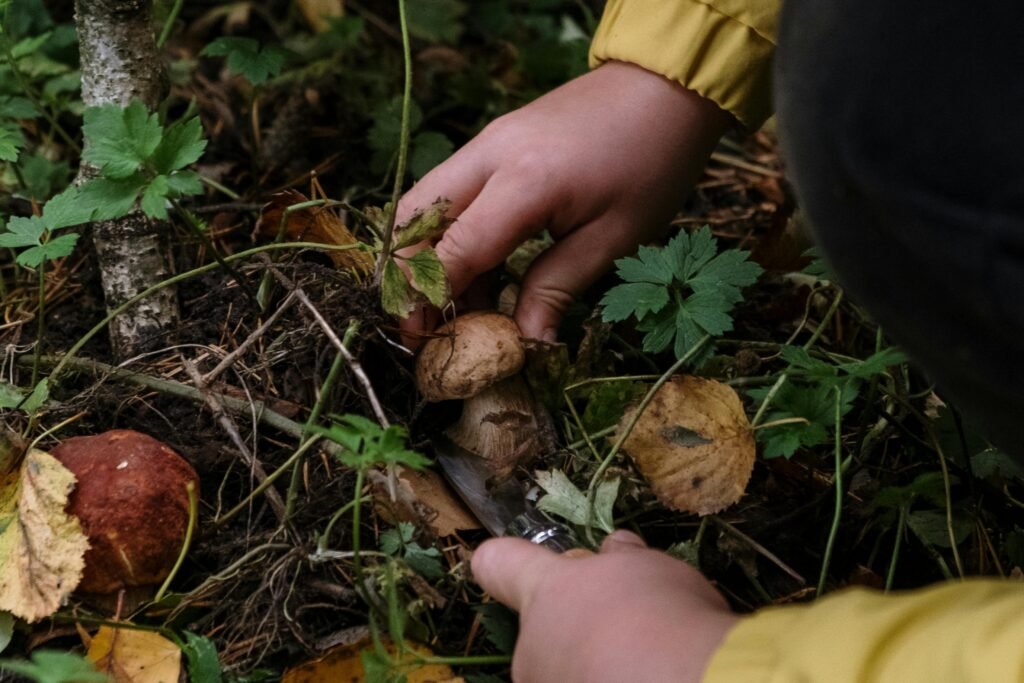
If you are new to spring foraging, start with a few easy steps. First, learn to identify common plants. Use trusted guides and, if possible, learn from experienced foragers.
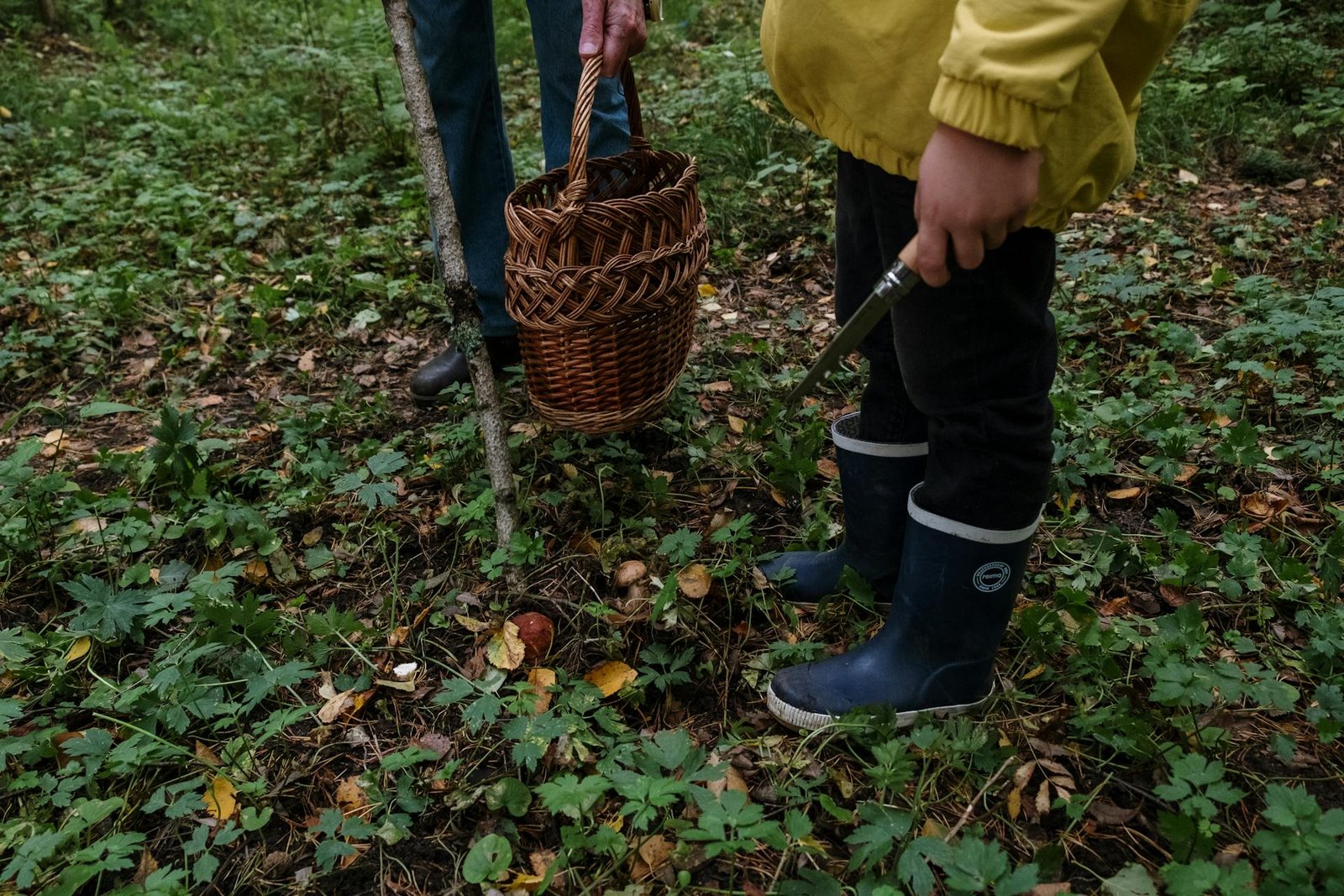
Next, bring basic tools such as a knife and a basket. These will help you harvest and carry your finds.
Most importantly, focus on safety. Never eat anything unless you are completely sure of its identity. Some plants and mushrooms can be harmful if misidentified.
You should also start small. As your knowledge grows, you can explore more areas and species.
Learning how to forage takes time. However, it can become a rewarding way to connect with nature and your food.
Wild Food Market Trends: Why Interest Keeps Growing
In recent years, wild food market trends have shown steady growth. More people now care about sustainability, local sourcing, and food quality.
At the same time, organic wild food demand continues to rise. Consumers want foods that feel natural and less processed. Foraged ingredients meet this demand.
In addition, chefs and food media have increased awareness. As more people see these ingredients in restaurants and online, curiosity grows.
This shift has moved foraging from a niche activity into a more visible part of the food world. As a result, opportunities continue to expand.
The Bottom Line
Spring foraging is more than a seasonal activity. It is a blend of knowledge, timing, and respect for nature. From edible wild plants to prized mushrooms, each ingredient carries both flavor and meaning.
At the same time, the journey from forest to fine dining reveals something deeper. It shows how simple ingredients can become valuable through scarcity, effort, and story.
If you take the time to learn these secrets, you gain more than just food. You gain a new way to see the world around you.
If you are ready to explore spring foraging, start with a walk, stay curious, and let nature teach you what to look for—you may discover more than you expect.