






Scientific name: Foeniculum vulgare Mill.
Family: Apiaceae
If you’ve ever caught a whiff of that sweet, slightly licorice-like aroma in a kitchen or garden, chances are you’ve encountered fennel. This versatile plant has been loved for centuries—not just for its flavor, but also for its impressive health benefits and ease of growing.
Fennel is one of those rare plants where every part is useful. You can eat the bulb, the feathery leaves, the seeds, and even the flowers. Whether you’re a home cook, a gardener, or someone curious about natural remedies, fennel has something to offer you.
In this Plant Compendium entry, you’ll learn everything you need to know—from its fascinating history to how to grow it successfully, cook with it, and use it for better health.
History of Fennel
Fennel has a long and rich history that stretches back thousands of years. It was widely used in ancient Mediterranean cultures, especially in Greece and Rome.
The ancient Greeks associated fennel with victory and strength. In fact, the word “marathon” is linked to fennel—legend says the Battle of Marathon took place in a field full of it. The Romans, on the other hand, prized fennel for both its culinary and medicinal uses. Roman soldiers even consumed it to stay strong and healthy.
During the Middle Ages, fennel became a staple in European herbal medicine. People believed it could ward off evil spirits and improve eyesight. It was also commonly used during fasting periods because it helped suppress hunger.
As trade routes expanded, fennel spread across Asia and eventually the rest of the world. Today, it’s a key ingredient in many global cuisines—from Italian sausages to Indian spice blends.
Botanical Description
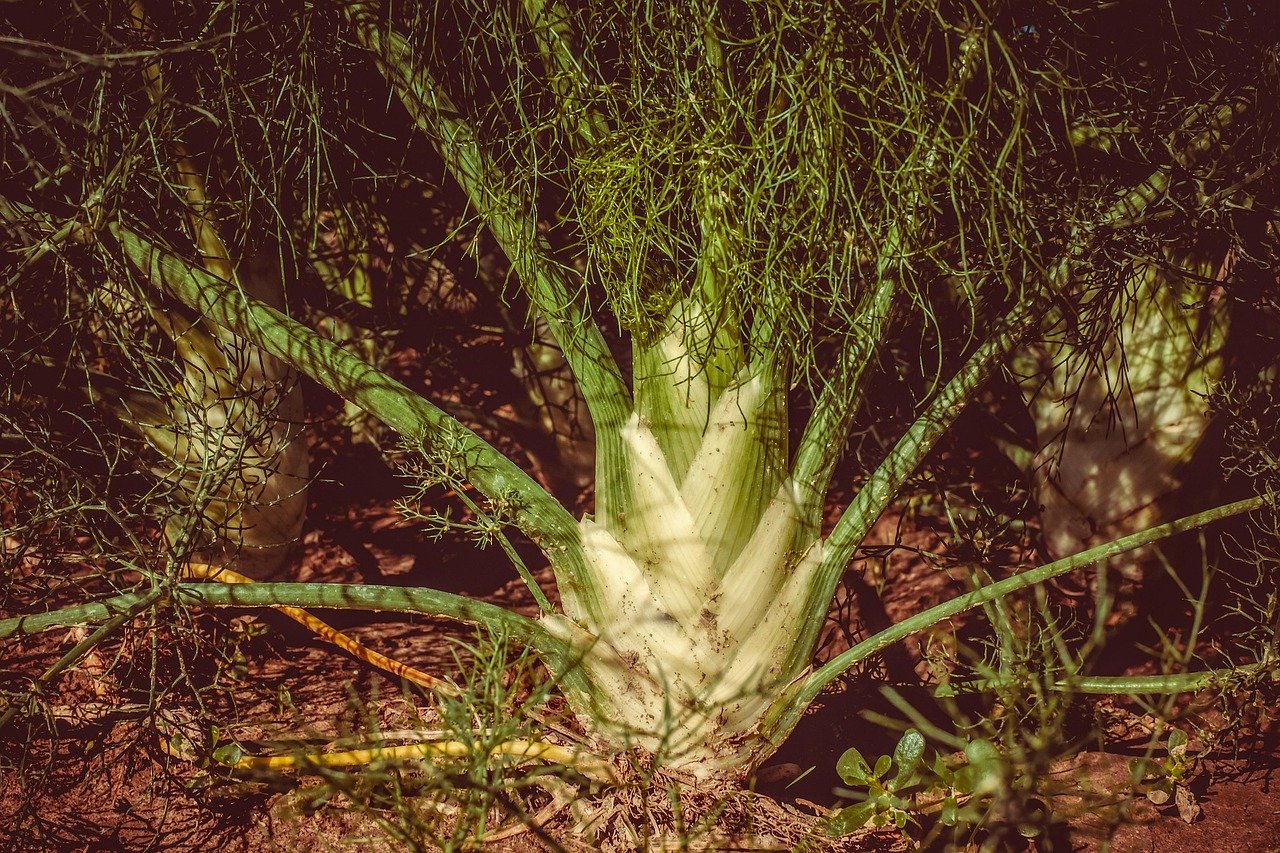
Roots: Fennel has a thick, fleshy taproot that anchors the plant firmly in the soil. This root system allows it to access deeper moisture, making it somewhat drought-tolerant once established. However, it doesn’t transplant well because of this deep root, so you’ll want to sow it directly where you plan to grow it.
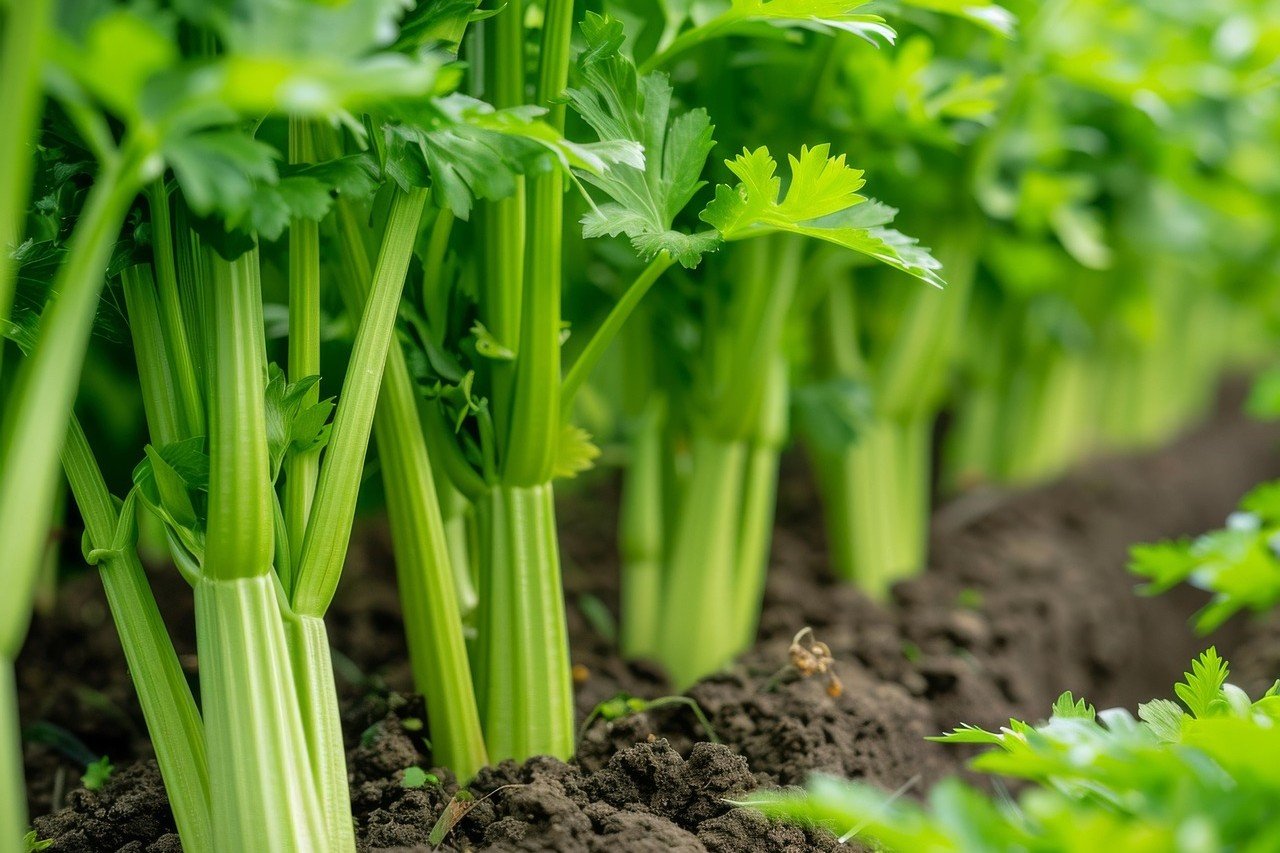
Stems: The stems are smooth, round, and hollow, with a pale green color. They grow upright and can reach impressive heights—sometimes up to 6 feet (about 1.8 meters). The stems branch out near the top, giving the plant a light, airy appearance.
Leaves: Fennel leaves are one of its most recognizable features. They are soft, feathery, and finely divided, almost like dill. These delicate leaves give fennel a light, wispy look and release a sweet aroma when brushed or crushed.
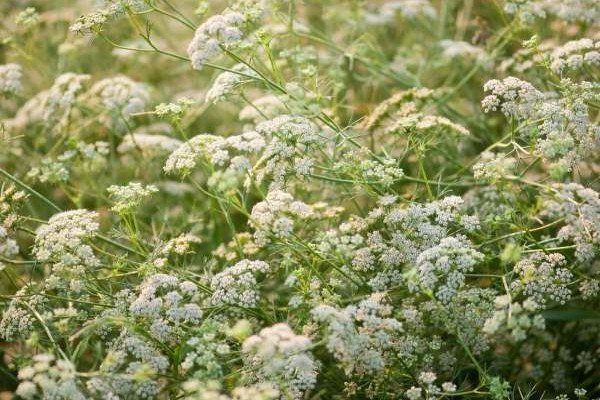
Flowers: The plant produces clusters of tiny yellow flowers arranged in umbrella-shaped formations called umbels. These blooms typically appear in mid to late summer and are highly attractive to pollinators like bees and butterflies.
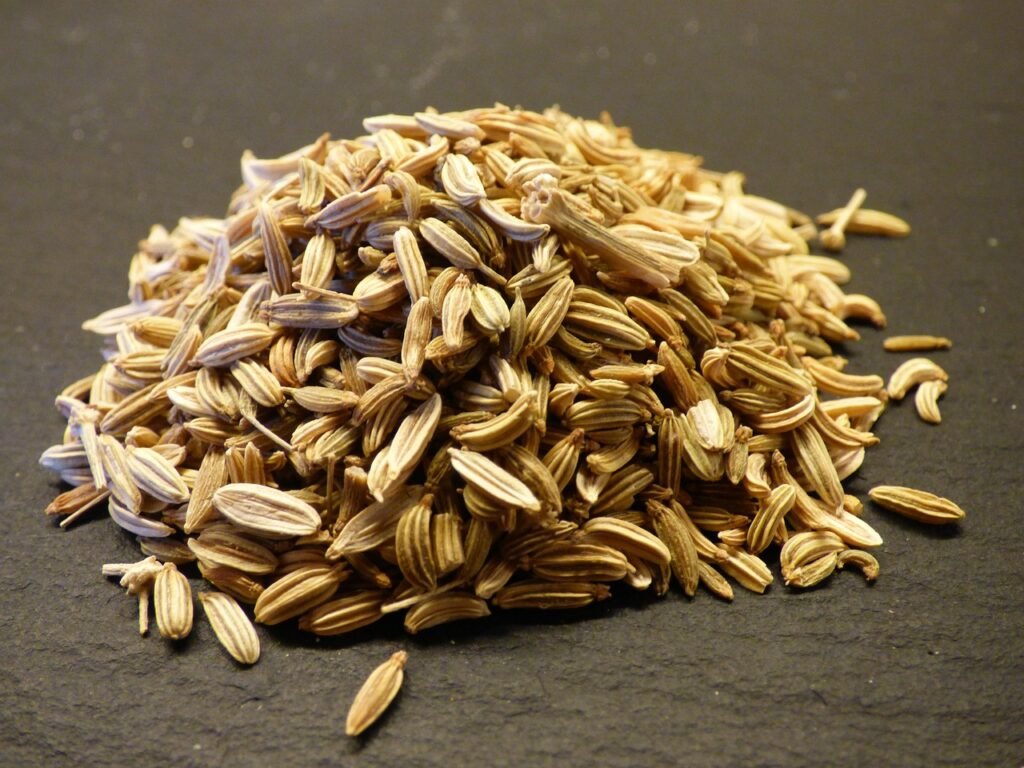
Fruits: Technically, fennel produces fruits rather than seeds, although most people refer to them as seeds. These fruits are small, ridged, and green to brown in color as they mature.
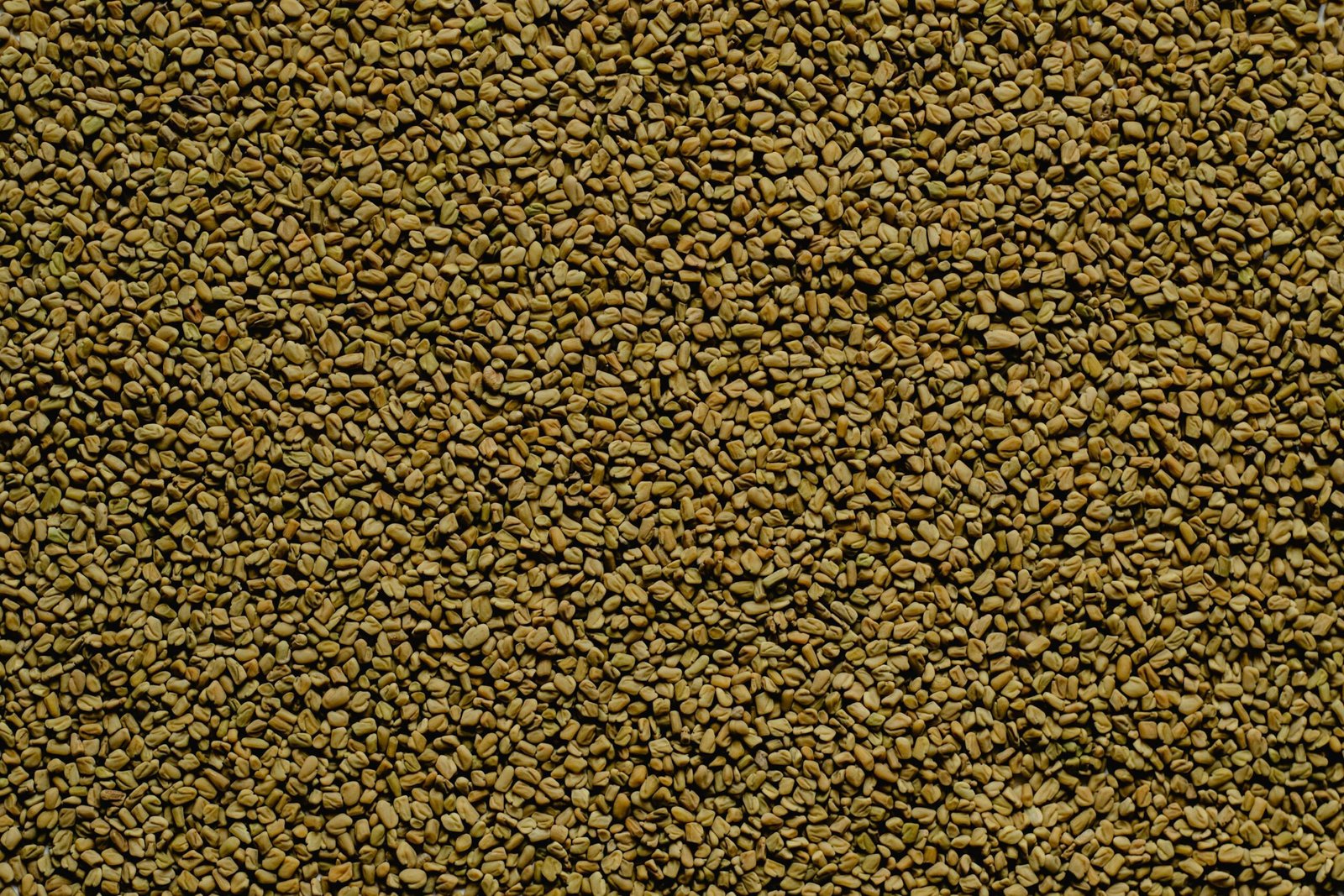
Seeds: Fennel seeds are aromatic and packed with flavor. They have a sweet, slightly spicy taste with hints of anise. These are widely used as a spice in cooking and also in herbal remedies.
Growing Instructions
Here’s everything you need to know to get fennel off to a great start:
Sunlight: Fennel thrives in full sun. Aim for at least 6–8 hours of direct sunlight per day. If you give it less light, you’ll notice slower growth and weaker flavor.
Soil: This plant prefers well-draining soil that’s rich in organic matter. A slightly acidic to neutral pH (around 6.0 to 7.0) works best. If your soil is heavy or clay-like, mix in compost to improve drainage.
Temperature: Fennel grows best in mild temperatures, ideally between 60°F and 75°F (15°C to 24°C). It doesn’t love extreme heat or cold. Sudden temperature changes can cause it to bolt (flower too early), which affects bulb development.
Watering: Keep the soil consistently moist but not waterlogged. Fennel doesn’t like to dry out completely, especially when it’s young. A steady watering schedule helps produce tender bulbs and flavorful leaves.
Spacing: Give each plant about 12–18 inches (30–45 cm) of space. Proper spacing ensures good air circulation and reduces the risk of disease.
Pruning: Fennel doesn’t require heavy pruning. However, you can trim leaves regularly to encourage fresh growth. If you want to focus on bulb production, remove flower stalks as they appear.
Support: Most fennel plants don’t need support, but taller varieties may benefit from staking in windy areas to prevent bending or breakage.
Life Cycle: Fennel follows a typical life cycle consisting of:
- Germination: Seeds usually sprout within 7–14 days in warm soil.
- Vegetative Growth: The plant develops its leaves and stems rapidly during this stage.
- Flowering: Yellow flowers appear as the plant matures, especially in warm conditions.
- Fruit Set: Flowers turn into seed-like fruits that mature and dry on the plant.
- End of Season: The plant completes its cycle, and seeds can be collected for future planting.
Harvesting and Foraging
Harvesting
You can harvest fennel at different stages depending on what you want to use:
- Bulbs: Harvest when they are about the size of a tennis ball. Cut just above the soil line.
- Leaves: Snip as needed throughout the growing season. Fresh leaves have the best flavor.
- Seeds: Wait until the flowers dry and turn brown, then cut and hang them upside down to collect seeds.
Timing is key. If you wait too long, bulbs can become tough and lose their sweetness.
Foraging
Wild fennel grows in many regions, especially in Mediterranean climates. You’ll often find it along roadsides, fields, and coastal areas.
When foraging:
- Look for the characteristic feathery leaves and licorice scent
- Avoid areas exposed to pollution (like busy roads)
- Be absolutely sure of identification, as some lookalikes can be toxic
Plant Companions
Fennel is a bit of a loner in the garden. Unlike many plants, it doesn’t play well with others.
It can actually inhibit the growth of nearby plants due to natural chemicals it releases into the soil. Because of this, it’s best to plant fennel in its own space or container.
That said, it can attract beneficial insects like:
- Bees
- Ladybugs
- Hoverflies
These insects help pollinate your garden and control pests naturally.
Common Pests and Diseases
Fennel is relatively hardy, but it’s not completely immune to problems.
Common pests include:
- Aphids
- Caterpillars (especially swallowtail butterfly larvae)
- Spider mites
Common diseases include:
- Powdery mildew
- Root rot (from overwatering)
To manage these issues:
- Keep good airflow between plants
- Avoid overwatering
- Use natural pest control methods like neem oil or insecticidal soap
Shopping Tips
When buying fennel, especially fresh bulbs, here’s what you should look for:
- Firm, white or pale green bulbs
- No cracks or browning
- Bright, fresh-looking fronds (leaves)
- A clean, slightly sweet aroma
If you’re buying seeds, go for high-quality, organic options when possible. Fresh seeds will have a stronger flavor and better germination rates.
Storage
Proper storage makes a big difference in how long fennel stays fresh.
- Bulbs: Store in the refrigerator for up to a week. Wrap loosely in a plastic bag.
- Leaves: Use quickly, as they wilt fast. Store in a damp paper towel in the fridge.
- Seeds: Keep in an airtight container in a cool, dark place. They can last for months or even years if stored properly.
Culinary Uses
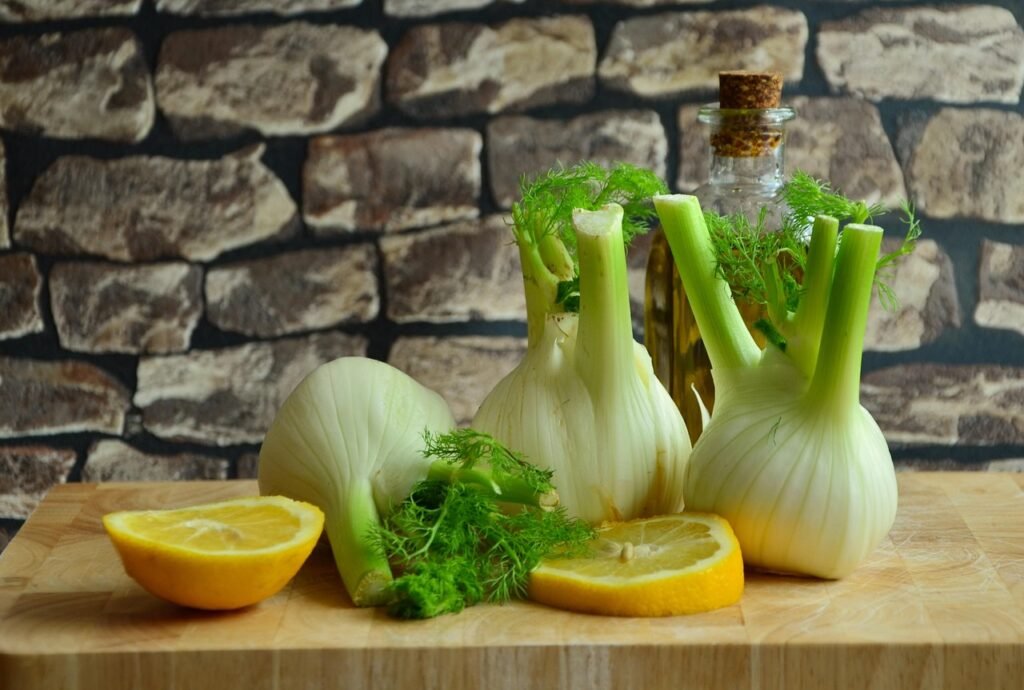
This is where fennel really shines. If you enjoy cooking, fennel opens up a whole new world of flavors.
The flavor profile:
Fennel has a sweet, slightly licorice-like taste that becomes milder and more delicate when cooked. If you’re not a fan of strong anise flavors, don’t worry—cooking transforms it into something much softer and sweeter.
Using the bulb:
- Slice it thin for salads for a crisp, refreshing crunch
- Roast it to bring out its natural sweetness
- Add it to soups and stews for depth of flavor
- Sauté it with onions and garlic as a base for many dishes
Roasted fennel, in particular, is a game changer. It becomes tender, slightly caramelized, and almost buttery in texture.
Using the leaves (fronds):
- Chop and sprinkle over dishes like herbs
- Add to salads, fish, or roasted vegetables
- Use as a garnish for a fresh, aromatic touch
Using the seeds:
Fennel seeds are incredibly versatile:
- Add to spice blends and rubs
- Use in baking (especially breads and cookies)
- Brew into tea for digestion
- Include in curries and sauces
In many cultures, fennel seeds are chewed after meals to freshen breath and aid digestion.
Popular culinary pairings:
- Fish and seafood
- Pork and sausages
- Citrus fruits like orange and lemon
- Tomatoes
- Potatoes
If you’re experimenting in the kitchen, fennel pairs especially well with bold flavors while still holding its own.
Health Benefits
Fennel isn’t just delicious—it’s also packed with nutrients and beneficial compounds.
Digestive support: Fennel is best known for helping digestion. It can:
- Reduce bloating and gas
- Soothe the digestive tract
- Stimulate appetite
That’s why fennel tea is often recommended after heavy meals.
Rich in nutrients: Fennel contains:
- Vitamin C
- Potassium
- Fiber
- Antioxidants
These nutrients support your immune system, heart health, and overall well-being.
Anti-inflammatory properties: Fennel contains plant compounds that may help reduce inflammation in the body. This can support long-term health and reduce the risk of chronic disease.
Hormonal support: Some compounds in fennel may mimic estrogen in the body. This has made it a traditional remedy for menstrual discomfort and menopausal symptoms, although more research is still ongoing.
Fresh breath: Chewing fennel seeds can naturally freshen your breath thanks to their antimicrobial properties.
Toxicity and Safety
Fennel is generally safe for most people when consumed in normal amounts.
However, there are a few things to keep in mind:
- Some people may have allergic reactions, especially if they are sensitive to plants in the carrot family
- Large amounts of fennel oil or extracts can be toxic
- Pregnant individuals should consult a healthcare provider before using fennel medicinally
As always, moderation is key.
Environmental Impact
Fennel can have both positive and negative effects on the environment.
Positive impacts:
- Attracts pollinators like bees and butterflies
- Supports biodiversity in gardens
- Requires relatively low maintenance once established
Potential concerns:
- In some regions, fennel can become invasive
- It may outcompete native plants if not managed properly
If you’re growing fennel, it’s a good idea to keep an eye on its spread, especially if you live in a warm climate where it thrives year-round.