





This article explores the Apiaceae family’s defining characteristics, major species, and practical uses.
“Few plant families are as familiar at the dinner table—and as deceptively dangerous in the wild—as the Apiaceae.” — The Economic Botanist
You may know the Apiaceae family through everyday plants like carrots, parsley, celery, cilantro, dill, and fennel. These plants flavor cuisines across the globe and anchor traditional medicine systems. Yet behind this culinary familiarity lies a fascinating—and sometimes risky—botanical lineage.
Apiaceae, also known as the carrot family or Umbelliferae, includes both essential food crops and some of the most toxic plants in temperate ecosystems. Their distinctive umbrella-shaped flowers, aromatic foliage, and specialized chemistry make them one of the most recognizable plant families once you know what to look for.
In this article, we’ll explore the Apiaceae family: how to identify Apiaceae plants, understand their unique floral structure, discover their ecological and economic importance, and recognize both their benefits and their dangers.
Whether you’re a gardener, forager, culinary enthusiast, or botany student, this guide will help you see the Apiaceae family with informed eyes.
- Apiaceae Family Overview
- Characteristics of the Apiaceae Family
- Apiaceae Subfamilies
- Major Genera in the Apiaceae
- Common Apiaceae Species
- Economic and Ecological Importance
- Evolution and Phylogeny of Apiaceae
- Distribution and Habitat
- Uses and Applications of Apiaceae Plants
- Cultivation and Care Tips
- The Bottom Line
Apiaceae Family Overview
The Apiaceae family contains approximately 3,700–4,000 species across about 430–450 genera. While smaller than Asteraceae, its influence on human culture and agriculture is immense.
Well-known members include:
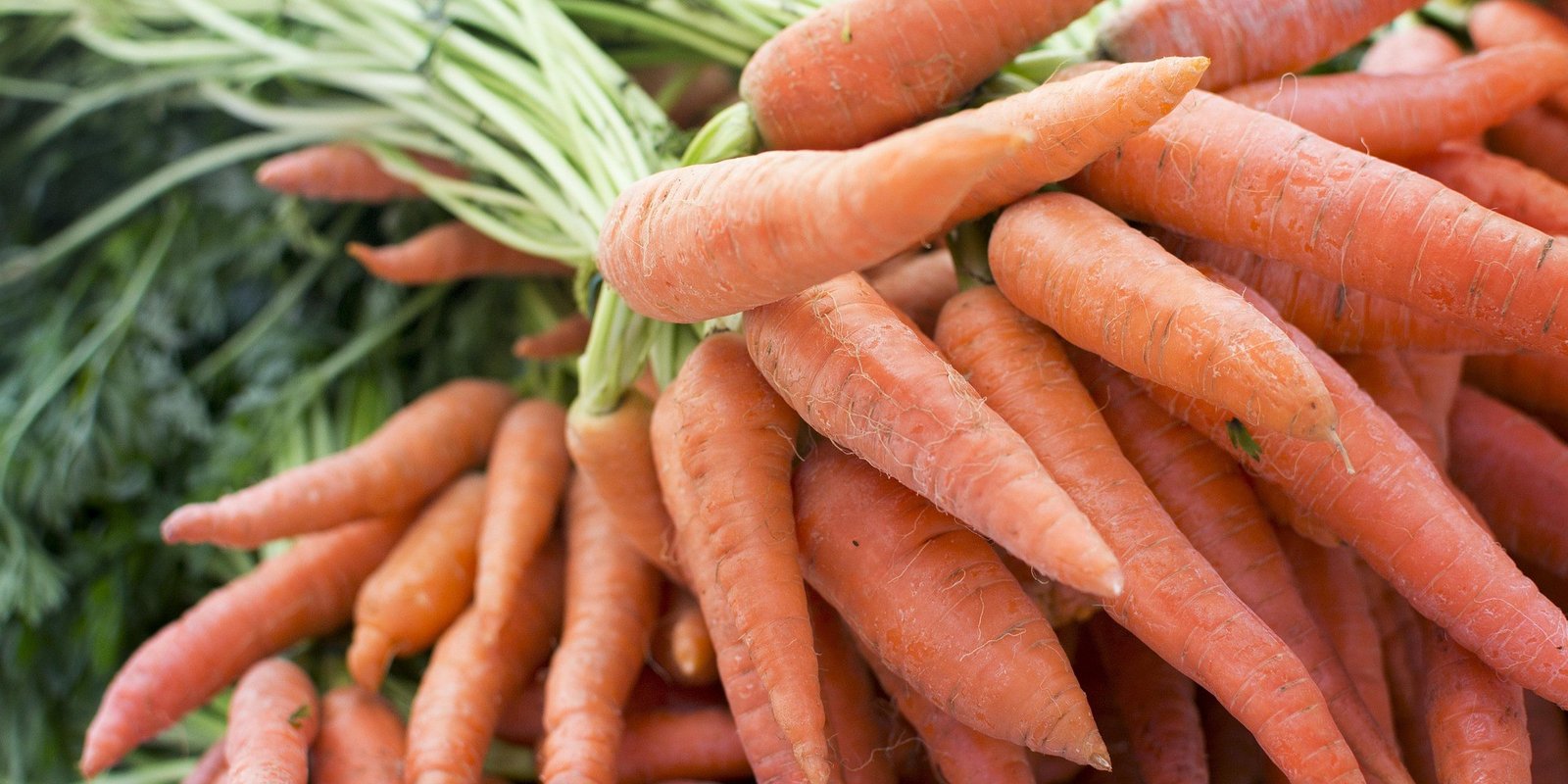
- Carrots
- Parsley
- Celery
- Cilantro (coriander)
- Dill
- Fennel
- Parsnip
- Anise
Apiaceae species are especially common in temperate regions, thriving in grasslands, meadows, wetlands, and cultivated fields.
White umbel flowers of wild carrot (Queen Anne’s lace)
What unites this family visually is one of botany’s most elegant inflorescences: the umbel.
Characteristics of the Apiaceae Family
The Umbel: A Signature Flower Structure
Apiaceae flowers are arranged in umbels, where many flower stalks radiate from a single point—much like the ribs of an umbrella.
Umbels may be:
- Simple (single cluster)
- Compound (umbels made of smaller umbellets)
This structure maximizes visibility and access for pollinators.

Floral Traits
Apiaceae flowers typically feature:
- Small, radially symmetrical flowers
- 5 petals (often white or yellow)
- Inferior ovaries
- Prominent nectar disks attracting insects
Individually, the flowers are modest—but together, they form striking displays.
Fruits: Schizocarps
Apiaceae fruits are schizocarps, which split into two one-seeded segments when mature.
These fruits are often:
- Ribbed
- Aromatic
- Important for species identification
Many culinary spices (like coriander and fennel seeds) are actually Apiaceae fruits.
Leaves and Stems
Apiaceae leaves are commonly:
- Alternate
- Finely divided or feathery
- Aromatic when crushed
Stems are often hollow, a key identification trait—but one that must be used cautiously.
Apiaceae Subfamilies
Modern classifications divide Apiaceae into several subfamilies. Three commonly referenced groups include:
Apioideae
The largest and most familiar subfamily, including:
- Carrot (Daucus)
- Parsley (Petroselinum)
- Celery (Apium)
- Fennel (Foeniculum)
Most edible Apiaceae belong here.
Saniculoideae
Includes genera like Sanicula and Eryngium, often with:
- Less typical umbels
- Spiny or leathery leaves
Some species are ornamental or medicinal.

Mackinlayoideae
Primarily found in the Southern Hemisphere and less familiar to gardeners or cooks.
Major Genera in the Apiaceae
Daucus (Carrots)
Best known for:
- Cultivated carrots
- Wild carrot (Queen Anne’s lace)
Wild carrot closely resembles toxic relatives—making careful identification critical.
Petroselinum (Parsley)
A culinary staple valued for:
- Fresh leaves
- Nutritional density
- Companion planting benefits
Apium (Celery)
Includes:
- Celery stalks
- Celeriac (root celery)
Thrives in moist, fertile soils.
Coriandrum (Cilantro/Coriander)
Unique in offering:
- Leaves (cilantro)
- Fruits (coriander spice)
Both come from the same plant.
Conium (Poison Hemlock)
Notorious for:
- Extreme toxicity
- Historical use as an execution poison
A reminder that not all Apiaceae are safe.
Common Apiaceae Species
Widely recognized species include:
- Daucus carota (Carrot)
- Petroselinum crispum (Parsley)
- Apium graveolens (Celery)
- Foeniculum vulgare (Fennel)
- Coriandrum sativum (Cilantro)
- Conium maculatum (Poison hemlock)
- Pastinaca sativa (Parsnip)
Economic and Ecological Importance
Food and Agriculture
Apiaceae supplies essential crops:
- Root vegetables
- Leafy herbs
- Spices and seeds
These plants support global cuisines and food systems.
Pollinator Support
Umbel flowers attract:
- Bees
- Flies
- Wasps
- Beetles
They are especially valuable for beneficial insects.
Chemical Ecology
Apiaceae plants produce:
- Essential oils
- Aromatic compounds
- Defensive toxins
These chemicals influence medicine, flavor, and plant defense.
Evolution and Phylogeny of Apiaceae
Apiaceae likely evolved around 80–90 million years ago, diversifying alongside insect pollinators.
Key evolutionary advantages include:
- Efficient umbel pollination
- Specialized fruit dispersal
- Chemical defenses against herbivory
DNA studies continue to refine relationships within the family.
Distribution and Habitat
Apiaceae species occur worldwide, especially in:
- Temperate regions
- Meadows and grasslands
- Wetlands and streambanks
- Agricultural fields
Many thrive in disturbed soils, aiding colonization.
Uses and Applications of Apiaceae Plants
Culinary Uses
- Carrots and parsnips
- Celery and fennel
- Parsley, dill, cilantro
- Coriander and anise
Medicinal and Herbal Uses
- Digestive aids (fennel, anise)
- Anti-inflammatory herbs
- Traditional remedies across cultures
Landscaping and Gardening
Apiaceae plants are used for:
- Herb gardens
- Pollinator plantings
- Companion planting
Their flowers add light, airy texture to landscapes.
Cultivation and Care Tips
Growing Conditions
Most Apiaceae prefer:
- Full sun to partial shade
- Well-drained, fertile soil
- Consistent moisture
Propagation
Primarily grown from seed. Many dislike transplanting due to sensitive taproots.
Safety Reminder
Never forage Apiaceae without expert knowledge—edible species closely resemble deadly ones.
The Bottom Line
The Apiaceae family is a study in contrasts: nourishing and dangerous, humble and sophisticated, familiar yet complex. From carrots and celery to cilantro and fennel—and even poison hemlock—this family has profoundly shaped human diets, medicine, and ecosystems.
Understanding Apiaceae isn’t just useful—it’s essential for anyone interested in plants, food, or nature.
********************
If you enjoyed this deep dive into the Apiaceae family, subscribe to our newsletter for more expertly written plant family guides, identification tips, and botanical insights—or explore our other articles to continue growing your plant knowledge today.