

The article is about how ethnobotany and drug development work together to turn traditional plant knowledge into modern medicines that save lives every day.
“When you listen to the plants and the people who know them, you don’t just discover remedies — you discover the future of medicine.” – The Economic Botanist
For thousands of years, people have turned to medicinal plants to treat pain, infections, fever, heart problems, and countless other conditions. Long before labs and clinical trials, healers studied nature closely. They tested leaves, roots, bark, and seeds. They shared what worked through stories and practice.
Today, we call the scientific study of that relationship ethnobotany.
Ethnobotany looks at how different cultures use plants for food, shelter, rituals, and especially medicine. When researchers focus specifically on healing uses, they often use the term ethnopharmacology. Both fields play a key role in drug discovery from plants and in shaping modern pharmaceutical research.
If you have ever taken aspirin, a malaria drug, or even certain cancer treatments, you have benefited from ethnobotany — whether you knew it or not.
Let’s explore how traditional medicine guides natural product drug discovery and why ethnobotany remains essential for the future of plant-based medicine.
- What is Ethnobotany? A Simple Guide to Traditional Medicine and Science
- Why Ethnobotany Matters in Modern Drug Development
- 1. Aspirin: From Willow Bark to Global Pain Relief
- 2. Quinine: The Antimalarial That Changed History
- 3. Artemisinin: Ancient Chinese Medicine Meets Modern Science
- 4. Paclitaxel (Taxol): A Cancer Fighter from the Pacific Yew
- 5. Morphine: The Alkaloid That Transformed Pain Management
- 6. Metformin: From Traditional Herb to Diabetes Treatment
- 7. Vincristine and Vinblastine: Cancer Drugs from Madagascar Periwinkle
- 8. Digoxin: A Heart Drug from Foxglove
- 9. Galantamine: An Alzheimer’s Treatment from Snowdrops
- How Ethnobotany Becomes Pharmaceutical Innovation
- Bioprospecting, Ethics, and Indigenous Knowledge Protection
- The Future of Ethnobotany in Drug Development
- The Bottom Line
What is Ethnobotany? A Simple Guide to Traditional Medicine and Science
Ethnobotany looks at how cultures understand and interact with plants, especially in healing traditions. It’s not just about what plants are used for—it’s about the knowledge, beliefs, and practices that shape how communities identify, prepare, and pass down plant-based remedies over generations.
You can think of ethnobotany as a bridge. On one side, you have indigenous knowledge and traditional healing practices. On the other side, you have pharmaceutical research and modern laboratories. Ethnobotanists walk that bridge.
They document which plants communities use for certain illnesses, record preparation methods and learn how plants grow and where they thrive. Then chemists and pharmacologists test those plants in the lab to identify active compounds.
This process falls under natural product drug discovery, which focuses on finding useful chemicals in nature. Plants produce thousands of chemical compounds, often called plant secondary metabolites. These compounds help plants defend themselves against insects, fungi, and disease. Some of those same compounds affect the human body in powerful ways.
Pharmacognosy, another related field, studies natural compounds in medicine. It looks closely at plant alkaloids, glycosides, terpenes, and other molecules that become plant-derived pharmaceuticals.
When you connect all these fields, you see a powerful truth: traditional medicine often provides the starting point for scientific breakthroughs.
Why Ethnobotany Matters in Modern Drug Development
Modern drug development relies heavily on chemistry and synthetic design. Scientists build molecules in labs and screen thousands of compounds with computer models. These tools help us move fast.
But nature still outperforms us in one important way: diversity.
Rainforests, grasslands, and mountains hold millions of plant species. Each species produces unique natural compounds in medicine that scientists have barely explored. Biodiversity and medicine go hand in hand.
When researchers ignore ethnobotany, they miss valuable clues. Indigenous communities have already tested many plants over generations. That experience saves time and resources in pharmaceutical research.
Studies estimate that about 25% of modern prescription drugs come directly or indirectly from plants. Many cancer drugs, heart medications, and anti-malarial treatments trace their roots to botanical medicine research.
Fun Fact
More than 60% of current cancer drugs have natural origins, many linked to medicinal plants first used in traditional healing practices.
When we talk about sustainable drug development, we must also talk about biodiversity conservation and pharmaceuticals. If forests disappear, potential life-saving drugs disappear with them.
Now let’s look at 9 breakthrough discoveries that prove the power of ethnobotany and drug development.
1. Aspirin: From Willow Bark to Global Pain Relief
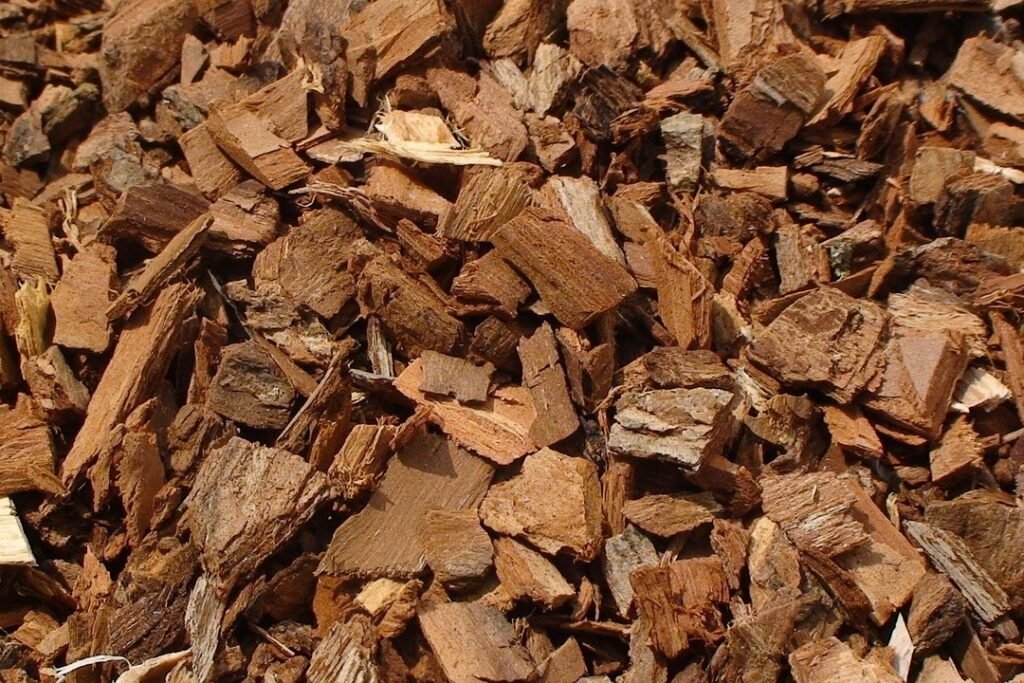
The story of aspirin begins with willow trees. Ancient Greek physicians, including Hippocrates, recommended chewing willow bark to reduce fever and pain.
Communities across Europe and North America used willow in traditional medicine for centuries. Ethnobotanical records documented these uses long before modern chemistry.
In the 1800s, scientists isolated salicylic acid from willow bark. Later, chemists modified it into acetylsalicylic acid, which became aspirin.
Today, aspirin reduces pain, lowers fever, and prevents blood clots. This common medicine shows how the aspirin plant origin story reflects ethnobotany at work.
A simple tree, guided by traditional knowledge, transformed global health.
2. Quinine: The Antimalarial That Changed History
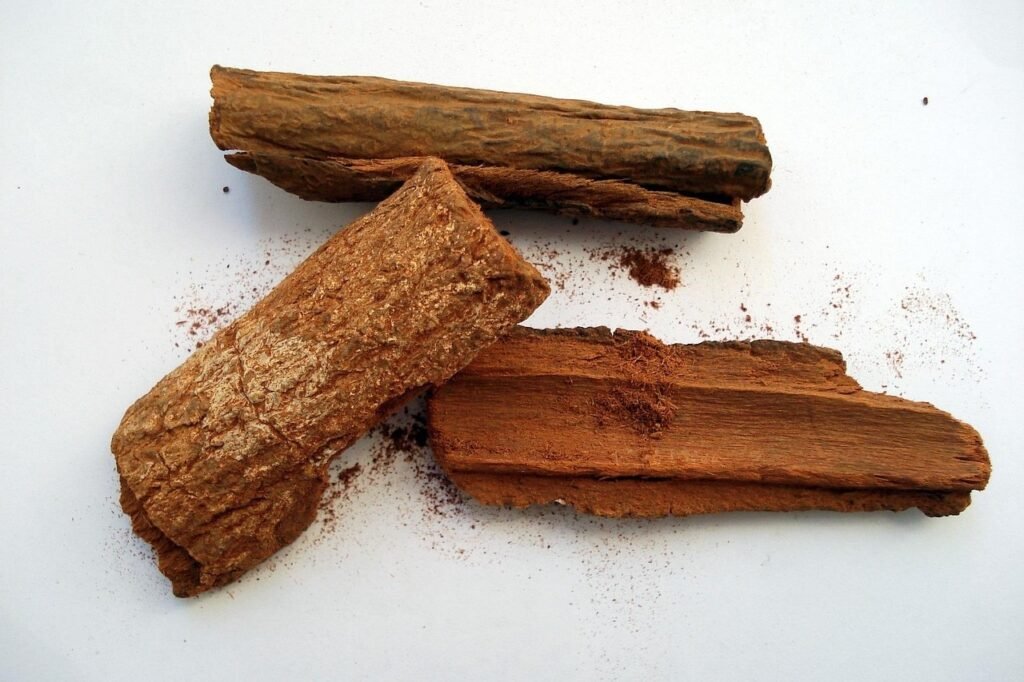
Malaria once killed millions each year. In South America, Indigenous communities used the bark of the cinchona tree to treat fever. Spanish explorers learned about this remedy in the 1600s.
Scientists later extracted quinine from cinchona bark. This discovery marked a major turning point in tropical medicine and global health.
The quinine discovery highlights how rainforest medicinal plants contribute to drug discovery from plants. Without ethnobotanical knowledge, researchers might have overlooked cinchona.
Quinine not only treated malaria but also shaped global trade, colonization, and military campaigns. That single plant compound changed world history.
3. Artemisinin: Ancient Chinese Medicine Meets Modern Science
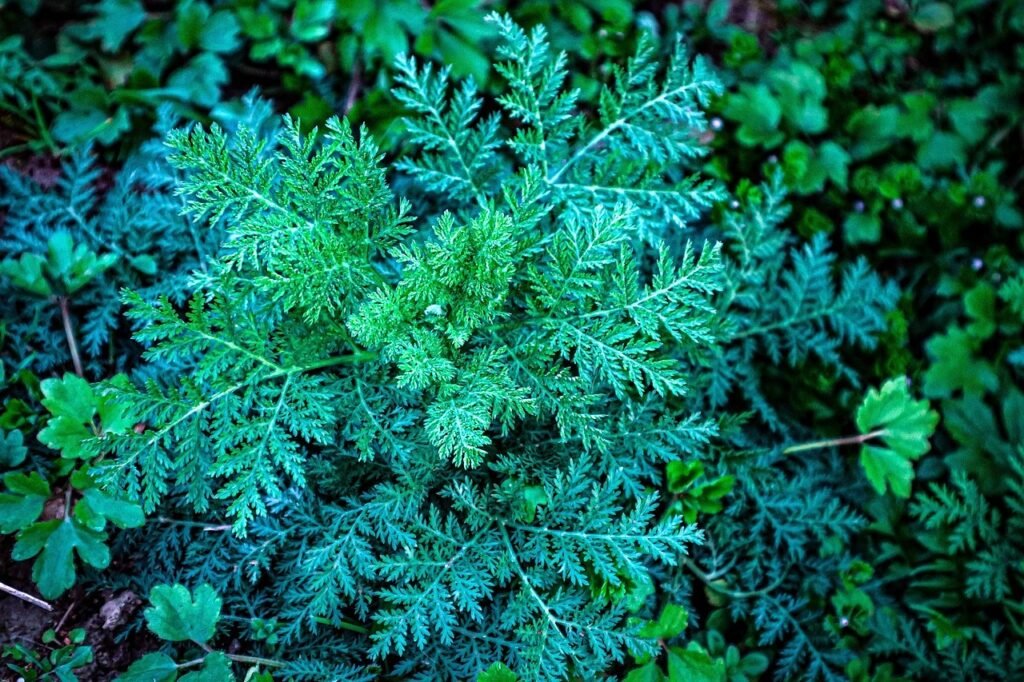
In the 1970s, researchers searched urgently for new malaria treatments. Drug resistance threatened existing therapies.
Scientists turned to Traditional Chinese Medicine texts. They found references to sweet wormwood for treating fever. From this plant, they isolated artemisinin.
Artemisinin discovery revolutionized malaria treatment. It remains a core component of modern anti-malarial therapy.
This case shows how ethnobotany and drug development intersect directly. Researchers did not stumble upon the plant randomly. They followed centuries of traditional healing practices.
The scientist who helped lead this work later received a Nobel Prize, proving that ancient knowledge can inspire world-changing breakthroughs.
4. Paclitaxel (Taxol): A Cancer Fighter from the Pacific Yew
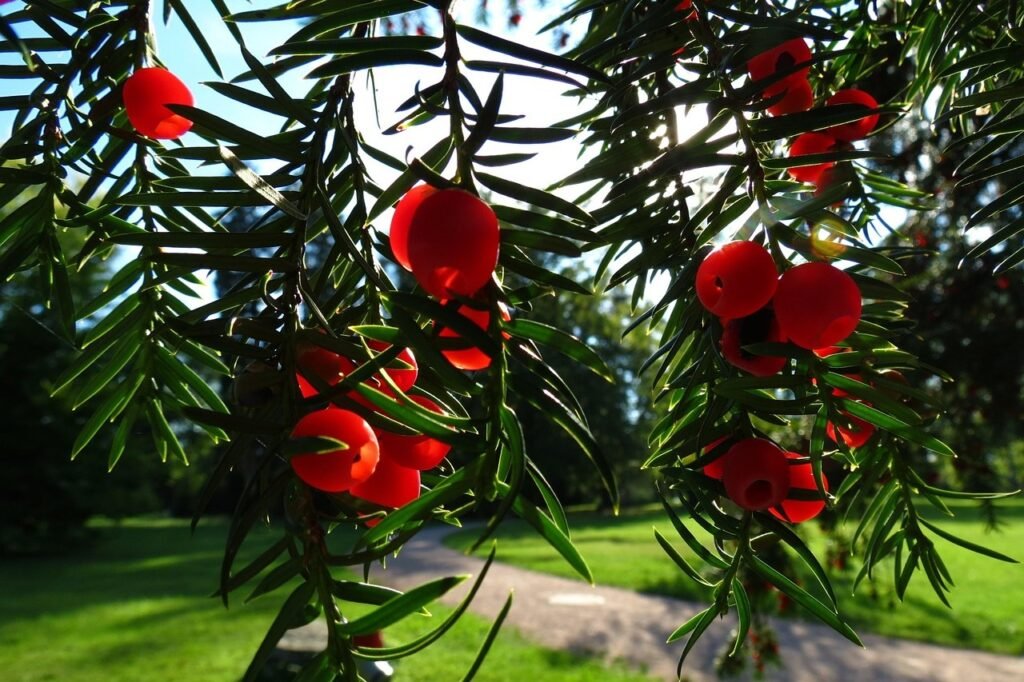
In the 1960s, researchers collected plant samples as part of a large bioprospecting effort. They tested extracts for anti-cancer activity. One tree, the Pacific yew, showed promise.
Scientists isolated paclitaxel, later marketed as Taxol. This compound blocks cancer cell division and became a powerful chemotherapy drug.
This example highlights natural product drug discovery in action. It also raises issues of sustainability. Early harvesting methods threatened yew populations.
Researchers later developed semi-synthetic production methods to protect the species. This shift reflects the importance of sustainable drug development and biodiversity conservation.
Fun Fact
When scientists first discovered paclitaxel, they had to process several tons of tree bark to produce a small amount of the drug.
That challenge forced innovation in botanical medicine research and sustainable sourcing.
5. Morphine: The Alkaloid That Transformed Pain Management
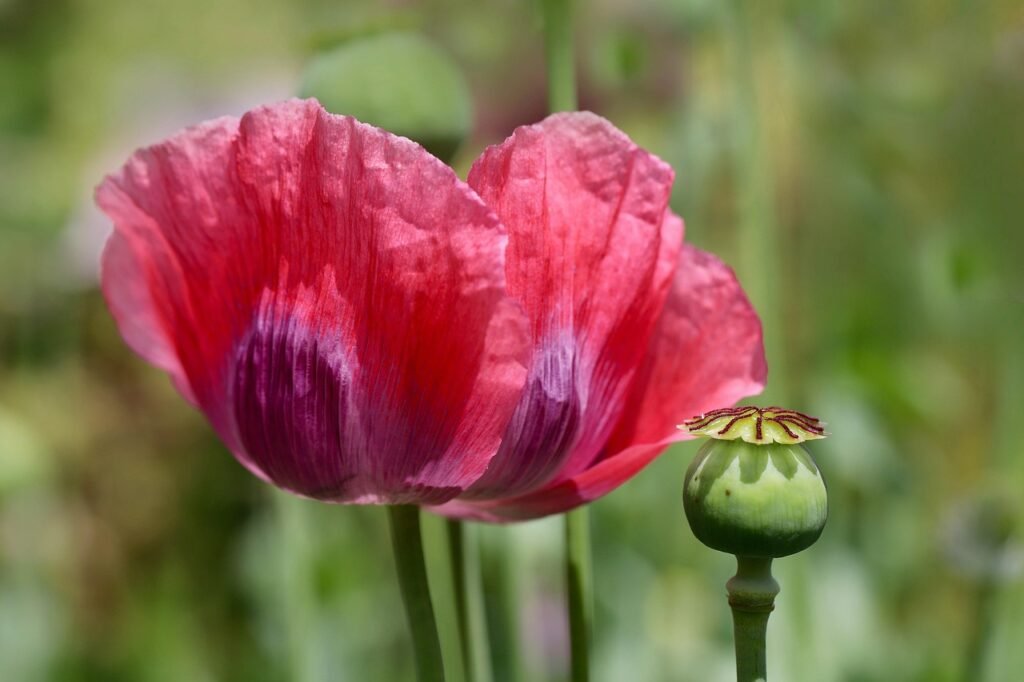
For thousands of years, people used opium poppy latex to relieve pain. In the early 1800s, scientists isolated morphine from poppy’s dry latex, one of the first plant alkaloids in medicine.
Morphine changed surgery and emergency care forever. Doctors could finally control severe pain more effectively.
This discovery also launched modern pharmacognosy. Researchers realized they could isolate specific active compounds from medicinal plants and standardize them into precise doses.
While morphine carries risks of addiction, its medical value remains undeniable. Ethnobotany provided the starting point.
6. Metformin: From Traditional Herb to Diabetes Treatment
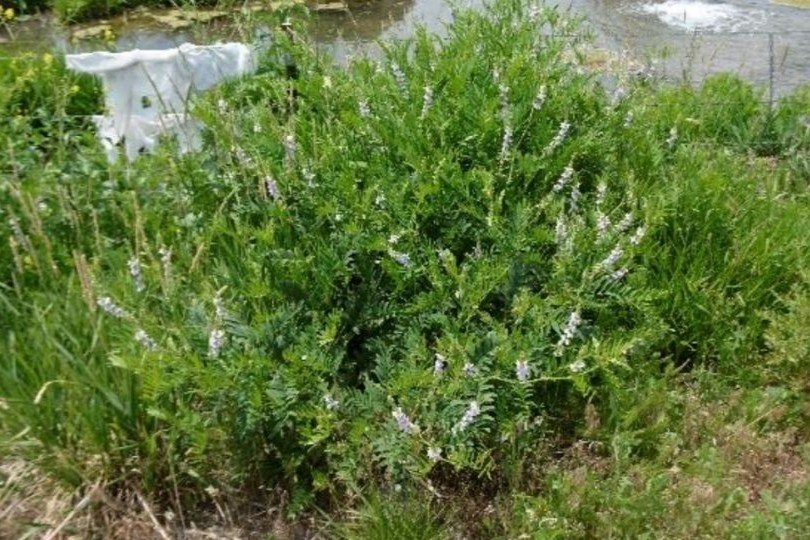
Metformin ranks among the most prescribed drugs for type 2 diabetes today. Its roots trace back to goat’s rue (Galega officinalis), a plant used in European folk medicine.
Traditional healers used the plant for symptoms that resemble diabetes. Scientists later identified guanidine compounds in the plant. After refinement and testing, researchers developed metformin.
This story shows how plant-based medicine evolves into mainstream pharmaceutical research. Ethnobotany offers the clue. Science refines and tests it.
Metformin now helps millions manage blood sugar levels safely and effectively.
7. Vincristine and Vinblastine: Cancer Drugs from Madagascar Periwinkle
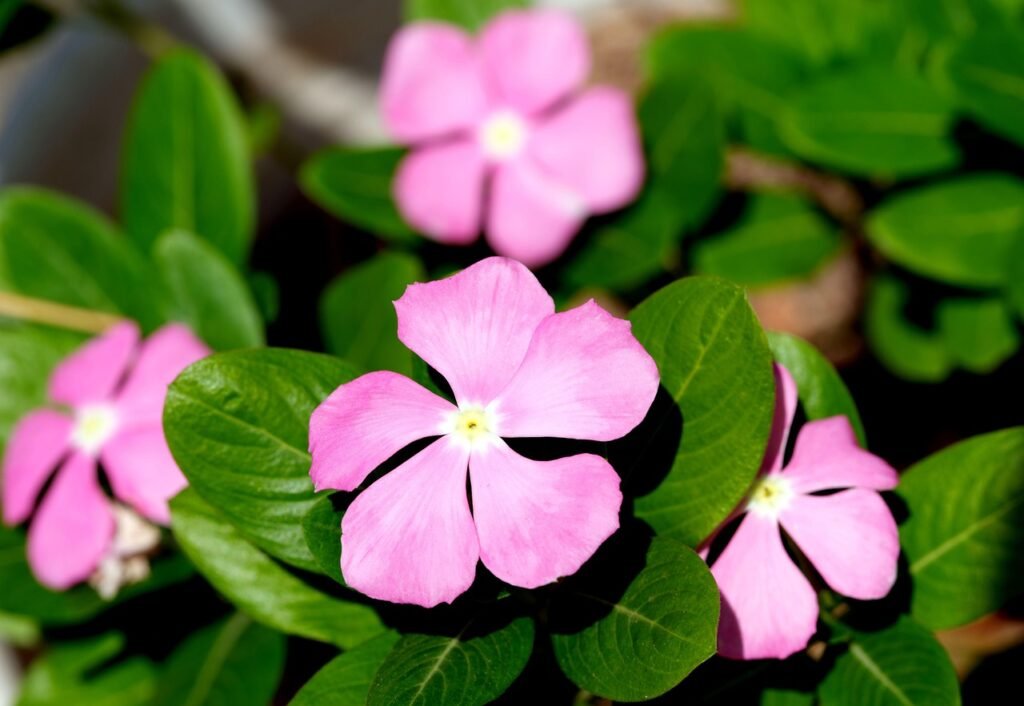
In Madagascar, communities used periwinkle in traditional medicine. Researchers investigated the plant for potential diabetes treatments. Instead, they discovered powerful anti-cancer properties.
Vincristine and vinblastine became critical treatments for leukemia and lymphoma.
This example reminds us that natural compounds in medicine sometimes surprise us. Ethnobotany points the way, but scientific testing uncovers new uses.
The Madagascar periwinkle also highlights biodiversity and medicine. If that plant species had vanished before study, those cancer drugs might not exist.
8. Digoxin: A Heart Drug from Foxglove
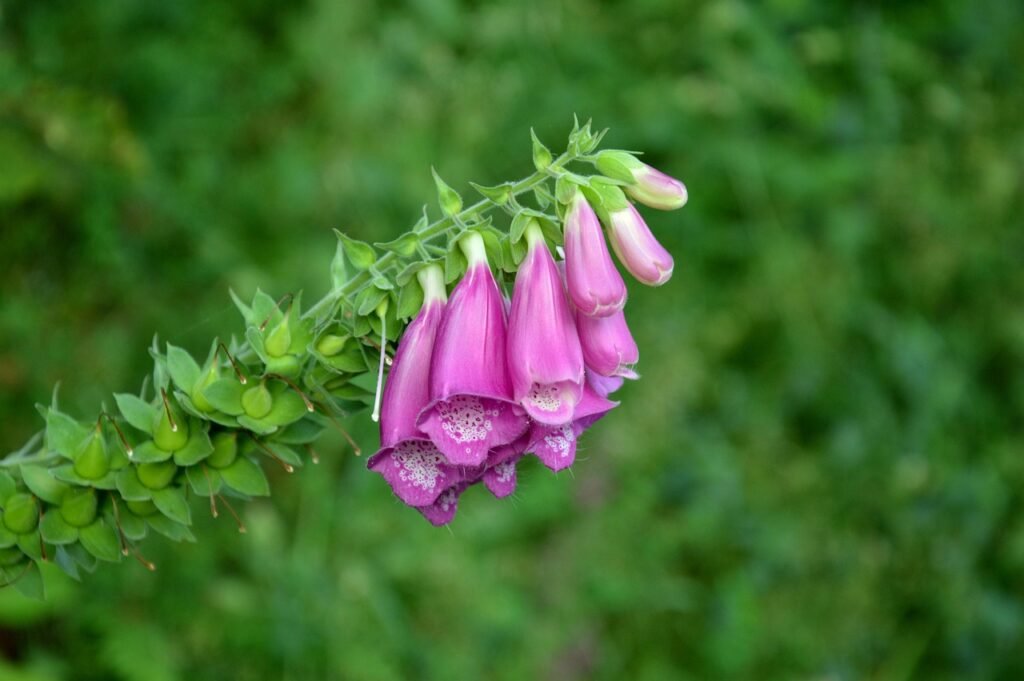
In 18th-century England, a physician named William Withering studied a folk remedy for dropsy, a condition we now call heart failure. The remedy included foxglove.
Withering isolated the active compound, now known as digoxin. It strengthens heart contractions and improves symptoms in certain cardiac patients.
This case demonstrates how herbal medicine research can evolve into standardized plant-derived pharmaceuticals.
Foxglove also illustrates a key lesson: plants can heal, but they can also harm. Digoxin requires precise dosing. Too much can cause toxicity. Ethnobotany and pharmacognosy work together to ensure safety.
9. Galantamine: An Alzheimer’s Treatment from Snowdrops
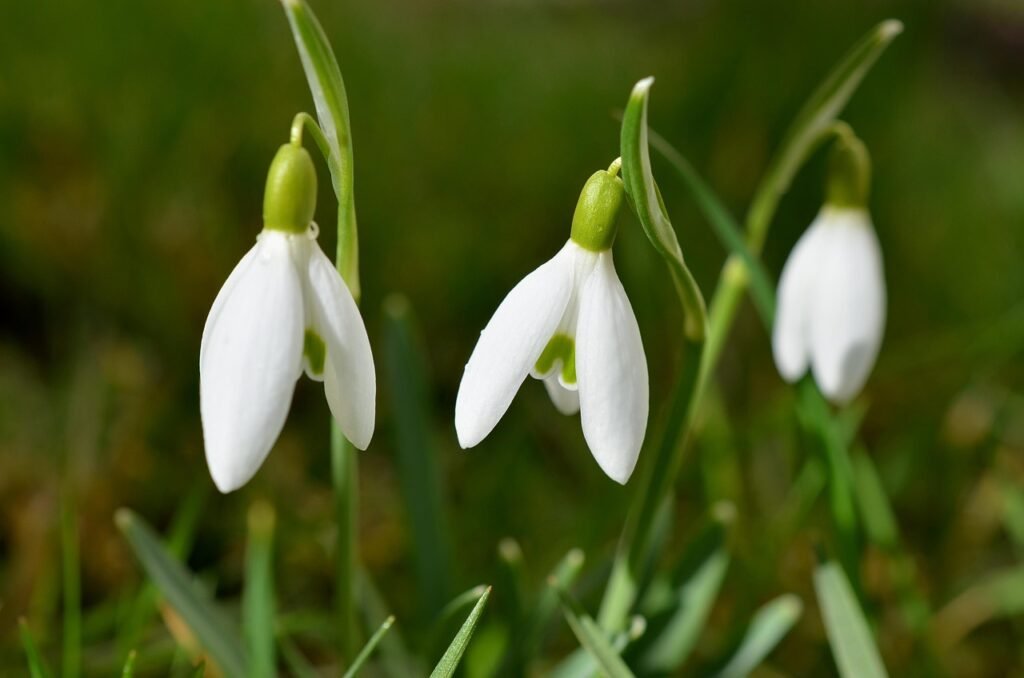
In parts of Eastern Europe, people used snowdrops in traditional medicine. Researchers later isolated galantamine from these plants.
Galantamine treats symptoms of Alzheimer’s disease by affecting neurotransmitters in the brain.
This drug discovery from plants reinforces the ongoing importance of ethnopharmacology. Even in the 21st century, medicinal plants continue to shape modern medicine.
How Ethnobotany Becomes Pharmaceutical Innovation
You might wonder how a plant used in a village becomes a regulated drug on pharmacy shelves.
The process usually follows several steps.
First, ethnobotanists document indigenous knowledge and traditional medicine practices. They identify which plants people use and how they prepare them.
Next, researchers collect samples responsibly, following ethical sourcing of medicinal plants guidelines. Scientists test extracts in labs to identify biological activity.
Then comes bioassay-guided fractionation. Researchers separate plant extracts into smaller chemical fractions. They test each fraction to find the active compound.
After isolating a promising molecule, scientists study its structure and effects. They refine it if needed. Then they move into animal testing and human clinical trials.
This entire pathway falls under pharmaceutical research and natural product drug discovery. It takes years and significant funding.
Still, ethnobotany reduces guesswork. Instead of screening random plants, researchers start with leads rooted in centuries of observation.
Bioprospecting, Ethics, and Indigenous Knowledge Protection
Bioprospecting involves searching ecosystems for useful biological compounds. While it fuels innovation, it also raises ethical questions.
Who owns traditional knowledge? Who benefits when companies develop drugs from medicinal plants?
The Nagoya Protocol, an international agreement, aims to ensure fair and equitable sharing of benefits from genetic resources. It promotes ethical sourcing of medicinal plants and respect for indigenous knowledge.
Without proper agreements, companies risk exploiting communities that have safeguarded plant knowledge for generations.
Sustainable drug development must include conservation and fairness. Biodiversity conservation and pharmaceuticals depend on protecting both ecosystems and cultural heritage.
When we value traditional healing practices, we also value the people who preserve them.
The Future of Ethnobotany in Drug Development
You might assume that modern labs have replaced traditional plant knowledge. In reality, the opposite holds true.
Researchers now combine ethnobotanical databases with artificial intelligence. Algorithms scan plant compounds and predict biological activity. Scientists integrate this technology with field research.
Climate change adds urgency. Habitat loss threatens rainforest medicinal plants before researchers can study them. Every extinct species may represent a lost medical breakthrough.
The future of plant-based drugs depends on collaboration. We need botanists, chemists, pharmacologists, and community leaders working together.
We also need public support for biodiversity and medicine initiatives. When you support conservation, you indirectly support future medical discoveries.
Ethnobotany does not belong to the past. It drives the next generation of botanical medicine research.
The Bottom Line
Ethnobotany and drug development share a deep and ongoing partnership. Traditional medicine offers insight. Science provides testing, safety, and refinement.
From aspirin and quinine to artemisinin and modern cancer therapies, medicinal plants have shaped pharmaceutical research in profound ways. Natural compounds in medicine continue to inspire innovation.
When you look at a forest, you no longer see just trees. You see potential, plant alkaloids in medicine, and future treatments hidden in leaves and bark. It’s fascinating.
Ethnopharmacology reminds us that knowledge grows through collaboration. Indigenous communities, scientists, and healthcare providers all play a role.
If we protect biodiversity, respect indigenous knowledge, and invest in sustainable drug development, we unlock a healthier future for everyone.
********************
If this article changed how you see plants and medicine, share it with someone who loves science, sustainability, or global health — and join the conversation about protecting the world’s medicinal plants for future generations.