










The article is about how everyday industries secretly rely on plants you might never guess.
“Plants have a way of turning the ordinary into extraordinary, even in factories and labs.” – The Economic Botanist
Have you ever stopped to think about where the materials around you come from? When you sit on a car seat, unroll a cork bulletin board, or even enjoy a biodegradable snack wrapper, chances are plants played a role. Industries across the world are turning to plants—not just trees for paper or fruits for food—but for strange, surprising products that make modern manufacturing possible. From renewable alternatives to plastic to plant-based chemicals that replace petroleum, plants are quietly taking center stage in manufacturing. This article dives deep into some of the most unusual plant products used in industry and shows you how nature and technology work together in ways that might surprise you.
Why are plants so crucial? For one, industries are looking for sustainable and eco-friendly solutions. You’ve probably heard the buzz about “green materials” or “bioplastics.” These aren’t just trendy phrases; they reflect a serious shift toward renewable, plant-derived materials. By exploring this list of strange plant products used in industry, you’ll discover how plants are helping industries reduce waste, cut carbon footprints, and even innovate in high-tech ways.
Why Plants Are Important for Modern Industry
The Rise of Plant-Based Industrial Materials
You might not realize it, but industries are increasingly replacing petroleum-based products with plant-derived alternatives. This isn’t just about saving the planet—though that’s a huge bonus. Plant materials often offer versatility and performance that synthetic chemicals can’t match. From natural fibers that strengthen car panels to plant oils that make eco-friendly lubricants, industries have found ways to harness nature’s toolkit.
Key Advantages of Plant-Derived Products
First off, they’re renewable. Unlike oil, which takes millions of years to form, plants grow quickly and can be harvested sustainably. They’re also biodegradable, meaning they break down naturally instead of piling up in landfills. Many plant products, like cellulose and hemp fibers, offer impressive strength and flexibility, making them perfect for everything from packaging to construction. Plus, using plants can lower your carbon footprint, which is something businesses—and consumers—care about more and more.
15 Strange Plant Products Used in Industry
1. Rubber from Rubber Trees
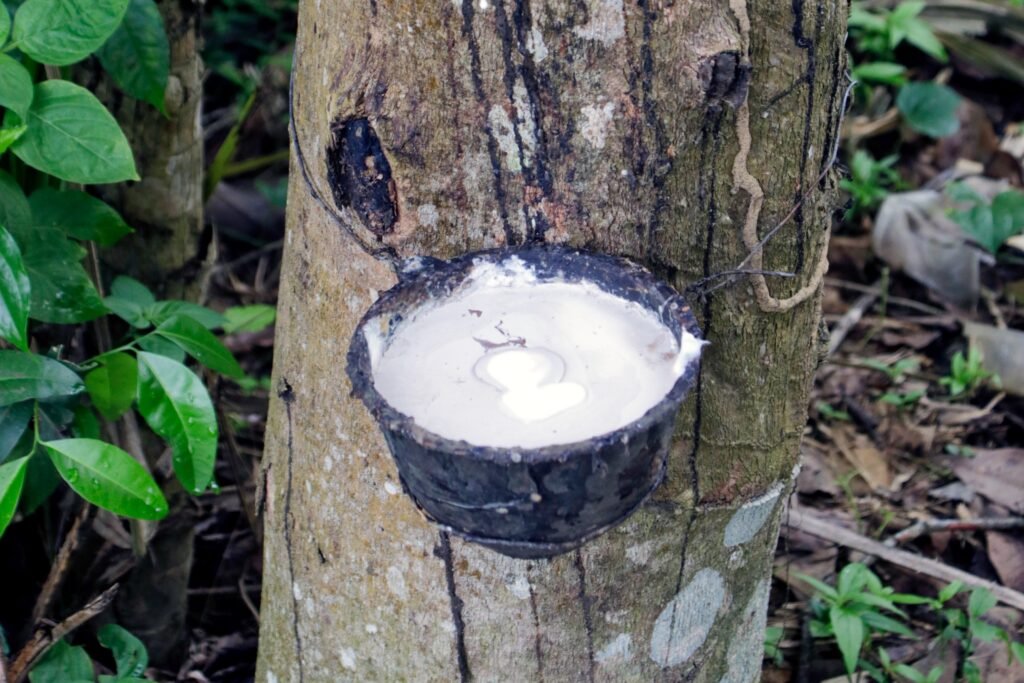
When you think of rubber, you probably picture tires. What you might not know is that natural latex comes from the sap of rubber trees. Industries use this latex in gloves, balloons, seals, and even medical devices. It’s stretchy, durable, and renewable, making it a perfect alternative to synthetic rubber in many applications.
2. Cork from Cork Oak Bark
Cork comes from the bark of the cork oak tree, and here’s the cool part: harvesting cork doesn’t kill the tree. Industries love cork because it’s lightweight, compressible, and resistant to moisture. You’ll find it in insulation, flooring, and even aerospace applications.
3. Bamboo Fibers
Bamboo isn’t just for panda snacks. Its fibers are incredibly strong, which is why industries use them in textiles, furniture, and construction materials. Bamboo grows quickly, which makes it a sustainable alternative to slow-growing hardwoods.
4. Algae-Based Plastics
Algae is making waves in eco-friendly manufacturing. Scientists can turn algae into biodegradable plastics, which can replace traditional petroleum-based packaging. Not only does this help reduce plastic pollution, but it also uses a renewable resource that can be grown in water, without taking up arable land.
Fun Fact
Some algae bioplastics can even dissolve in water, making them perfect for single-use packaging that doesn’t harm the environment.
5. Pine Tree Resin

Pine trees produce sticky resin that industries use to make adhesives, varnishes, and inks. This natural product offers strong bonding properties without relying on harsh chemicals. It’s an ancient material that still proves invaluable in modern manufacturing.
6. Corn Starch Plastics
Corn starch isn’t just for cooking. When processed, it becomes a biopolymer used in biodegradable packaging. Corn-based plastics are especially popular in disposable cutlery, food containers, and packaging films. They’re helping industries reduce plastic waste while keeping performance high.
7. Soybean-Based Industrial Oils
Soybeans are more than food—they’re a source of oils used in paints, inks, lubricants, and coatings. These oils often replace petroleum-based chemicals, offering renewable, eco-friendly alternatives. Plus, they improve the quality and flexibility of industrial products.
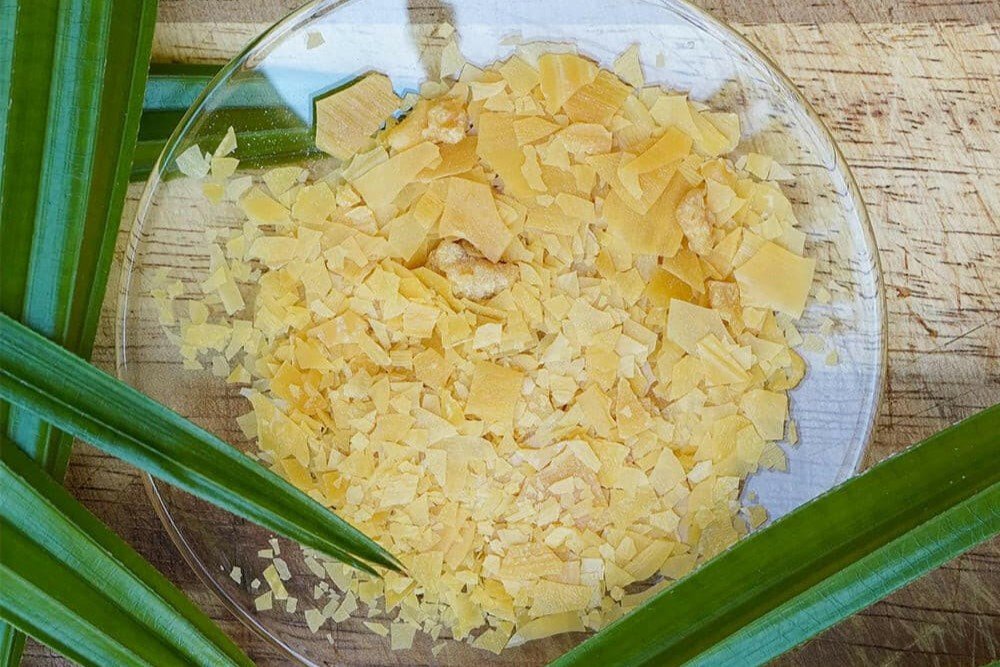
8. Carnauba Wax from Palm Leaves
Known as the “queen of waxes,” carnauba comes from the leaves of the Brazilian palm. Industries use it in car polish, electronics coatings, and cosmetics. Its glossy finish and protective properties make it a favorite in manufacturing and beauty products alike.
9. Flax Fibers
Flax fibers aren’t just for linen clothing. They’re strong and lightweight, which makes them perfect for composite materials used in cars, planes, and eco-friendly construction panels. Flax is a versatile plant that industries increasingly rely on for sustainable alternatives to synthetic fibers.
10. Coconut Coir
The fibrous husk of coconuts, called coir, is surprisingly useful. Industries use it in ropes, mats, mattresses, and even erosion control systems. Coir fibers are durable, water-resistant, and naturally biodegradable.
11. Cellulose from Wood Pulp
Cellulose is the main component of plant cell walls, and industries use it in everything from paper and textiles to films and plastics. It’s flexible, renewable, and perfect for replacing synthetic materials in a variety of applications.
12. Guayule Shrub Latex
Guayule is a shrub native to the southwestern United States. Its latex provides an alternative source of natural rubber, which is especially valuable for people with latex allergies. Industries use it for gloves, medical supplies, and other rubber-based products.
13. Hemp Fiber Composites
Hemp is a superstar in sustainable manufacturing. Its fibers are strong and lightweight, making them ideal for car panels, building materials, and even biodegradable plastics. Hemp grows quickly and requires minimal pesticides, which makes it eco-friendly.
14. Castor Oil
Castor oil comes from the seeds of the castor plant and has a surprising range of industrial uses. It’s a lubricant, a chemical feedstock, and even a raw material for producing nylon. Castor oil bridges the gap between natural and synthetic industries.
15. Natural Indigo Dye
Indigo isn’t just for jeans. This plant-based dye has been used for centuries in textiles, especially denim. It provides rich colors without relying on synthetic dyes, making it an important material in sustainable textile manufacturing.
Fun Fact
The indigo dye process actually strengthens fibers, making your jeans more durable over time.
How Plants Are Replacing Petroleum-Based Materials
Biopolymers and Plant Plastics
Corn, algae, and cellulose are replacing petroleum-based plastics. They can mimic the properties of traditional plastics but break down naturally after use. This shift is transforming industries from packaging to electronics.
Sustainable Manufacturing Trends
You’ve probably noticed industries are embracing a circular economy. That means reusing, recycling, and finding innovative ways to turn plant waste into valuable raw materials. Instead of throwing plant byproducts away, companies now turn them into composites, fibers, or energy sources.
Industries That Depend on Plant Materials
Industries across the board rely on plants:
- Automotive industry: hemp, flax, and bamboo fibers for panels and interiors
- Construction industry: bamboo, cork, and coir for sustainable building materials
- Textile manufacturing: flax, indigo, and hemp for durable, eco-friendly fabrics
- Packaging industry: corn starch, algae, and cellulose for biodegradable packaging
- Electronics coatings and insulation: carnauba wax, plant oils, and resins
Future Innovations in Plant-Based Industrial Materials
Lab-Engineered Plant Fibers
Scientists are creating hybrid plant fibers with superior strength and durability. These fibers could one day replace metals and synthetic materials in construction and manufacturing.
Advanced Bioplastics
Research in algae, starches, and plant cellulose continues to create plastics that are strong, flexible, and fully biodegradable. Industries are experimenting with edible packaging and water-soluble materials.
Agricultural Waste as Industrial Raw Material
Industries are turning leftovers from crops into valuable products. Corn husks, wheat straw, and rice husks can all be transformed into fibers, insulation, or even biofuels.
Environmental Benefits of Plant-Based Manufacturing
Using plant products reduces carbon emissions and creates biodegradable alternatives to plastics. Renewable plant resources also prevent over-reliance on petroleum, contributing to a healthier planet. With every plant-based innovation, industries make steps toward more sustainable and responsible production.
The Bottom Line
Plants are more than food or decoration—they’re a backbone of modern industry. From rubber trees to algae, from castor oil to indigo dye, plant-based products are reshaping manufacturing in sustainable, surprising ways. By understanding these strange plant products used in industry, you can see just how much nature powers the materials we use every day.
If you’re inspired by the amazing ways plants support industry, consider choosing products made from renewable plant-based materials and support sustainable innovation.