


15 Lucky Foods to Eat on New Year’s Eve for Good Fortune and Prosperity

This article is about time-honored plant-based foods from cultures around the world that are believed to bring good luck, prosperity, and good vibes when eaten on New Year’s Eve. As one year ends and another begins, many of us look for little ways to welcome in something better—more joy, more stability, more success. While resolutions…
Read More

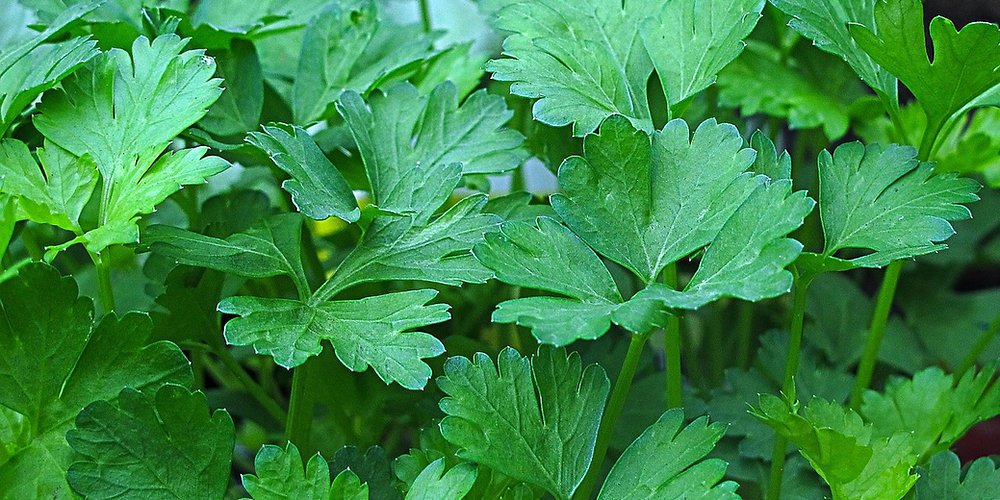
Parsley: All you need to know

Scientific name: Petroselinum crispum (Mill.) A.W.Hill Family: Apiaceae You probably recognize parsley as the bright green garnish often sprinkled on your plate, but this unassuming herb is much more than just a pretty decoration. Parsley is a versatile kitchen staple, packed with nutrients, rooted in rich history, and boasting surprising health benefits. In this Plant Compendium entry,…

Read More

Soybeans: All you need to know

Scientific name: Glycine max (L.) Merr. Family: Fabaceae ften called the “miracle bean,” the soybean is one of humanity’s most versatile and valuable crops. From its role in ancient Asian agriculture to its dominance in global commodity markets, soybeans weave together food, industry, ecology, and health in a single plant. In this Plant Compendium entry, we’ll explore everything…

Read More

Plants of Light: The Symbolism of Fire and Flora in Winter Holidays

This article is about how light-loving plants—resins, evergreens, herbs, and oils—become symbols, rituals, and even commodities in winter traditions. “From sap that glows like tears of the tree, to candles fed by olive oil, plants whisper the story of light through dark days.” – The Economic Botanist When you pause to smell pine, burn a…

Read More

Botanical Folklore of Winter Solstice Plants Around the World

This article is about the traditional plants used in winter solstice and midwinter celebrations across cultures — their spiritual meaning, healing properties, and how they’ve shaped rituals for centuries. “Even in the darkest seasons, the earth remembers how to heal. Solstice plants are living folklore — rooted in the past, blooming with purpose.” — The Economic…

Read More