







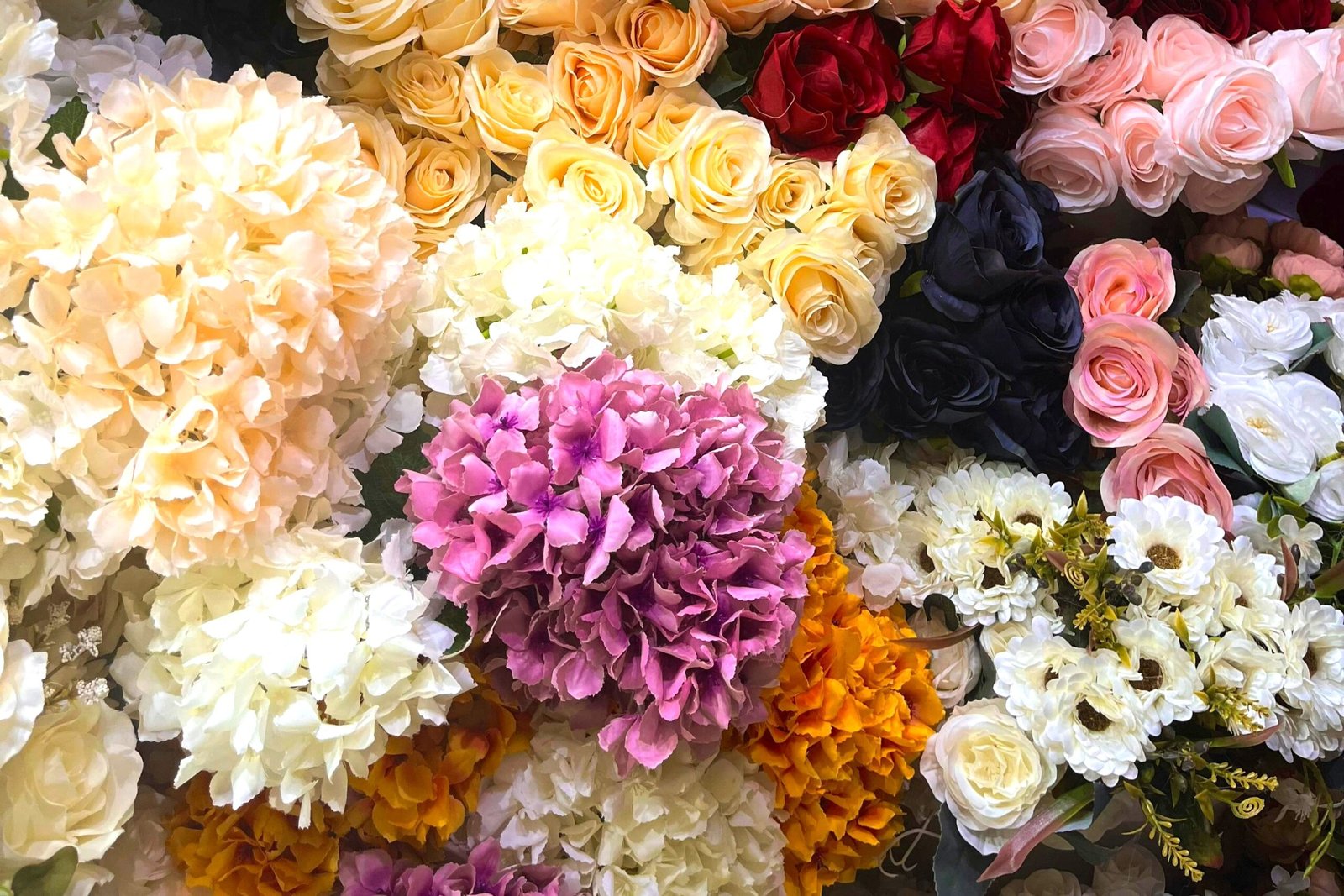
The article is about how floweriness—the simple, human response to flowers—can enhance calmness, happiness, and emotional wellbeing in everyday life.
“When we make space for flowers, we make space for ourselves to feel better—without needing to explain why.” — The Economic Botanist
This article is about a quiet but powerful idea: floweriness. You may not have heard the word before, but you have definitely felt it. It is that soft shift in your mood when you walk past fresh flowers. The gentle lift when someone brings you a bouquet. The calm that settles in when flowers sit on your table, doing nothing at all—and somehow doing a lot.
Floweriness is not about luxury, perfection, or decoration. It is about how flowers affect the human nervous system, emotions, and sense of wellbeing. Science backs this up, and so does lived experience. In a world that often feels loud, rushed, and tense, floweriness offers something slower, softer, and deeply human.
What follows is a grounded, research-informed look at why flowers matter, how they support mental health, and how you can use floweriness to bring more calm and happiness into your daily life—without overthinking it.
- What Is Floweriness? Understanding a Universal Human Response
- The Science Behind Floweriness and Emotional Wellbeing
- How Flowers Reduce Stress and Anxiety Naturally
- Floweriness and Calmness: Why Flowers Create Inner Stillness
- Floral Therapy: A Gentle Form of Emotional Support
- Floweriness and Happiness: More Than a Visual Pleasure
- Floweriness in Daily Life: Simple Ways to Invite It In
- Floweriness at Home and Emotional Wellbeing
- Floweriness at Work and in Shared Spaces
- Floweriness as a Lifestyle, Not a Luxury
- Why Floweriness Matters in a Fast, Digital World
- The Bottom Line
What Is Floweriness? Understanding a Universal Human Response
Floweriness is the emotional and psychological state that emerges when humans interact with flowers. It is not just about beauty. It is about how flowers make you feel. Across cultures and centuries, flowers have been used to mark joy, grief, love, healing, and rest. That alone tells us something important: flowers speak to the human nervous system in a language older than words.
Unlike many wellness trends, floweriness is not something we had to invent. It already lives in us. Children respond to flowers without being taught. Adults often soften around them without realizing why. This is because floweriness works on multiple senses at once—sight, smell, touch, and even memory.
The Science Behind Floweriness and Emotional Wellbeing
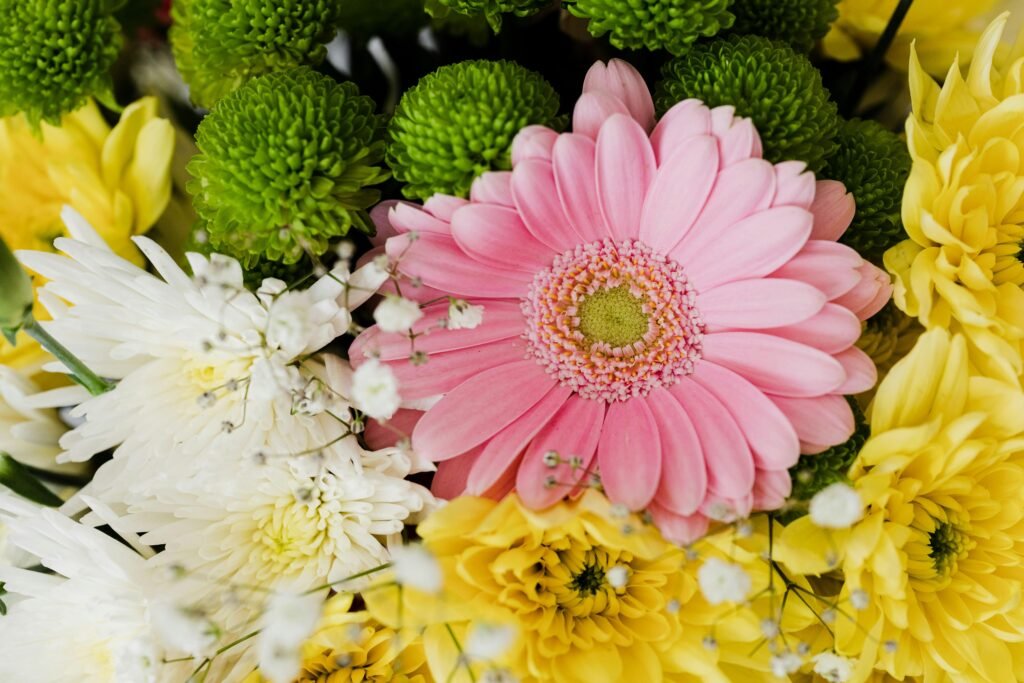
It may feel intuitive, but floweriness is also backed by research. Studies in environmental psychology and neuroscience show that exposure to flowers can reduce stress, improve mood, and increase feelings of social connection.
When you see flowers, your brain processes their colors, symmetry, and natural patterns quickly and positively. This can activate the parasympathetic nervous system, which is responsible for rest and calm. In simple terms, flowers help your body relax.
Researchers have also found that flowers can trigger the release of dopamine and serotonin—chemicals linked to happiness and emotional balance. This is one reason flowers feel uplifting even when nothing else has changed.
This is why flowers for mental health is not just a poetic phrase. It reflects measurable effects tied to floral psychology and emotional regulation.
Fun Fact
Studies have shown that people who receive flowers report improved mood for days afterward—not just in the moment they receive them.
How Flowers Reduce Stress and Anxiety Naturally
Stress lives in the body as much as in the mind. Floweriness works because it meets stress where it actually shows up. Looking at flowers can slow your breathing. Their natural forms encourage your eyes to rest instead of scanning for threats. Their scent, when present, can ground you in the moment.
This is why flowers are often present in places where emotions run high, like hospitals, therapy offices, and memorials. Flowers quietly help regulate emotional intensity.
For people dealing with anxiety, floweriness offers a non-demanding form of relief. You do not have to focus, perform, or improve yourself. You just have to notice.
Floweriness and Calmness: Why Flowers Create Inner Stillness
Calmness is not the absence of problems. It is the presence of safety. Floweriness helps create that feeling of safety by reminding your nervous system that not everything needs your attention right now.
When you place flowers in your space, they subtly invite you to slow down. They do not flash, buzz, or demand interaction. They simply exist. That alone is powerful in a world built around constant alerts.
This is why floweriness pairs naturally with flowers and mindfulness. You might find yourself pausing to notice a petal, a color shift, or how light falls across a bloom. These small moments anchor you in the present.
Floweriness can feel like meditation without the pressure of doing meditation “right.”
Floral Therapy: A Gentle Form of Emotional Support
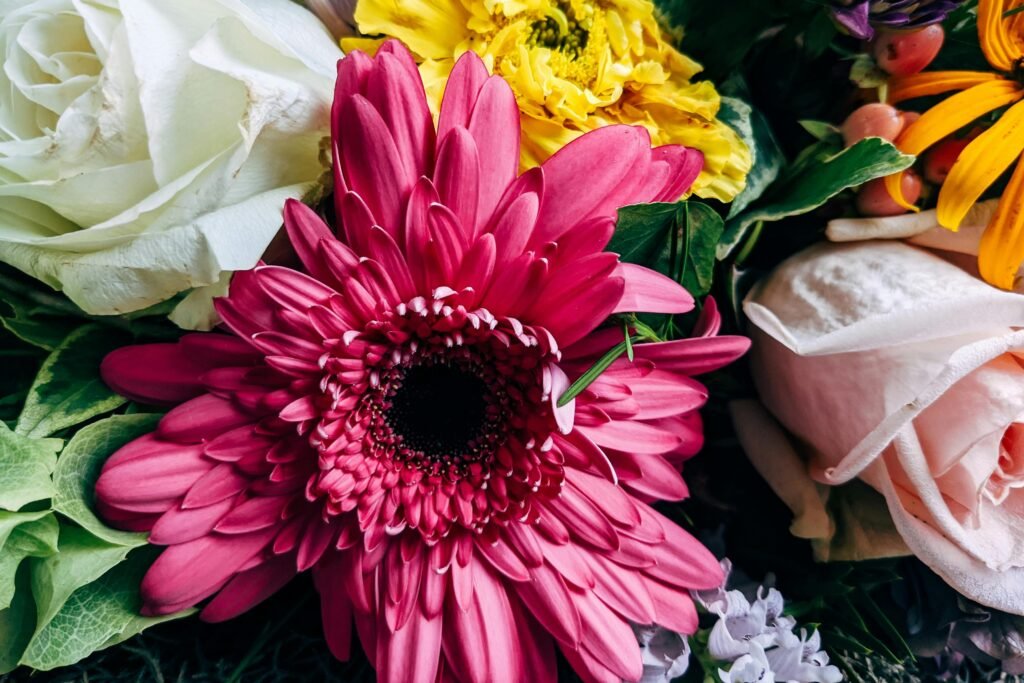
Floral therapy is not always formal or structured. Often, it looks like having flowers nearby when life feels heavy. It looks like tending a small arrangement or buying flowers for no special reason.
In research settings, interaction with flowers has been linked to reduced feelings of depression and increased life satisfaction. In daily life, people describe flowers as comforting, grounding, and emotionally supportive.
This makes floral therapy one of the most accessible forms of self-care. There is no learning curve. No equipment. Just a willingness to let flowers exist in your world.
Floweriness and Happiness: More Than a Visual Pleasure
Happiness is not just about pleasure. It is about meaning, connection, and emotional balance. Floweriness supports all three.
Flowers often mark moments of care. Someone thought of you. You thought of yourself. That sense of intention matters. It reinforces emotional bonds and self-worth.
At the same time, flowers also connect us to cycles when you think of blooming, fading, returning. This can gently remind you that emotions move too. Nothing stays stuck forever.
This is why why flowers make us happy is not a shallow question. It touches on deep emotional patterns tied to flowers and emotional health.
Fun Fact
In multiple cultures, flowers are used in daily rituals not for decoration, but to signal respect, calm, and emotional balance.
Floweriness in Daily Life: Simple Ways to Invite It In
Floweriness does not require grand gestures. Small, consistent choices often matter more. A single stem on your desk. A bunch of flowers in the kitchen. Even dried flowers can offer visual calm.
In other words, when you place flowers where you naturally look—near your bed, sink, or workspace—you increase their emotional impact. This is not about design rules. It is about visibility and presence.
Using flowers in daily life helps normalize moments of beauty and calm. Over time, this can shift how you experience your environment.
Floweriness at Home and Emotional Wellbeing
Home is where your nervous system rests. Flowers can shape how that rest feels. Soft colors in bedrooms support relaxation. Brighter flowers in shared spaces can lift mood and encourage connection.
You might notice that flowers subtly change how you move through your space. You slow down. You notice more. You breathe deeper.
This is why flowers and wellness and using flowers for self care are closely linked. Flowers make your environment kinder to your nervous system.
Floweriness at Work and in Shared Spaces
Workplaces are often designed for efficiency, not emotional health. Adding flowers can change that balance. Studies have shown that flowers in work environments can improve focus, creativity, and job satisfaction.
This is a practical example of biophilic design flowers—bringing natural elements indoors to support human wellbeing. Even simple arrangements can soften sterile spaces and reduce mental fatigue.
Floweriness at work is not about distraction. It is about emotional regulation.
Floweriness as a Lifestyle, Not a Luxury
One of the biggest misconceptions about floweriness is that it is indulgent. In reality, it is deeply practical. Flowers support mental health, emotional balance, and daily calm.
Seeing floweriness as part of a floral lifestyle means recognizing that wellbeing is built from small, repeated experiences—not big transformations.
You do not need expensive flowers. You need intention. Wildflowers, grocery store bouquets, garden clippings—all count.
Why Floweriness Matters in a Fast, Digital World
Modern life pulls attention outward. Screens demand focus. Notifications interrupt rest. Floweriness pulls attention inward in a gentle way.
Flowers do not compete for attention. They invite it. This makes them powerful allies for mindful living with flowers and emotional resilience.
As stress and burnout become more common, returning to simple, natural supports matters more than ever. Floweriness offers a way back to balance that feels human, not forced.
The Bottom Line
Floweriness is not a trend. It is a reminder. A reminder that calm and happiness can be supported through simple, natural means. Flowers work because they speak to something deep in us—something that understands beauty, rhythm, and rest without needing explanation.
When you bring flowers into your life, you are not just decorating. You are creating conditions for emotional wellbeing. You are choosing softness in a hard world. And that choice matters.
********************
If this resonated with you, consider bringing one small expression of floweriness into your space this week. Notice how it makes you feel—and let that feeling guide you forward.