




Scientific name: Artocarpus altilis (Du Roi) O.Deg. & I.Deg.
Family: Moraceae
Breadfruit might sound a bit exotic or unfamiliar if you haven’t encountered it before—but trust me, once you get to know this tropical gem, it’s easy to see why it’s been beloved for centuries. With its striking appearance and rich, starchy flesh, breadfruit has earned a place on the plates (and in the hearts) of communities across the tropics.
If you’re after a plant that’s both practical and fascinating, breadfruit is a standout choice. This tropical tree produces large, potato-like fruits that are not only incredibly versatile in the kitchen but also deeply rooted in cultural and ecological significance. For thousands of years, breadfruit has been a staple food in Pacific Island cultures, offering a reliable, nutritious source of energy that’s as sustainable as it is satisfying.
In this Plant Compendium entry, we’ll dive into the world of breadfruit—exploring its history, growth habits, and how you can enjoy it at home. From health benefits and culinary tips to harvesting advice and environmental impact, this guide will give you everything you need to appreciate and possibly grow this remarkable fruit yourself.
History of Breadfruit
Breadfruit has a long and fascinating history that stretches back thousands of years. Believed to have originated in New Guinea, the plant spread throughout Oceania as early Austronesian voyagers carried it across the Pacific, planting it in Polynesia, Micronesia, and Melanesia. Its ability to produce large, starchy fruits that could be roasted, baked, or boiled made it an essential staple for island communities.
Breadfruit became more than just a food source—it was a cornerstone of Polynesian culture, intricately tied to tradition, mythology, and sustainability. Some communities developed techniques to ferment and store breadfruit underground, creating a long-lasting food reserve for times of scarcity.
In the 18th century, European explorers encountered breadfruit during their voyages in the South Pacific. Impressed by its productivity and nutritional value, they sought to introduce it to other tropical regions. Perhaps the most famous effort was the voyage of the HMS Bounty in 1787, led by Captain William Bligh, whose mission was to transport breadfruit plants from Tahiti to the Caribbean to feed enslaved laborers on British plantations. Though the first voyage was famously disrupted by a mutiny, Bligh later succeeded in delivering the plants to the West Indies.
Today, breadfruit grows in more than 90 countries and is being promoted as a sustainable crop that could help address global food security. Its deep-rooted history—from Pacific canoes to colonial ships—highlights the plant’s resilience and its vital role in feeding communities across centuries and continents.
Botanical Description
Breadfruit is a tropical evergreen tree that can grow quite large, often reaching heights of 20 to 30 meters (about 65 to 100 feet). Here’s a breakdown of its key botanical features:
Roots: Breadfruit trees develop a strong, shallow root system that spreads widely. This helps the tree anchor firmly in the soil and absorb nutrients efficiently. The roots are fibrous and typically stay close to the surface, which means breadfruit trees prefer stable, well-draining ground.
Stems: The trunk of the breadfruit tree is sturdy and straight, covered in smooth gray bark. It doesn’t get very thick compared to some trees, but the wood is durable and has even been used for building boats and houses in some cultures.
Leaves: Breadfruit leaves are large, glossy, and deeply lobed—almost like a hand with fingers spread out. They can be 30 to 50 cm long and are dark green on top with a lighter underside. The leaves help shade the fruit and reduce water loss, which is crucial in tropical environments.
Flowers: Breadfruit trees produce unisexual flowers (meaning male and female flowers are separate but on the same tree). The flowers aren’t particularly showy—they’re small and greenish-yellow. The female flowers develop into the fruit, while the male flowers provide pollen.
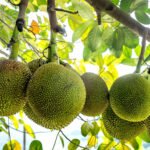
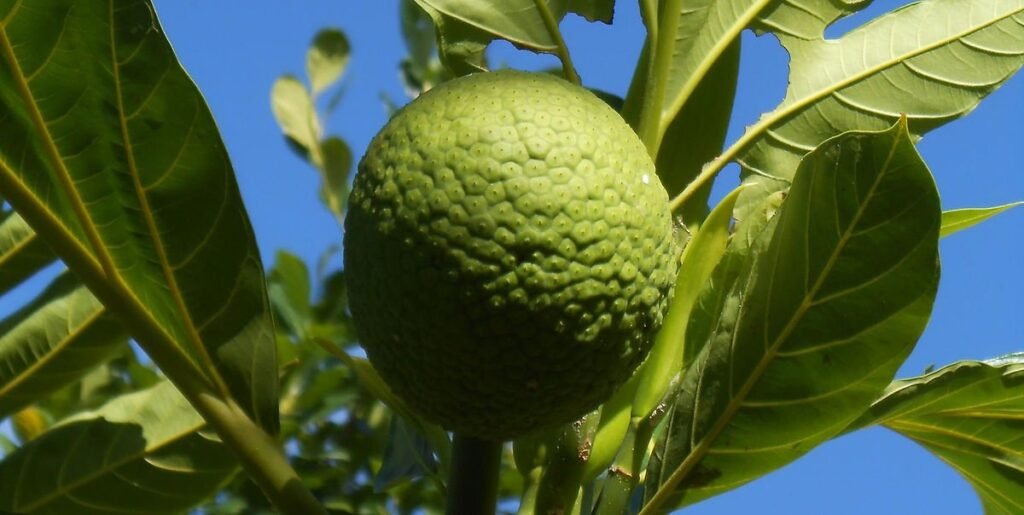
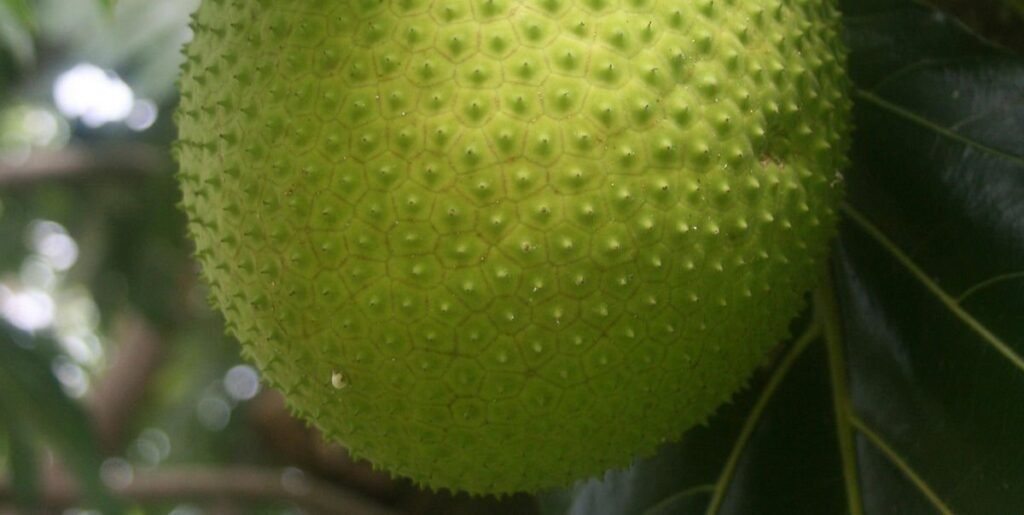
Fruits: The fruit itself is the star of the show. Breadfruit fruits are large, round or oval, and can weigh anywhere from 1 to 5 kilograms (2 to 11 pounds). When unripe, they’re green and covered with hexagonal bumps. As they ripen, the fruit softens and the skin color changes slightly. The inside of the fruit is starchy and creamy, kind of like a potato or freshly baked bread—which is exactly how it got its name! The flesh can be yellowish or white, depending on the variety.
Seeds: Interestingly, many breadfruit varieties are seedless or have very few seeds, making them ideal for cooking. When present, the seeds are oval, brown, and about the size of a large pea. In wild varieties, seeds are more common, but cultivated types have been selectively bred for seedlessness.
Growing Instructions
Here’s everything you need to know to get breadfruit off to a great start:
Sunlight: Breadfruit trees thrive in full sun. They need at least 6 hours of direct sunlight daily to grow strong and produce good fruit. If you’re planting in a garden or farm, pick a sunny spot with minimal shade.
Soil: They prefer well-draining, fertile soil rich in organic matter. Loamy soils with good moisture retention but no waterlogging are ideal. Breadfruit trees don’t like overly sandy or clay-heavy soils.
Temperature: Being a tropical tree, breadfruit loves warm temperatures. The ideal range is between 21°C and 32°C (70°F to 90°F). They’re sensitive to frost, so if you live somewhere with cold winters, growing breadfruit outdoors might be a challenge unless you have a greenhouse or indoor setup.
Watering: Breadfruit trees enjoy regular watering, especially when young. Keep the soil consistently moist but not soggy. Once established, they’re fairly drought-tolerant but will produce better fruit with adequate water.
Spacing: Since breadfruit trees can grow very large, give them plenty of space—at least 9 to 12 meters (30 to 40 feet) apart from other trees or structures. This allows enough room for their roots and canopy to spread.
Pruning: Pruning isn’t usually necessary for breadfruit trees, but light pruning can help maintain a manageable size or improve airflow. Remove any dead, damaged, or crossing branches to keep the tree healthy.
Support: Young trees may benefit from staking to keep them upright during strong winds, but mature trees are sturdy enough to stand on their own.
Life Cycle: Breadfruit follows a typical life cycle consisting of:
Germination: Breadfruit seeds, if present, can take 2-4 weeks to germinate. However, most cultivated breadfruit is propagated by cuttings or grafting.
Vegetative Growth: The tree grows rapidly in the first few years, developing its trunk, branches, and leaves.
Flowering: Breadfruit trees begin to flower around 3-5 years old.
Fruit Set: After pollination, fruit develops and matures in about 3-6 months.
End of Season: The fruit is harvested before it becomes overripe or starts to spoil.
Harvesting and Foraging
Harvesting
You’ll know breadfruit is ready to harvest when the skin changes from bright green to a slightly duller green or yellow, and the bumps on the surface become less prominent. The fruit should feel firm but not rock hard. Use a sharp knife or pruning shears to cut the fruit carefully from the tree, ideally with a bit of stem attached. Handle with care to avoid bruising. Harvesting breadfruit at the right time is key—too early, and it’ll be starchy and underdeveloped; too late, and it can become overly soft and prone to spoilage.
Foraging
In regions where breadfruit grows wild or has naturalized, foraging can be an option. Look for large green fruits on healthy trees. Be sure to identify the tree correctly, as breadfruit is sometimes confused with jackfruit or breadnut trees. When foraging, always seek permission if on private land, and harvest sustainably—don’t take more than you need to ensure the trees keep producing for others.
Plant Companions
Breadfruit trees can be great neighbors in a tropical garden. Here are some plants that grow well alongside them:
Taro: Thrives in the shade of breadfruit trees.
Ginger and Turmeric: Benefit from the dappled shade and mulch from fallen breadfruit leaves.
Bananas: Similar soil and moisture needs make these a good companion.
Legumes: Help fix nitrogen in the soil, improving soil fertility around breadfruit trees.
Avoid planting aggressive root competitors nearby, as breadfruit roots spread near the surface.
Common Pests and Diseases
Like any plant, breadfruit trees have their share of challenges. Here are some common issues:
Fruit Flies: Can lay eggs in the fruit, causing it to rot.
Mealybugs and Scale Insects: These sap-sucking pests can weaken the tree if left unchecked.
Fungal Diseases: Root rot and leaf spots can occur if the soil is waterlogged or humidity is very high.
Nematodes: Tiny worms that attack roots, reducing tree vigor.
Regular inspection, good hygiene (like removing fallen fruit), and natural predators can keep most pests in check.
Shopping Tips
If you want to try breadfruit but don’t have a tree nearby, here’s what to look for when buying:
Choose fruits that are firm, free of bruises or cuts.
If you want starchy breadfruit for cooking, select unripe green fruit.
For sweeter, softer breadfruit, pick fruit that has started to yellow.
You can find breadfruit fresh at tropical markets or frozen canned in some specialty stores.
Storage
Breadfruit is best used fresh, but you can store it briefly:
Unripe fruit: Keep at room temperature until it ripens.
Ripe fruit: Store in the refrigerator for up to 3-5 days.
Cooked breadfruit: Refrigerate and consume within 2-3 days.
You can also freeze cooked breadfruit for longer storage.
Avoid storing breadfruit in plastic bags without ventilation, as this can trap moisture and cause spoilage.
Culinary Uses
Now for the fun part—cooking with breadfruit! This fruit is incredibly versatile and can be prepared in ways similar to potatoes, bread, or even pasta. Here’s what you can do with breadfruit in your kitchen:
Boiled or steamed: Cook breadfruit like a potato. Peel, chop, and boil until tender. You can mash it, use it in soups, or eat it plain.
Roasted or baked: Roast whole breadfruit in the oven or on hot coals. The flesh becomes soft and sweet, perfect as a side dish.
Fried or sautéed: Cut into slices or cubes and fry like chips or fritters.
Breadfruit flour: Dried and ground breadfruit makes a gluten-free flour that can be used in baking.
Curries and stews: Breadfruit absorbs flavors well and adds bulk to savory dishes.
Desserts: Ripe breadfruit can be sweetened and baked into puddings or cakes.
Because breadfruit is mild in flavor, it pairs beautifully with herbs, spices, coconut milk, garlic, and chili.
Health Benefits
Eating breadfruit isn’t just tasty—it’s good for you too! Here are some key health benefits backed by research:
Rich in Complex Carbohydrates: Breadfruit provides slow-release energy, making it a great fuel source.
High in Fiber: Helps digestion and supports gut health.
Good Source of Vitamin C: Important for immune function and skin health.
Contains Potassium: Supports heart health and blood pressure regulation.
Low in Fat: Makes it a healthy addition to a balanced diet.
Contains Antioxidants: Compounds that fight oxidative stress and inflammation.
Plus, breadfruit’s nutrient profile makes it an excellent food for communities facing food insecurity—it’s nutritious, filling, and relatively easy to grow.
Toxicity and Safety
Breadfruit is generally safe to eat for most people. However, a few notes:
Some people may have mild allergic reactions, especially those sensitive to latex, as the tree produces a milky sap.
The sap can cause skin irritation, so wear gloves when handling raw fruit or sap.
Always cook breadfruit before eating; raw breadfruit can be tough to digest.
Environmental Impact
Breadfruit isn’t just a tasty treat—it’s also an eco-friendly crop with some major environmental perks:
Carbon Sequestration: Large trees like breadfruit absorb CO2, helping fight climate change.
Soil Health: Their leaf litter enriches soil and reduces erosion.
Biodiversity: Breadfruit trees support various insects and birds.
Sustainability: Once established, breadfruit trees produce food for decades with minimal inputs.
Food Security: Breadfruit can provide reliable calories in tropical regions, reducing reliance on imported foods.
In short, growing and eating breadfruit is a win-win for both you and the planet.