



Scientific name: Rubus spectabilis Pursh.
Family: Rosaceae
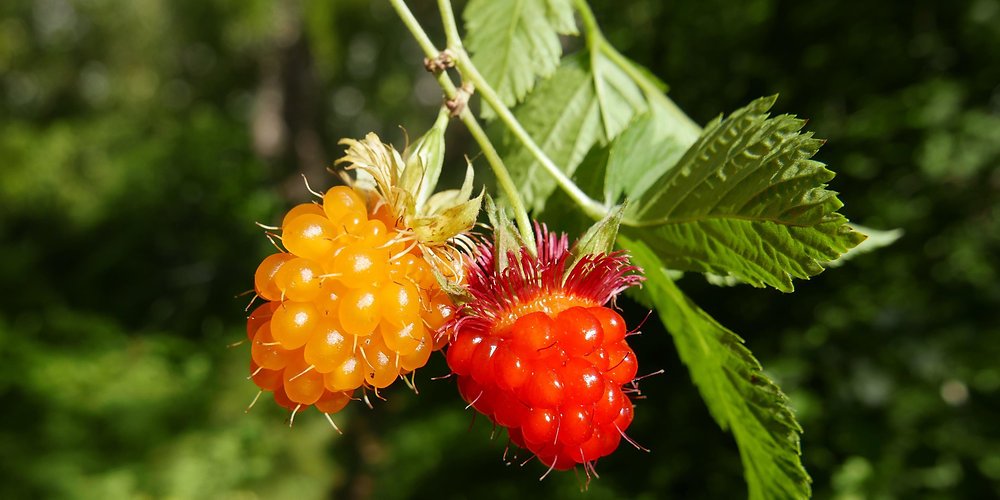
If you’ve ever wandered through the lush forests or along the riverbanks of the Pacific Northwest, you might have stumbled upon a plant with vibrant pink flowers and berries that range from golden yellow to deep red. That plant is the Salmonberry, a native shrub cherished for its beauty, edibility, and cultural significance. Whether you’re a gardener, forager, or simply a nature enthusiast, understanding this plant can deepen your appreciation for the ecosystems it thrives in.
This Plant Compendium entry will give you a full rundown of salmonberries—from their history and botany to how you can grow, harvest, and eat them. Whether you’re planting a pollinator-friendly hedge, hiking through coastal trails with a forager’s basket, or whipping up a batch of wild berry jam, salmonberries are one of those plants that give back in more ways than one.
They’re resilient. They’re beautiful. They’re steeped in culture and ecology. And best of all? They’re delicious.
If you’re lucky enough to live in salmonberry country, I hope this guide helps you make the most of this native treasure. And if you’re new to the plant, consider adding it to your garden or next foraging trip—you won’t regret it.
History of Salmonberry
The name “Salmonberry” is believed to have originated from the indigenous peoples of the Pacific Northwest. One theory suggests that the berries were often eaten with salmon roe, while another attributes the name to the salmon-colored hue of the fruit.
Historically, the plant has been integral to the diets of various Native American tribes. The Haida people, for instance, would mix salmonberries with seal oil to create a traditional dish known as akutaq. The berries were also used in medicinal teas and poultices for their astringent properties.
Botanical Description
At first glance, salmonberry might look like just another brambly shrub, but there’s a lot going on under those thorny stems and vibrant blooms. Knowing the plant’s structure—from its prickly canes to its juicy, seedy fruits—can help you better identify it in the wild, understand how it grows, and care for it more effectively in your garden.
Here’s a breakdown of each part of the plant so you can get familiar with all the little details that make Rubus spectabilis such a standout.
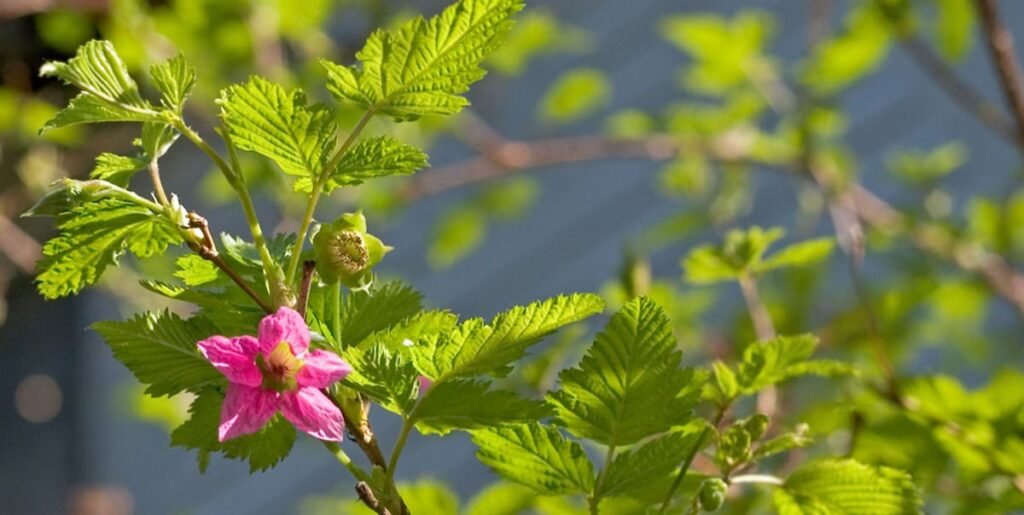
· Stems: Salmonberry shrubs can grow between 3 to 12 feet tall. Their stems are erect to arching and are covered with fine prickles, especially on the ends of new growth. As the plant matures, the bark becomes papery and golden-brown to rust-red in color.
· Leaves: The leaves are trifoliate (three-lobed) with serrated margins, measuring between 7 to 22 centimeters in length. They are deciduous and alternate along the stem.
· Flowers: In spring, the plant produces bright pink to magenta flowers, each with five petals and numerous stamens. These flowers are typically 1 to 1.5 inches in diameter and bloom from March to June.
· Roots: Salmonberries have a fibrous root system that helps anchor the plant in moist, well-drained soils. They often form dense thickets, which can help prevent soil erosion.
· Seeds: The fruit is an aggregate of drupelets, each containing a single seed. The seeds are small and numerous, contributing to the berry’s seedy texture.
Growing Instructions
Cultivating salmonberries can be a rewarding endeavor. Their vibrant flowers and unique berries add aesthetic value to gardens, and their edible nature offers culinary delights. Here’s how to get started:
Sunlight: Salmonberries thrive in partial shade but can tolerate full sun, especially in cooler climates. In areas with intense sunlight, providing some afternoon shade can prevent the plants from drying out.
Soil: They prefer moist, well-drained soils rich in organic matter. Incorporating compost can improve soil fertility and structure.
Temperature: Being native to temperate regions, salmonberries grow best in areas with mild summers and cool winters. They are hardy in USDA zones 5 to 8.
Watering: Consistent moisture is crucial, especially during the growing season. Regular watering ensures healthy growth and fruit production.
Spacing: Space plants about 3 to 5 feet apart to allow for their spreading habit and to ensure good air circulation.
Pruning: Prune in late winter or early spring to remove dead or damaged canes. This encourages new growth and improves air circulation.
Support: While salmonberries can grow upright, providing a trellis or support can help manage their sprawling habit and keep the fruit off the ground.
Life Cycle: Salmonberries follow a typical life cycle:
Germination: Seeds sprout in spring after stratification.
Vegetative Growth: Rapid growth occurs in spring and early summer.
Flowering: Bright pink flowers bloom in early to mid-spring.
Fruit Set: Berries develop in late spring and ripen by early summer.
End of Season: Plants enter dormancy in late fall, shedding leaves and conserving energy.
Harvesting and Foraging
Harvesting
Berries ripen from early May to late July, depending on the local climate. Harvest them when they are fully colored and slightly soft to the touch. Gently twist the berry to remove it from the stem without damaging the plant.
Foraging
When foraging for salmonberries, ensure you’re in a safe, pesticide-free area. Always positively identify the plant before consumption, as some berries can resemble toxic species.
Plant Companions
Salmonberries are excellent companions for other native plants. Pairing them with species like red elderberry (Sambucus racemosa) or western bleeding heart (Dicentra formosa) can create a biodiverse and resilient garden ecosystem. Additionally, their dense thickets provide shelter for various wildlife species.
Common Pests and Diseases
While generally hardy, salmonberries can be susceptible to certain pests and diseases:
Pests: Aphids, spider mites, and the salmonberry bug (Elasmostethus cruciatus) can infest the plant.
Diseases: Root rot and powdery mildew may occur in overly wet conditions.
Regular monitoring and proper garden hygiene can help mitigate these issues.
Shopping Tips
When purchasing salmonberry plants:
Nurseries: Look for reputable nurseries specializing in native plants.
Online Retailers: Ensure the seller provides detailed plant descriptions and care instructions.
Local Garden Centers: Support local businesses and get firsthand advice from experts.
Storage
Fresh salmonberries are highly perishable. To store them:
Refrigeration: Keep them in a shallow container lined with paper towels to absorb moisture.
Freezing: Spread berries on a baking sheet to freeze individually before transferring them to airtight containers.
For long-term storage, consider making jams, jellies, or syrups.
Culinary Uses
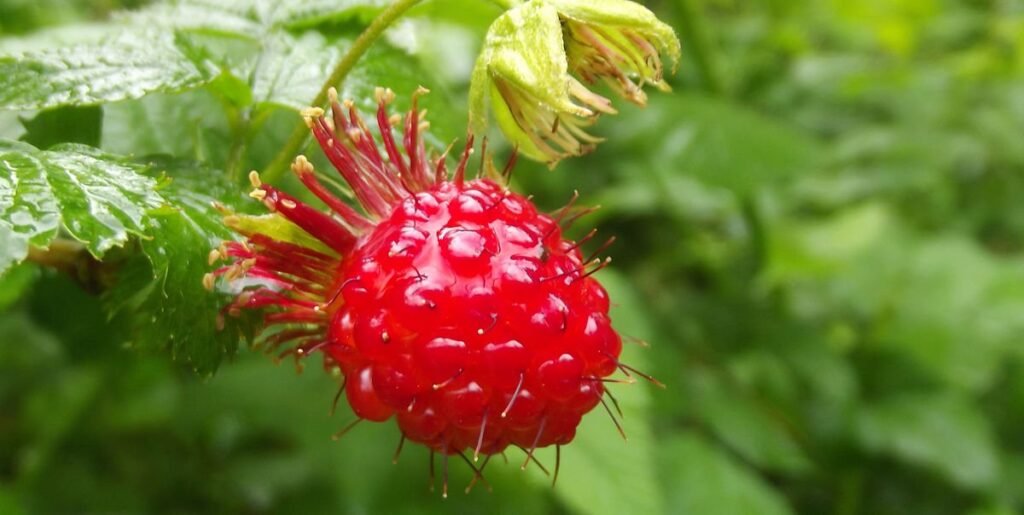
If you’ve ever bitten into a fresh salmonberry, you know they’ve got this just-right balance of tart and sweet. The flavor is somewhere between a raspberry and a red currant, with a slightly softer texture and more delicate structure. That makes them super versatile in the kitchen—but also a bit fragile, so they’re best used fresh or preserved quickly.
Here are some of the tastiest ways you can use salmonberries in your kitchen:
1. Preserves: Salmonberries shine in jams, jellies, and fruit butters. Their tartness gives preserves a lively kick, and they pair well with other fruits like rhubarb, strawberry, or even apple. Because they’re lower in natural pectin than some other berries, you might need to add a bit of commercial pectin or combine them with high-pectin fruits to get the consistency just right. Pro tip: simmer the berries gently with a touch of lemon juice and sugar, and strain if you prefer a smoother finish without seeds.
2. Baked Goods: These berries are amazing in muffins, quick breads, galettes, scones, and cobblers. Because of their soft texture, they break down more than firmer berries when baked—so they work well when you want that juicy, jammy interior. If you’re baking them into pies or crumbles, mix them with a firmer fruit like apple or blueberry to help balance the moisture.
3. Sauces and Savory Pairings: You might not think of berries with meat, but trust me—salmonberries make incredible sauces for roasted duck, grilled salmon (how fitting, right?), pork chops, or even wild game. Cook them down with a splash of red wine, shallots, and a touch of honey or maple syrup for a quick, elegant reduction. Their acidity cuts through richness beautifully. They also work in more rustic applications—try tossing a handful into a warm grain salad with quinoa, goat cheese, and toasted hazelnuts.
4. Beverages: Salmonberries can be steeped into teas or infused into syrups for cocktails, mocktails, or lemonades. They’re also used to flavor meads, wines, and craft beers in some parts of the Pacific Northwest. If you’re feeling adventurous, you can even ferment them into a wild berry shrub or kombucha. Try muddling a few with mint and lime for a foraged twist on a mojito!
Health Benefits
Salmonberries are not only delicious but also nutritious:
Vitamin C: Supports immune function and skin health, and helps the body absorb iron more effectively.
Antioxidants: Help combat oxidative stress, which may reduce the risk of chronic diseases like heart disease and certain cancers.
Dietary Fiber: Promotes digestive health, helps regulate blood sugar levels, and contributes to a feeling of fullness.
Iron: Essential for blood health, helping your body produce hemoglobin, which transports oxygen through the blood.
Potassium: Aids in regulating blood pressure and supports healthy nerve and muscle function.
These nutrients may not be present in sky-high amounts, but salmonberries still contribute to a balanced diet, especially when eaten fresh and in season. Like many wild berries, their nutritional profile varies depending on growing conditions, ripeness, and soil quality—but they consistently offer a healthful boost.
Another benefit? They’re naturally low in calories and free of added sugars, making them a great snack if you’re looking to enjoy something sweet without overdoing it.
And here’s a bonus tip: eating a diverse range of wild or garden-grown berries like salmonberries can support your gut microbiome, thanks to the combination of fiber and plant compounds. So, yes—they’re tasty, but they’re also quietly doing your body some real favors.
Toxicity and Safety
Salmonberries are considered non-toxic to humans and pets, which makes them a safe choice for family gardens or natural landscapes. Both the berries and young shoots are edible, and they’ve been part of Indigenous diets for generations.
That said, here are a few things to keep in mind:
Seedy Texture: Some people may find the seeds a bit tough or irritating, especially if eaten in large quantities. If you have a sensitive stomach or diverticulitis, you might want to go easy at first.
Allergic Reactions: While rare, it’s always possible for someone to be allergic to a new food. If you’ve never had salmonberries before, try a small amount first.
Misidentification Risk: Salmonberries can be confused with other berries like cloudberries or even non-edible lookalikes. If you’re foraging, double-check your ID with a local plant guide or expert.
As always, when foraging or introducing a new wild plant into your diet, it’s better to err on the side of caution.
Environmental Impact
Salmonberries play a big role in their native ecosystems—and that’s one of the reasons I love them so much. They’re not just beautiful or tasty; they’re ecologically important.
Here’s how they contribute to a healthier planet:
1. Native Biodiversity Support: Being native to the Pacific Northwest, salmonberries support local pollinators like bees and hummingbirds in the spring. Their fruit also provides a food source for birds, bears, and small mammals throughout the early summer months.
2. Erosion Control: Salmonberries often grow along streambanks and hillsides. Their root systems help stabilize soil, reduce erosion, and improve water retention. They’re especially valuable in restoration projects or permaculture landscapes.
3. Low Maintenance, Low Input: Because they’re adapted to the local environment, salmonberries don’t require heavy watering, fertilizers, or pesticides—making them a low-impact, eco-friendly choice for gardens.
4. Carbon Sequestration: Like all green plants, salmonberries absorb carbon dioxide during photosynthesis. While they’re not carbon storage powerhouses like trees, every bit counts when it comes to climate-conscious planting.
5. Invasive Risk: Unlike some introduced berry plants (we’re looking at you, Himalayan blackberry), salmonberries are non-invasive and don’t outcompete native species—because they are a native species. That makes them a much safer choice for wild scaping or rewilding your property.