



The article is about the most valuable plants in the world and why certain species—from rare spices to medicinal trees—can be worth astonishing amounts of money due to rarity, demand, and economic impact.
“A plant’s value rarely lies in its leaves alone—it grows from culture, science, rarity, and the human need it fulfills.” — The Economic Botanist
Plants surround us every day, yet most of us never stop to think about how valuable some of them truly are. When you walk through a garden or forest, you probably see beauty, shade, and maybe food. However, scientists, farmers, chefs, and collectors often see something else entirely: economic potential.
In fact, certain plants rank among the most valuable natural resources on Earth. Some produce spices worth more than gold by weight. Others contain chemicals that help doctors fight diseases. Meanwhile, a few rare plants attract collectors willing to pay staggering prices.
Because of this, the global plant trade has grown into a massive industry. Farmers cultivate high-value cash crops, pharmaceutical companies study medicinal plants, and collectors search for rare botanical species. Together, these activities shape a market worth billions of dollars.
So what exactly makes a plant valuable? More importantly, which plants hold the highest value today?
Let’s explore the top 10 most valuable plants in the world, and along the way, you’ll see how nature, culture, and science combine to create extraordinary worth.
What Makes a Plant Valuable?
Before we look at specific examples, it helps to understand why some plants command such high prices. Value rarely comes from just one factor. Instead, several forces often work together.
First, rarity plays a huge role. If a plant grows only in certain climates or regions, supply stays limited. As a result, demand quickly drives up prices.
Second, many valuable plants contain powerful chemicals. These compounds help create medicines, perfumes, and other products people need. Because pharmaceutical and cosmetic industries rely on these plants, their market value increases.
Next, culinary demand can turn an ordinary plant into a luxury ingredient. Spices and flavorings often require complex harvesting and processing methods. Consequently, they become expensive due to the labor involved.
Collectors also influence plant value. Rare houseplants, orchids, and bonsai trees often sell for high prices simply because enthusiasts want them.
Finally, some plants produce valuable wood or resin. These materials appear in furniture, incense, and luxury goods, which further increases their economic importance.
Fun Fact
Saffron, one of the plants we’ll discuss, often costs more per gram than gold because harvesting it requires thousands of flowers and careful hand labor.
The Top 10 Most Valuable Plants
Now that you know what drives plant value, let’s explore the most remarkable examples.
Saffron Crocus: The World’s Most Expensive Spice
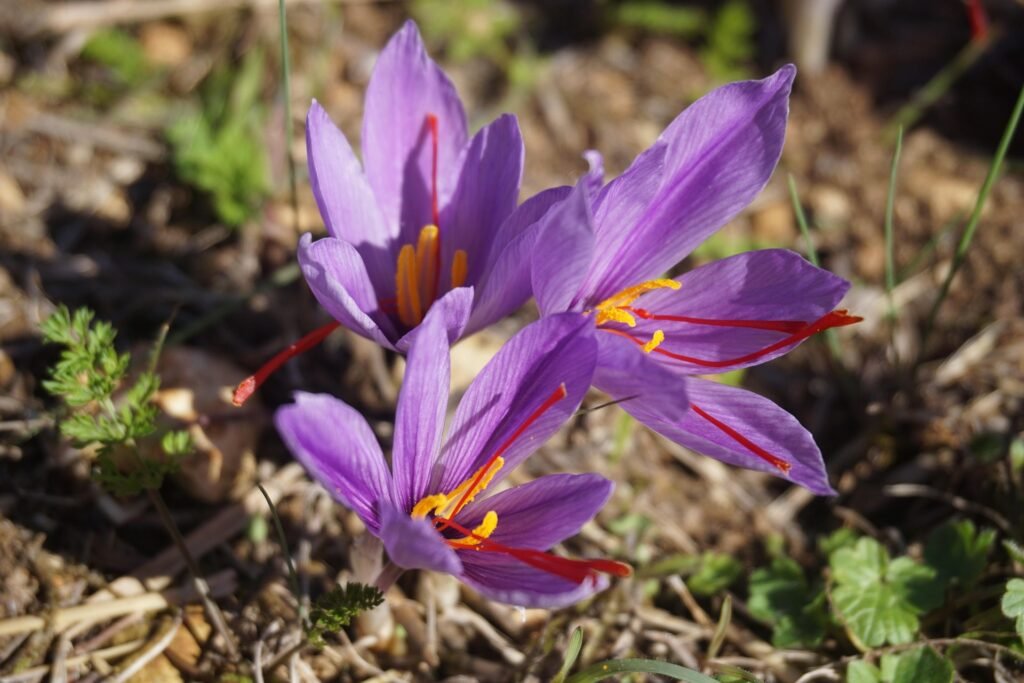
If you search for the most valuable plants in the world, saffron almost always tops the list.
The saffron crocus (Crocus sativus) produces thin red threads known as saffron. These threads flavor dishes across the globe, from Spanish paella to Persian rice.
However, harvesting saffron requires patience and skill. Each flower produces only three tiny stigmas. Workers must pick the flowers by hand and then carefully remove those threads.
Because of this process, it takes roughly 75,000 flowers to produce just one pound of saffron. Naturally, that level of labor makes the spice extremely expensive.
Farmers grow saffron mainly in Iran, Spain, India, and Greece. Yet even with global production, supply remains limited. As a result, saffron continues to rank among the most expensive plants and valuable herbs and spices in the world.
Beyond cooking, saffron also contains antioxidants and compounds researchers study for potential health benefits. Consequently, its value stretches beyond the kitchen.
Vanilla Orchid: The Second Most Valuable Spice
Vanilla may seem common today, yet the plant behind it tells a different story.
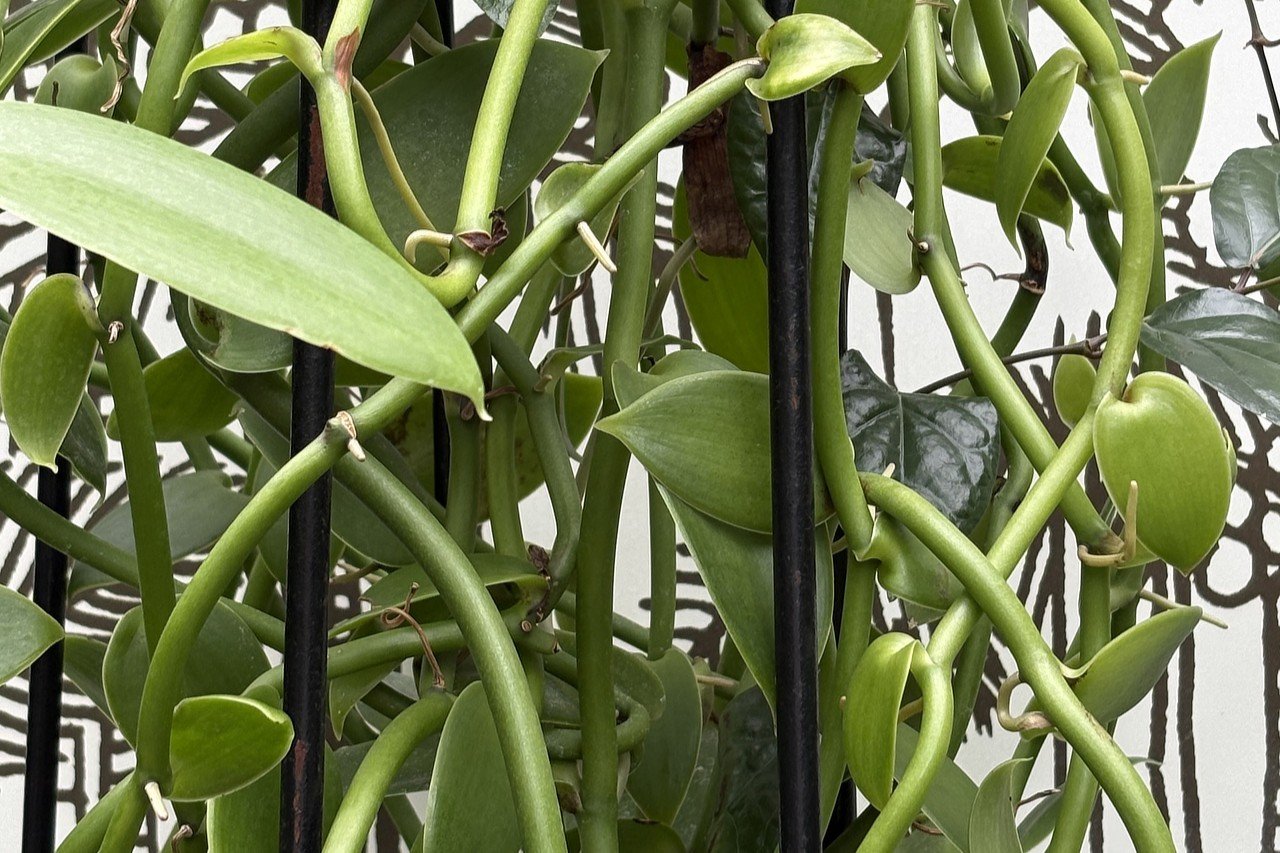
The vanilla orchid (Vanilla planifolia) produces the famous vanilla bean. While the flavor appears in ice cream, baked goods, and beverages worldwide, the growing process remains surprisingly difficult.
First, vanilla orchids require warm tropical climates. Then farmers must pollinate each flower by hand because natural pollinators exist only in certain regions.
After pollination, the beans must cure for several months before developing their full flavor. Therefore, producing high-quality vanilla takes significant time and labor.
Because of these challenges, vanilla ranks among the most expensive spices and one of the most valuable plants in global agriculture.
When weather damages crops, prices can spike dramatically. For example, cyclones in Madagascar—the world’s largest producer—have triggered global shortages in the past.
As a result, vanilla remains one of the most important high-value cash crops for tropical farmers.
Agarwood Tree: The Luxury Resin Tree
While spices often dominate discussions about plant value, certain trees produce materials even more expensive.
The agarwood tree (Aquilaria spp.) creates a rare resin known as agarwood. Interestingly, the tree forms this resin only when it becomes infected by a specific mold.
When this happens, the tree produces a dark, fragrant wood filled with aromatic compounds. People then harvest and process the resin for perfumes, incense, and traditional medicines.
Because natural infections occur rarely, high-quality agarwood becomes extremely valuable. In fact, premium agarwood products can sell for thousands of dollars per kilogram.
Today, agarwood appears frequently in luxury perfumes and religious ceremonies. As a result, the tree has become one of the most valuable tropical plants on Earth.
Unfortunately, overharvesting has threatened wild populations. Therefore, many countries now regulate its trade and encourage plantation cultivation.
Sandalwood Tree: One of the Most Valuable Aromatic Woods
Another tree with immense value is sandalwood.
Sandalwood trees produce fragrant heartwood that perfumers, artisans, and spiritual traditions prize highly. Unlike many woods, sandalwood retains its scent for decades.
Because of its unique aroma, companies use sandalwood oil in perfumes, incense, and cosmetics. Meanwhile, religious traditions in India and Southeast Asia have used the wood for centuries.
However, sandalwood trees grow slowly. In many cases, they require 15 to 30 years before producing harvestable heartwood.
Consequently, limited supply combined with global demand has made sandalwood one of the most valuable plants in the world.
Governments in several countries regulate sandalwood harvesting to prevent illegal logging. Even so, the tree continues to hold enormous economic value.
Ginseng: A Medicinal Plant Worth Thousands
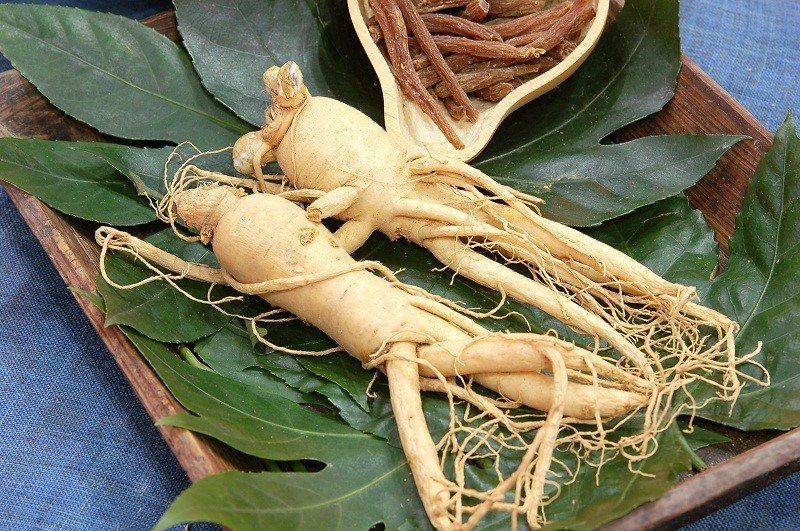
Medicinal plants often carry extraordinary value, and ginseng provides a perfect example.
Ginseng roots have played a major role in traditional medicine for thousands of years. Practitioners believe the root helps boost energy, support immunity, and improve overall health.
Because of this reputation, ginseng has become one of the most valuable medicinal plants in global markets.
Wild ginseng roots can command particularly high prices. Some old specimens sell for thousands of dollars because collectors and herbal medicine practitioners seek them out.
In addition, the plant grows slowly. It may take five to ten years before roots reach full maturity. Therefore, farmers must invest time and patience before seeing a harvest.
Despite these challenges, ginseng remains a highly profitable plant for growers in North America and Asia.
Shenzhen Nongke Orchid: A Record-Breaking Flower
Rare flowers sometimes reach astonishing prices, and the Shenzhen Nongke orchid demonstrates this perfectly.
Scientists in China spent years developing this orchid through careful research and breeding. After its creation, the plant appeared at an auction where a buyer paid a record-breaking price.
Because it took eight years of scientific work to produce the flower, collectors considered it extremely valuable.
Orchid enthusiasts often seek rare species and hybrids. Consequently, certain orchids have become some of the most expensive flowers in the world.
Although most orchids remain affordable, exceptional specimens can sell for extraordinary sums.
Fun Fact
Some rare bonsai trees and orchids have sold for hundreds of thousands of dollars at auctions, showing how powerful the collector market can be.
Japanese White Pine Bonsai: Living Art Worth a Fortune
Bonsai trees represent more than plants. They represent living art.
Artists carefully shape bonsai trees over decades, sometimes even centuries. Through pruning, wiring, and training, they create miniature landscapes in a single pot.
The Japanese white pine bonsai stands among the most famous examples. Some of these trees have passed through generations of artists and collectors.
Because of their age, beauty, and craftsmanship, certain bonsai trees have sold for massive prices at auctions.
In one notable sale, a centuries-old bonsai reached over a million dollars.
Therefore, these tiny trees demonstrate how human artistry can transform plants into priceless cultural treasures.
Kadupul Flower: The Priceless Night Bloom
Unlike many valuable plants, the Kadupul flower cannot truly be bought or sold.
This rare flower grows mainly in Sri Lanka and blooms only at night. Even more fascinating, it wilts before dawn.
Because the flower dies so quickly after blooming, people cannot harvest or transport it easily. As a result, it remains essentially priceless.
Instead of monetary value, the Kadupul flower holds symbolic and cultural significance. Many people consider witnessing its bloom a rare and beautiful experience.
While it may not generate large profits, the flower still appears on many lists of rare botanical species.
Monstera Obliqua: A Collector’s Dream Houseplant
Houseplant enthusiasts have created a booming market for rare indoor plants.
One species in particular, Monstera obliqua, has captured enormous attention. Unlike the common Monstera deliciosa, this plant features extremely delicate leaves with large holes.
Because the plant grows slowly and remains difficult to propagate, supply stays limited.
Consequently, collectors often pay hundreds or even thousands of dollars for a single specimen.
Social media has also fueled demand for rare houseplants. When plant lovers share photos of unusual species online, interest grows rapidly.
As a result, rare houseplants have become an unexpected but important part of the luxury plant market.
Yew Tree: The Plant That Helped Fight Cancer
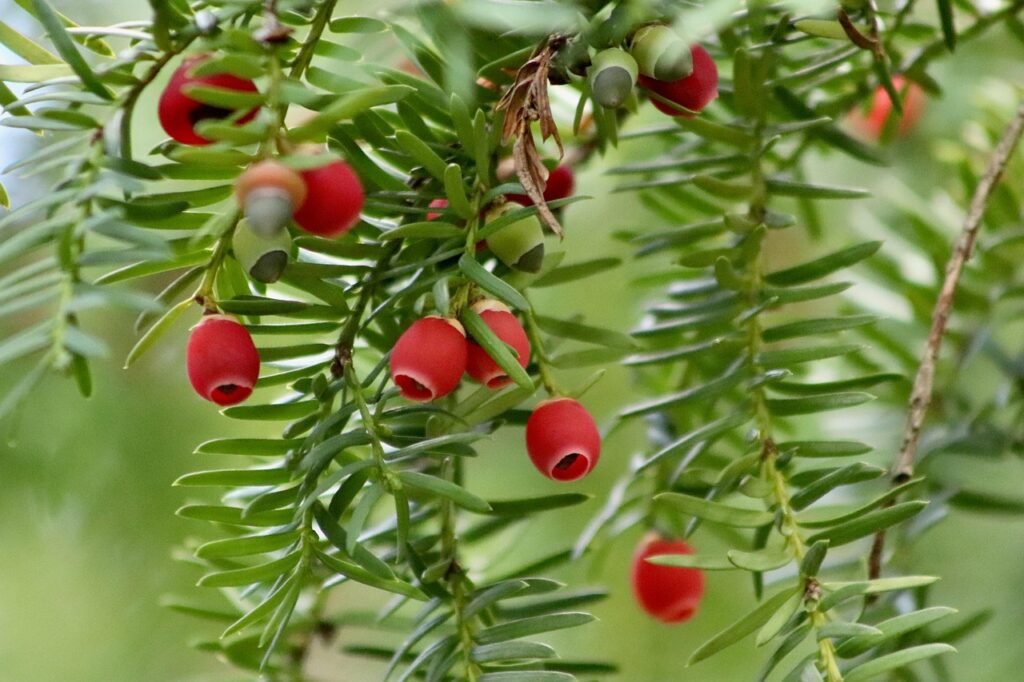
The final plant on our list demonstrates how science can turn a forest tree into a life-saving resource.
The yew tree contains compounds used to create the cancer drug paclitaxel, also known as Taxol.
Researchers first discovered these chemicals in the bark of the Pacific yew tree. Since then, scientists have developed methods to produce the compound sustainably.
Because the drug plays a crucial role in chemotherapy treatments, the yew tree holds immense medical importance.
This example shows that plant value does not always come from rarity or beauty. Sometimes, the real worth lies in the ability to save lives.
Why Some Plants Become Extremely Expensive
After exploring these examples, you may notice a pattern.
Several key forces repeatedly drive plant value.
First, rarity limits supply. When plants grow slowly or require unique environments, they become harder to obtain.
Second, human demand plays a powerful role. Spices, perfumes, medicines, and ornamental plants all attract buyers willing to pay premium prices.
Third, cultural history often shapes value. For instance, traditional medicine and religious practices have elevated plants like ginseng and sandalwood for centuries.
Finally, science continues to discover new uses for plants. When researchers uncover medical compounds, the economic importance of those plants can rise dramatically.
Together, these factors explain why certain species rank among the most valuable plants in the world.
The Bottom Line
Plants support life on Earth, yet they also power enormous industries. From saffron fields to tropical forests, valuable plants provide spices, medicines, fragrances, and beauty.
Some plants earn their value through rarity. Others gain importance because they help heal disease or create luxury goods. Meanwhile, collectors and artists sometimes turn plants into cultural treasures.
When you look closely, these species reveal a fascinating truth: nature holds incredible economic power.
Understanding the value of plants also reminds us why conservation matters. Protecting rare species ensures that future generations can benefit from their beauty, science, and cultural importance.
If you enjoyed learning about the most valuable plants in the world, consider exploring the plants growing around you. You might discover that the natural world holds far more value than we often realize.