



The article is about exploring how plants shape the music we play, from birch bark horns to bamboo flutes.
“Plants are not just food for the body; they are instruments for the soul, shaping music in ways we often overlook.” – The Economic Botanist
Music connects us to the world in ways that go beyond words. Long before factories and plastics, humans turned to the natural world to craft instruments that could carry melodies, rhythms, and culture. Plants provided materials that were abundant, durable, and acoustically perfect for instruments like flutes, horns, rattles, and drums.
In this article, we’ll take a journey into the amazing world of plant-based instruments, exploring birch bark horns, bamboo flutes, gourd resonators, and more. Along the way, you’ll learn fascinating facts, historical insights, and practical tips for exploring or even crafting your own instruments.
- Why Plants Have Shaped Musical Instruments for Centuries
- Common Plant Materials Used in Folk Instruments
- Birch Bark: The Natural Horn
- Bamboo: Nature’s Musical Swiss Army Knife
- Gourds and Calabash: Natural Amplifiers
- Reeds, Grasses, and Hollow Stems
- Wood: The Backbone of Folk Instruments
- Plant Fibers: The Binding Thread
- Rattan and Cane: Flexible Frameworks
- Selecting the Right Plant Materials
- Sustainable Instrument Making
- How to Make Your Own Plant-Based Instruments
- The Bottom Line
Why Plants Have Shaped Musical Instruments for Centuries
People have relied on plants to make musical instruments for several reasons. First, plants were everywhere, making them an accessible choice. Beyond convenience, many plants naturally enhance sound. Hollow stems like bamboo or reeds amplify vibrations, while bark or gourd shells act as resonators.
Cultural knowledge also played a huge role. Communities around the world understood which plants produced the best sound, how to harvest them sustainably, and how to craft them into functional instruments. This knowledge, part of ethnobotany, shows the deep connection between humans and the natural world.
Common Plant Materials Used in Folk Instruments
Traditional instruments often use the following plant materials:
- Bark – Flexible and lightweight, ideal for horns and wind instruments.
- Hollow grasses and reeds – Perfect for flutes, whistles, and reed pipes.
- Wood – Hard, resonant, and versatile for stringed instruments, percussion, and wind instruments.
- Gourds and calabashes – Naturally hollow, producing strong resonance for drums, shakers, and stringed instruments.
- Plant fibers – Used for strings, bindings, and decorative touches.
- Rattan and cane – Flexible and durable for frames, bows, and structural supports.
Using these plant materials creatively allowed humans to craft instruments that were functional, beautiful, and culturally significant.
Birch Bark: The Natural Horn
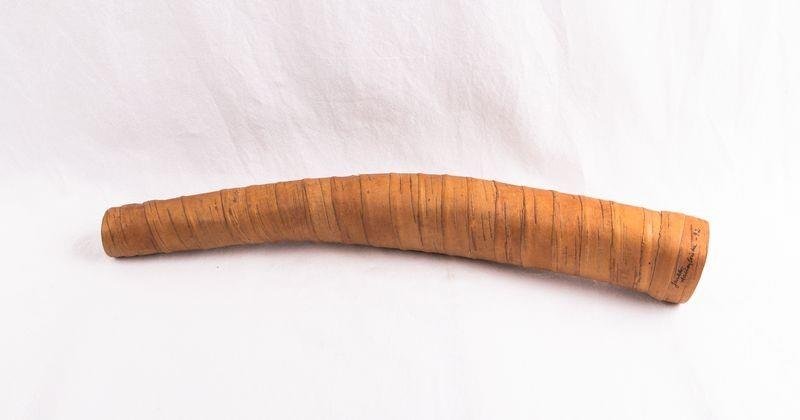
Birch bark has been used for centuries to create horns in Nordic and Indigenous North American cultures. Its flexibility and lightweight quality make it easy to roll into a cone, producing a rich, resonant tone.
Fun Fact
Birch bark is naturally waterproof and resistant to decay, allowing instruments to last through rainy seasons without losing quality.
These horns were often used for signaling, ceremonies, or simple musical enjoyment, showing how plants served both practical and artistic purposes.
Bamboo: Nature’s Musical Swiss Army Knife
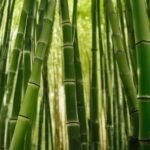
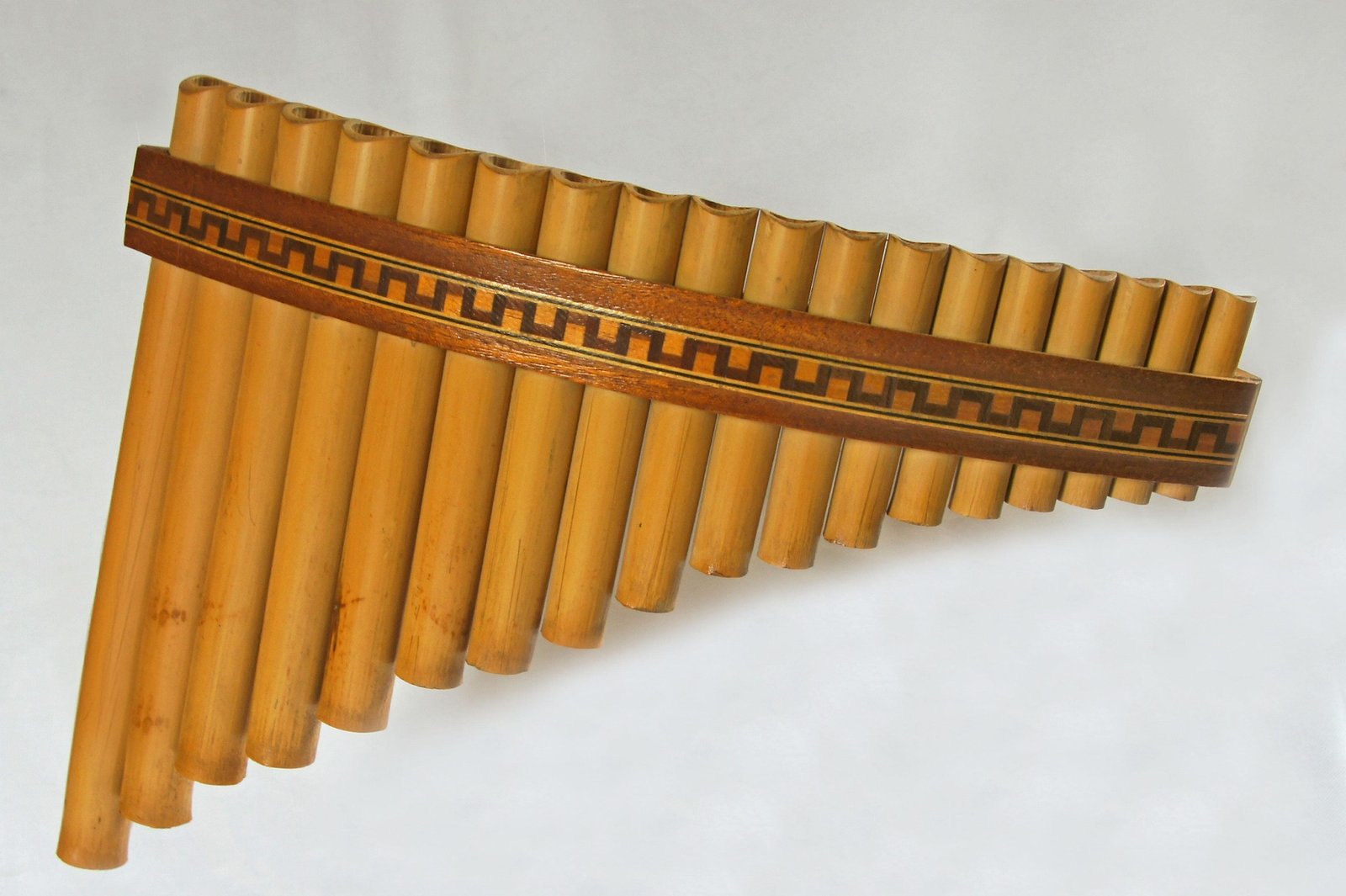
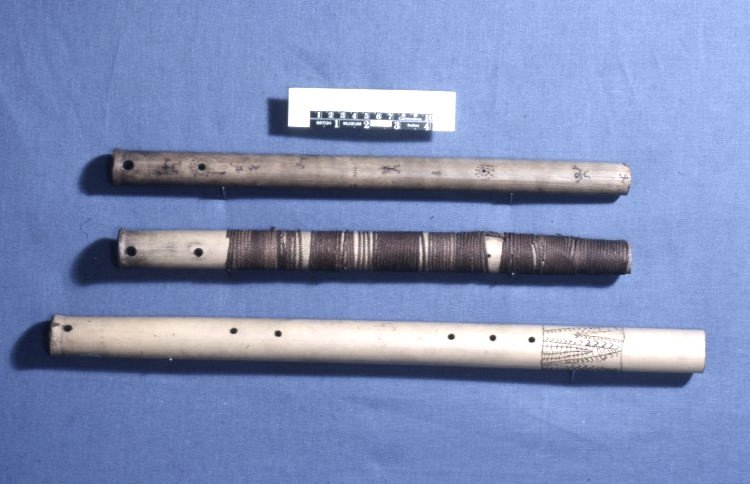
Bamboo grows across Asia, South America, and the Pacific. Its hollow tubes are ideal for wind instruments like flutes, panpipes, and even percussion tubes. Bamboo’s durability and light weight make it easy to work with, while its natural acoustics allow it to produce clear, melodic tones.
Fun Fact
In some cultures, bamboo flutes were carefully tuned by selecting stems of specific lengths and diameters, showing early knowledge of acoustics.
Gourds and Calabash: Natural Amplifiers
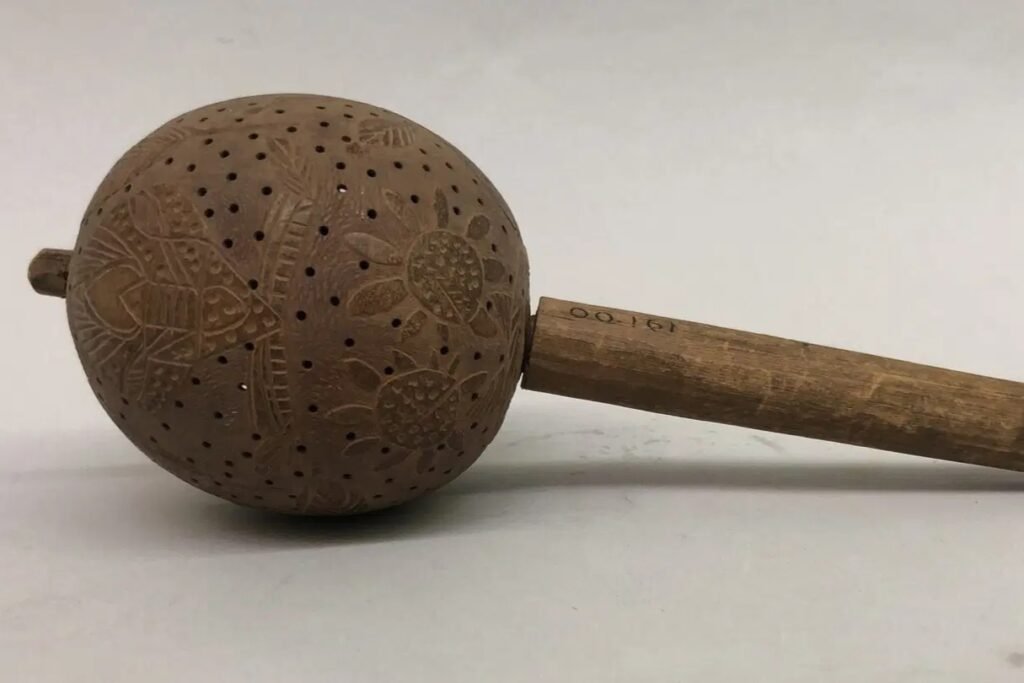
Gourds have been used worldwide to create resonators for instruments. Their hard shells make them excellent for drums, shakers, and string instrument bodies. Calabash gourds, in particular, offer large, durable shells that enhance sound projection.
Preparing gourd instruments involves drying, hollowing, and sometimes combining them with wood or fibers. The result is an instrument that’s natural, durable, and sonically rich.
Reeds, Grasses, and Hollow Stems
Thin-walled reeds and grasses vibrate easily when air passes through them. Traditional reed instruments include whistles, reed pipes, and double-reed folk instruments like shawms. Reeds are renewable and accessible, making them a natural choice for creating expressive instruments without complex techniques.

Wood: The Backbone of Folk Instruments
Hardwoods like willow, cedar, maple, and spruce have always been central to instrument making. Wood provides resonance, structure, and tonal variety for stringed instruments, percussion, and wind instruments. Carving and shaping wood requires knowledge and skill, but the results are instruments that can last for generations.
Plant Fibers: The Binding Thread
Fibers like hemp, flax, and bark have multiple roles in instrument construction. They can serve as strings, bindings, or decorative elements. Traditional stringed instruments often used plant fibers for strings, providing flexibility and durability, while fibers also secured reeds or held structural parts together.
Rattan and Cane: Flexible Frameworks
Rattan and cane offer flexibility and strength, perfect for frames, bows, or structural components in instruments. They are often combined with bamboo or wood to create sturdy yet lightweight instruments, proving the versatility of plant materials.
Selecting the Right Plant Materials
Traditional instrument makers carefully selected plants based on season, availability, and acoustic properties. Drying and curing were crucial to prevent cracking or warping. Makers would test resonance and durability, often combining multiple plant materials for the best results.
This careful selection shows a deep understanding of plants and their sonic potential, blending artistry and science seamlessly.
Sustainable Instrument Making
Using plant materials remains a sustainable choice. Eco-friendly instrument makers often rely on locally sourced plants, reducing dependence on plastics or metals. By returning to natural materials, makers honor traditional practices while supporting the environment and creating instruments that sound incredible.
How to Make Your Own Plant-Based Instruments
Starting your own plant-based instrument doesn’t have to be complicated:
- Bamboo flute: Cut, sand, and tune a bamboo stem to create a simple wind instrument.
- Gourd shaker: Fill a dried gourd with seeds or pebbles for percussion.
- Bark horn: Roll flexible bark into a cone to create a simple horn.
Tools are minimal: knives, sandpaper, and cords are enough. Even these simple instruments teach you about sound, craftsmanship, and the magic of turning plants into music.
The Bottom Line
The amazing world of instruments made from plant materials shows us how humans have creatively used nature for centuries. From birch bark horns to bamboo flutes and gourd resonators, plant-based instruments are practical, beautiful, and culturally significant. By learning about these materials and trying your own creations, you can connect with history, nature, and music in a deeply satisfying way.
Discover the magic of plant-based instruments yourself—start exploring, crafting, and enjoying the natural sounds of music today.r own folk instruments.