




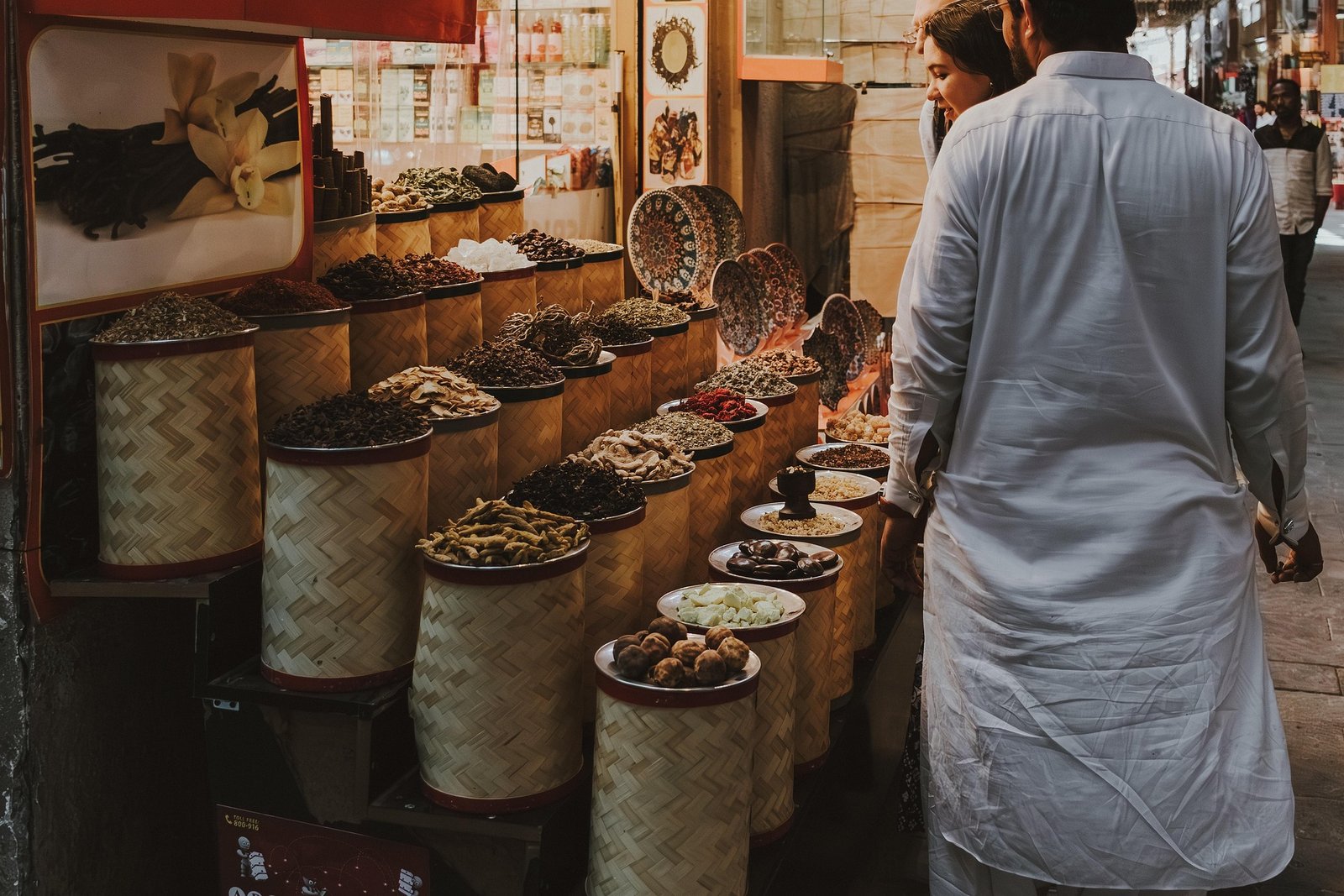
The article is about how we can use numbers and statistics to better understand traditional plant knowledge, turning stories and experiences into insights that scientists and communities can use.
“Plants are not just green friends in our backyard; they are stories, cultures, and medicines waiting to be measured.” – The Economic Botanist
Ethnobotany is the study of how people interact with plants—how they use them for food, medicine, rituals, and everyday life. Traditionally, this field relied heavily on storytelling, observations, and interviews. While these qualitative approaches are rich and valuable, modern researchers often ask, “How can we turn this knowledge into numbers to compare, analyze, and protect it?” That’s where quantitative ethnobotany steps in.
- What is Quantitative Ethnobotany?
- How Data is Collected in Ethnobotany
- Key Quantitative Indices in Ethnobotany
- Statistical Methods for Ethnobotanical Data Analysis
- Step-by-Step Example of Quantitative Ethnobotanical Analysis
- Applications of Quantitative Ethnobotany
- Challenges in Quantitative Ethnobotany
- Tools and Software for Ethnobotanical Analysis
- The Future of Quantitative Ethnobotany
- The Bottom Line
What is Quantitative Ethnobotany?
Quantitative ethnobotany is about measuring the importance of plants with numbers. It transforms stories into data, showing how widely plants are used and how important they are in a culture.
And you may be wondering why numbers matter in ethnobotany. Numbers help identify culturally or medicinally important species. They allow researchers to compare knowledge across regions and prioritize plants for conservation. Using ethnobotany statistical analysis makes the research more reproducible and actionable.
Fun Fact
Some quantitative ethnobotany studies have led to discovering plants later confirmed to contain medicinal compounds.
How Data is Collected in Ethnobotany
Data comes from interviews, surveys, and observations. Researchers may conduct structured interviews, semi-structured interviews, or focus groups to understand plant use.
Selecting the right informants and standardizing data is key. Coding plant names, uses, and frequency ensures ethnobotany quantitative research is accurate and analyzable.
Fun Fact
Some plants have dozens of different use categories depending on age, gender, or cultural group.
Key Quantitative Indices in Ethnobotany
| Quantitative Indices | How does it help your research? |
|---|---|
| Relative Frequency of Citation (RFC) | Shows how often a plant is mentioned among informants. High RFC means widely known or used. |
| Use Value (UV) | Measures the versatility and popularity of a plant across uses and people. |
| Fidelity Level (FL) | Indicates how specific a plant is for a certain disease or purpose. |
| Informant Consensus Factor (ICF) | Shows agreement among people about plant uses in a category, highlighting reliability. |
| Cultural Importance Index (CI) | Assesses the overall significance of a plant across all cultural uses. |
| Relative Importance Index (RI) | Measures how versatile a plant is across multiple use categories. |
Statistical Methods for Ethnobotanical Data Analysis
| Method | What is? |
|---|---|
| Descriptive Statistics | Summarizes plant use data with counts, percentages, and tables. |
| Multivariate Analysis | Cluster analysis, PCA, and correspondence analysis reveal patterns in plant use across communities. |
| Regression and Correlation | Helps explore relationships between plant use and factors like age, gender, or forest proximity. |
| Diversity and Similarity Indices | Shannon and Sørensen indices assess ethnobotanical biodiversity across regions. |
Step-by-Step Example of Quantitative Ethnobotanical Analysis
- Collect plant use data from community members.
- Calculate RFC, UV, FL, and ICF.
- Analyze results to highlight culturally important or medicinal plants.
- Use the findings for conservation or pharmacological research.
By following these steps, raw knowledge transforms into insights that can guide research and conservation.
Applications of Quantitative Ethnobotany
| Medicinal Plant Discovery: | High FL and ICF plants are strong candidates for pharmacology research. |
| Conservation Biology: | Prioritizes culturally significant plants for preservation. |
| Sustainable Resource Management: | Guides communities in harvesting practices and forest management. |
| Preserving Traditional Knowledge: | Documents and protects indigenous knowledge systematically. |
Challenges in Quantitative Ethnobotany
| Bias in Informant Responses | Some informants forget or exaggerate, so cross-checking is crucial. |
| Data Standardization | Different names for the same plant must be reconciled. |
| Ethical Considerations | Respect intellectual property and ensure benefit-sharing with local communities. |
Tools and Software for Ethnobotanical Analysis
- R and Python: Advanced statistical computing.
- SPSS: User-friendly for descriptive and inferential stats.
- MS Excel: Quick tables, charts, and simple analysis.
Visualization tools can create heatmaps, cluster plots, and charts to make patterns easy to understand.
The Future of Quantitative Ethnobotany
Big data and AI allow simultaneous analysis of multiple community datasets. Linking ethnobotany with ecology and pharmacology opens interdisciplinary opportunities. Digital databases help preserve plant knowledge for generations.
The Bottom Line
Quantitative ethnobotany bridges traditional knowledge and modern science. Using statistical analysis in ethnobotany, we identify culturally important plants, inform conservation, and guide medicinal research. By translating stories into numbers, we ensure that plants and the knowledge around them are preserved and celebrated.
If you’re excited by the intersection of plants, culture, and data, consider supporting local ethnobotanical projects, volunteering in conservation, or learning more about quantitative ethnobotany, supporting local ethnobotanical projects, volunteering in plant conservation efforts, or simply learning more about the incredible science of quantitative ethnobotany.