




Scientific Name: Levisticum officinale W. D. J .Koch
Family: Apiaceae
Welcome to the fascinating world of lovage, a plant that might just become your new garden favorite! Whether you’ve heard about it or are just discovering this herb, you’re in for a treat. Known for its bold flavor and rich history, lovage isn’t just another herb that’s used sparingly in the kitchen. It’s a powerhouse of culinary potential and health benefits, and we’re here to dive deep into all things lovage—from its botanical roots to how to grow and use it in your own life.
If you’re a fan of unique herbs with a punch, you’ll find lovage to be a gem. In this Plant Compendium entry, you’ll learn that lovage has a strong, celery-like taste but with hints of parsley and an earthy, savory twist. So whether you’re a gardening enthusiast or a home chef, you’re in the right place!
History of Lovage
Before we get into the nitty-gritty of lovage’s botanical details, it’s fun to take a quick look at its fascinating history. Lovage has been used for thousands of years, and its roots run deep in both European and Asian traditions. Ancient Greeks and Romans were known to use lovage as a medicinal herb and even as a culinary seasoning. In fact, the name “lovage” might come from the Latin word ligusticum, referring to its early cultivation along the coasts of Liguria in Italy.
Throughout history, people have turned to lovage for its alleged ability to treat ailments ranging from digestive issues to improving circulation. It’s also had a place in herbal folklore, often used in love potions or as a charm for bringing good fortune. So, the name “lovage” might also be tied to its association with love and attraction in old herbal traditions.
Over time, lovage has made its way from Europe to gardens around the world, continuing to win gardeners’ hearts thanks to its striking appearance and versatility.
Botanical Description
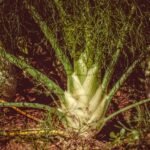
Roots: The roots of lovage are thick, fleshy, and long, resembling a carrot but with a more robust, earthy texture. These roots grow deep into the soil, helping the plant establish a strong base. While not commonly used in cooking (though they can be in some cultures), lovage roots have historically been harvested for medicinal purposes. Rich in essential oils, they offer a slightly bitter, pungent flavor.
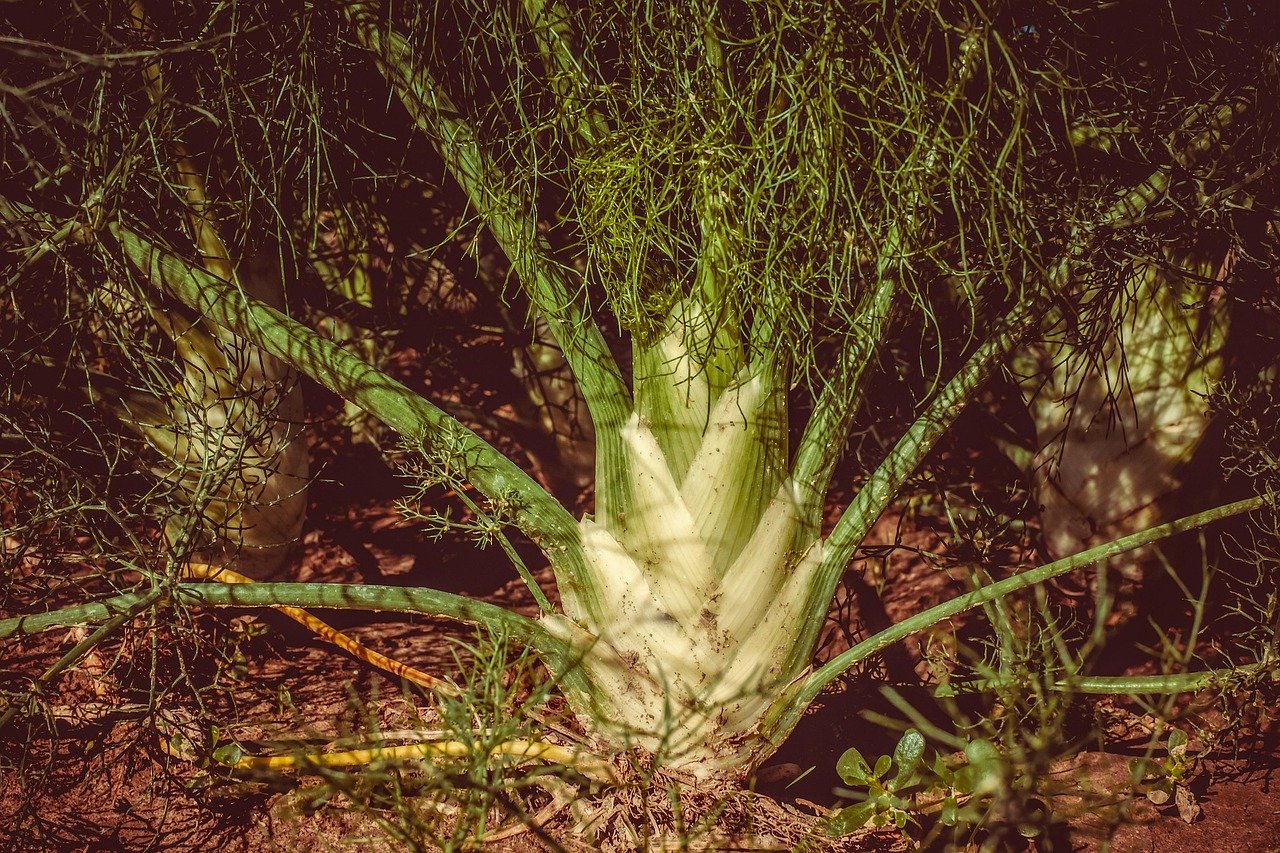
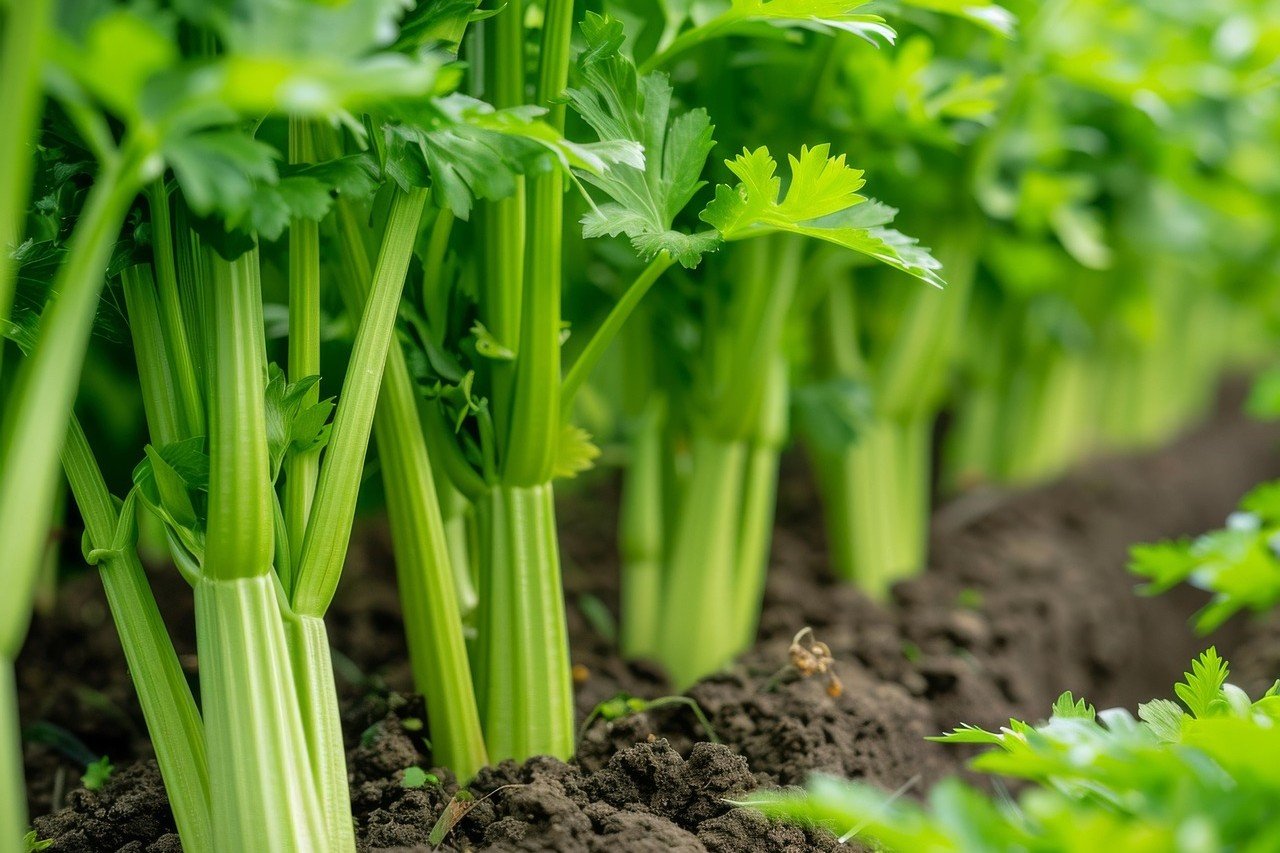
Stems: The stems of lovage are tall, hollow, and grooved, typically growing between 3 to 6 feet (1 to 2 meters) in height. These sturdy stems are covered in a light green or yellowish hue and carry the herb’s vibrant flavor. They are highly aromatic, and when crushed, they release a fragrant, celery-like scent that’s irresistible in the garden and kitchen alike.
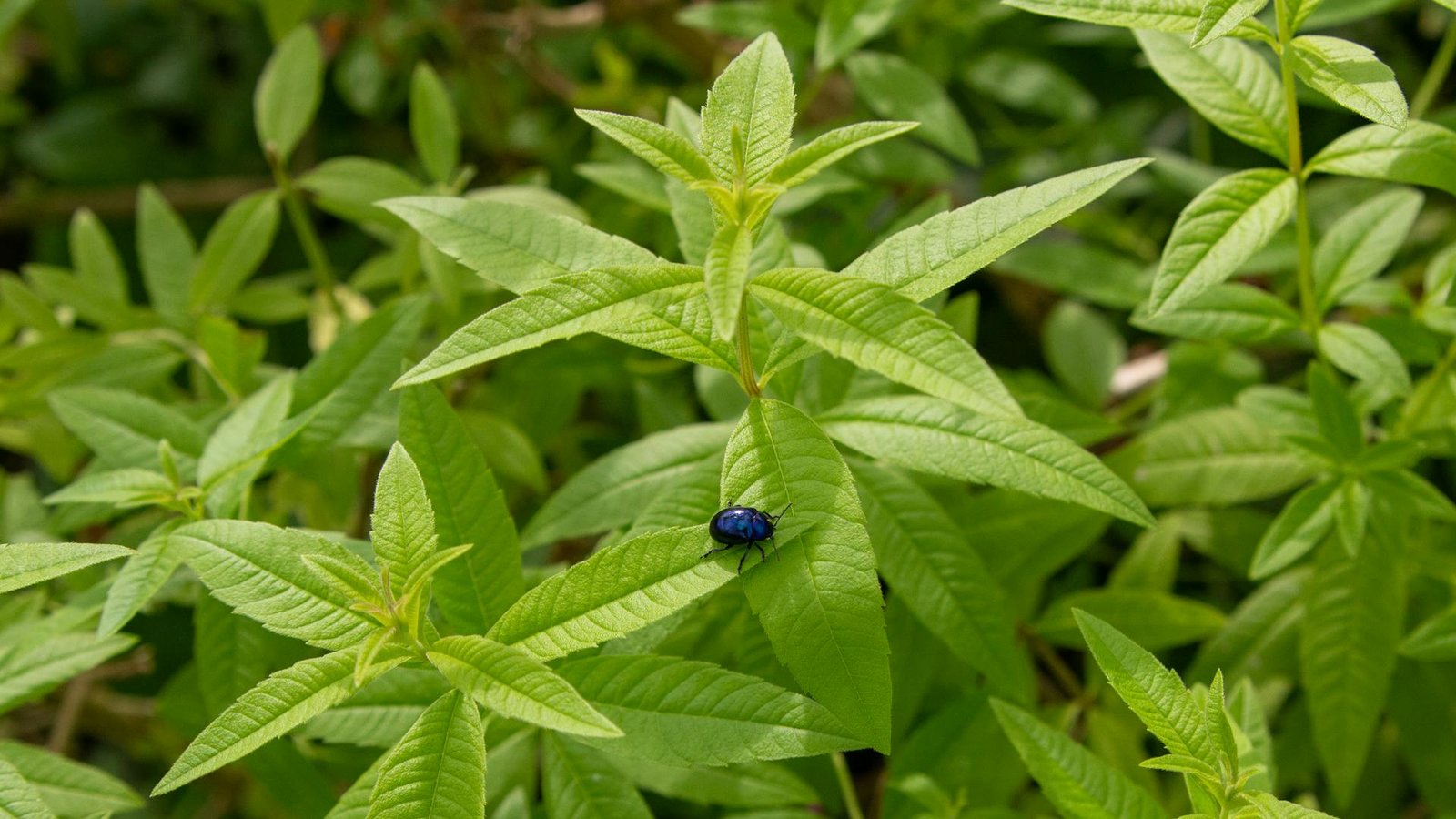
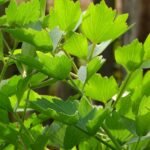
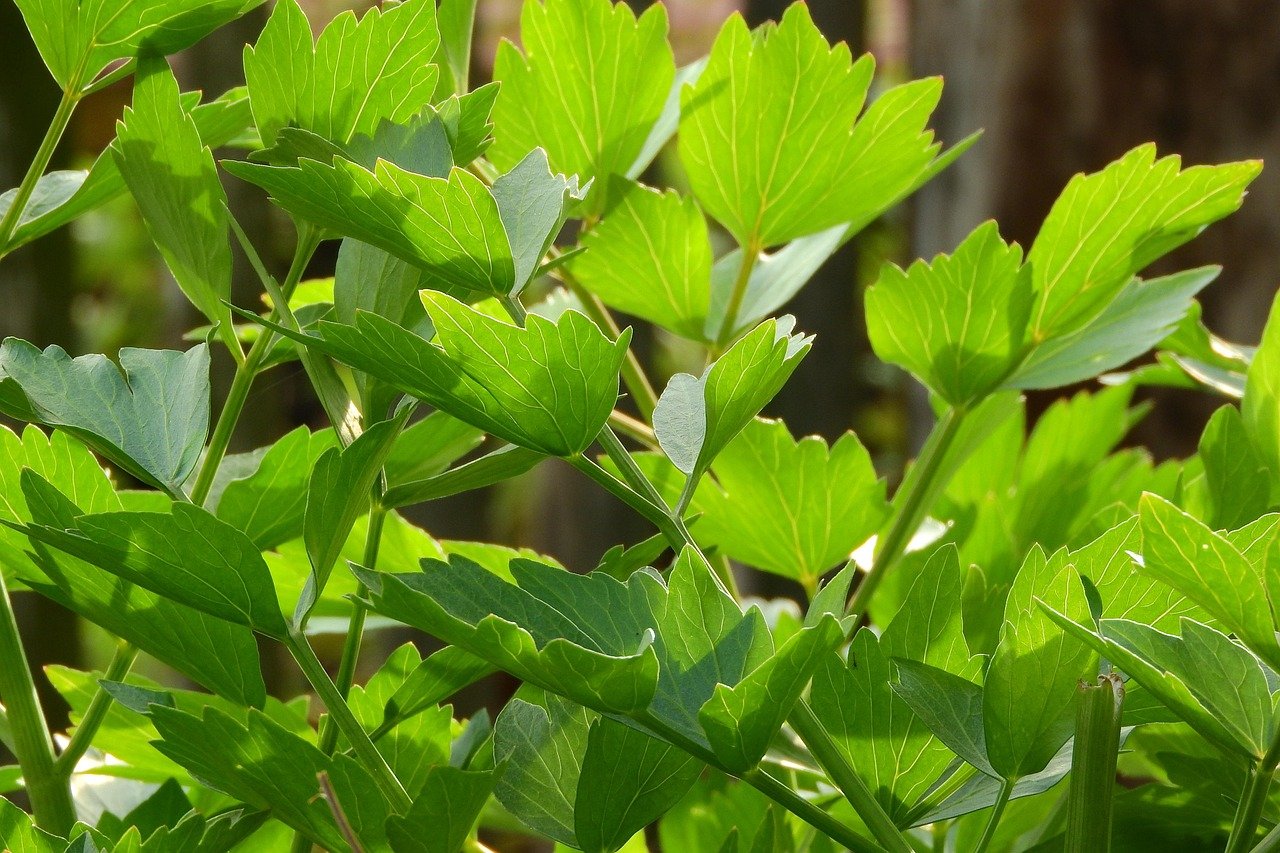
Leaves: Lovage’s leaves are large, glossy, and deeply lobed, resembling those of celery or parsley but with a more intense green color. The texture of the leaves is smooth and they grow in clusters, creating a lush, bushy appearance. They are aromatic and have a strong, almost peppery flavor with a slight celery aftertaste. You can use the leaves in fresh salads, soups, and stews for a flavor boost or dry them for later use.
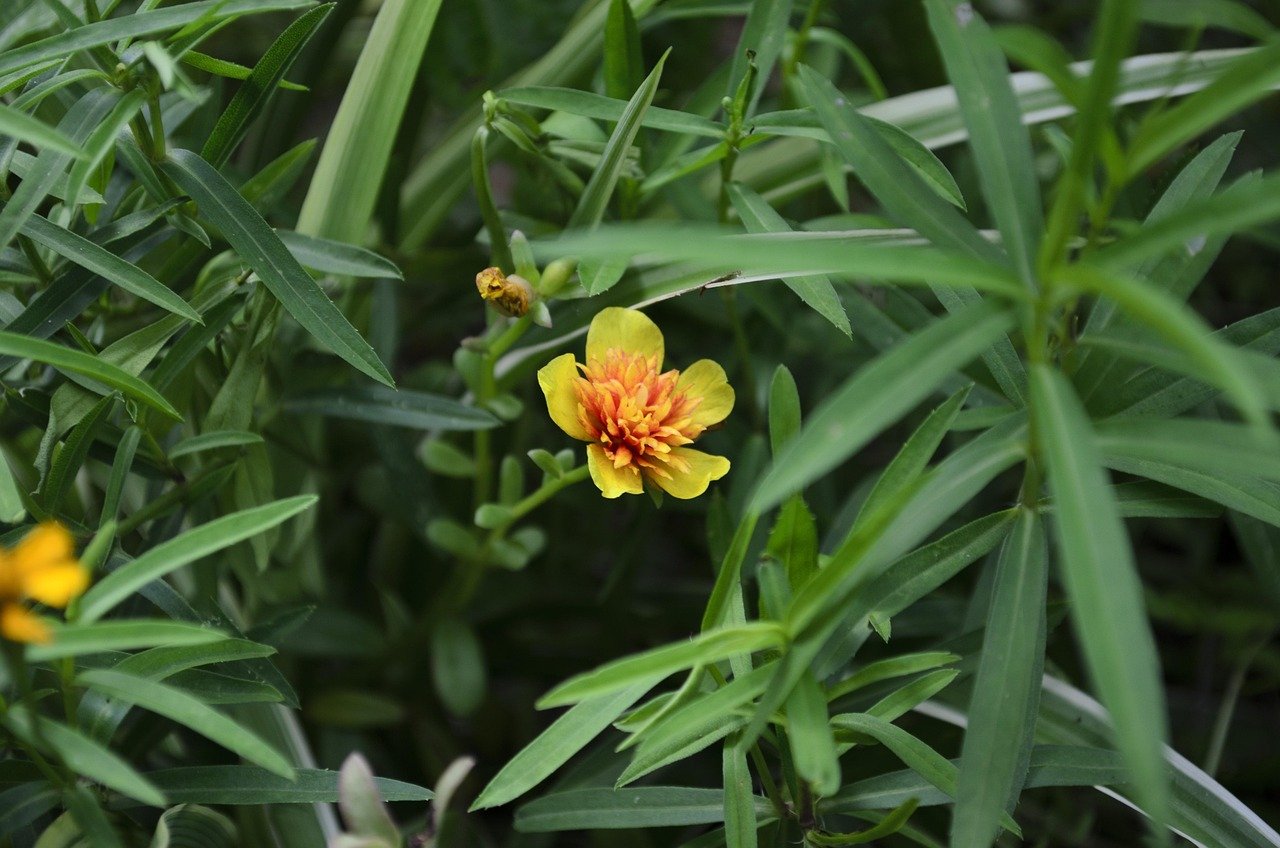
Flowers; When lovage flowers bloom, they appear in umbels—a cluster of smaller flowers attached to a central stem, common in the carrot family. The flowers are tiny, yellow-green, and not as showy as other garden blooms, but they attract a lot of beneficial insects, such as bees and butterflies. While you might not notice them right away, these flowers help the plant complete its life cycle and contribute to the overall appeal of lovage.
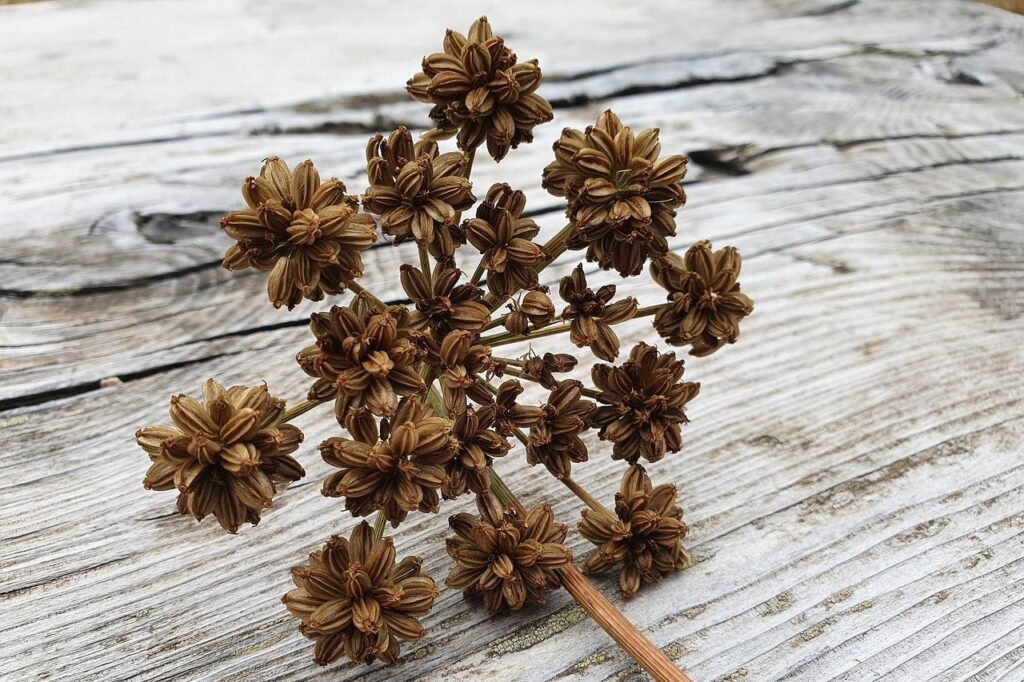
Fruits: The fruits of lovage are small, oval, and flattened, typically a dull brown or tan color. When the flowers pollinate, they produce these seeds, which are later harvested for use in both cooking and medicinal preparations. The fruits themselves are a bit aromatic, carrying the signature flavor of the plant, though they’re not used as often as the leaves or stems.
Seeds: Lovage seeds are one of the plant’s most valuable components, especially in herbal medicine. These small, ribbed seeds carry concentrated essential oils and have a slightly spicy, earthy taste. They are often used in tinctures, teas, and infusions for their digestive and detoxifying properties. When you save seeds from your plant, they’ll be perfect for replanting or sharing with fellow gardeners.
Growing Instructions
Here’s everything you need to know to get lovage off to a great start in your garden!
Sunlight: Lovage thrives in full sun but can tolerate partial shade, especially in hotter climates. It prefers about 6–8 hours of sunlight per day, but in more temperate areas, it can handle some shade. Just be sure it’s not growing in a totally dark spot—lovage is a fan of brightness and warmth.
Soil: The best soil for lovage is rich, well-draining, and slightly moist. A slightly acidic to neutral pH is ideal (around 6.0 to 7.0). It’s not picky about soil texture, so long as it’s fertile and consistently moist. Sandy or loamy soils are best, but avoid overly heavy, clay-like soils that don’t drain well.
Temperature: Lovage is fairly hardy, surviving in USDA zones 3 through 7. It can withstand some cold, which makes it a great choice for cooler climates. However, if you live in an area with extremely hot summers, you might need to provide some shade to prevent it from wilting. The ideal temperature range for lovage is between 55°F (13°C) and 75°F (24°C).
Watering: Watering lovage is crucial, especially in its early growth stages. Keep the soil evenly moist, but not soggy. Lovage doesn’t like dry conditions, so be sure to water it regularly, particularly during hot spells. In the winter months, you can reduce watering, but don’t let the plant dry out completely.
Spacing: If you’re planting lovage in your garden, make sure to give it enough space to spread out. These plants can grow up to 6 feet tall and wide, so space them at least 18 inches apart to allow for proper air circulation and growth.
Pruning: You can prune lovage to keep it manageable and encourage fresh growth. Regularly cut back the older stems and leaves, especially when they start to look leggy or overgrown. Don’t be afraid to trim it back pretty hard—lovage will bounce back quickly and keep growing strong.
Support: Since lovage can grow tall, especially in richer soils, it may need a little extra support. Staking can help prevent it from toppling over in windy conditions. You can use bamboo stakes or a small trellis to keep the plant upright.
Life Cycle: Lovage follows a typical life cycle consisting of:
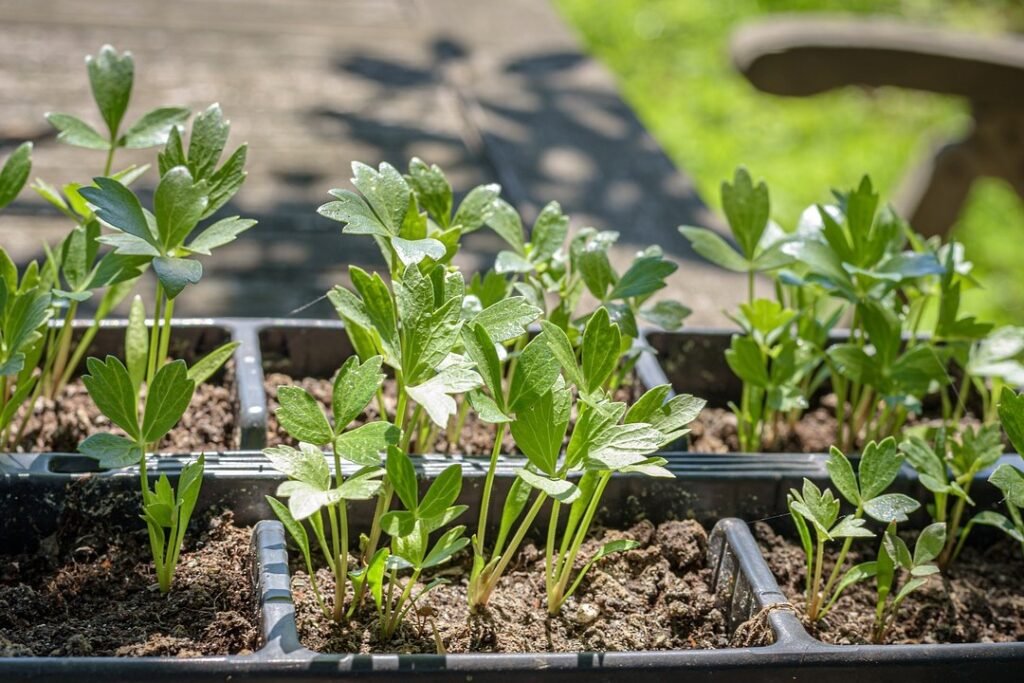
- Germination: Seeds usually take 2–3 weeks to germinate. It’s best to start them indoors early in the spring if you’re in a colder climate.
- Vegetative Growth: The first season sees slow but steady growth as the plant establishes itself.
- Flowering: Lovage flowers appear in mid-summer, but they are generally not the main attraction of the plant.
- Fruit Set: After flowering, lovage will produce seeds in late summer to early fall.
- End of Season: In colder climates, lovage will die back to the ground in winter, but the root system will often survive and regrow in the spring.
Harvesting and Foraging
Harvesting
The best time to harvest lovage is just before or during its peak growth period, typically in early summer when the plant is lush and full. You can cut off individual stems and leaves, but be sure to leave enough behind so the plant can continue to thrive. The leaves are at their most flavorful when they are young and tender. You can harvest the roots in late fall if desired, but keep in mind that this will reduce the plant’s ability to grow back in the following year.
Foraging
If you’re lucky enough to live in a region where lovage grows wild, you might be able to forage for it. However, always make sure you’ve correctly identified the plant before harvesting. Lovage’s distinctive aroma and flavor make it easier to spot, but there are similar-looking plants that can be poisonous. Always double-check with a knowledgeable forager or plant expert.
Plant Companions
Lovage pairs well with a variety of herbs and vegetables, especially those that enjoy rich soil and moisture. Consider planting lovage alongside:
- Parsley (a fellow member of the Apiaceae family)
- Chives (which love the same soil conditions)
- Tomatoes: Lovage makes a great companion for tomatoes, as it helps improve soil quality and keeps pests at bay. Its tall, bushy growth can also offer shade to tomato plants during the hottest parts of the day.
- Cabbage and Kale: These hearty, cool-weather plants benefit from the shade lovage provides. Plus, lovage’s strong fragrance can deter some cabbage pests.
- Carrots: As members of the same family, carrots and lovage get along very well. Lovage’s growth habits don’t compete with carrots, and they’ll thrive together in similar conditions.
However, avoid planting lovage near plants that prefer drier conditions, as it thrives in consistently moist soil. It can be a bit too aggressive in its growth for smaller, more delicate plants, so make sure you’re giving it enough space to spread out.
Common Pests and Diseases
Lovage is a relatively low-maintenance plant, but like all plants, it can fall prey to certain pests and diseases. Here are some common issues to look out for:
Pests
- Aphids: These tiny, sap-sucking insects can damage the leaves of lovage. While they generally don’t kill the plant, they can stunt growth. If you notice aphids, wash them off with a strong jet of water or use an insecticidal soap.
- Caterpillars: If you notice holes in your lovage leaves, it could be from caterpillars or larvae. These can be removed by hand, or you can use an organic pesticide.
- Slugs and Snails: Slugs and snails love tender lovage leaves, especially after rain. To prevent them, place copper tape around the base of the plant, or sprinkle diatomaceous earth around the soil.
Diseases
- Powdery Mildew: This fungal disease manifests as a white, powdery coating on the leaves, typically in warm, humid conditions. To prevent it, avoid over-watering and ensure proper spacing to promote air circulation. If the disease is present, prune infected leaves and treat with an organic fungicide.
- Root Rot: If your lovage is in poorly-draining soil or is overwatered, root rot can become a problem. Ensure the soil drains well and that you’re not watering too frequently.
Keeping an eye out for pests and diseases can help you maintain a healthy and thriving lovage plant. Regularly inspecting your plant and taking prompt action will keep problems at bay.
Shopping Tips
When shopping for lovage, whether as seeds or young plants, here are a few things to keep in mind:
- Seeds: Look for certified organic seeds to ensure you’re starting with a healthy plant free of chemicals. Many herb seed packets will also include information on growing instructions specific to lovage.
- Young Plants: If you want to skip the growing from seed stage, you can often find young lovage plants at local garden centers. Choose plants that look healthy, with vibrant green leaves and no signs of disease.
- Dried Lovage: You can also buy dried lovage from specialty herb shops or online. Make sure it’s stored in an airtight container and is kept in a cool, dark place to preserve its flavor.
Lovage is an herb you might not always find in your typical grocery store, but specialty markets, health food stores, or local farmer’s markets are good places to look.
Storage
Lovage can be used fresh, but if you have an abundance, you’ll want to know how to store it for later use. Here are a few ways to keep it fresh or preserved:
- Fresh: Wrap fresh lovage stems and leaves in a damp paper towel, place them in a plastic bag, and store them in the fridge. It can stay fresh for about a week this way.
- Freezing: For long-term storage, you can freeze lovage. Chop the leaves and stems, then place them in ice cube trays covered with water. Once frozen, transfer them to a freezer-safe bag or container. This method will allow you to use the herb in soups, stews, and sauces all year long.
- Drying: To dry lovage, simply tie the stems in small bunches and hang them upside down in a cool, dark area with good airflow. Once completely dry, remove the leaves and store them in an airtight container. Dried lovage is perfect for seasoning dishes during the colder months.
Culinary Uses
Lovage is one of those ingredients that can transform your cooking, adding flavor depth without overpowering your dishes. Here’s how you can use it:
In Soups and Stews
Lovage has a flavor reminiscent of celery but stronger and more aromatic. It’s a wonderful addition to soups and stews. You can add it early in the cooking process, just like you would with bay leaves or thyme. The longer it cooks, the more its flavor infuses the dish, making it rich and savory. Try adding it to chicken soup, vegetable broths, or beef stews.
As a Seasoning for Meat
Lovage pairs beautifully with hearty meats like chicken, pork, and beef. Its savory, slightly peppery flavor complements roasted meats and sausages. You can chop fresh lovage and sprinkle it over grilled or roasted meats or even use it in marinades for extra flavor.
Salads
For a lighter, fresher use, lovage leaves make a great addition to green salads. Their flavor pairs well with other herbs like parsley or basil. You can also use them in herb butter, mixing finely chopped lovage leaves into softened butter along with garlic and lemon juice.
In Sauces
Add lovage to pesto, green sauces, or any sauce where you want an herbal, celery-like freshness. It blends wonderfully with garlic, olive oil, and even cheese. If you’re making a creamy sauce, lovage can lend it a savory depth that’s unique yet subtle.
Lovage Tea
To make a lovage tea, simply steep fresh or dried lovage leaves in hot water for about 5 minutes. This can help soothe an upset stomach and provides a mild, aromatic taste that can be relaxing and refreshing.
Health Benefits
Lovage is not just a flavorful herb; it also boasts a range of health benefits. Here are a few reasons you might want to keep some lovage in your pantry:
Digestive Health
Lovage has been used for centuries as a digestive aid. It’s believed to help stimulate appetite and ease indigestion. The herb contains compounds that support the digestive system by promoting bile production, which helps with the digestion of fats.
Antioxidant Properties
Like many herbs, lovage is packed with antioxidants, which protect your body from free radical damage. Free radicals are unstable molecules that can contribute to aging and diseases like cancer. Including lovage in your diet can help counteract these effects.
Anti-inflammatory Effects
Lovage contains compounds that have anti-inflammatory properties, which can help reduce inflammation in the body. This makes it useful for conditions like arthritis, where inflammation is a key problem. Drinking lovage tea or using it in food may provide mild relief from joint pain or swelling.
Detoxification
Lovage has mild diuretic properties, meaning it helps the body eliminate excess fluid. This makes it a natural detoxifier, supporting kidney and liver health. It can also help reduce bloating and water retention.
Respiratory Health
Traditionally, lovage has been used as a remedy for respiratory conditions like bronchitis and asthma. It’s thought to help clear mucus from the lungs and reduce inflammation in the airways, making it beneficial for people with respiratory congestion.
Toxicity and Safety
While lovage is generally considered safe for most people when used in cooking or as a medicinal herb, there are a few precautions to take:
- Pregnancy and Breastfeeding: Pregnant women should avoid lovage in large amounts, as it may stimulate the uterus. If you’re breastfeeding, it’s best to consult a healthcare professional before using it regularly.
- Allergic Reactions: Some individuals may experience allergic reactions to lovage, particularly if they are sensitive to plants in the Apiaceae family. If you have a history of allergies to celery, parsley, or carrots, it’s best to approach lovage cautiously and monitor for any adverse reactions.
Always talk to your doctor before using any new herb regularly, especially if you have underlying health conditions or are on medication.
Environmental Impact
Lovage is a relatively eco-friendly herb to grow in your garden. It doesn’t require much fertilizer and thrives in well-draining, fertile soil. As a hardy perennial, once established, it will return year after year, meaning you don’t have to replant it annually, making it a low-maintenance, sustainable option.
Additionally, lovage’s flowers attract pollinators like bees and butterflies, making it a great choice for your garden if you’re looking to support local wildlife. Its deep roots help prevent soil erosion, and it can improve the soil’s fertility by contributing organic matter when pruned.
Lovage is also a great companion plant, benefiting the biodiversity of your garden. It’s a natural pest repellent for many common garden pests and offers shelter and food for beneficial insects.