






Scientific name: Aloysia citrodora Paláu
Family: Verbenaceae
If you’ve ever brushed up against a lemon verbena plant and caught that bright, citrusy scent, you already know why this herb is so loved. Lemon verbena is one of those plants that quietly steals the show—whether it’s growing in your garden, steeping in your tea, or adding a fresh twist to your cooking.
Native to South America, this fragrant herb has found its way into kitchens, herbal traditions, and gardens all over the world. And once you start using it, you’ll understand why. The leaves carry a clean, true lemon flavor—often described as smoother and less sharp than actual lemon peel.
In this Plant Compendium entry, you’ll learn everything you need to know about growing, harvesting, and using lemon verbena. Whether you’re here for the gardening tips, the health benefits, or the culinary inspiration, you’re in the right place.
History of Lemon Verbena
Lemon verbena comes from the warm regions of Chile, Argentina, and Peru. Indigenous communities were among the first to use it, appreciating its fragrance and soothing properties.
The plant made its way to Europe in the 17th century, where it quickly became popular among gardeners and herbalists. By the 18th and 19th centuries, it was especially fashionable in France and England. People used it in perfumes, potpourri, and teas.
In Victorian times, lemon verbena symbolized sensitivity and healing. It was often included in bouquets and herbal blends meant to comfort and uplift.
Today, lemon verbena is still widely grown for its scent and versatility. It’s a favorite in herb gardens and a staple in natural wellness practices.
Botanical Description
Roots: Lemon verbena has a woody root system that anchors the plant firmly in the soil. These roots are relatively shallow but spread out enough to support steady growth, especially in warm climates.
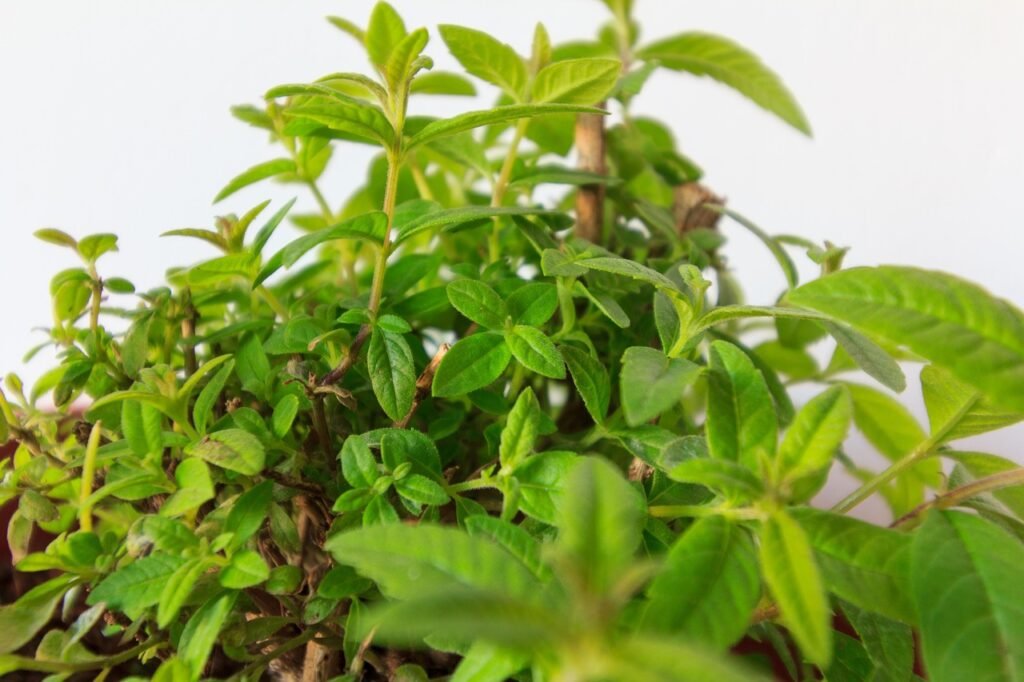
Stems: The stems are slender and woody, especially as the plant matures. Young stems are green and flexible, while older ones become more rigid and slightly rough in texture.
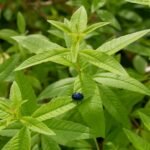
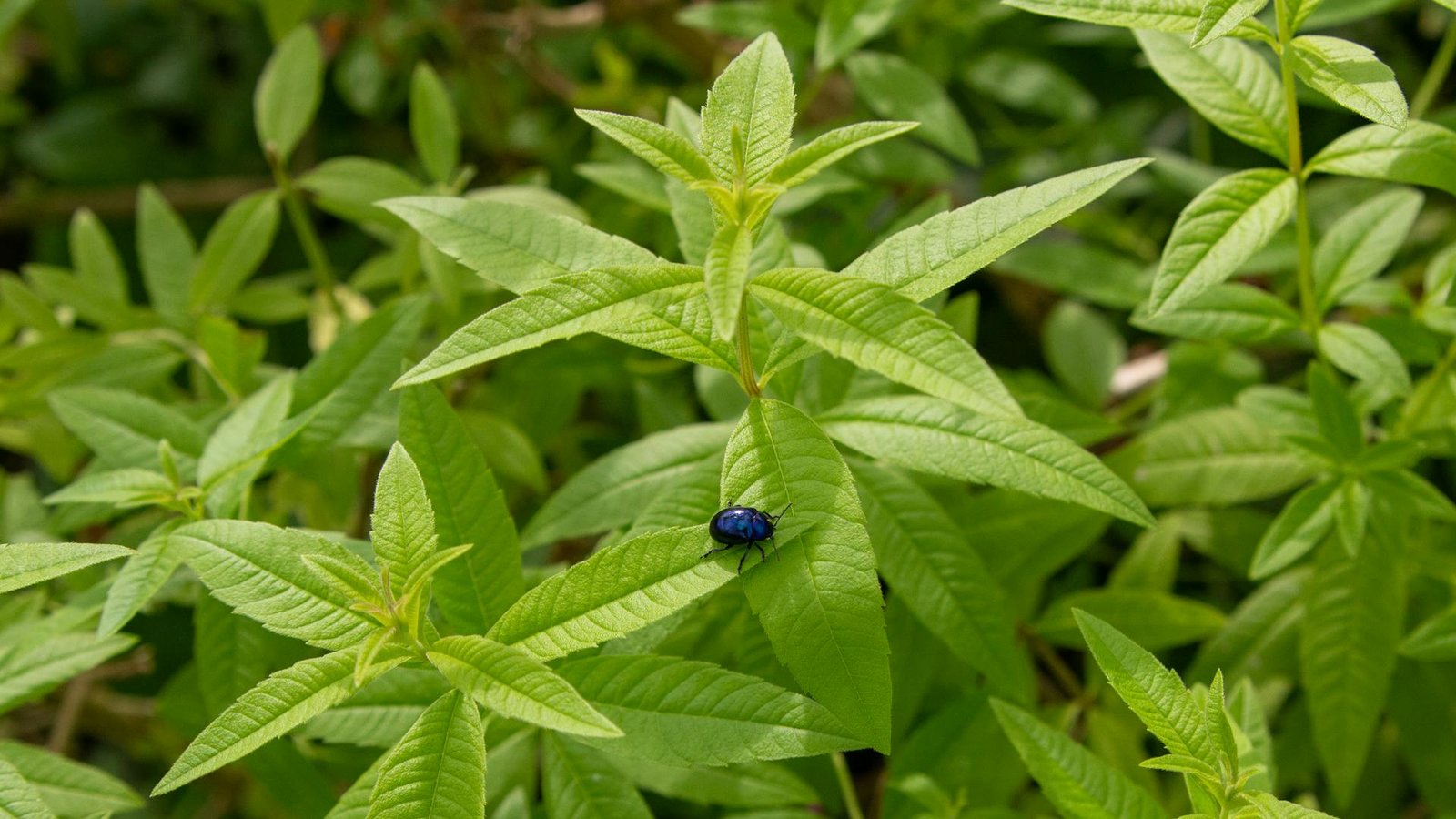
Leaves: The leaves are the real star of the show. They are long, narrow, and slightly rough to the touch. When you crush them, they release a powerful lemon scent that’s both refreshing and calming.
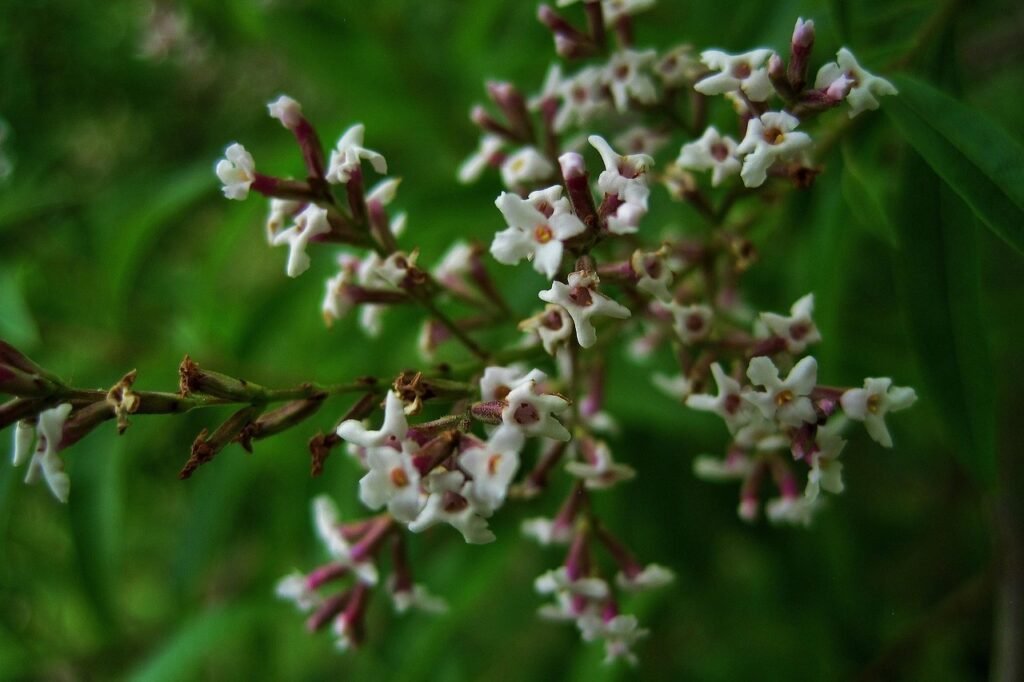
Flowers: Lemon verbena produces small, pale purple to white flowers. They grow in loose clusters and are more subtle compared to the boldness of the leaves.
Fruits: The plant rarely produces noticeable fruit, especially outside its native environment. When it does, the fruits are small and not typically used.
Seeds: Seeds are not commonly used for propagation because they can be unreliable. Most gardeners prefer growing lemon verbena from cuttings.
Growing Instructions
Here’s everything you need to know to get lemon verbena off to a great start:
Sunlight: Lemon verbena loves full sun. Aim for at least 6–8 hours of direct sunlight each day. The more sun it gets, the stronger its flavor and fragrance will be.
Soil: Well-draining soil is essential. A sandy or loamy mix works best. If your soil tends to hold water, consider adding compost or sand to improve drainage.
Temperature: This plant thrives in warm temperatures. It prefers climates where temperatures stay above 10°C (50°F). In colder regions, you may need to grow it in a pot and bring it indoors during winter.
Watering: Water regularly, but don’t overdo it. Let the top layer of soil dry out between watering. Overwatering can lead to root rot.
Spacing: Give each plant about 60–90 cm (2–3 feet) of space. Lemon verbena can grow into a fairly large shrub if conditions are right.
Pruning: Prune regularly to encourage bushier growth. This also helps prevent the plant from becoming too woody and sparse.
Support: Most plants don’t need support, but in windy areas, a small stake can help keep taller stems upright.
Life Cycle: Lemon verbena follows a typical life cycle consisting of:
- Germination: Seeds germinate slowly and unevenly, which is why cuttings are often preferred.
- Vegetative Growth: The plant focuses on producing leaves and stems, especially in warm, sunny conditions.
- Flowering: Small flowers appear in late summer.
- Fruit Set: Rare and not agriculturally significant.
- End of Season: In colder climates, the plant may lose its leaves or go dormant during winter.
Harvesting and Foraging
Harvesting
You can start harvesting lemon verbena once the plant is well established.
- Pick leaves in the morning when their oils are most concentrated
- Use clean scissors or pruners
- Harvest regularly to encourage new growth
You can use the leaves fresh or dry them for later use.
Foraging
Lemon verbena is not commonly found growing wild outside its native regions. If you do come across it, make sure you correctly identify it by its strong lemon scent and leaf shape before harvesting.
Plant Companions
Lemon verbena grows well alongside other sun-loving herbs and plants.
Good companions include:
These plants share similar growing conditions and can thrive together in a garden bed or container.
Common Pests and Diseases
Lemon verbena is relatively hardy but can still face a few issues:
- Aphids: These small insects can cluster on new growth
- Spider mites: Often appear in dry conditions
- Whiteflies: Can weaken the plant by feeding on sap
Diseases to watch for:
- Root rot (usually from overwatering)
- Powdery mildew (in humid conditions)
Keeping your plant healthy with proper airflow and watering habits will prevent most problems.
Shopping Tips
When buying lemon verbena, look for:
- Bright green leaves with a strong scent
- No signs of pests or yellowing
- A sturdy, upright structure
You can find lemon verbena at garden centers, nurseries, or online plant shops.
Storage
Fresh lemon verbena leaves can be stored in the refrigerator for up to a week.
For longer storage:
- Dry the leaves in a cool, dark place
- Store in an airtight container
- Keep away from light and moisture
Dried leaves can last several months while still holding their flavor.
Culinary Uses
This is where lemon verbena really shines—and where many gardeners fall in love with it.
The flavor is bright, lemony, and slightly sweet, without the acidity of actual lemons. That means you can use it in dishes where citrus flavor is welcome but extra sourness is not.
Here are some of the best ways you can use lemon verbena:
Teas and Infusions
Lemon verbena tea is one of the most popular uses.
- Steep fresh or dried leaves in hot water for 5–10 minutes
- Combine with mint or chamomile for a more complex blend
- Serve hot or chilled
The result is a calming, aromatic drink that feels both refreshing and soothing.
Desserts
Lemon verbena pairs beautifully with sweet flavors.
- Infuse cream or milk for custards and ice cream
- Add to syrups for cakes and pastries
- Use in fruit salads, especially with berries and peaches
It gives desserts a delicate citrus note that feels more refined than lemon zest.
Savory Dishes
You can also use lemon verbena in savory cooking.
- Add to marinades for chicken or fish
- Infuse into olive oil or butter
- Use in light sauces for vegetables
It works especially well with mild proteins where its flavor can stand out.
Beverages
Beyond tea, lemon verbena can elevate drinks:
- Add to cocktails for a herbal citrus twist
- Use in lemonades or sparkling water
- Infuse into simple syrups
If you enjoy experimenting in the kitchen, this herb offers a lot of creative potential.
Health Benefits
Lemon verbena isn’t just flavorful—it’s also packed with potential health benefits that have made it a staple in herbal traditions.
Digestive Support
Lemon verbena is often used to help with digestion.
- May reduce bloating
- Can ease mild stomach discomfort
- Often consumed after meals as a tea
Its gentle action makes it a popular choice for daily use.
Anti-Inflammatory Properties
The plant contains compounds like verbascoside, which are being studied for their anti-inflammatory effects.
This may help:
- Support joint health
- Reduce muscle soreness
- Aid recovery after exercise
Relaxation and Sleep
Lemon verbena has mild calming effects.
- Can help reduce stress
- Often used in evening teas
- May support better sleep quality
It’s not a sedative, but it encourages a relaxed state.
Antioxidant Content
Like many herbs, lemon verbena contains antioxidants that help protect your cells from damage.
These compounds play a role in overall wellness and long-term health.
Toxicity and Safety
Lemon verbena is generally considered safe for most people when used in normal culinary amounts.
However, keep these points in mind:
- Large quantities may cause stomach irritation
- Essential oil should be used with caution and proper dilution
- Pregnant or breastfeeding individuals should consult a professional before regular use
As always, moderation is key.
Environmental Impact
Lemon verbena is a relatively low-impact plant when grown responsibly.
- It attracts pollinators like bees
- Requires moderate water compared to other herbs
- Can be grown organically with minimal chemical inputs
If you’re looking to build a more sustainable garden, lemon verbena is a great addition.
Because it can grow into a shrub, it also provides structure and habitat in garden ecosystems. And since you harvest the leaves regularly, it encourages ongoing growth rather than depletion.