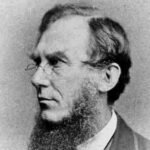








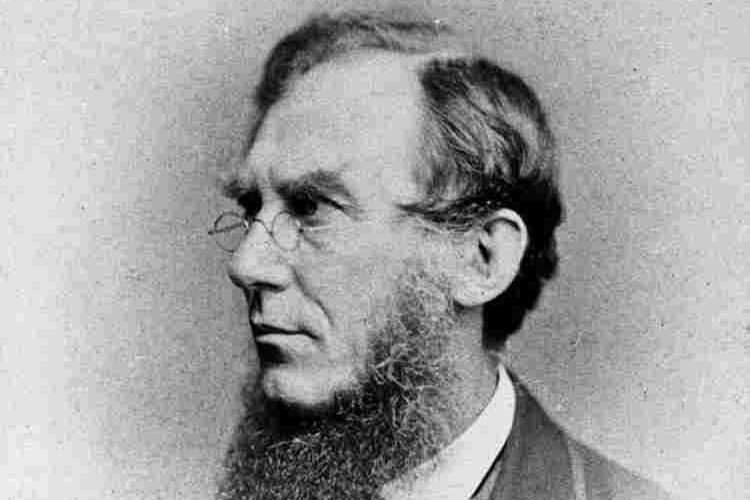
The article is about exploring the life and impact of Joseph Dalton Hooker and his role in economic botany.
“Plants tell the story of humanity—how we survive, thrive, and trade with the earth itself.” – The Economic Botanist
When we think about the plants around us, it’s easy to forget that behind every garden, forest, and crop field lies centuries of exploration, study, and discovery. Few people shaped our understanding of plants like Joseph Dalton Hooker. From the icy landscapes of the Antarctic to the towering Himalayas, Hooker didn’t just wander the globe—he mapped it in terms of plants, species, and their practical value to humans. In this article, you’ll get to know Hooker’s story, his major discoveries, and how his work laid the foundation for what we now call economic botany: the study of plants that help society in tangible ways.
Joseph Dalton Hooker Biography: From Curious Child to Botanical Pioneer
Joseph Dalton Hooker was born in 1817 in England, into a family already steeped in botany. His father, William Jackson Hooker, was a renowned botanist and the director of the Royal Botanic Gardens, Kew. Growing up, Joseph had a unique classroom—filled with plants, specimens, and books that most kids could only dream about. This early exposure gave him both the curiosity and the foundation to explore plants in ways few others could.
He originally studied medicine, but his fascination with plants proved stronger. Soon, he began to travel the world, collecting specimens, classifying them, and learning not just what they were, but how they could help humans through food, medicine, or trade. This mix of curiosity, intellect, and adventure would define his entire life.
Major Expeditions and Plant Exploration
Antarctic Expedition (1839–1843)
Hooker’s first big journey was aboard the HMS Erebus, part of an Antarctic exploration. While others mapped coastlines or studied ice formations, Hooker focused on plants. He braved freezing temperatures to collect mosses, algae, and flowering plants, documenting them carefully. These early discoveries would inform his later work on plant distribution and the theory of evolution itself.
Fun Fact
Many of the plant specimens Hooker collected in the Antarctic are still preserved today at Kew Gardens, making them over 180 years old!
Himalayan and Indian Expeditions
Later, Hooker traveled to India, Nepal, and the Himalayas—regions filled with plant diversity that European botanists had barely studied. He trekked through rugged mountains, carefully noting which plants grew where, how they adapted to the altitude, and how local people used them. His work culminated in the famous Flora of British India, a detailed catalog of thousands of plant species, which became a reference for generations of botanists.
These journeys were not just about scientific curiosity. Many plants he documented had practical applications, from medicinal herbs to crops with trade potential. This directly ties into his role in economic botany, bridging science with societal needs.
Other Global Travels
Hooker didn’t stop at India and Antarctica. He explored the Middle East, North Africa, and even parts of the Americas. Each expedition added new species to the global inventory and deepened his understanding of how plants could support economies, health, and even colonial infrastructure.
Key Contributions to Botany
Advancements in Plant Taxonomy
Hooker revolutionized plant classification. He refined systems that grouped plants not just by appearance but by evolutionary relationships, helping scientists understand how species were related. This effort made his work foundational in the study of global plant biodiversity.
Relationship with Charles Darwin
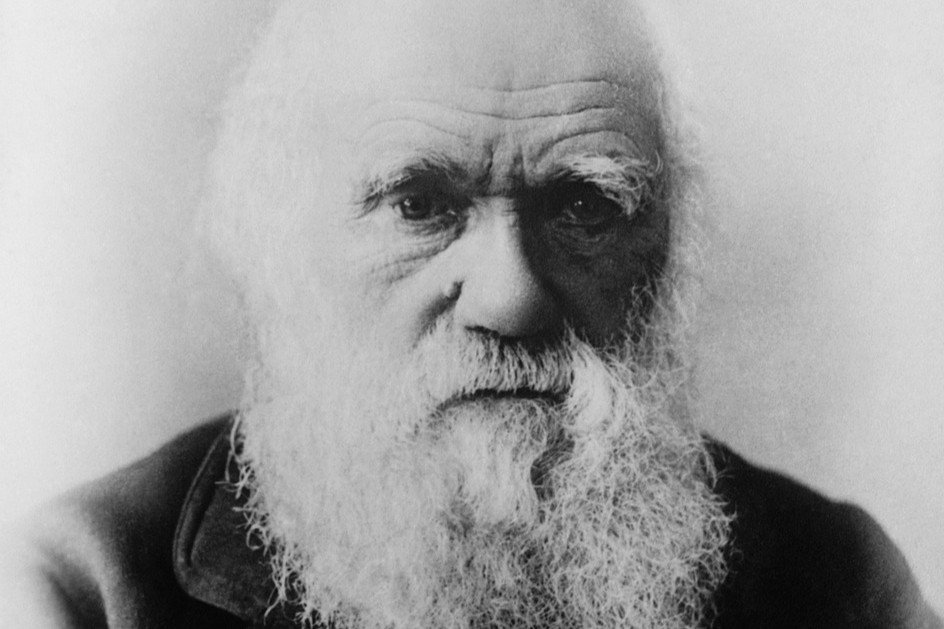
Hooker was more than a collector—he was also a scientific thinker. He maintained a close friendship with Charles Darwin and supported the theory of evolution. Together, their correspondence and debates helped shape early evolutionary biology. Hooker’s field observations provided concrete evidence that plant species adapted to their environments over time, reinforcing Darwin’s ideas.
Leadership at Kew Gardens
Eventually, Hooker took the helm at the Kew Royal Botanic Gardens, one of the most important botanical institutions in the world. Under his guidance, Kew became a hub for plant research, economic botany, and global plant exchange. He encouraged systematic collection, cataloging, and distribution of plants that could benefit human society.
Understanding Economic Botany
What is Economic Botany?
Economic botany studies plants that provide value to humans—whether as food, medicine, textiles, or materials. Hooker’s expeditions weren’t just about discovery for discovery’s sake. He looked for plants that could improve agriculture, support industry, and even contribute to global trade. By linking botanical research with practical applications, he helped turn botany into a tool for societal progress.
Introduction of Valuable Plant Species
Hooker played a role in the introduction and cultivation of economically important plants. For example, tea, rubber, and certain fruit trees were studied and sometimes moved between continents to boost local economies. These actions demonstrate how scientific exploration can intersect with economic development.
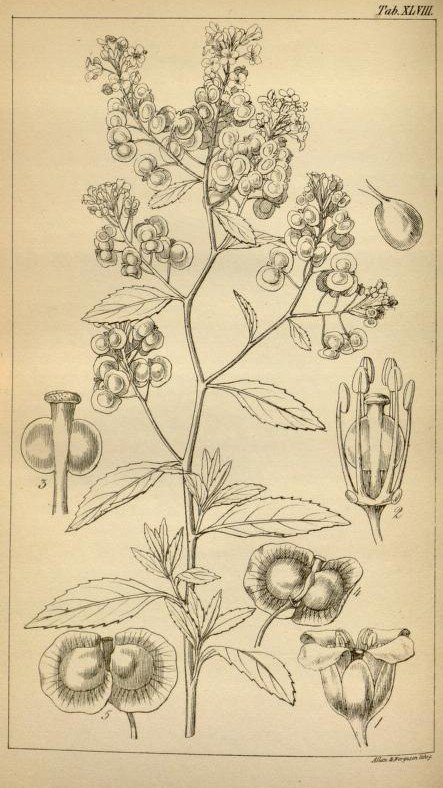
Cremolobus is a genus of seven species from the Brassicaceae family distributed along the Andes from northern Argentina and Chile northward into Colombia, and it inhabits a variety of different environments from humid habitats.
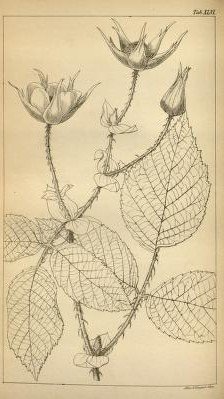
Rubus is a large and diverse genus in the Rosaceae family, comprising several hundred species distributed across temperate regions of the Northern Hemisphere and extending into some tropical and Southern Hemisphere areas
Medicinal and Commercial Plants
Many of the plants Hooker documented had medicinal uses. He studied which species were effective for traditional remedies and how they could be adapted for wider use. Beyond medicine, he investigated plants with industrial potential—like fibers, dyes, and oils—showing that botany could fuel commerce and innovation.
Fun Fact
Hooker once experimented with cultivating Himalayan plants in England, proving that some species could thrive far from their native environment, a critical step in modern horticulture.
Botanical Networks and Empire
Botanical gardens, herbariums, and colonial networks allowed Hooker and others to exchange plants around the world. By sharing specimens, knowledge, and techniques, they created a global system that linked science with agriculture, trade, and even political strategy. Economic botany became a bridge between discovery and practical human use.
Major Publications and Scientific Works
Flora of British India
| This multi-volume work remains one of Hooker’s most important contributions. It cataloged tens of thousands of plant species, offering detailed descriptions, illustrations, and notes on uses. For scientists, it became an essential reference; for governments and businesses, it highlighted plants of economic potential. | 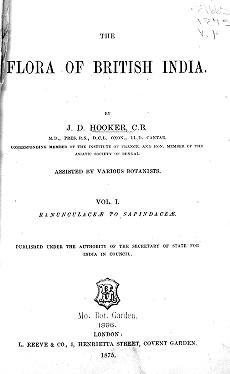 |
Himalayan Journals
| Hooker’s detailed journals from his Himalayan expeditions provide more than just plant lists—they’re stories of exploration, encounters with local communities, and insights into plant ecology. They demonstrate his careful observation and ability to translate scientific knowledge into practical applications. | 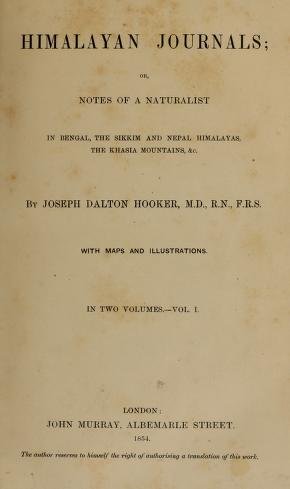 |
Other Notable Works
From contributions to the Royal Society’s papers to essays on global plant distribution, Hooker left a legacy of publications that bridged fieldwork with theory. His writings continue to guide both academic research and applied botany.
Hooker’s Lasting Legacy
Influence on Modern Botany
Joseph Dalton Hooker laid the foundation for modern plant science. His methods in taxonomy, plant collection, and ecological observation influence researchers even today. By connecting plants to human needs, he helped create a framework for economic botany that still drives agricultural innovation and environmental studies.
Contributions to Conservation and Biodiversity
Hooker recognized the importance of preserving plant diversity long before conservation became a global movement. His meticulous cataloging helped future generations understand which species were rare, threatened, or essential for ecosystems. Today, his work informs conservation strategies worldwide.
Recognition and Honors
Throughout his life, Hooker received many awards and honors, including fellowships and international recognition for his contributions. Yet, perhaps his most enduring legacy is the thriving network of botanical knowledge and gardens he helped build.
Why Joseph Dalton Hooker Still Matters Today
We live in a world facing climate change, food insecurity, and biodiversity loss. Hooker’s emphasis on studying plants not just for curiosity but for practical benefits resonates today. Understanding economic plants—those that feed, heal, and sustain societies—remains crucial. By exploring and documenting plant life, Hooker taught us to value the natural world not just aesthetically, but economically and socially as well.
The Bottom Line
Joseph Dalton Hooker’s life reminds us that science and society are deeply connected. His botanical expeditions, publications, and work in economic botany gave humanity tools to thrive, innovate, and understand our environment. By learning from Hooker, we see that studying plants is not just a scientific endeavor—it’s a way to enrich communities, economies, and our shared planet.
If you’ve enjoyed discovering the life and legacy of Joseph Dalton Hooker, take a moment to explore your local plants, visit a botanical garden, or even start your own small garden. Every plant has a story, and you can be part of it.