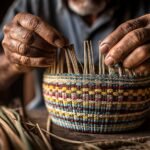






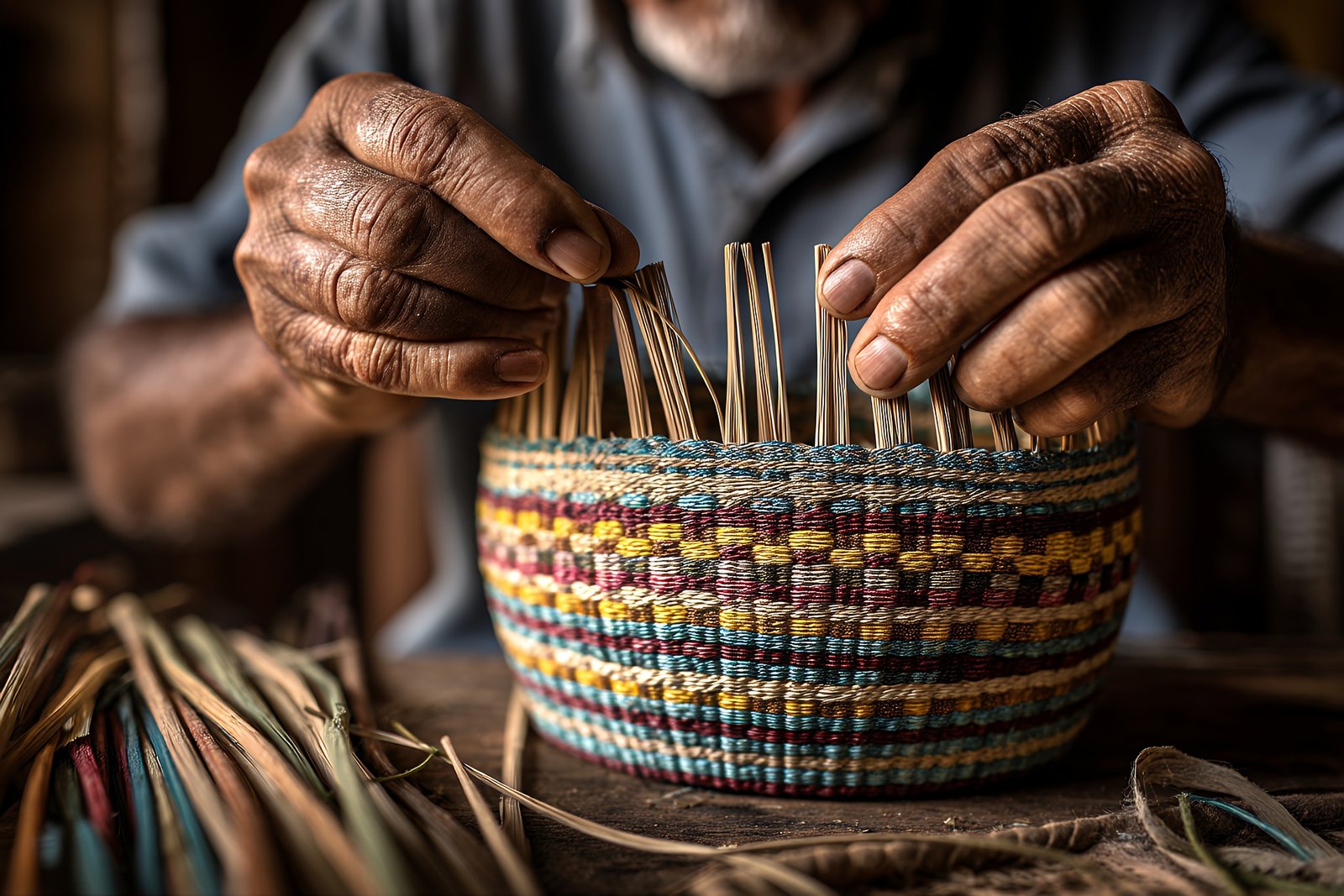
The article is about how plant fibers have been woven into baskets for thousands of years, shaping cultures and connecting humans to nature.
“In every strand of fiber, there is a story of human ingenuity, patience, and the timeless dialogue between people and plants.” – The Economic Botanist
Baskets aren’t just handy containers—they’re living history. From the first grasses we twisted into small storage containers to the intricate bamboo designs of Asia and the geometric patterns of African weaving, basketry is an art that connects us to both nature and culture.
When you pick up a woven basket, you’re touching centuries of craftsmanship, creativity, and a sustainable way of working with the natural world. In this article, we’re going to dive into the fascinating world of plant fiber baskets, explore their history, understand the materials and techniques, and see why they’re still relevant today. You’ll also discover how this traditional craft continues to inspire designers, artisans, and anyone who values sustainable living.
- The Origins of Basket Weaving in Human History
- Plant Fibers Traditionally Used for Basket Weaving
- Traditional Basket Weaving Techniques
- Basket Weaving Across Cultures
- The Role of Ethnobotany in Basket Weaving
- Sustainability and the Modern Revival of Plant Fiber Basketry
- Why Plant Fiber Basket Weaving Still Matters Today
- The Bottom Line
The Origins of Basket Weaving in Human History
Basket weaving is one of the oldest human crafts, dating back thousands of years. Long before pottery, humans needed containers to carry food, store seeds, or gather water, and baskets made from plant fibers were the perfect solution. The beauty of natural fiber baskets is that they were made from materials that were readily available and renewable. People didn’t just make baskets to survive—they were an expression of creativity, practicality, and cultural identity.
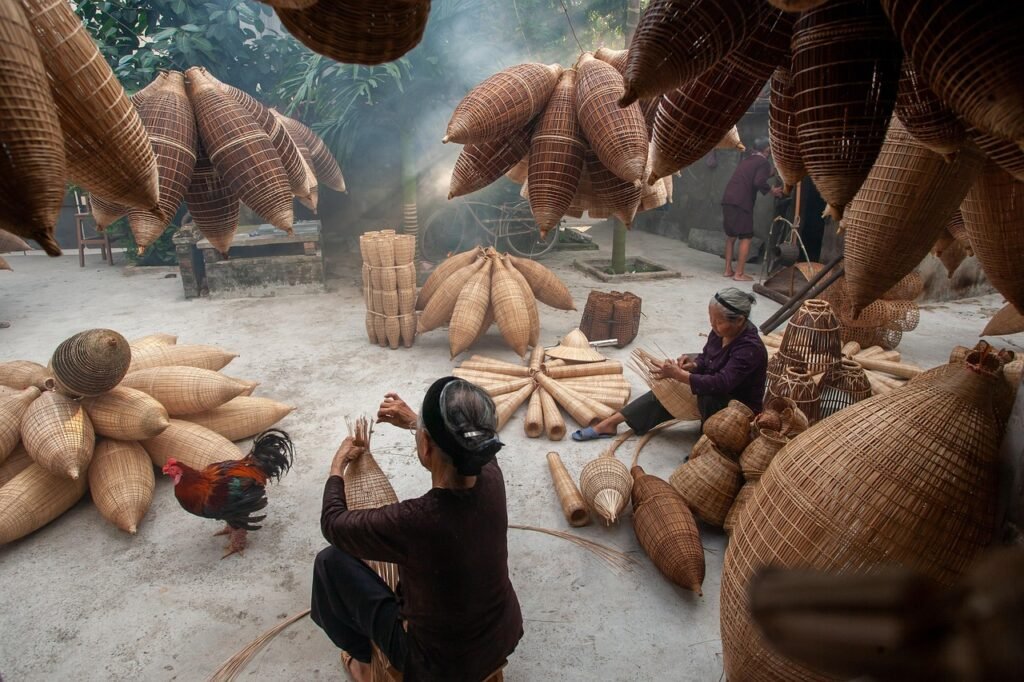
Early evidence of basket weaving comes from places like Ancient Egypt, where reeds and grasses were woven into containers for storage and transport. In Asia, bamboo baskets date back millennia, used for everything from fishing traps to carrying rice. Indigenous communities in the Americas developed intricate weaving traditions using yucca, sweetgrass, and pine needles, each technique adapted to the local plants and environment. Over time, baskets evolved from purely functional tools into ceremonial objects, decorative art pieces, and even storytelling tools embedded with cultural meaning.
Fun Fact
Archaeologists have found basket fragments in Egypt and Peru that are over 8,000 years old, making basket weaving one of the oldest recorded crafts in human history.
As civilizations advanced, basketry continued to thrive. Some techniques, like coiling, twining, and plaiting, became hallmarks of particular cultures. And even though we now have modern containers made from plastic or metal, traditional basket weaving still survives and thrives in many parts of the world, preserving centuries of knowledge.
Plant Fibers Traditionally Used for Basket Weaving
You might wonder why humans have relied on plant fibers for so long. The answer is simple: plant fibers are flexible, strong, and widely available. They’re also sustainable, biodegradable, and easy to harvest without heavy tools. That makes them perfect for weaving into baskets that can carry weight yet bend without breaking.
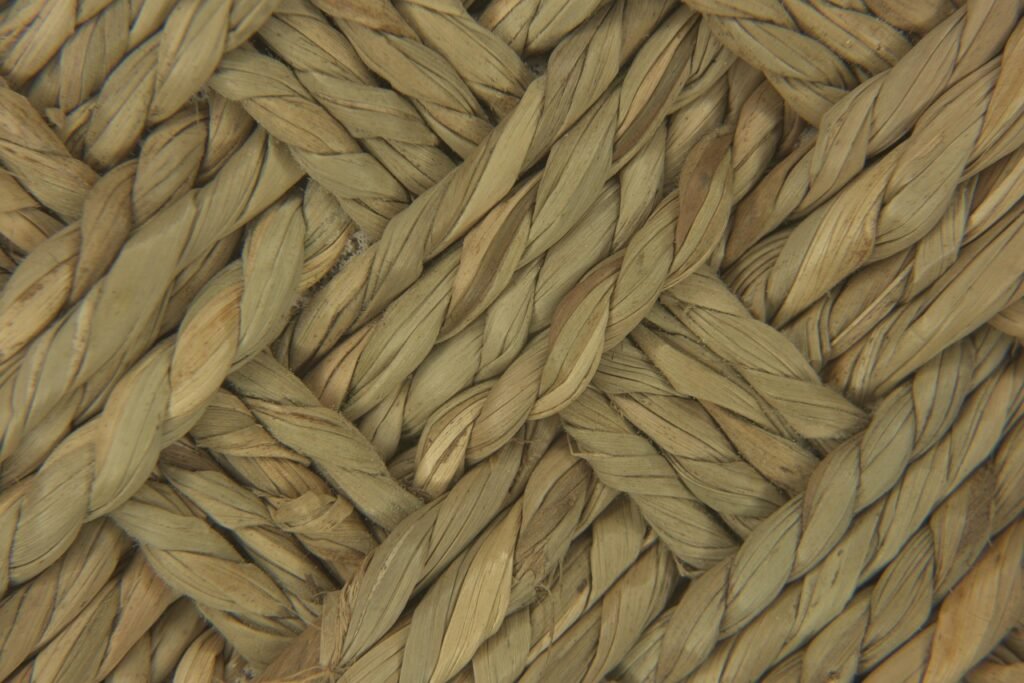
Some of the most commonly used fibers include:
- Willow – Often used in Europe for strong, flexible baskets.
- Reed – Found worldwide; it’s sturdy and easy to shape.
- Bamboo – Popular in Asia for fine, decorative baskets and functional containers.
- Rattan – Strong and durable, often used for furniture as well as baskets.
- Palm leaves – Common in tropical regions for flat, wide weavings.
- Grasses – Local grasses were often the first fibers used in ancient weaving.
Indigenous and local communities often use less common fibers as well, like yucca, raffia, sweetgrass, pine needles, and even birch roots. Each plant has its own unique texture, color, and strength, and artisans have learned over centuries which fibers work best for different basket types.
Fun Fact
In some Native American cultures, the type of plant fiber used in a basket can indicate the season, the intended purpose, or even the maker’s family lineage.
Plant fibers don’t just make baskets functional—they define their character. A willow basket might feel rigid but elegant, while a bamboo basket can appear delicate yet surprisingly strong. Understanding fibers is part of the artistry of basket weaving.
Traditional Basket Weaving Techniques
Basket weaving isn’t just about wrapping fibers together. Different techniques create unique patterns, shapes, and strengths. Knowing these methods helps you appreciate the craft on a deeper level.
Coiling is one of the oldest techniques. Artisans wrap fibers in a spiral pattern, sewing them together as they go. This method allows for rounded shapes and often creates beautiful decorative patterns.
Twining involves intertwining two or more fibers around vertical spokes. This technique gives baskets flexibility and durability. Many Indigenous tribes in North America perfected this method, using it for storage and ceremonial baskets alike.
Plaiting is another technique, typically done with flat fibers like palm leaves. By folding fibers over and under one another, basket makers can create flat mats or sturdy containers.
Wicker weaving relies on a rigid frame of spokes with flexible fibers woven around them. You’ll see this style in European baskets and many modern decorative baskets today.
These techniques have been passed down for generations. While some artisans stick strictly to traditional methods, others innovate, combining techniques to create new designs.
Basket Weaving Across Cultures
You’ll notice that basket weaving traditions are as diverse as the cultures that created them. Every region brings its own plants, styles, and cultural meanings to the craft.
Indigenous communities, for example, often view basketry as a connection to the land. The plants used aren’t just tools—they’re part of a larger cultural story. A basket can carry symbolism, represent clan identity, or tell a story through patterns.
In Africa, basketry combines function with artistry. Farmers use large baskets for harvests, while other designs showcase geometric patterns passed down for generations.
Asia’s bamboo and rattan baskets are renowned for intricate craftsmanship. From Japanese fine baskets to Indian market baskets, these creations highlight precision and attention to detail.
Europe, particularly in places like England and France, has a long tradition of willow basket weaving. These baskets were historically used for farming, fishing, and household chores, and they remain popular for decorative and practical uses today.
Understanding these cultural differences not only deepens your appreciation for baskets but also shows how humans everywhere have used the same basic materials to solve practical problems while expressing creativity.
The Role of Ethnobotany in Basket Weaving
Ethnobotany—the study of how humans use plants—plays a big role in basket weaving. Basket makers don’t just grab whatever is available; they understand which plants grow best in which environment, which fibers are strongest, and how to harvest without harming ecosystems.
Different plants also influence basket design. Some fibers are strong but stiff, creating a rigid structure. Others bend easily, perfect for round or decorative shapes. Local ecosystems often determine which plants are available, and artisans adapt their techniques accordingly. This deep knowledge ensures sustainability while preserving the integrity of traditional crafts.
Sustainability and the Modern Revival of Plant Fiber Basketry
In recent years, interest in eco-friendly baskets has grown. People want alternatives to plastic, and handmade, sustainable baskets offer both utility and style. They’re functional, beautiful, and often carry a story about the artisan and the plants used.
Supporting artisan basket makers is more than just buying a product—it’s a way to preserve cultural heritage. Many communities rely on traditional weaving for income, and maintaining these skills ensures that knowledge continues for future generations.
Modern interior design also embraces woven baskets. They’re used for storage, decoration, and even as planters or lighting fixtures. By choosing plant fiber baskets, you’re not only getting a durable product—you’re bringing a piece of human history and sustainable craftsmanship into your home.
Why Plant Fiber Basket Weaving Still Matters Today
Basket weaving is far more than a craft—it’s a living connection to the past and the natural world. By choosing plant fibers and traditional techniques, you honor centuries of human ingenuity. Baskets are proof that functional objects can also carry stories, culture, and beauty.
Even today, when mass-produced containers dominate, handmade baskets remind us of patience, sustainability, and the art of working closely with plants. They show that human creativity isn’t just about invention—it’s about listening to nature, learning from it, and shaping it thoughtfully.
The Bottom Line
From the earliest reeds and grasses to modern bamboo and rattan designs, basket weaving shows the brilliance of human creativity and our ongoing relationship with plants. Understanding the history, the materials, and the techniques gives us a deeper appreciation for every woven basket we see or use. By supporting traditional artisans and choosing sustainable plant fiber baskets, we honor both culture and nature, ensuring these ancient skills continue to thrive.
Take the time to explore local artisan markets, try your hand at weaving, or even bring a beautiful handmade basket into your home—you’ll be carrying a piece of history while supporting sustainable craftsmanship.