








This article is about exploring the Fabaceae family and how Fabaceae Family plants enrich soils and sustain ecosystems.
“Legumes are nature’s quiet architects—building soil, feeding the world, and sustaining life, one pod at a time.” — The Economic Botanist
You may already know the Fabaceae family through peas, beans, lentils, peanuts, soybeans, clover, alfalfa, acacia trees, or even ornamental sweet peas. What’s less obvious is just how vast—and essential—this plant family truly is.
Fabaceae, also known as the legume family, is one of the most important families of flowering plants on Earth. Its members feed billions of people, restore depleted soils, support wildlife, and form the backbone of both traditional agriculture and modern sustainable farming.
In this article, we’ll explore the Fabaceae family in a clear, approachable way while maintaining botanical depth. You’ll learn how to identify Fabaceae plants, understand their unique flowers and fruits, discover their ecological superpower—nitrogen fixation—and see why legumes are indispensable to global food systems and natural ecosystems.
Whether you’re a gardener, student, farmer, or simply curious about where your food comes from, this guide will give you a deeper appreciation for the remarkable Fabaceae family.
- Fabaceae Family Overview
- Characteristics of the Fabaceae Family
- Fabaceae Subfamilies
- Major Genera in the Fabaceae
- Common Fabaceae Species
- Economic and Ecological Importance
- Evolution and Phylogeny of Fabaceae
- Distribution and Habitat
- Uses and Applications of Fabaceae Plants
- Cultivation and Care Tips
- The Bottom Line
Fabaceae Family Overview
The Fabaceae (Leguminosae) family contains over 19,000–20,000 species across roughly 750–800 genera, making it the third-largest plant family in the world.
Well-known Fabaceae members include:
- Peas and beans
- Lentils and chickpeas
- Soybeans and peanuts
- Clover and alfalfa
- Acacia, mesquite, and mimosa trees
- Lupines and sweet peas
Fabaceae species occur on every continent except Antarctica and dominate many grasslands, forests, and agricultural systems.
Flowering bean plant with pods forming
What truly defines the Fabaceae family is not just its diversity—but its profound ecological and agricultural impact.
Characteristics of the Fabaceae Family
Distinctive Flower Structure
Fabaceae flowers are often papilionaceous (butterfly-shaped), especially in the pea subfamily. A typical flower includes:
- Banner (standard) – the large upper petal
- Wings – two side petals
- Keel – two fused lower petals enclosing reproductive organs
This structure is highly specialized for pollination by bees.
Leaves and Stems
Fabaceae leaves are commonly:
- Alternate
- Compound (pinnate or trifoliate)
- Sometimes modified into tendrils (peas)
Stipules (small leaf-like structures at the base of leaves) are often present.
The Legume Fruit
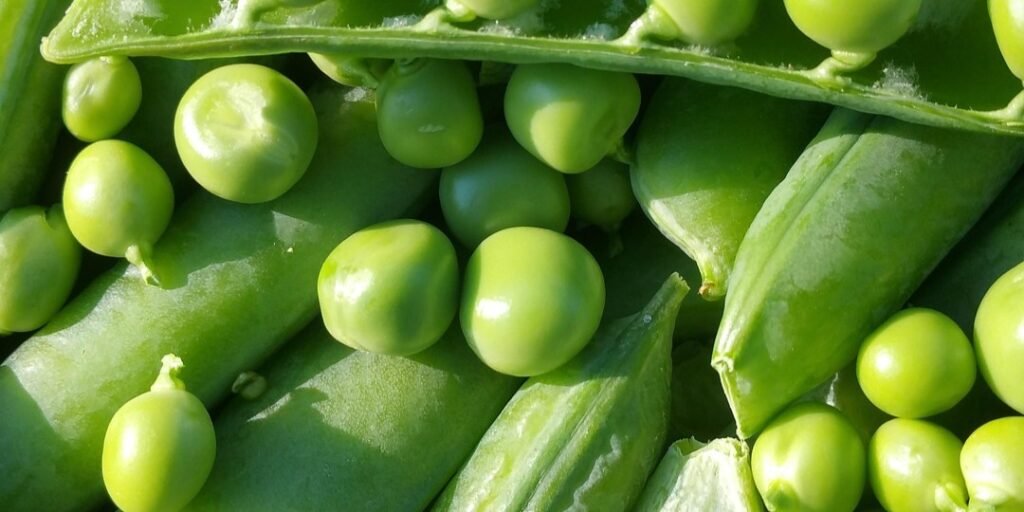
The family’s defining feature is the legume—a dry fruit that typically splits open along two seams.
Examples include:
- Pea pods
- Bean pods
- Lentils
- Peanuts (which mature underground)
Each pod usually contains multiple seeds.
Nitrogen Fixation: A Botanical Superpower
Most Fabaceae plants form symbiotic relationships with Rhizobium bacteria in root nodules. These bacteria:
- Convert atmospheric nitrogen into usable forms
- Enrich soil fertility
- Reduce the need for synthetic fertilizers
This makes legumes vital to sustainable agriculture and ecosystem health.
Fabaceae Subfamilies
Botanists traditionally divide Fabaceae into three major subfamilies.
Faboideae (Papilionoideae)
The largest subfamily, including:
- Peas (Pisum)
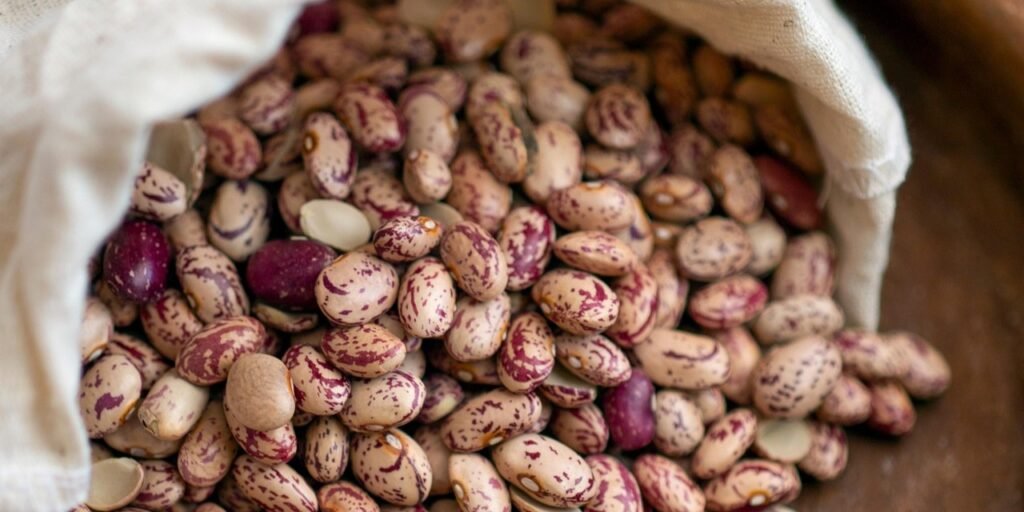
- Beans (Phaseolus)
- Soybeans (Glycine)
- Lupines (Lupinus)
Most food legumes belong here.
Caesalpinioideae
Includes trees and shrubs such as:
- Cassia
- Cercis (redbud)
- Delonix (royal poinciana)
Flowers are less symmetrical than peas but still showy.
Mimosoideae
Characterized by fluffy, brush-like flowers:
- Acacia
- Mimosa
- Albizia
Often dominant in tropical and arid landscapes.
Major Genera in the Fabaceae
Phaseolus (Beans)
Includes:
- Common beans
- Kidney beans
- Black beans
A cornerstone of global nutrition.
Glycine (Soybean)
Soybean is:
- One of the world’s most important protein crops
- Used for oil, tofu, animal feed, and industrial products
Arachis (Peanut)
Not a nut—but a legume that:
- Flowers above ground
- Develops fruits underground
Trifolium (Clover)
Key roles include:
- Forage crops
- Pollinator support
- Soil improvement
Acacia
Woody Fabaceae trees known for:
- Drought tolerance
- Nitrogen fixation
- Timber, gum, and tannin production
Common Fabaceae Species
Widely recognized species include:
- Pisum sativum (Garden pea)
- Phaseolus vulgaris (Common bean)
- Glycine max (Soybean)
- Arachis hypogaea (Peanut)
- Trifolium repens (White clover)
- Medicago sativa (Alfalfa)
- Lupinus polyphyllus (Lupine)
Economic and Ecological Importance
Agriculture and Food Security
Fabaceae crops provide:
- Plant-based protein
- Essential amino acids
- Affordable nutrition worldwide
They are fundamental to vegetarian and vegan diets.
Soil Health and Sustainable Farming
Legumes:
- Improve soil nitrogen levels
- Reduce erosion
- Are key to crop rotation systems
Ecology and Wildlife Support
Fabaceae plants:
- Feed pollinators
- Support grazing animals
- Stabilize degraded landscapes
Medicinal and Industrial Uses
Certain species are used for:
- Herbal medicine (licorice root)
- Natural dyes
- Gums, resins, and timber
Evolution and Phylogeny of Fabaceae
Fabaceae likely originated around 60 million years ago and rapidly diversified alongside pollinating insects.
Their success is linked to:
- Nitrogen-fixing symbiosis
- Diverse growth forms (herbs, vines, trees)
- Adaptability to poor soils
Modern genetic studies continue to refine Fabaceae classification.
Distribution and Habitat
Fabaceae species thrive in:
- Tropical rainforests
- Savannas and grasslands
- Temperate fields and gardens
- Deserts and dry woodlands
Few plant families match their global reach.
Uses and Applications of Fabaceae Plants
Culinary Uses
- Beans, lentils, peas
- Chickpeas and soy products
- Peanuts and peanut oil
Agricultural Uses
- Cover crops
- Forage (alfalfa, clover)
- Green manure
Ornamental and Landscaping Uses
- Sweet peas
- Lupines
- Redbuds and acacias
Cultivation and Care Tips
Growing Conditions
Most Fabaceae prefer:
- Full sun
- Well-drained soil
- Moderate watering
Propagation
Typically grown from:
- Seeds (very easy)
- Some trees from cuttings or grafting
Maintenance
- Avoid excess nitrogen fertilizer
- Rotate crops annually
- Allow seed pods to mature for saving seed
The Bottom Line
The Fabaceae plant family is foundational to life on Earth. From enriching soils and feeding billions to supporting wildlife and sustainable agriculture, legumes quietly power ecosystems and civilizations alike.
Understanding Fabaceae means understanding how plants, people, and the planet are deeply interconnected.
********************
Want to learn more about plant families, sustainable gardening, or the science behind everyday crops? Subscribe to our blog, explore our plant family guides, or share this article with fellow plant lovers and growers—because the more we understand plants, the better we can care for our world.