



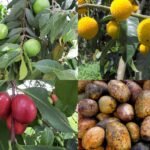

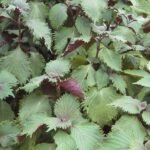
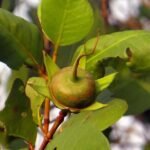
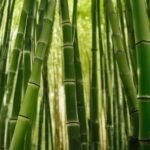
The article is about understanding how humans have interacted with plants throughout history and how this knowledge is still shaping our world today.
“Plants are not just food or medicine; they are stories written in green, connecting our past, our culture, and our future.” – The Economic Botanist
Ethnobotany might sound like a complicated word, but at its core, it’s simply about the relationship between people and plants. Every time you sip a cup of tea, use aloe on a burn, or even enjoy a bite of sweet potatoes, you’re experiencing the results of centuries of traditional plant knowledge. This knowledge isn’t just fascinating—it’s a critical bridge between science, culture, and sustainability.
If you’re a beginner wondering where to start, you’re in the right place. We’ll walk through the basics of ethnobotany, share real examples of how humans use plants, explain why this field is so important, and even give you tips to explore it on your own. By the end, you’ll see how this science isn’t locked in dusty textbooks—it’s alive in the food we eat, the medicine we take, and the cultures around us.
What is Ethnobotany?
Ethnobotany Definition
Simply put, ethnobotany is the study of how people interact with plants. It looks at how communities use plants for food, medicine, rituals, clothing, tools, and even decoration. But it doesn’t stop at just “what” plants are used for—it also explores the cultural and social contexts around those uses. For example, some plants are considered sacred in certain cultures, while others are integral to survival in harsh climates.
Ethnobotany is a unique mix of botany, anthropology, ecology, and even pharmacology. It’s science, yes, but it’s also storytelling—how plants shape our lives and how we, in turn, shape plants through cultivation and care.
The History of Ethnobotany
Humans have relied on plants for food, medicine, tools, and ritual since long before the rise of agriculture. As societies formed and knowledge accumulated, many early civilizations began recording their plant lore. Medicinal and practical uses of plants were preserved on clay tablets, papyri, and scrolls in cultures across Africa, Asia, the Middle East, and the Mediterranean.
The formal study of ethnobotany emerged in the late 19th and early 20th centuries, when botanists and anthropologists began systematically documenting how different cultures understand and use plants. These researchers often worked closely with Indigenous and local communities, recording generations of ecological knowledge about medicinal herbs, edible plants, and materials used in daily life.
Today, ethnobotany is a multidisciplinary field that blends fieldwork, laboratory analysis, history, and cultural studies. By studying traditional plant knowledge alongside modern scientific methods, ethnobotanists help reveal new medicines, promote biodiversity conservation, and highlight the deep connections between people, plants, and culture.
Fun Fact
The first recorded ethnobotanical study is often credited to the 16th-century Spanish physician Nicolás Monardes, who documented medicinal plants in the Americas.
Why Ethnobotany Matters
Preserving Indigenous Plant Knowledge
Ethnobotany helps preserve indigenous knowledge that might otherwise be lost. Communities around the world have spent centuries learning which plants can heal, nourish, or protect. Documenting this knowledge isn’t just academic—it’s vital for cultural preservation and ecological balance.
Traditional ecological knowledge, or TEK, isn’t written in books. It lives in daily practices, oral stories, and rituals. By respecting and learning from TEK, we also gain insights into sustainable living and biodiversity conservation.
Ethnobotany and Modern Medicine
Did you know that over half of modern medicines come from plants? Aspirin, for example, was originally derived from willow bark, and the cancer drug paclitaxel comes from the Pacific yew tree. Ethnobotany is key to discovering these medicines because it points scientists toward plants that people have been using for centuries.
By studying the ways humans have historically treated ailments, ethnobotanists often uncover new compounds that can lead to breakthrough therapies. In short, ethnobotany connects traditional wisdom to modern pharmacology.
Ethnobotany and Sustainability
Ethnobotany isn’t just about the past—it’s about creating a sustainable future. Communities that manage plants for food, medicine, or rituals often do so with an intimate understanding of ecological balance. Learning from these practices can guide modern agriculture, conservation efforts, and climate adaptation strategies.
Fun Fact
Many sustainable agricultural practices, like crop rotation and polyculture, originated from traditional knowledge studied by ethnobotanists.
5 Fascinating Ethnobotany Examples
1. Medicinal Plants
Across the globe, people have relied on plants for healing. For instance, turmeric in India has been used for centuries to treat inflammation, while willow bark was used in Europe to relieve pain. These plants aren’t just remedies—they reflect centuries of observation, trial, and cultural wisdom.
2. Plants Used for Food
Plants feed us in ways that go beyond the supermarket. Indigenous communities often cultivate wild plants like amaranth, quinoa, and yams. These crops not only provide nutrition but also resilience against harsh environmental conditions. Understanding these traditional food systems gives us clues about how to maintain food security in a changing world.
3. Plants for Rituals and Culture
Many cultures assign symbolic or spiritual significance to plants. Sage is burned for purification in Native American ceremonies. In Japan, cherry blossoms symbolize the fleeting nature of life. Ethnobotany explores these cultural connections, helping us understand the human side of plant use.
4. Plants for Shelter, Clothing, and Tools
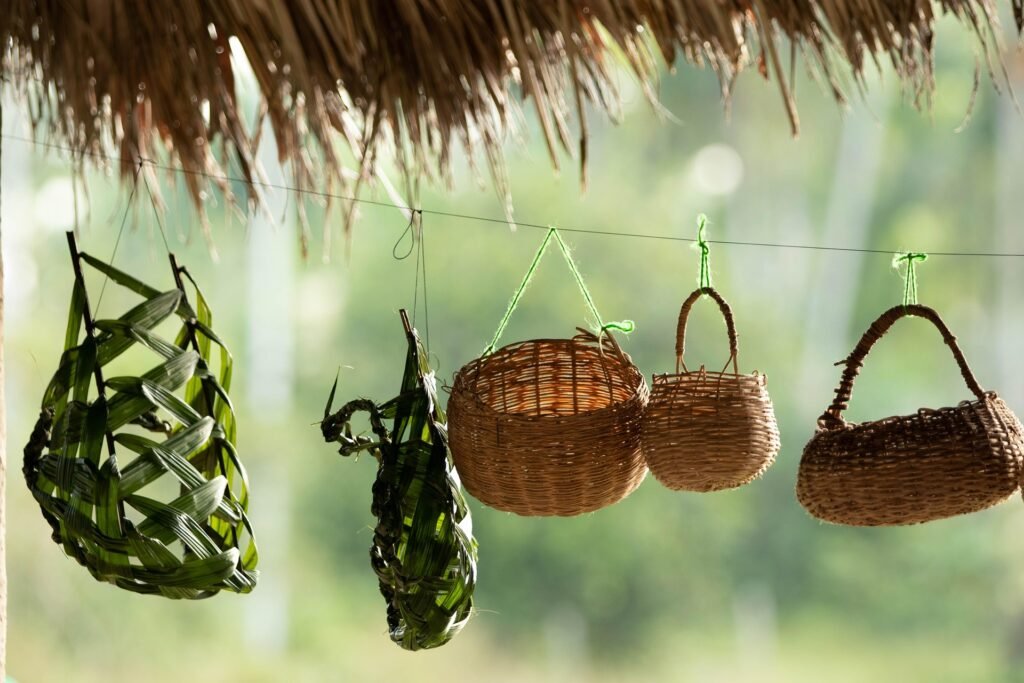
From weaving baskets with reeds to making clothing from plant fibers like flax or hemp, plants are essential to material culture. Even simple tools like wooden digging sticks or bamboo ladders reflect deep ethnobotanical knowledge passed down over generations.
5. Plants in Modern Applications
Ethnobotany isn’t stuck in the past. Modern industries use plant-derived compounds in cosmetics, perfumes, and food additives. By studying traditional uses, scientists and entrepreneurs innovate in ways that respect cultural origins while solving modern problems.
How Ethnobotany Research Works
Ethnobotany Fieldwork
Ethnobotanists spend time in communities, observing and recording how plants are used. This often involves interviews, participation in rituals, and careful note-taking. Building trust is key, because ethnobotany is as much about people as it is about plants.
Ethnobotany Research Methods
Besides fieldwork, ethnobotany relies on botany lab techniques, chemical analysis, and ecological surveys. Researchers identify plants scientifically, test their medicinal properties, and document their ecological roles. Combining these methods allows ethnobotanists to translate traditional knowledge into modern scientific understanding.
Modern Applications of Ethnobotany
Medicine and Drug Discovery
Many pharmaceutical discoveries start with ethnobotany. By studying traditional remedies, scientists can isolate active compounds for treatment of everything from infections to chronic diseases. Ethnobotany bridges the gap between folk medicine and lab-based medicine.
Conservation
Ethnobotany also supports conservation. Understanding which plants are culturally and ecologically important can guide conservation priorities. For example, protecting sacred groves not only preserves biodiversity but also safeguards cultural heritage.
Education and Research
Universities and research centers increasingly offer ethnobotany courses. Learning the science behind traditional plant knowledge equips students with tools for careers in medicine, conservation, agriculture, and anthropology.
How to Start Learning Ethnobotany
Study Local Plants
You don’t need to travel across the globe to start learning. Identify local plants in your backyard, parks, or community gardens. Notice how they grow, their uses, and any folklore associated with them.
Learn from Traditional Knowledge
Books, documentaries, and community workshops offer insights into traditional plant use. Always approach this knowledge respectfully—remember, it belongs to the communities that developed it.
Explore Courses and Resources
Online courses, university programs, and ethnobotany books provide structured learning. Start simple, then deepen your understanding by combining fieldwork, research, and cultural study.
The Future of Ethnobotany
As we face climate change, habitat loss, and cultural erosion, ethnobotany becomes increasingly important. Documenting traditional knowledge helps preserve biodiversity, informs sustainable practices, and inspires new solutions in medicine and agriculture.
Communities around the world continue to innovate with plants. By studying their methods, we can develop approaches to survive and thrive in an uncertain future. Ethnobotany reminds us that plants are not just resources—they are partners in life.
The Bottom Line
Ethnobotany connects us to our past, our culture, and our planet. From medicinal plants to crops, spiritual rituals to sustainable practices, plants shape our world in ways that are easy to overlook but impossible to ignore. By learning ethnobotany, you gain not just knowledge about plants, but insight into human creativity, resilience, and ingenuity.
If you’re curious about plants and their stories, start exploring your surroundings, talk to knowledgeable elders or local herbalists, and see how ethnobotany can change the way you view the world—one plant at a time.