

Scientific name: Echinacea purpurea (L.) Moench
Family: Asteraceae
Echinacea is one of those plants you’ve probably heard about long before you ever saw it growing in a garden. Often called “purple coneflower,” this hardy and beautiful herb has built a strong reputation as a natural remedy—especially when cold and flu season rolls around. But echinacea is much more than a trendy herbal supplement. It’s a deeply rooted plant in North American ecology, traditional medicine, and modern herbal practice.
If you’re interested in growing medicinal plants, building a home apothecary, or simply adding something striking to your garden, echinacea is a fantastic choice. It’s resilient, beginner-friendly, and offers both visual appeal and practical uses. In this Plant Compendium entry, you’ll learn everything you need to know—from its history and botany to how to grow it, harvest it, and use it in your kitchen and wellness routines.
History of Echinacea
Echinacea has a long and respected history, especially among Indigenous peoples of North America. Long before it became a popular herbal supplement, it was widely used by Plains tribes such as the Lakota, Cheyenne, and Kiowa. They relied on echinacea for a wide range of uses, including treating wounds, infections, toothaches, and snake bites.
The plant’s roots were especially valued. They were often chewed fresh or made into decoctions. In many cases, echinacea was considered a first-line remedy—a plant you would reach for when something went wrong.
By the late 1800s, echinacea began to catch the attention of American physicians, particularly those practicing eclectic medicine. It quickly became one of the most prescribed herbal remedies in the United States. However, its popularity declined in the early 20th century with the rise of synthetic pharmaceuticals.
In recent decades, echinacea has made a strong comeback. Today, it is one of the most widely used herbal supplements worldwide, especially for immune support.
Botanical Description
Echinacea is a perennial flowering plant belonging to the daisy family (Asteraceae). There are several species, but the most commonly used ones include Echinacea purpurea, Echinacea angustifolia, and Echinacea pallida.
Roots: Echinacea roots are thick, fibrous, and somewhat woody. They grow deep into the soil, which helps the plant survive drought conditions. The roots are the most potent part for medicinal use, containing a high concentration of active compounds.
Stems: The stems are upright, sturdy, and slightly rough to the touch. They can grow anywhere from 2 to 4 feet tall, depending on the species and growing conditions.
Leaves: The leaves are narrow to broad, depending on the species, and have a rough texture. They are usually dark green with visible veins and may have a slightly hairy surface.
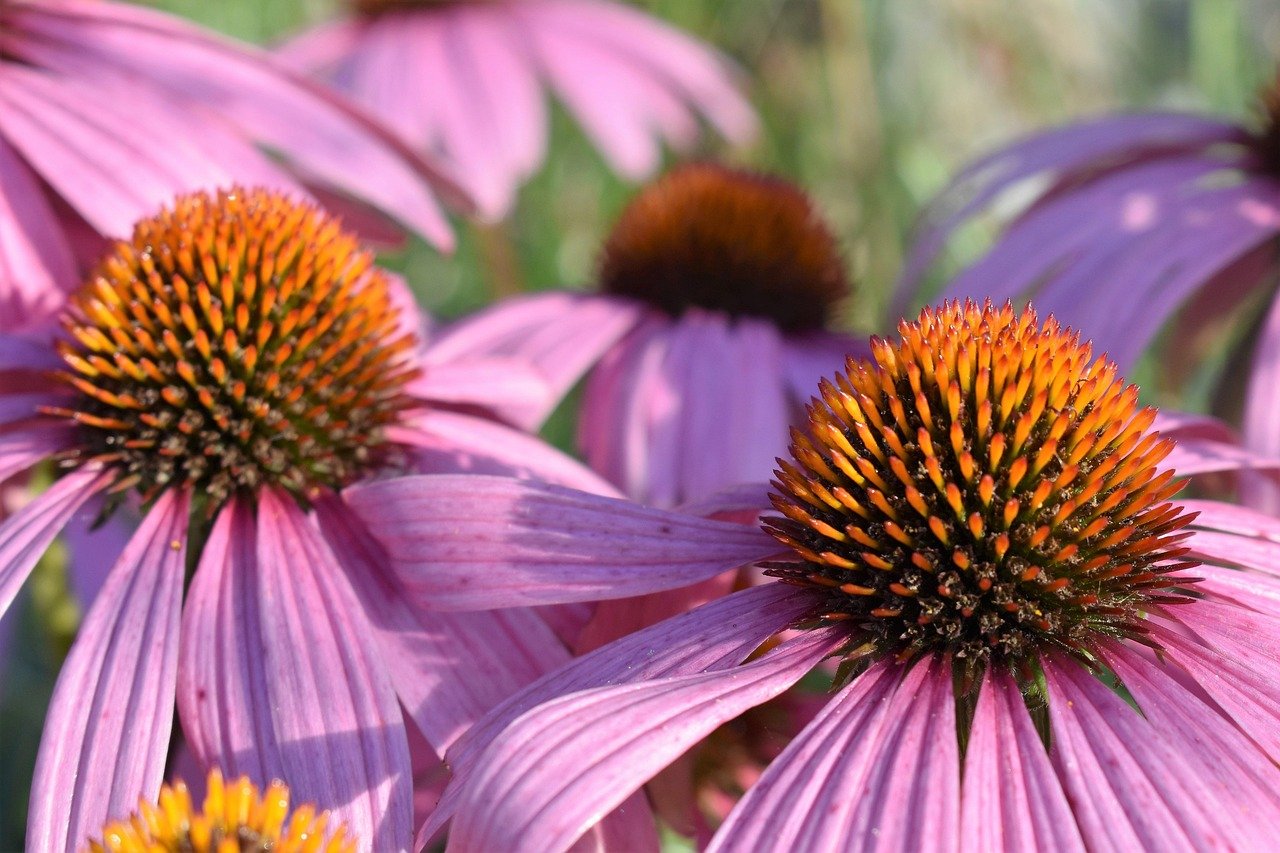
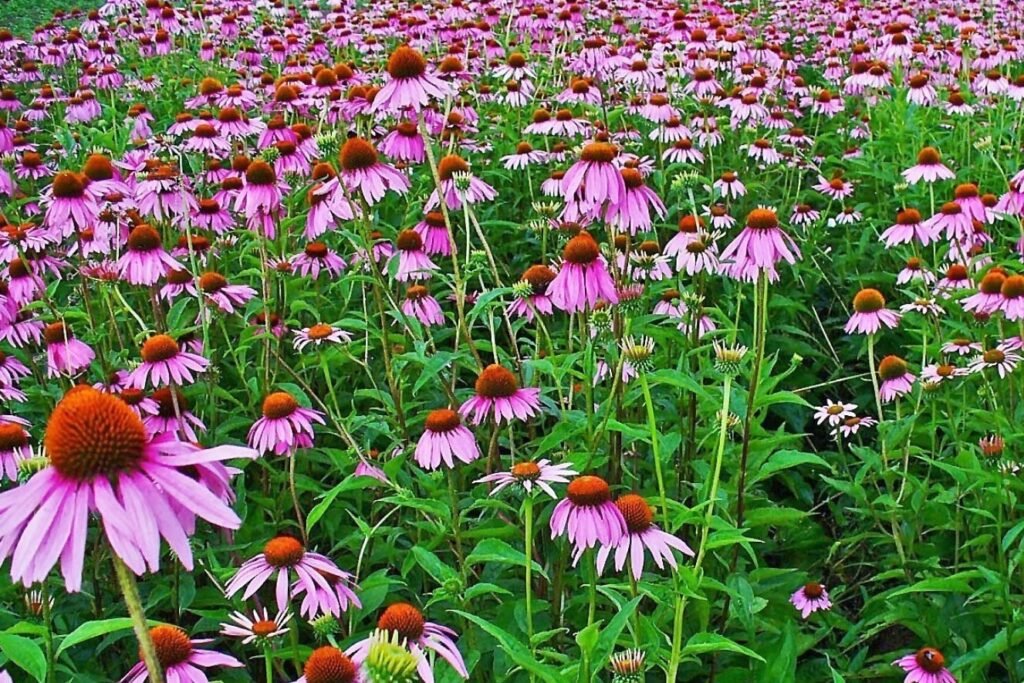
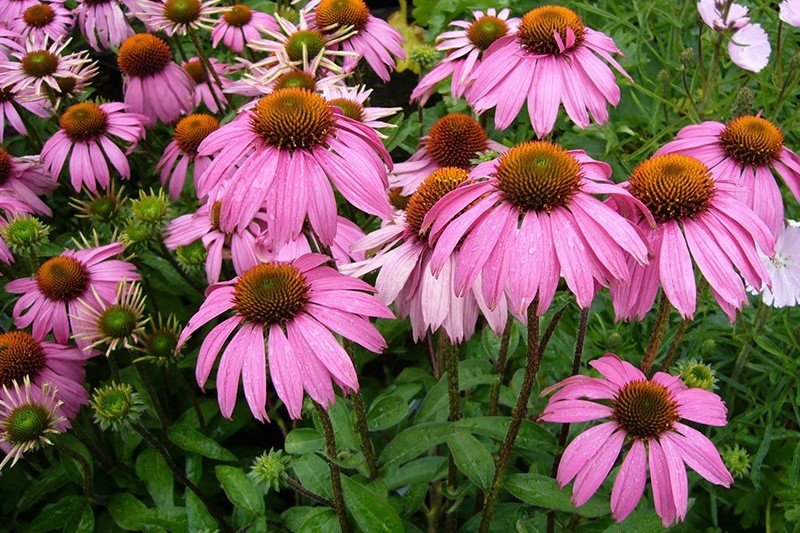
Flowers: The flowers are what most people recognize. They feature a prominent cone-shaped center, usually orange or brown, surrounded by drooping purple, pink, or sometimes white petals. These blooms are not only attractive but also rich in nectar, making them a favorite for pollinators.
Fruits: Echinacea produces small, dry fruits known as achenes. These are typical of plants in the daisy family and contain a single seed.
Seeds: The seeds are small, elongated, and relatively easy to collect. They can be used to propagate new plants, although germination can sometimes be slow.
Growing Instructions
Here’s everything you need to know to get echinacea off to a great start:
Sunlight: Echinacea loves full sun. Aim for at least 6 to 8 hours of direct sunlight each day. While it can tolerate partial shade, you’ll get stronger growth and more flowers in sunnier conditions.
Soil: This plant prefers well-draining soil. It’s not particularly picky about fertility, which makes it great for less-than-perfect garden spots. Sandy or loamy soil works best, but echinacea can adapt to clay if drainage is improved.
Temperature: Echinacea is very hardy. It thrives in a wide range of climates and can tolerate both heat and cold. In fact, many species require a cold period to trigger proper growth in spring.
Watering: Once established, echinacea is drought-tolerant. Water regularly during the first growing season to help the roots develop. After that, you can reduce watering and let the plant rely more on natural rainfall.
Spacing: Space plants about 12 to 18 inches apart. This allows for good air circulation, which helps prevent disease and supports healthy growth.
Pruning: Deadheading spent flowers can encourage more blooms, but it’s not strictly necessary. Leaving the seed heads in place can provide food for birds in the fall and winter.
Support: Echinacea generally does not require support. Its stems are strong enough to stand upright on their own.
Life Cycle: Echinacea follows a typical life cycle consisting of:
- Germination: Seeds may take 10 to 20 days to germinate, sometimes longer. Cold stratification can improve germination rates.
- Vegetative Growth: In the first year, the plant focuses on developing leaves and roots. Flowering may be limited during this stage.
- Flowering: From the second year onward, echinacea produces its signature flowers in mid to late summer.
- Fruit Set: After pollination, the flowers develop seeds within the cone.
- End of Season: The plant dies back in winter but returns in spring from its root system.
Harvesting and Foraging
Harvesting
You can harvest different parts of echinacea depending on how you plan to use it.
- Leaves: Harvest young leaves in spring or early summer.
- Flowers: Pick when fully open for teas and infusions.
- Roots: Harvest in the fall after the plant is at least 2 to 3 years old.
When harvesting roots, dig carefully to avoid damaging the plant if you want it to regrow.
Foraging
Echinacea is native to North America, but wild populations are less common than they once were. If you forage:
- Make sure you can properly identify the plant.
- Harvest sustainably—never take more than you need.
- Be aware of local regulations and conservation concerns.
Plant Companions
Echinacea pairs well with many garden plants. It thrives alongside:
- Black-eyed Susans
- Bee balm
- Yarrow
- Lavender
These companions share similar growing conditions and help attract beneficial insects like bees and butterflies.
Common Pests and Diseases
Echinacea is relatively resistant to pests and diseases, which is part of its appeal.
However, you may occasionally encounter:
- Aphids
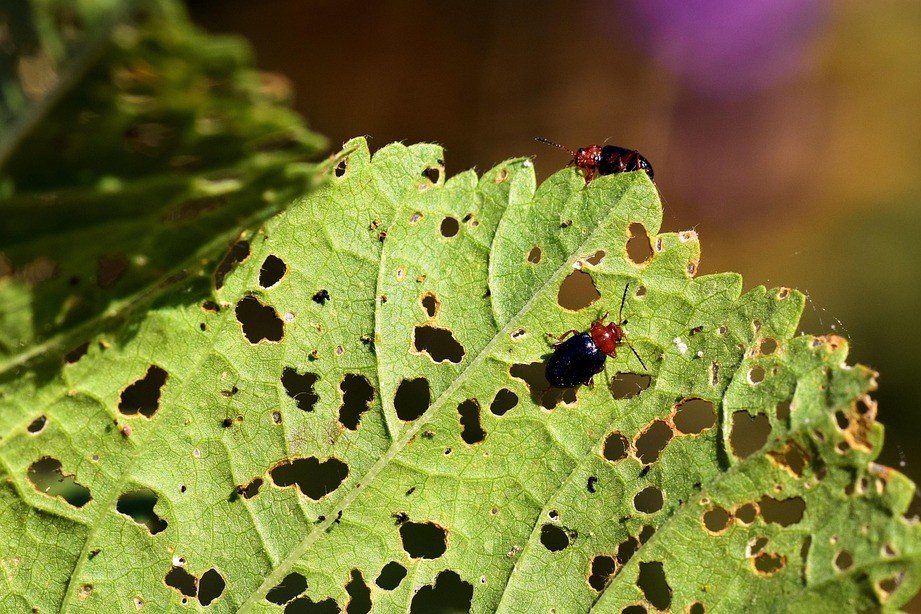
- Japanese beetles
- Powdery mildew
Good spacing, proper airflow, and healthy soil can prevent most issues. In many cases, problems are minor and don’t require intervention.
Shopping Tips
When buying echinacea, consider your goals.
- For medicinal use: Look for species like Echinacea purpurea or Echinacea angustifolia.
- For ornamental use: Choose varieties with vibrant flower colors and strong growth habits.
- Seeds vs. plants: Seeds are more affordable, but young plants offer a quicker start.
Always source from reputable nurseries or herbal suppliers.
Storage
Proper storage helps preserve echinacea’s potency.
- Dry leaves and flowers in a cool, dark place.
- Store dried material in airtight containers.
- Keep away from light and moisture.
Roots should be cleaned, chopped, and dried thoroughly before storage.
Culinary Uses
Echinacea isn’t a staple kitchen herb like basil or thyme, but it does have some interesting culinary applications—especially if you enjoy herbal teas and functional foods.
The most common way you’ll encounter echinacea in the kitchen is as a tea. Both the leaves and flowers can be steeped to create a mild, slightly earthy infusion. The flavor is not overpowering, which makes it easy to blend with other herbs like mint, lemon balm, or ginger.
If you’re feeling a bit more adventurous, you can experiment with:
- Herbal syrups: Combine echinacea with honey and citrus for a soothing syrup.
- Infused honey: Add dried echinacea to honey for a gentle herbal boost.
- Broths: Some people add small amounts of echinacea root to broths for added depth.
Fresh roots have a tingling, almost numbing sensation when chewed. This is a unique characteristic, but it’s not for everyone.
In general, echinacea works best as a supporting ingredient rather than the main flavor. Think of it as a functional addition—something that enhances both taste and wellness.
Health Benefits
Echinacea is best known for its role in supporting the immune system. While it’s not a cure-all, there is solid research suggesting it can help reduce the duration and severity of colds when used appropriately.
Key potential benefits include:
- Immune support: Helps stimulate the body’s natural defenses.
- Anti-inflammatory properties: May reduce inflammation in the body.
- Antioxidant activity: Contains compounds that help protect cells from damage.
- Wound healing: Traditionally used for cuts, burns, and infections.
The active compounds in echinacea include alkylamides, polysaccharides, and caffeic acid derivatives. These work together to support immune function and overall health.
Toxicity and Safety
Echinacea is generally considered safe for most people when used appropriately.
However, there are a few considerations:
- Allergies: People allergic to plants in the daisy family may react to echinacea.
- Autoimmune conditions: It may stimulate the immune system, which could be a concern.
- Pregnancy and breastfeeding: Consult a healthcare provider before use.
Side effects are rare but can include mild digestive upset or skin reactions.
Environmental Impact
Echinacea is a great plant for supporting biodiversity.
Its flowers attract:
- Bees
- Butterflies
- Other pollinators
By planting echinacea in your garden, you’re helping create a more pollinator-friendly environment.
However, wild populations of certain species have declined due to overharvesting and habitat loss. Cultivating your own plants is a more sustainable option.
Echinacea also requires relatively few inputs once established, making it an environmentally friendly choice for gardeners.
Overall, it’s a plant that gives back—both to you and to the ecosystem around you.