






Scientific name: Cuminum cyminum L.
Family: Apiaceae
If you’ve ever cooked a curry, chili, or spiced rice dish, chances are you’ve used cumin—whether you realized it or not. This humble spice has a warm, earthy flavor that instantly adds depth to food. But cumin isn’t just a pantry staple. It’s also a fascinating plant with a long history, unique biology, and surprising health benefits.
In this Plant Compendium entry, you’ll get to know cumin from root to seed. We’ll explore how it grows, how you can cultivate it yourself, and why it has been valued across cultures for thousands of years. Whether you’re a gardener, a cook, or just curious, this guide will help you understand cumin in a whole new way.
History of Cumin
Cumin has been part of human history for a very long time—over 4,000 years. It is believed to have originated in the eastern Mediterranean and parts of South Asia. Ancient civilizations like the Egyptians, Greeks, and Romans all used cumin, not only in cooking but also in medicine and even rituals.
In ancient Egypt, cumin seeds were found in tombs, suggesting they were used in burial practices. The Greeks kept cumin at the dining table much like we keep salt and pepper today. The Romans used it both as a spice and as a symbol of frugality.
As trade routes expanded, cumin spread across the world. It became a key ingredient in Indian, Middle Eastern, North African, and Latin American cuisines. Today, it remains one of the most widely used spices globally, valued for its bold flavor and versatility.
Botanical Description
Roots: Cumin plants have a slender taproot system. The main root grows straight down into the soil, helping the plant access deeper moisture. While not particularly large or complex, the root system is efficient and well-suited to dry climates where cumin often thrives.
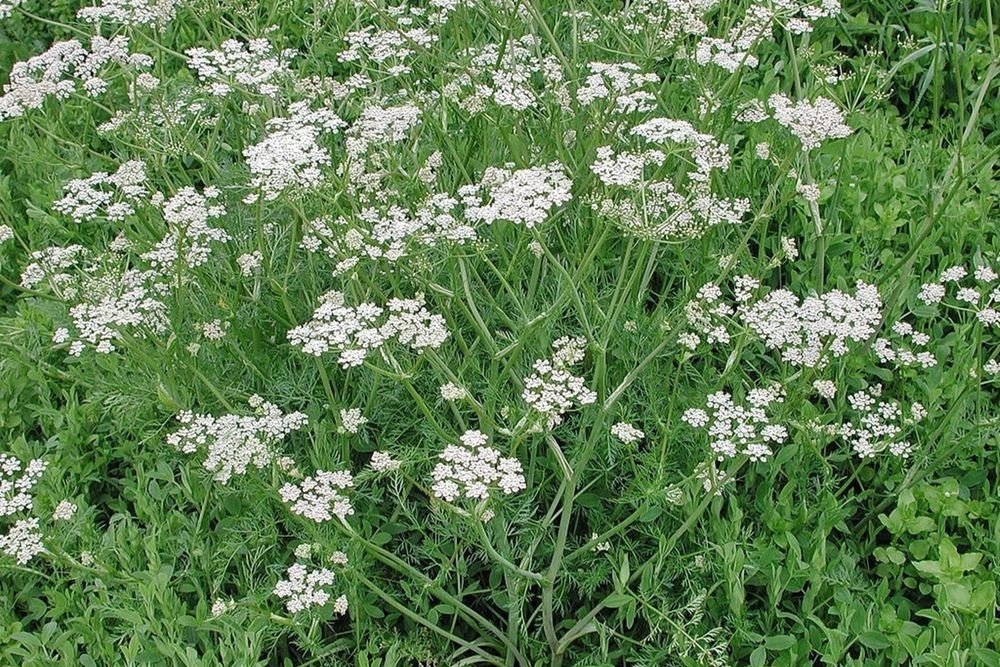
Stems: The stems of the cumin plant are thin, branched, and slightly angular. They typically grow to about 20 to 50 cm (8 to 20 inches) tall. The plant has a delicate appearance, with multiple stems branching out to support leaves and flowers.
Leaves: Cumin leaves are fine and feathery, almost resembling dill or fennel. They are divided into narrow, thread-like segments, giving the plant a soft, airy look. The leaves are usually bright green and grow alternately along the stems.
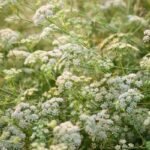
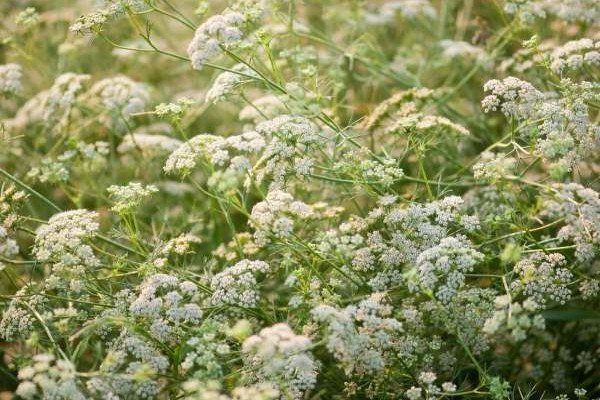
Flowers: Cumin produces small, white or pale pink flowers arranged in umbrella-shaped clusters called umbels. These flowers are typical of the Apiaceae family, which also includes carrots and parsley. Each cluster contains many tiny flowers that eventually develop into seeds.
Fruits: Technically, cumin produces fruits rather than seeds. These small, elongated fruits are dry and split into two parts when mature. However, in everyday language, we refer to them as cumin seeds.
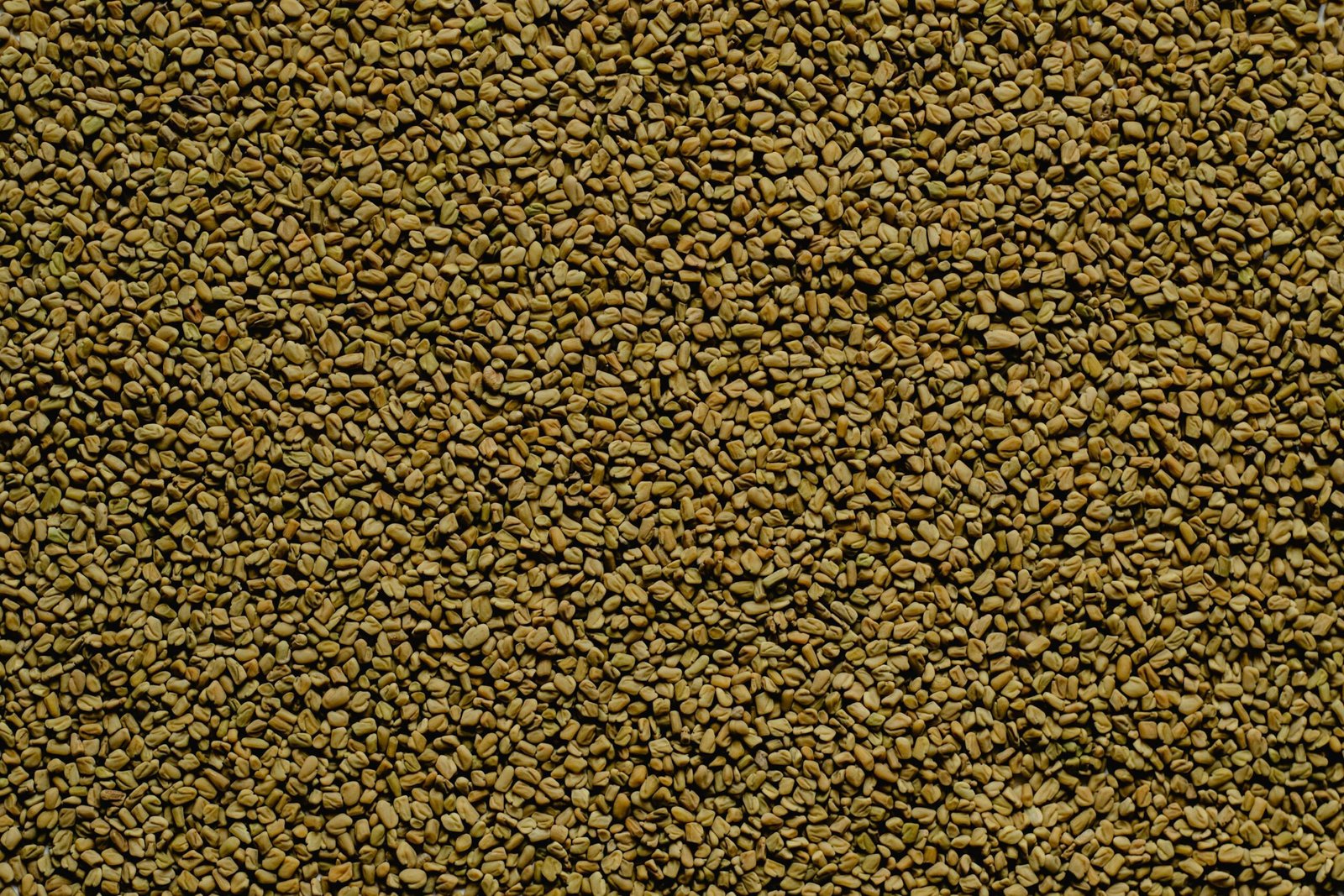
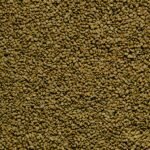
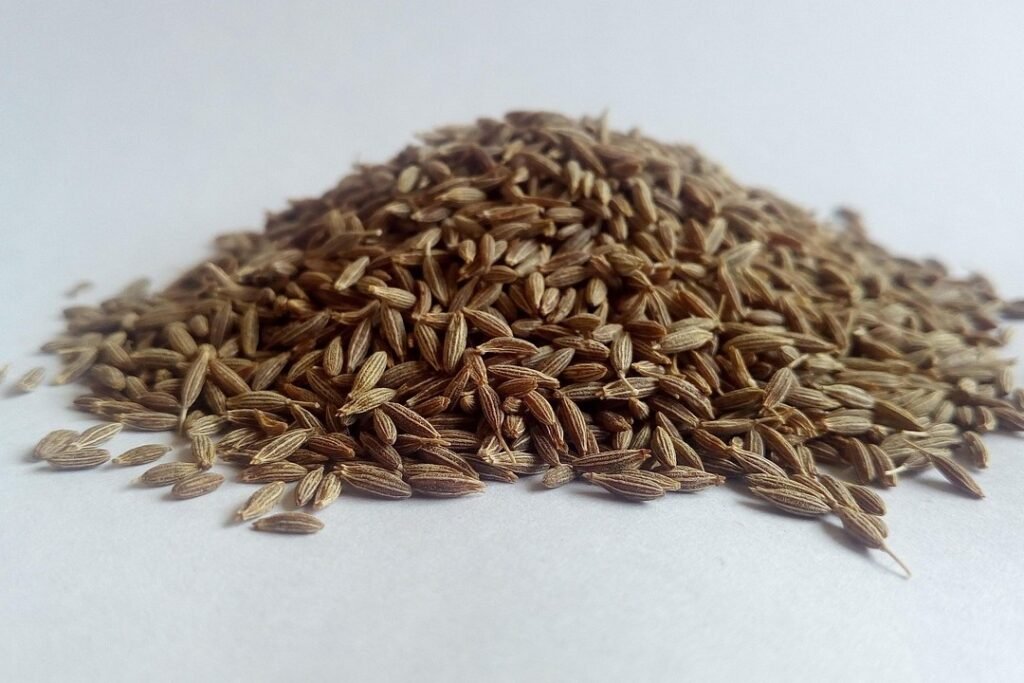
Seeds: Cumin seeds are narrow, ridged, and slightly curved. They are yellow-brown in color and have a strong, warm aroma. These seeds are the most valuable part of the plant, widely used as a spice in whole or ground form.
Growing Instructions
Here’s everything you need to know to get cumin off to a great start:
Sunlight: Cumin loves full sun. You’ll want to plant it in a spot where it gets at least 6 to 8 hours of direct sunlight each day. Without enough light, the plant may become weak and produce fewer seeds.
Soil: Well-drained soil is key. Cumin prefers sandy or loamy soil with good drainage. Heavy, waterlogged soil can lead to root rot. A slightly acidic to neutral pH (around 6.0 to 7.5) works best.
Temperature: Cumin thrives in warm climates. It needs a long, hot growing season of about 3 to 4 months. Ideal temperatures range between 25°C and 30°C (77°F to 86°F). It does not tolerate frost, so plant it after the last frost date in your area.
Watering: Cumin is somewhat drought-tolerant once established, but it still needs consistent moisture during germination and early growth. Water lightly but regularly, allowing the soil to dry slightly between waterings. Overwatering can harm the plant.
Spacing: Plant seeds about 1 to 2 cm deep and space them roughly 15 to 20 cm apart. This gives each plant enough room to grow and ensures good air circulation, which helps prevent disease.
Pruning: Cumin does not require much pruning. However, removing dead or damaged parts can help keep the plant healthy. Once flowering begins, it’s best to let the plant grow naturally so it can produce seeds.
Support: Most cumin plants do not need support, but in windy areas, their thin stems may benefit from light staking or protection.
Life Cycle: Cumin follows a typical life cycle consisting of several stages:
• Germination: Seeds usually sprout within 7 to 14 days under warm conditions.
• Vegetative Growth: The plant develops stems and leaves over several weeks.
• Flowering: Small umbels of flowers appear, attracting pollinators.
• Fruit Set: Flowers turn into seed-bearing fruits.
• End of Season: The plant dries out as seeds mature and are ready for harvest.
Harvesting and Foraging
Harvesting
Cumin seeds are ready to harvest when the plant begins to dry and turn brown. At this stage, the seeds will have developed their full flavor.
To harvest:
- Cut the entire plant early in the morning to avoid seed loss.
- Tie the stems into bundles and hang them upside down in a dry, well-ventilated area.
- Place a paper bag underneath to catch falling seeds.
- Once fully dry, gently rub the seed heads to release the seeds.
Foraging
Cumin is not commonly found growing wild in many regions, especially in North America. However, in its native areas, it may be found in dry, open fields. If you do forage, be absolutely certain of identification, as some plants in the same family can be toxic.
Plant Companions
Cumin can benefit from being planted alongside certain crops. Good companions include:
- Cilantro (coriander)
- Parsley
- Carrots
- Spinach
These plants share similar growing conditions and can help create a balanced garden environment. Avoid planting cumin near fennel, as fennel can inhibit the growth of nearby plants.
Common Pests and Diseases
Cumin is relatively hardy, but it can still face a few challenges:
Common pests:
- Aphids
- Spider mites
- Cutworms
Common diseases:
- Powdery mildew
- Fusarium wilt
- Blight
To manage these issues:
- Ensure good air circulation
- Avoid overwatering
- Use organic pest control methods when needed
Keeping your plants healthy and stress-free is the best defense.
Shopping Tips
When buying cumin, you’ll usually find it in two forms: whole seeds and ground powder.
- Whole seeds: These retain flavor longer and can be toasted for extra aroma.
- Ground cumin: Convenient but loses potency faster.
Look for cumin with a strong, warm scent. If it smells dull or weak, it’s likely old. Organic options are also widely available and can be a good choice if you’re concerned about pesticide exposure.
Storage
Proper storage is key to preserving cumin’s flavor.
- Store seeds or powder in an airtight container
- Keep it in a cool, dark place away from sunlight
- Avoid moisture, which can cause clumping and spoilage
Whole seeds can last up to a year or more, while ground cumin is best used within 6 months for peak flavor.
Culinary Uses
Cumin is one of those spices that can completely transform a dish. Its flavor is warm, earthy, slightly nutty, and just a bit peppery. When you use cumin, you’re adding depth and richness that can’t easily be replaced. It’s the kind of ingredient that quietly works in the background—but if you remove it, something feels missing.
In cooking, you can use cumin in several ways:
Whole seeds:
- Toast them in a dry pan to release their oils
- Add to rice, lentils, or soups
- Use in spice blends like garam masala
- Bloom them in hot oil at the start of cooking (a common technique in Indian cuisine)
Ground cumin:
- Stir into curries, stews, and sauces
- Season meats, beans, and roasted vegetables
- Mix into marinades and dressings
- Sprinkle into dips, spreads, or even scrambled eggs for a flavor boost
Cumin is essential in many global cuisines, and once you notice it, you’ll start seeing it everywhere:
Indian cooking:
Used in curries, dals, and spice blends. Often combined with coriander and turmeric to form the base of many dishes.
Middle Eastern dishes:
Found in hummus, falafel, and kebabs. It gives these foods their signature warm and savory depth.
Mexican cuisine:
Adds richness to chili, tacos, enchiladas, and beans. It’s a key player in many classic spice mixes.
North African recipes:
A staple in tagines and spice blends like ras el hanout, contributing to those complex, layered flavors.
But beyond these well-known uses, cumin is surprisingly versatile. You can experiment with it in ways you might not expect:
- Add a pinch to roasted carrots or sweet potatoes to balance their sweetness
- Mix into yogurt sauces or dips for a savory twist
- Use it in spice rubs for grilled meats or tofu
- Stir into soups for a deeper, more rounded flavor
- Even try a tiny pinch in certain baked goods for a subtle warmth
One of the most powerful techniques you can use is toasting cumin. When you heat the seeds briefly in a dry pan, their natural oils are released, and the aroma becomes much stronger. You’ll notice the scent almost immediately—it turns richer, nuttier, and more complex. After toasting, you can use the seeds as-is or grind them for an even more intense flavor.
Another important technique is blooming cumin. This means cooking it briefly in oil at the beginning of a recipe. Fat helps carry flavor, so blooming cumin in oil allows it to infuse the entire dish more evenly. It’s a simple step, but it can make your cooking taste more professional.
Cumin also pairs beautifully with other spices like coriander, turmeric, paprika, cinnamon, and chili powders. Together, they create complex flavor profiles that feel warm, balanced, and satisfying. If you think of spices as a team, cumin is often the one holding everything together.
When using cumin, it’s helpful to remember that a little goes a long way. Too much can overpower a dish and make it taste slightly bitter. Start small, taste as you go, and build up gradually until you hit that perfect balance.
If you enjoy experimenting in the kitchen, cumin is a great spice to play with. It works across so many types of dishes—from hearty stews to light vegetable sides—and helps you build confidence with flavor. Once you get comfortable using it, you’ll start to reach for it without even thinking—and your cooking will be all the better for it.
Health Benefits
Cumin isn’t just flavorful—it also offers a range of health benefits that have been recognized in traditional medicine for centuries.
Here are some of the key ways cumin can support your health:
1. Aids digestion
Cumin is well known for helping with digestion. It can stimulate the production of digestive enzymes, making it easier for your body to break down food. If you’ve ever had a heavy meal, adding cumin can help reduce bloating and discomfort.
2. Rich in antioxidants
Cumin contains compounds that help fight oxidative stress in the body. Antioxidants play an important role in protecting your cells from damage.
3. Supports immune function
Cumin provides small amounts of vitamins and minerals like iron and vitamin C, which are important for a healthy immune system.
4. May help regulate blood sugar
Some studies suggest that cumin may help improve blood sugar control, making it potentially helpful for people managing diabetes.
5. Anti-inflammatory properties
Cumin contains natural compounds that may help reduce inflammation in the body. This can be beneficial for overall health.
6. Source of iron
Cumin seeds are surprisingly rich in iron, which is essential for oxygen transport in the blood.
While cumin is not a cure-all, it can be a valuable addition to a balanced diet. Think of it as one small but powerful tool in your overall approach to health.
Toxicity and Safety
Cumin is generally safe when used in normal culinary amounts. Most people can enjoy it without any issues.
However, there are a few things to keep in mind:
- Large amounts may cause digestive upset in some individuals
- Allergic reactions are rare but possible
- Pregnant individuals should avoid excessive medicinal doses
Also, always be careful when identifying plants in the wild. Some members of the same plant family can be toxic and look similar to cumin.
Environmental Impact
Cumin is considered a relatively sustainable crop, especially when grown in suitable climates.
Here’s why:
- It requires less water compared to many other crops
- It grows well in dry, warm regions
- It can be cultivated without heavy chemical inputs
However, like any agricultural product, its environmental impact depends on how it is grown and transported. Choosing sustainably sourced or locally grown cumin when possible can help reduce your environmental footprint.
Cumin also plays a role in supporting biodiversity. Its flowers attract pollinators like bees and beneficial insects, which are important for healthy ecosystems.