



Scientific name: Elettaria cardamomum (L.) Maton
Family: Zingiberaceae
If you’ve ever opened a little green pod and smelled something warm, citrusy, sweet, and almost floral all at once, you already know the magic of cardamom. Often misspelled as cardamon, cardamom is one of the world’s oldest and most treasured spices, prized for both its flavor and its health benefits.
Cardamom has been used for thousands of years in cooking, traditional medicine, and even religious rituals. Today, you’ll find it everywhere from Indian curries and Scandinavian pastries to herbal teas and natural remedies. It’s sometimes called the “Queen of Spices,” and once you get to know it, that title makes a lot of sense.
This Plant Compendium entry walks you through everything you need to know about cardamom—from where it comes from and how it grows, to how you can cook with it and what it may do for your health. Think of this as a friendly, science-backed guide that helps you really understand the plant behind the spice sitting in your pantry.
History of Cardamom
Cardamom has a long and fascinating history that stretches back more than 4,000 years. Native to the lush, tropical forests of southern India, cardamom was first used by ancient civilizations for both culinary and medicinal purposes.
In ancient India, cardamom played a major role in Ayurvedic medicine, where it was valued for aiding digestion, freshening breath, and balancing the body’s systems. It wasn’t just medicine, though—it was also a luxury spice used to flavor sweets, rice dishes, and spiced drinks.
From India, cardamom traveled along early trade routes to the Middle East, North Africa, and Europe. Ancient Egyptians used it for oral health and even included it in embalming rituals. The Greeks and Romans imported cardamom as a high-end spice, often using it in perfumes, wines, and medicinal preparations.
During the Middle Ages, cardamom became a status symbol in Europe. Only the wealthy could afford it, and it was sometimes used as currency. Later, Scandinavian countries adopted cardamom into their baking traditions, which is why it’s still a key ingredient in Nordic breads and pastries today.
Even now, cardamom remains one of the most expensive spices in the world, second only to saffron and vanilla. Its price reflects the labor-intensive growing and harvesting process—and the incredible depth of flavor packed into each tiny pod.
Botanical Description
Cardamom is a tropical, perennial plant belonging to the ginger family (Zingiberaceae). While the spice itself comes from the seeds, the plant is large, leafy, and visually striking.
Roots: Cardamom grows from thick underground rhizomes, similar to ginger. These rhizomes spread horizontally and store energy for the plant. They also allow cardamom to regrow year after year in the right climate.
Stems: What look like stems are actually pseudostems, formed by tightly wrapped leaf bases. These upright structures can grow 6 to 10 feet tall, giving cardamom a lush, almost jungle-like appearance.
Leaves: The leaves are long, narrow, and deep green, often reaching up to 2 feet in length. They have a smooth surface and a pointed tip. When crushed, the leaves release a mild aromatic scent.
Flowers: Cardamom flowers grow on separate, low-lying stalks near the base of the plant. They are delicate and pale green to white, often marked with purple or yellow streaks. These flowers are pollinated by insects.
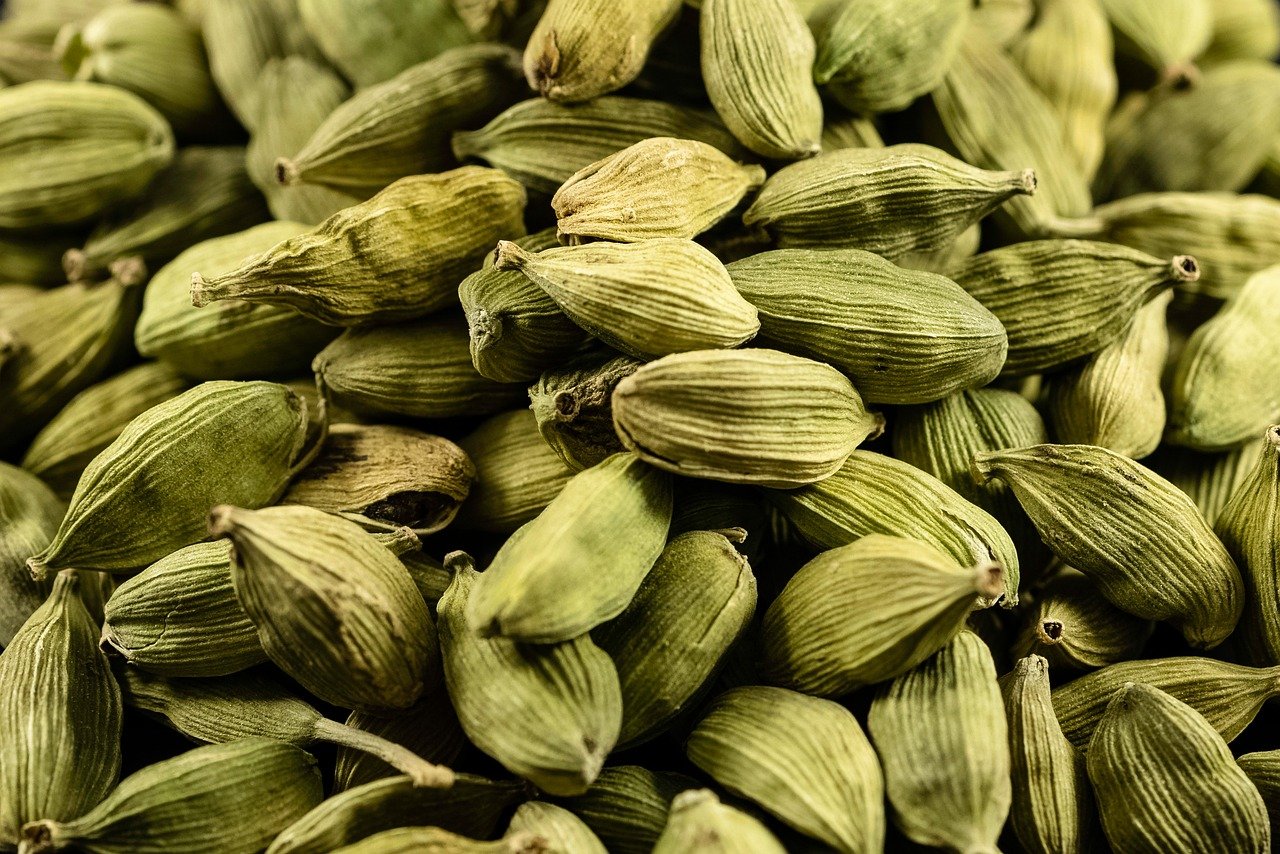
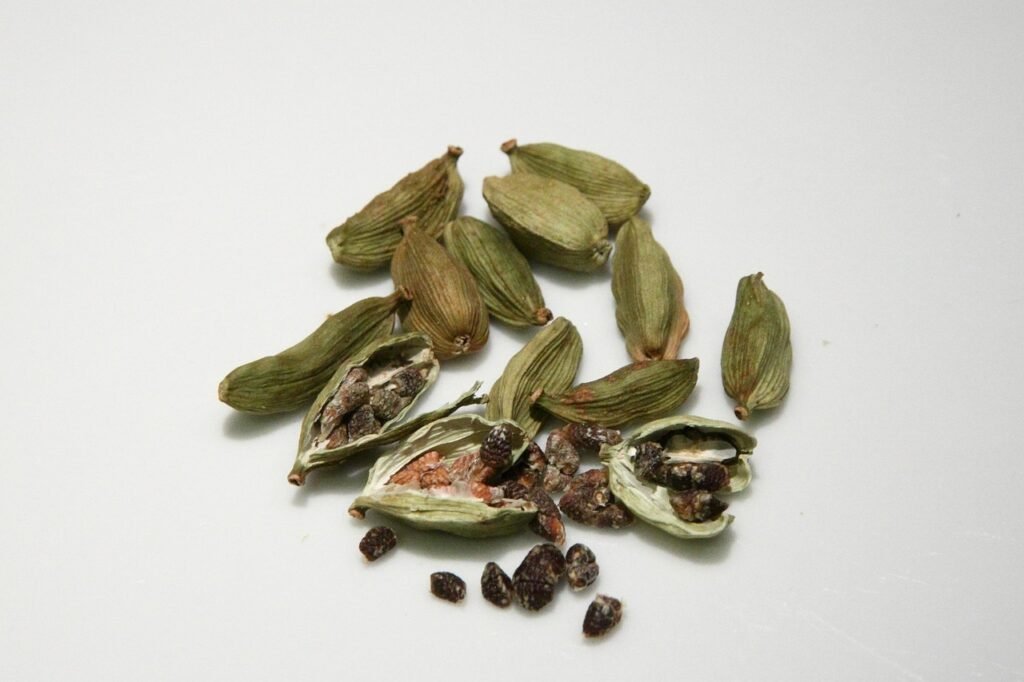
Fruits: After pollination, the flowers develop into small, three-sided pods. These pods are harvested before they fully ripen to preserve their flavor and aroma.
Seeds: Inside each pod are tiny, dark brown or black seeds. These seeds contain the essential oils responsible for cardamom’s signature taste and smell. The seeds are the part most commonly used in cooking and medicine.
Growing Instructions
Here’s everything you need to know to get cardamom off to a great start:
Sunlight: Cardamom prefers partial shade. In its natural habitat, it grows under the canopy of taller trees. Too much direct sun can stress the plant and scorch the leaves.
Soil: Rich, loamy soil with excellent drainage is ideal. Cardamom likes soil that is slightly acidic and high in organic matter, similar to forest soil.
Temperature: This is a true tropical plant. Cardamom thrives in temperatures between 65°F and 95°F (18°C–35°C) and does not tolerate frost.
Watering: Consistent moisture is key. The soil should stay evenly moist but never waterlogged. High humidity also helps the plant thrive.
Spacing: Plants should be spaced about 6 to 10 feet apart to allow for their large size and spreading rhizomes.
Pruning: Remove dead or damaged stems to improve airflow and encourage healthy growth. Pruning also helps direct energy toward flower and pod production.
Support: Cardamom generally does not need staking, but in very windy areas, light support can help prevent stems from bending or breaking.
Life Cycle: Cardamom follows a typical life cycle consisting of:
• Germination: Seeds germinate slowly, often taking several weeks.
• Vegetative Growth: The plant focuses on leaf and stem growth for the first few years.
• Flowering: Flowering usually begins 2–3 years after planting.
• Fruit Set: Pods develop after successful pollination.
• End of Season: In cooler or drier seasons, growth slows, but the plant remains alive underground.
Harvesting and Foraging
Harvesting
Cardamom pods are harvested by hand, which is one reason the spice is so valuable. Pods are picked just before they fully ripen, when they are still green and aromatic. Harvesting at this stage preserves essential oils and prevents splitting.
After harvesting, pods are carefully dried, either in the sun or using controlled heat. Proper drying locks in flavor and prevents mold.
Foraging
Wild foraging for cardamom is rare and not recommended unless you are in its native habitat and can confidently identify the plant. Sustainable cultivation is preferred, as wild populations can be sensitive to overharvesting.
Plant Companions
In tropical gardens, cardamom grows well alongside:
- Banana plants
- Ginger and turmeric
- Coffee plants
- Shade-providing trees
These companions help create the humid, shaded environment cardamom loves while improving soil health and biodiversity.
Common Pests and Diseases
Cardamom is relatively hardy but can be affected by:
- Aphids and thrips, which damage leaves and flowers
- Rhizome rot, often caused by poor drainage
- Fungal leaf spots in overly wet conditions
Good airflow, proper spacing, and healthy soil go a long way in preventing problems.
Shopping Tips
When buying cardamom, quality matters. Look for:
- Whole green pods rather than pre-ground cardamom
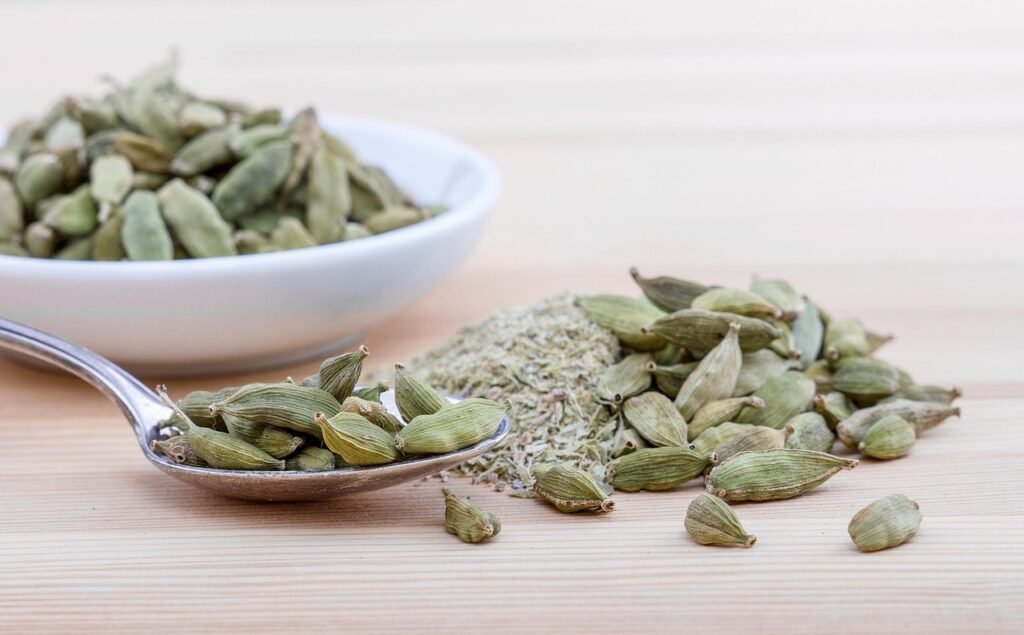
- Pods that are plump, bright green, and tightly closed
- A strong aroma when lightly crushed
Whole pods retain flavor much longer and give you more control in the kitchen.
Storage
Store cardamom in an airtight container, away from heat, light, and moisture. Whole pods can stay fresh for up to a year or more, while ground cardamom loses potency within a few months.
For best flavor, grind seeds just before use.
Culinary Uses
This is where cardamom really shines—and where your kitchen can get a serious upgrade.
Cardamom has a complex flavor profile that’s hard to pin down. It’s sweet, spicy, citrusy, herbal, and slightly minty all at once. That makes it incredibly versatile.
Sweet Dishes
Cardamom is a star in desserts, especially in:
- Scandinavian pastries like cardamom buns
- Indian sweets such as kheer and gulab jamun
- Cakes, cookies, and rice pudding
- Chai tea and spiced hot chocolate
A little goes a long way. Even a pinch can transform a dessert from ordinary to unforgettable.
Savory Cooking
In savory dishes, cardamom adds warmth and depth without overpowering other flavors. It’s commonly used in:
- Indian curries and biryanis
- Middle Eastern rice dishes
- Meat rubs and marinades
- Lentil and vegetable stews
Whole pods are often added during cooking and removed before serving, while ground cardamom blends smoothly into spice mixes.
Beverages
Cardamom pairs beautifully with:
- Coffee (especially in Middle Eastern traditions)
- Black and green tea
- Golden milk and herbal infusions
It brings a comforting, aromatic quality that feels both cozy and energizing.
Health Benefits
Cardamom has been studied for a wide range of potential health benefits, many of which line up with its long history in traditional medicine.
Digestive Support
Cardamom is best known for helping digestion. It may:
- Reduce bloating and gas
- Stimulate digestive enzymes
- Ease nausea
That’s one reason it’s often served after meals in many cultures.
Oral Health
Chewing cardamom seeds has been shown to help:
- Freshen breath
- Reduce harmful oral bacteria
Its natural antimicrobial properties make it a traditional breath freshener.
Anti-Inflammatory and Antioxidant Effects
Cardamom contains compounds that act as antioxidants, helping protect cells from damage. These compounds may also help reduce inflammation in the body.
Heart and Metabolic Health
Some studies suggest cardamom may:
- Support healthy blood pressure
- Improve circulation
- Help regulate blood sugar levels
While it’s not a cure-all, it can be a supportive part of a balanced diet.
Mental Well-Being
The aroma of cardamom is often described as uplifting and calming at the same time. Aromatherapy research suggests it may help improve mood and reduce mental fatigue.
Toxicity and Safety
Cardamom is generally considered very safe when used in normal culinary amounts. Allergic reactions are rare.
However, extremely high doses—such as concentrated supplements—should be used cautiously, especially if you are pregnant or taking medication. As always, food-based use is the safest and most traditional approach.
Environmental Impact
Cardamom farming can be either environmentally friendly or harmful, depending on how it’s done.
Traditional shade-grown cardamom supports:
- Forest conservation
- Biodiversity
- Healthy soil ecosystems
However, large-scale monoculture farming can contribute to deforestation and soil degradation. Choosing ethically sourced, shade-grown cardamom helps support sustainable agriculture and the communities who grow it.