


Scientific name: Calendula officinalis L.
Family: Asteraceae
Calendula is one of those plants that feels like sunshine in flower form. If you have ever seen bright orange or golden blooms glowing in a garden bed, chances are you were looking at calendula, most commonly known as pot marigold. It has been loved for centuries as a medicinal herb, culinary flower, and easy-to-grow garden companion.
You might know calendula for its soothing skin salves. Or maybe you have seen its petals sprinkled into salads and herbal teas. Either way, this humble plant carries an impressive history and a long list of uses backed by research from institutions like the University of Maryland Medical Center and the Royal Botanic Gardens, Kew.
In this Plant Compendium entry, you will learn how to grow calendula, harvest it, cook with it, and understand its health benefits — all in clear, friendly language. Think of this as botany translated into everyday life.
History of Calendula
Calendula has a long and colorful history. Native to southern Europe and the Mediterranean region, it has been cultivated for over 2,000 years. The species name officinalis tells you something important — it was officially recognized as a medicinal plant in apothecaries, or early pharmacies.
The ancient Romans admired calendula for its near-constant blooming. In fact, the name “calendula” comes from the Latin calendae, meaning “little calendar,” because it seemed to flower on the first day of every month.
In medieval Europe, calendula was planted in monastery gardens. Monks and herbalists used it in healing ointments and broths. It was also called “poor man’s saffron” because the bright orange petals were used to color food like butter and soups.
During the American Civil War, calendula flowers were applied to wounds to help promote healing and reduce infection. Today, herbal medicine programs at universities such as the University of Minnesota and research groups studying medicinal plants continue to examine calendula’s anti-inflammatory and antimicrobial properties.
Over centuries, calendula has moved from monastery gardens to kitchen gardens, from battlefield medicine to modern skincare. Yet it remains simple, cheerful, and accessible.
Botanical Description
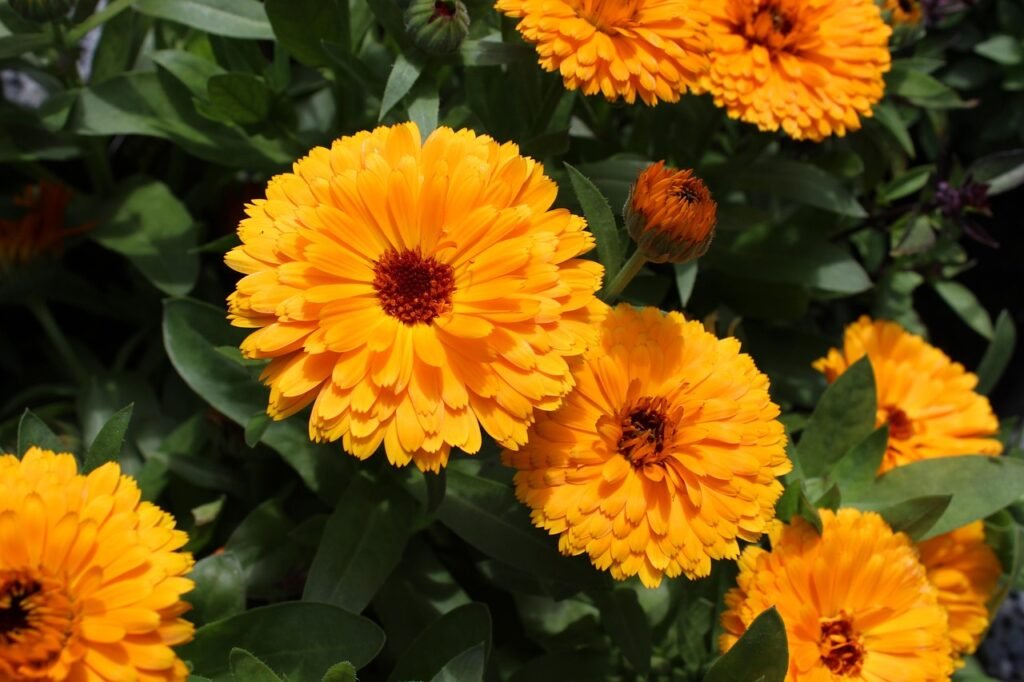
Calendula officinalis belongs to the daisy family, Asteraceae. If you look closely at the flower, you will notice it is not a single bloom but a cluster of many tiny florets arranged in a classic daisy-like pattern.
Roots: Calendula has a fibrous root system. The roots are relatively shallow but spread outward efficiently. This makes the plant adaptable to garden beds and containers. The root system supports quick growth, which is one reason calendula is such an easy annual to grow.
Stems: The stems are soft, slightly hairy, and angular. They are usually light green and can grow between 12 and 24 inches tall. Stems branch freely, which allows the plant to produce multiple flowers throughout the growing season.
Leaves: Calendula leaves are oblong to lance-shaped and slightly sticky to the touch. They grow alternately along the stem and have smooth or slightly wavy edges. Their surface may feel a little fuzzy due to fine hairs.
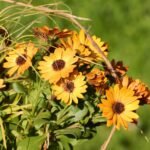
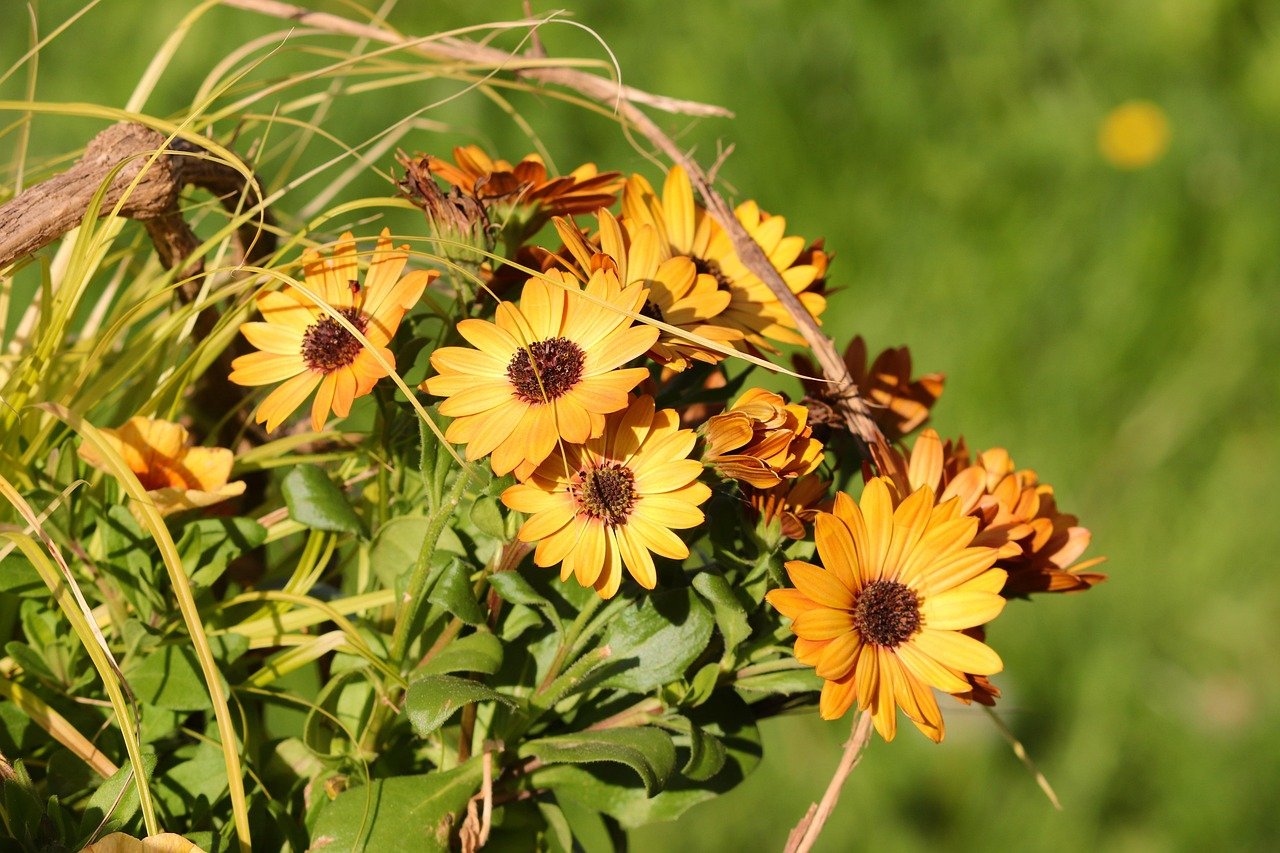
Flowers: The flowers are the star of the show. Bright orange and yellow are the most common colors, though cream and apricot varieties exist. Each “flower” is actually a composite head made of central disk florets surrounded by ray florets (the petals you see). Blooms range from 2 to 4 inches wide. Calendula flowers open in sunlight and often close at night or in cloudy weather.
Fruits: The fruit is a dry, curved achene. After pollination, the flower head dries and forms a cluster of uniquely shaped fruits that look a bit like tiny curled claws.
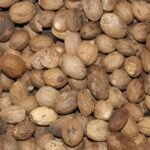
Seeds: Calendula seeds are easy to recognize. They are curved, ridged, and vary in shape within the same flower head. These seeds germinate readily and often self-sow in the garden, meaning once you plant calendula, you may enjoy it for years.
Growing Instructions
If you want a low-maintenance medicinal flower, calendula is for you.
Here’s everything you need to know to get calendula off to a great start:
Sunlight: Calendula loves full sun. Aim for at least 6 hours of direct sunlight daily. In very hot climates, partial afternoon shade helps prevent stress.
Soil: Well-draining soil is key. Calendula tolerates average garden soil but performs best in moderately fertile, slightly acidic to neutral soil (pH 6.0–7.0). Heavy clay can cause root rot.
Temperature: Calendula prefers cool to mild temperatures. It thrives in spring and fall and can tolerate light frost. In hot summer climates, flowering may slow down. Ideal growing temperatures range from 55–75°F (13–24°C).
Watering: Water regularly but do not overwater. Allow the top inch of soil to dry between waterings. Overly wet soil can encourage fungal diseases.
Spacing: Space plants 8–12 inches apart. Proper spacing improves airflow and reduces the risk of powdery mildew.
Pruning: Deadhead spent flowers regularly. This encourages more blooms and extends the flowering season.
Support: Calendula usually does not require staking. However, taller varieties in windy areas may benefit from light support.
Life Cycle: Calendula follows a typical life cycle consisting of:
- Germination: Seeds germinate within 7–14 days. Soil temperatures around 65–70°F promote best results.
- Vegetative Growth: During early growth, the plant focuses on leaf production and root establishment.
- Flowering: Flowering begins about 6–8 weeks after sowing. Regular harvesting encourages continued blooming.
- Fruit Set: Pollinated flowers develop dry, curved seeds.
- End of Season: As temperatures rise or frost hits, plants decline. However, dropped seeds may sprout next season.
Harvesting and Foraging
Harvesting
Harvest calendula flowers when they are fully open. Morning is ideal, after dew has dried but before intense heat.
To harvest:
- Use clean scissors or pinch blooms off by hand.
- Choose fresh, vibrant flowers.
- Dry petals on a screen in a warm, well-ventilated space away from direct sunlight.
Frequent harvesting increases flower production. If you are growing calendula for medicinal use, regular picking is essential.
Foraging
Calendula is commonly cultivated and rarely found truly wild outside gardens. If foraging:
- Ensure the area is pesticide-free.
- Confirm identification carefully.
- Avoid roadside plants due to pollution exposure.
Because calendula is so easy to grow, cultivating your own supply is often safer and more reliable than foraging.
Plant Companions
Calendula is famous in organic gardening as a companion plant.
It pairs well with:
Its bright flowers attract pollinators like bees and hoverflies. Some research from agricultural extension programs suggests calendula may help deter certain insect pests while attracting beneficial insects.
You can plant calendula along vegetable beds to increase biodiversity and visual beauty.
Common Pests and Diseases
Calendula is relatively hardy but not immune.
Common pests:
- Aphids
- Whiteflies
- Spider mites
Common diseases:
- Powdery mildew
- Root rot (in poorly drained soil)
Good airflow, proper spacing, and avoiding overhead watering help prevent most issues.
Shopping Tips
When buying calendula seeds or plants:
- Look for the full botanical name Calendula officinalis.
- Choose organic seeds if growing for medicinal or culinary use.
- Check seed packet dates for freshness.
- Select vibrant, compact seedlings without yellowing leaves.
Popular varieties include ‘Resina,’ known for high resin content, and ‘Pacific Beauty,’ valued for ornamental blooms.
Storage
For dried calendula flowers:
- Store in airtight glass jars.
- Keep in a cool, dark place.
- Use within one year for best potency.
Dried petals should retain their bright color. If they turn brown, potency may be reduced.
Culinary Uses
This is where calendula truly shines.
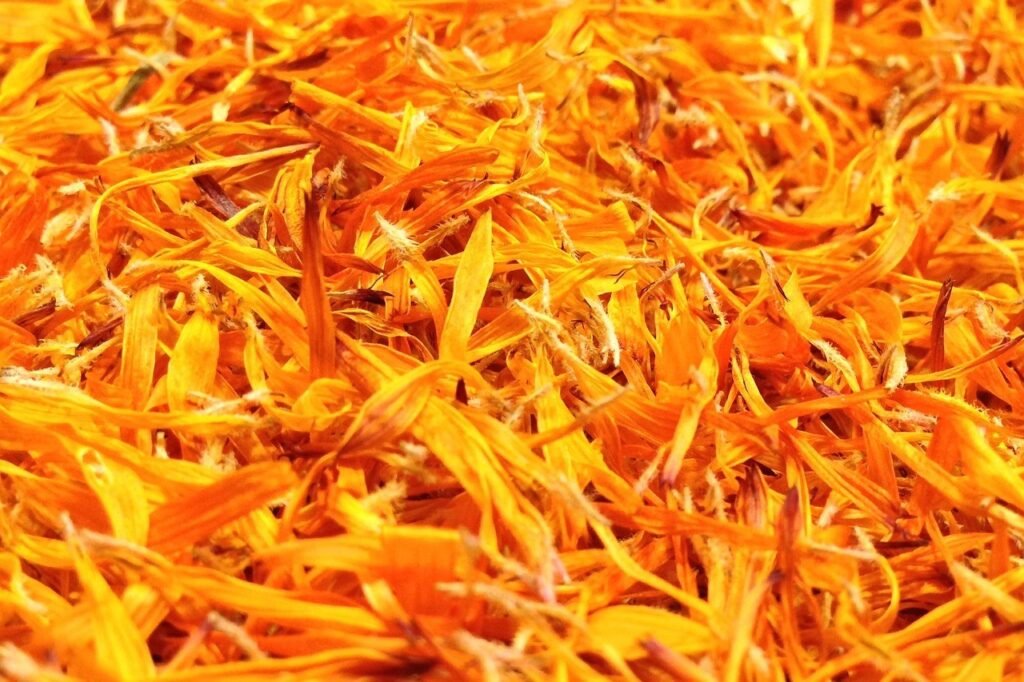
Calendula petals are edible and add both color and subtle flavor to food. The taste is mildly peppery, slightly bitter, and somewhat tangy.
You can use calendula in:
- Salads
- Soups
- Rice dishes
- Herbal teas
- Butter spreads
- Baked goods
The petals act as a natural food coloring, giving dishes a golden hue similar to saffron — which is why it earned the nickname “poor man’s saffron.”
Calendula Tea
Steep fresh or dried petals in hot water for 10–15 minutes. The tea has a gentle, earthy flavor. Some herbal traditions use it to support digestion and soothe sore throats.
Calendula Oil
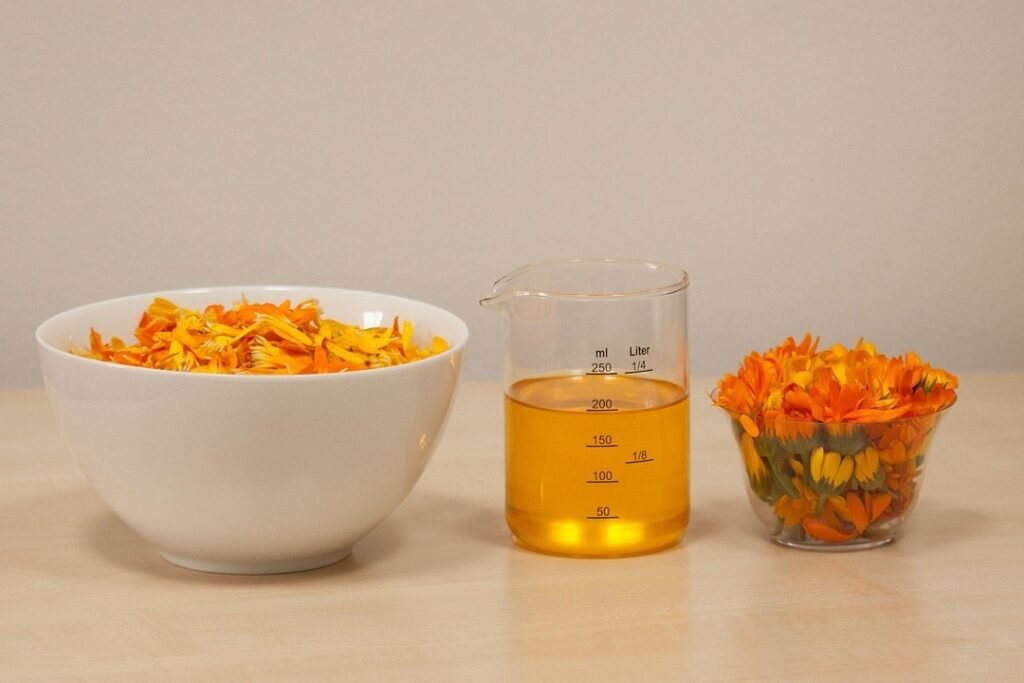
Infuse dried petals in olive oil for several weeks. This golden oil can be used in salad dressings or as a base for herbal salves.
Calendula Butter
Mix softened butter with chopped fresh petals and a pinch of salt. Spread it over warm bread for a subtle floral touch.
When using calendula in cooking:
- Use only the petals, not the green base.
- Choose flowers grown without chemicals.
- Add petals at the end of cooking to preserve color.
Culinary flowers are becoming more popular, and calendula is one of the safest and easiest to grow at home.
Health Benefits
Calendula has been widely studied for its medicinal properties, especially for skin health.
Research from university herbal medicine departments and botanical institutes has found that calendula contains:
- Flavonoids
- Triterpenoids
- Carotenoids
- Essential oils
These compounds contribute to its anti-inflammatory, antimicrobial, and wound-healing effects.
Skin Healing
Calendula creams and salves are often used for:
- Minor cuts
- Burns
- Rashes
- Insect bites
Clinical studies have examined calendula ointments for wound healing and skin irritation, showing promising results in reducing inflammation and promoting tissue repair.
Anti-Inflammatory Properties
Calendula extracts have demonstrated anti-inflammatory effects in laboratory research. This supports traditional uses for soothing irritated skin and mucous membranes.
Antimicrobial Activity
Certain compounds in calendula show activity against bacteria and fungi in laboratory settings. While it is not a replacement for medical treatment, this property explains its traditional role in wound care.
Digestive Support
In herbal traditions, calendula tea has been used to soothe digestive discomfort. Its gentle bitterness may stimulate digestive secretions.
As always, herbal medicine should complement, not replace, professional medical care.
culinary, ornamental — makes it economically valuable despite being easy to grow.
Toxicity and Safety
Calendula is generally considered safe for culinary and topical use.
However:
- Individuals allergic to plants in the Asteraceae family (like daisies or ragweed) may experience reactions.
- Pregnant individuals should consult a healthcare provider before medicinal use.
- Internal medicinal doses should be discussed with a qualified professional.
Always perform a patch test before using calendula topically.
Environmental Impact
Calendula has a positive environmental profile.
- Attracts pollinators
- Supports biodiversity
- Requires minimal fertilizer
- Can self-seed naturally
Because it grows easily without heavy chemical inputs, it fits well into sustainable gardening systems.
In organic agriculture, calendula is sometimes used as part of integrated pest management strategies.
By planting calendula, you are not only growing a medicinal and culinary herb — you are supporting a healthier garden ecosystem.