Scientific Name: Monarda didyma L.
Family: Lamiaceae
You’ve probably noticed the vibrant, spiky blooms of bee balm in gardens or wildflower meadows. With its colorful display and intoxicating fragrance, this plant is not just a treat for the eyes—it’s packed with a whole bunch of fascinating benefits, from health perks to culinary uses. Whether you’re a seasoned gardener or just curious about incorporating more plants into your home, bee balm is one that’s sure to grab your attention.
In this Plant Compendium entry, we’ll dive into everything you need to know about bee balm. You’ll get the scoop on its history, growth habits, how to care for it, and how to make the most of it in your kitchen and wellness routine. Think of this as your one-stop encyclopedia for all things bee balm. Let’s get started!
History of Bee Balm
Before we get into the nitty-gritty details of bee balm’s appearance and uses, let’s take a quick journey back in time. Native to North America, bee balm has a rich history steeped in both indigenous and early settler traditions. The plant was used by Native Americans for medicinal purposes long before it became a popular garden staple. Indigenous peoples knew its value for soothing ailments, particularly for its use as a mild antiseptic and digestive aid.
Colonial settlers quickly caught onto the versatility of bee balm, brewing it into herbal teas, and using it to make medicinal poultices for various skin issues. The plant’s historical nickname, “Oswego Tea,” comes from the Oswego Native American tribe who first showed settlers how to make a tea from its leaves. Bee balm has continued to play a role in herbal medicine and culinary dishes ever since.
Botanical Description
Bee balm is a perennial herb, growing anywhere from 1 to 4 feet tall. Known for its aromatic foliage and striking flowers, it’s a beautiful addition to any garden or landscape. Here’s a breakdown of its main plant parts:
Roots: Bee balm’s roots are shallow but spread horizontally, allowing it to form dense clusters of plants. The root system can easily send out runners to establish new growth in nearby areas, making it a great choice for creating a natural groundcover. While it’s not invasive, bee balm does have a tendency to self-seed, giving it a spreading, somewhat wild look.
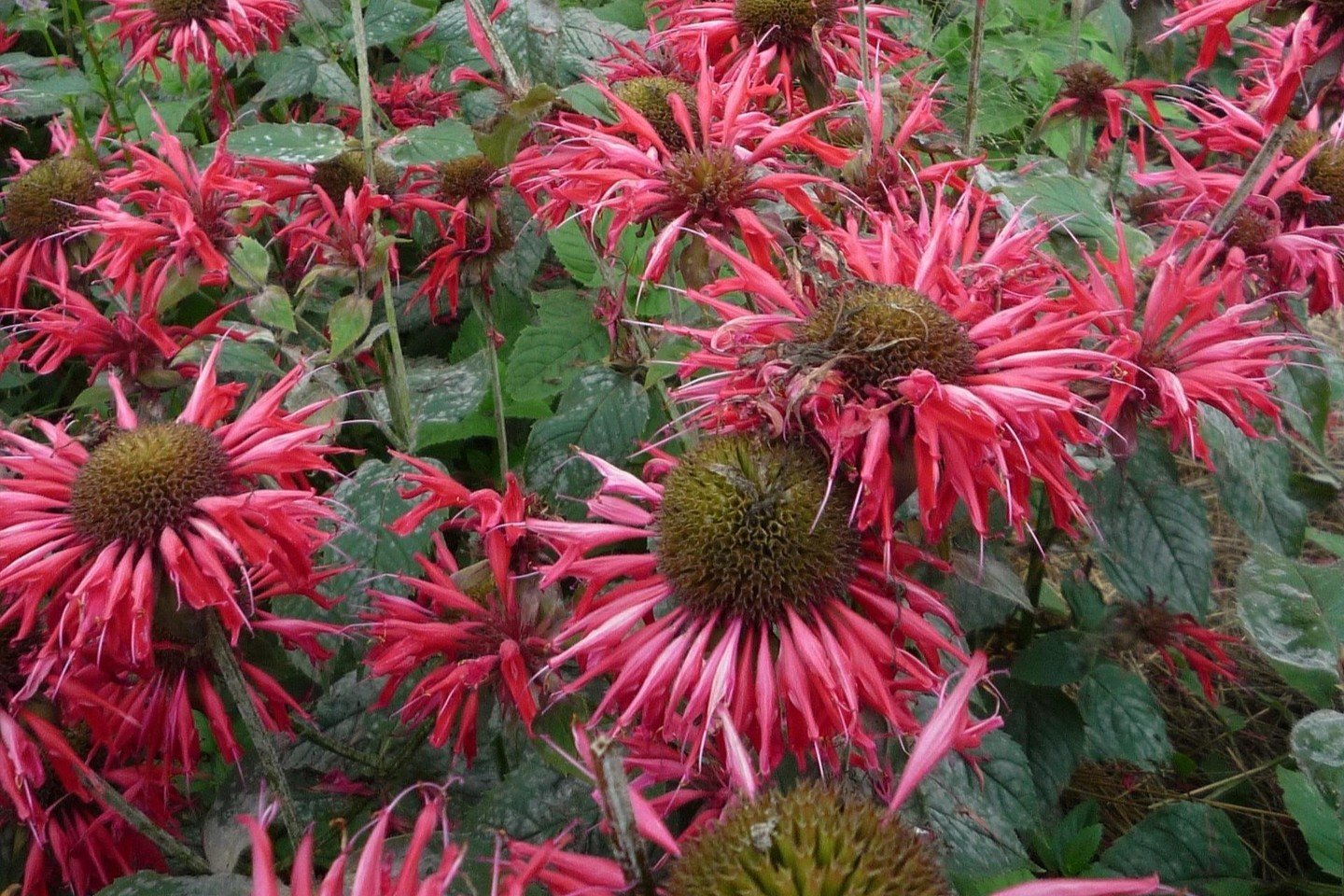
Stems: The stems of bee balm are square-shaped, which is a trademark of plants in the mint family. They’re often slightly hairy and can range from a reddish-purple hue to green, depending on the variety. The stems are sturdy but flexible enough to handle some wind or rain without breaking, making bee balm a resilient plant in your garden.
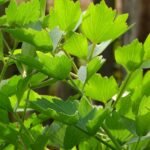
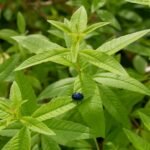
Leaves: Bee balm leaves are long, lance-shaped, and typically a deep green color. They have a rough texture and are often fragrant, especially when bruised or crushed. The leaves release a pleasant, minty aroma, which makes sense given that bee balm is related to plants like mint and oregano. They can grow up to 5 inches long and are arranged opposite each other on the stem.
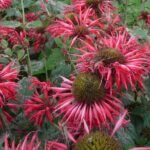
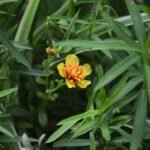
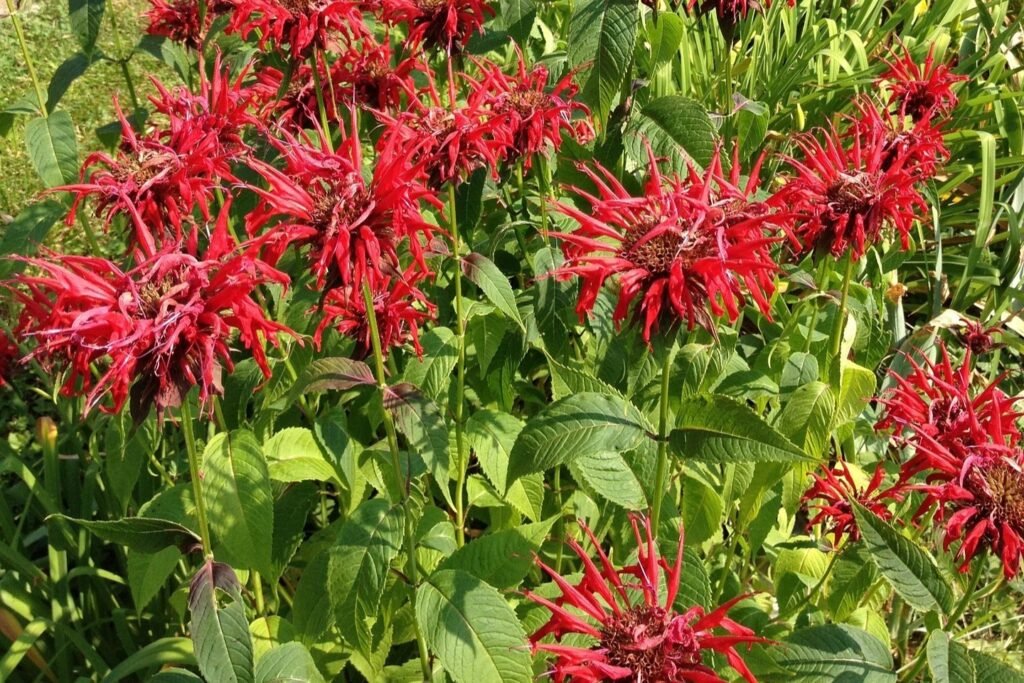
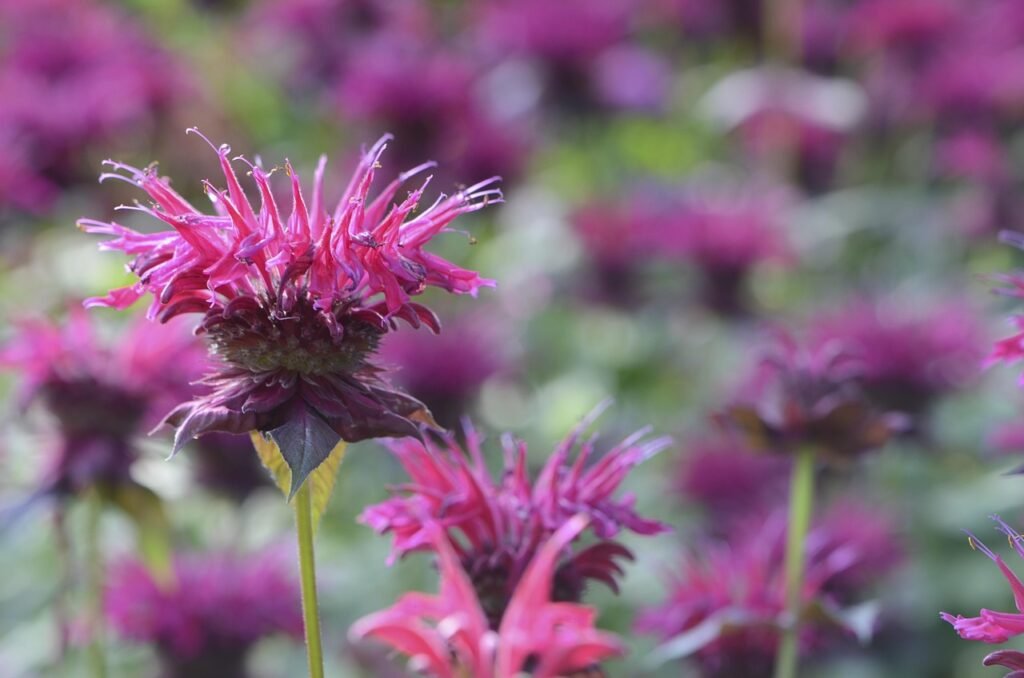
Flowers: The flowers are the real showstoppers here. Bee balm blooms in late summer to early fall, producing eye-catching clusters of tubular flowers. These flowers can be red, pink, purple, or white, depending on the variety, and are often surrounded by frilly bracts that add to their charm. The blooms attract bees, butterflies, and hummingbirds, which explains the plant’s common name.
Fruits: The fruit of bee balm is a small, brownish nutlet, though it’s not typically something people focus on. While bee balm isn’t known for its fruit, it does set seeds, which can be harvested for planting or left to self-seed in your garden.
Seeds: Bee balm’s seeds are small and somewhat oval-shaped. They’re produced in small clusters at the base of the flowers. Since bee balm often self-seeds, you’ll find that it’s easy to grow more plants just by letting nature do its thing. However, you can also save seeds for planting in the following year.
Growing Instructions
If you’re planning to grow bee balm, you’re in for a treat. This plant is relatively easy to grow and can thrive in a variety of conditions. Here’s everything you need to know to get your bee balm thriving:
Sunlight: Bee balm loves full sun, but it can also tolerate partial shade, especially in hotter climates. In full sun, you’ll get the best flowering, with vibrant colors and a lot of pollinator action. Ideally, aim for at least 6 hours of sunlight a day to keep it happy.
Soil: Bee balm is not too picky about soil but does best in moist, well-draining soil that’s rich in organic matter. A slightly acidic to neutral pH (around 6.0 to 7.0) is ideal. If your soil is too heavy or clay-like, add some compost to improve drainage.
Temperature: This hardy plant does well in moderate climates, thriving in USDA hardiness zones 4 to 9. It can handle cold winters, though it may die back to the ground in the colder months and regrow in the spring. During the summer, bee balm enjoys warm temperatures, but it can get a little floppy or stressed if it gets too hot, so some shade in the afternoon can help.
Watering: Bee balm loves consistent moisture, especially during the growing season. Keep the soil moist but not soggy, as overly wet soil can lead to root rot. If you’re in a dry area, be sure to water regularly, but avoid waterlogging the roots.
Spacing: Since bee balm can spread and grow into large clumps, it’s best to space plants about 18 to 24 inches apart. This will give them enough room to grow and prevent overcrowding. If you’re planting multiple bee balm plants, spacing them out will also allow for better air circulation, which can help reduce the risk of fungal diseases.
Pruning: Pruning is not only important for aesthetic purposes but also for the health of your plant. Remove spent flowers to encourage new blooms and reduce the likelihood of diseases like powdery mildew. You can also cut back bee balm plants in late fall after they’ve died back to the ground to keep your garden tidy.
Support: While bee balm is relatively strong, its tall, often floppy stems can sometimes need a little support, especially after a rainstorm. You can use a plant cage or stakes to keep the plant upright, or simply grow it in a place where it won’t be blown over by the wind.
Life Cycle: Bee balm follows a typical perennial life cycle, coming back year after year. Here’s what you can expect throughout the growing season:
- Germination: Bee balm seeds need cold stratification, so be sure to chill them in the fridge for a few weeks before planting. You can start them indoors in early spring or sow them directly outdoors after the last frost.
- Vegetative Growth: As the plant grows, it will form lush, green leaves and establish a strong root system.
- Flowering: By midsummer, bee balm will begin to flower, creating clusters of tubular blooms in vibrant colors.
- Fruit Set: After flowering, the plant will set seed, which can be collected if desired.
- End of Season: Bee balm will die back in colder climates, but it will regrow in the spring. In warmer regions, it may continue to grow throughout the year.
Harvesting and Foraging
Harvesting
You can harvest bee balm for both its leaves and flowers. The best time to harvest is in the late morning after the dew has dried but before the heat of the day sets in, which is when the plant’s essential oils are most potent. Use sharp scissors or pruning shears to cut the leaves and flowers, and be sure to leave some behind to continue growing.
Foraging
Bee balm is easy to forage in the wild, but be sure you can positively identify it before using it. The leaves should have a strong, minty aroma, and the flowers should be clustered in a spike-like formation. If foraging in the wild, always make sure you’re not picking from areas that may have been treated with chemicals or pesticides.
Plant Companions
Bee balm is a great companion plant for other perennial herbs and flowers. It pairs especially well with plants that enjoy similar growing conditions, such as lavender, echinacea, and black-eyed Susans. It also attracts beneficial pollinators like bees and butterflies, which can help improve the overall health of your garden.
Common Pests and Diseases
Bee balm is generally a hardy plant, but like all plants, it’s susceptible to some pests and diseases. Keep an eye out for:
- Powdery Mildew: This fungal disease shows up as a white, powdery coating on the leaves. To prevent it, make sure your plant has good air circulation and avoid overhead watering.
- Aphids: These tiny insects can cluster on the undersides of leaves and suck out plant juices. You can spray them off with a hose or treat with insecticidal soap.
- Japanese Beetles: These pests love to munch on bee balm flowers, so keep an eye out for them and pick them off by hand or use traps.
Shopping Tips
When shopping for bee balm, whether at a local garden center or online, look for healthy, well-established plants. A healthy bee balm plant will have vibrant green foliage with no signs of wilting or discoloration. If you’re buying seeds, make sure the packaging indicates that they’ve been properly stored (cold-stratified if necessary), as this ensures better germination rates.
You’ll also want to check the variety of bee balm you’re buying. Monarda didyma is the most common variety, known for its bold, red flowers, but you’ll find other varieties that come in shades of pink, purple, and even white. Some varieties have a more compact growth habit, which can be ideal for smaller spaces or container gardens.
If you’re looking to save money, consider buying plants at the end of the growing season when garden centers often discount perennials. Just make sure the plant still has healthy roots and foliage that can survive the winter.
Storage
Once harvested, bee balm can be stored in a few different ways depending on your needs.
- Fresh: Fresh bee balm leaves and flowers can be placed in a vase of water, much like cut flowers, to enjoy their beauty and fragrance for several days. For culinary use, you can also freeze the leaves in ice cube trays with water for later use in teas or recipes.
- Dried: To dry bee balm for long-term storage, hang the stems upside down in a cool, dry, well-ventilated area. Once dried, the leaves and flowers can be stored in airtight containers. Store dried bee balm in a dark, cool place to retain its flavor and medicinal properties.
- Essential Oil: If you’re harvesting bee balm for its aromatic qualities, you can also distill the plant to make essential oil. Bee balm essential oil can be used in aromatherapy or homemade skincare products. However, distillation requires some special equipment, so it may be easier to buy the oil from reputable sources if you’re looking for its medicinal benefits.
Culinary Uses
Bee balm is more than just a beautiful plant; it’s also a flavorful and versatile herb with a variety of culinary uses. The leaves, flowers, and even the stems can be incorporated into dishes to add a fresh, minty, and slightly spicy flavor.
Teas and Beverages
One of the most popular uses for bee balm is in tea. The leaves and flowers have a minty, slightly sweet flavor that makes for a refreshing drink, either hot or iced. To make bee balm tea, simply steep the leaves or flowers in hot water for about 5 minutes, strain, and enjoy. You can combine bee balm with other herbs like lavender, chamomile, or lemon balm for a more complex flavor profile.
Bee balm flowers are also used to make “Oswego Tea,” which has a similar flavor profile to black tea but with a more herbal, floral note. It was historically used by indigenous people and early colonists as a substitute for traditional tea.
Cooking with Bee Balm
You can also use bee balm as a seasoning in your cooking. The leaves can be chopped and added to salads, soups, or stews for a mild minty kick. If you’re making pesto, bee balm leaves are an excellent substitute for basil, offering a slightly different but still fresh flavor. You can even sprinkle dried bee balm leaves on roasted vegetables or meat dishes to add a unique herbal element.
The flowers of bee balm can be used as a colorful garnish or added to salads for a pop of color and a subtle flavor. They’re also edible and can be used to decorate cakes, cupcakes, or even cocktails, adding a wild, garden-fresh touch to your culinary creations.
Health Benefits
Bee balm has long been used in traditional herbal medicine for its wide range of health benefits. While modern science is still exploring some of its effects, bee balm has a long history as a remedy for everything from digestive issues to skin ailments.
Digestive Aid
Bee balm has carminative properties, meaning it can help relieve bloating, gas, and indigestion. You can brew it into a tea and sip it after meals to help soothe your digestive system. It’s especially helpful for alleviating nausea or upset stomachs, making it a great natural remedy to have on hand after a big meal.
Antibacterial and Antifungal
Bee balm has natural antibacterial and antifungal properties, which have made it a go-to herb for treating skin infections or wounds. It can be applied topically as an infusion or used in homemade lotions and balms. The essential oil has also been used to fight off harmful bacteria, making it useful in promoting general skin health.
Respiratory Support
Bee balm has mild expectorant qualities, meaning it can help loosen mucus in the respiratory system and make coughing more productive. Drinking bee balm tea may provide some relief from colds, flu, or congestion, especially when combined with other herbs like thyme or eucalyptus.
Stress Relief and Relaxation
Bee balm contains compounds that have mild sedative effects, making it useful for reducing anxiety and promoting relaxation. It’s often included in herbal blends for stress relief, and drinking a cup of bee balm tea before bedtime can help improve sleep quality. The gentle calming effects are especially helpful for those who struggle with mild insomnia or nighttime anxiety.
Skin Care
In addition to being used for treating minor wounds, bee balm can also help soothe irritated or inflamed skin. Its antiseptic properties make it a common ingredient in homemade salves or balms for treating cuts, burns, or even bug bites. It’s also been used in traditional skincare for its soothing effects on acne or other skin conditions.
Toxicity and Safety
Bee balm is considered safe for most people when used in moderation, both topically and internally. However, as with any herb, it’s important to use it properly. The leaves, flowers, and stems of bee balm are all safe to consume in moderate amounts, especially when made into tea or used as a seasoning in food.
That being said, pregnant women or individuals with certain health conditions should consult with a healthcare provider before using bee balm, as it can have mild stimulating effects on the body. As with any herb, always start with small amounts to ensure you don’t experience any allergic reactions or sensitivities.
When using bee balm topically, do a patch test first to check for any skin irritation or allergic reactions. If you experience redness, itching, or discomfort, discontinue use and consult a healthcare professional.
Environmental Impact
Bee balm is an excellent plant for attracting pollinators to your garden. It’s particularly beneficial for bees, butterflies, and hummingbirds, which are drawn to its fragrant flowers. By planting bee balm, you’re contributing to the health of local pollinator populations, which is essential for biodiversity and the overall health of our ecosystems.
Additionally, bee balm’s easy care and adaptability make it a great choice for sustainable gardening. It doesn’t require heavy fertilization or excessive water, making it a water-wise plant that can thrive with minimal resources. Planting native species like bee balm is also beneficial for the environment, as it supports local wildlife and helps maintain the natural balance in your area.