






This article is about exploring Asteraceae family’s characteristics, species and uses.
“In every meadow, garden, and roadside, the Asteraceae family paints the world with color and complexity—often in ways far more intricate than the eye first notices.” — The Economic Botanist
You might know the Asteraceae family through daisies, sunflowers, lettuce, chamomile, dandelions, coneflowers, marigolds, and countless other familiar plants. But what many people don’t realize is just how enormous—and how influential—this plant family truly is. Asteraceae is one of the largest families of flowering plants on Earth, and its members shape ecosystems, agriculture, horticulture, and even herbal medicine traditions around the world.
Look closer, and you’ll see what makes this family so extraordinary: what looks like a single flower is actually an entire miniature bouquet, tightly packed into a structure so efficient and successful that Asteraceae species now grow on nearly every continent and in nearly every climate.
In this article, we’ll explore the Asteraceae family in a friendly and accessible way—yet with solid botanical depth. You’ll learn how to identify Asteraceae plants, how their unique floral structure works, why they matter so much ecologically and economically, and how they evolved into one of nature’s most dominant plant families.
Whether you’re a gardener, student, herbal tea drinker, or someone who’s ever admired a sunflower field, you’re about to see the Asteraceae in a whole new light.
- Asteraceae Family Overview
- Characteristics of the Asteraceae Family
- The “Flower” That Isn’t a Flower
- Asteraceae Subfamilies
- Major Genera in the Asteraceae
- Common Asteraceae Species
- Economic and Ecological Importance
- Evolution and Phylogeny of Asteraceae
- Distribution and Habitat
- Uses and Applications of Asteraceae Plants
- Cultivation and Care Tips
- The Bottom Line
Asteraceae Family Overview
The Asteraceae (or Compositae) family contains more than 32,000 species across approximately 1,900–2,000 genera, making it one of the largest plant families in the world. You’ve definitely seen them—even if you didn’t know it.
Members of this family include:
- Sunflowers
- Daisies
- Dandelions
- Chrysanthemums
- Marigolds
- Coneflowers (Echinacea)
- Asters
- Lettuce and artichokes
- Sagebrush and other shrubs
Asteraceae species grow globally but are especially abundant in grasslands, prairies, mountains, and open, sunny habitats.
What truly sets the Asteraceae apart is their composite flower head—one of the most successful evolutionary adaptations in the plant kingdom.
Characteristics of the Asteraceae Family
The “Flower” That Isn’t a Flower
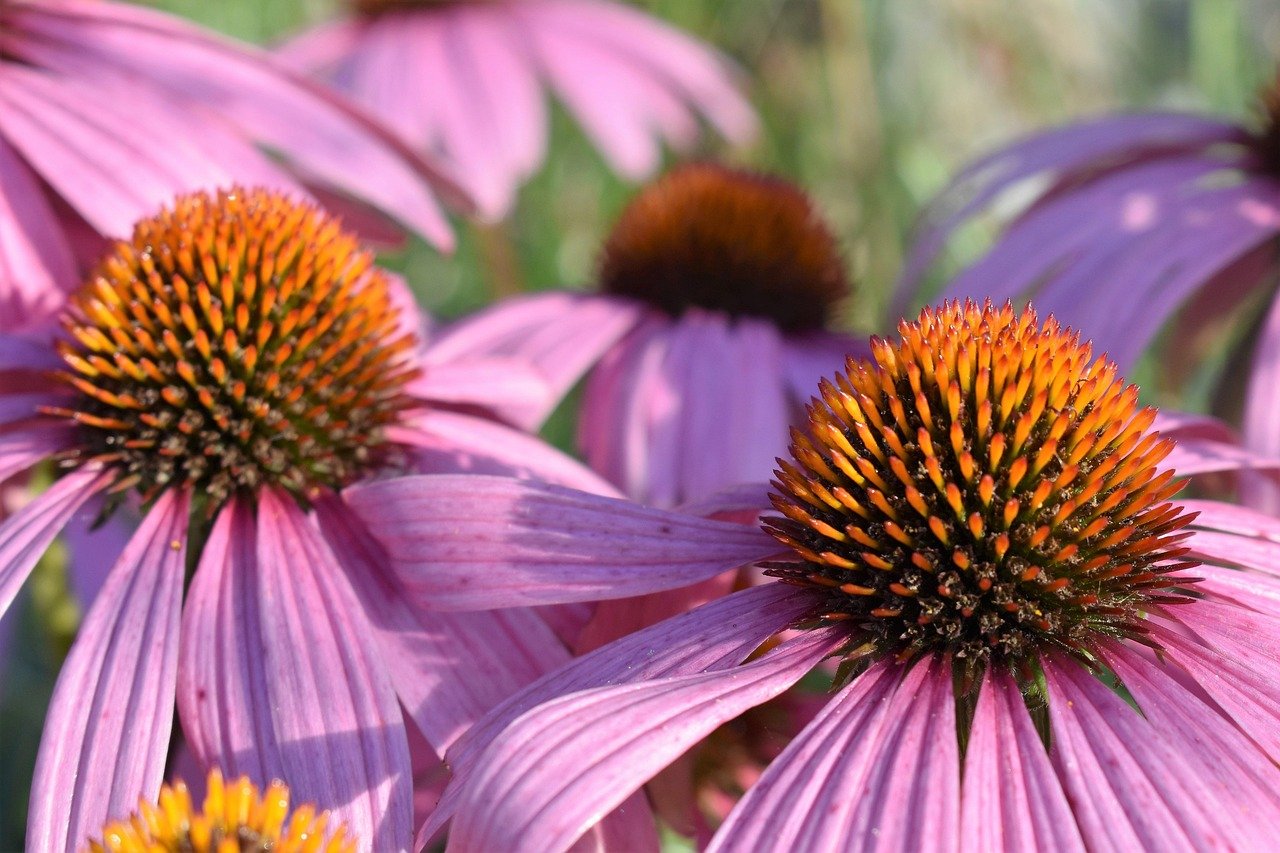
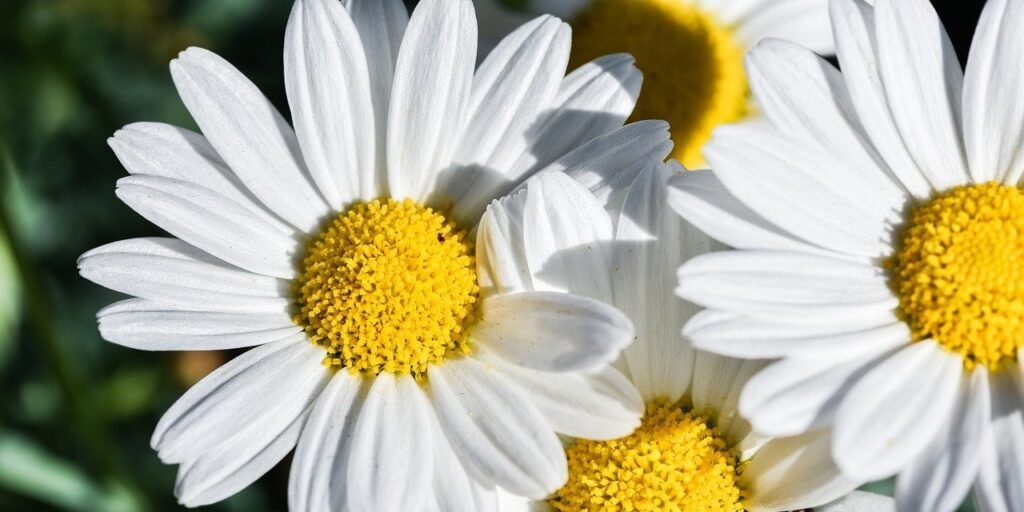
What looks like a single sunflower or daisy is actually a capitulum—a tightly packed cluster of many tiny flowers (called florets). This structure can include:
- Ray florets (strap-shaped “petals”)
- Disk florets (small tubular flowers in the center)
Together they form one of the most recognizable structures in botany.
Floral Traits You Can Spot
Asteraceae flowers (florets) typically have:
- 5 fused petals (forming tubes or “straps”)
- Inferior ovaries
- A characteristic bristly pappus (modified sepals)
- Specialized reproductive structures adapted for efficient pollination
Each “petal” of a daisy is a whole flower. Each tiny “dot” in a sunflower center is also a flower.
Fruit Type: The Achene
The fruit of Asteraceae is usually an achene—a small, dry, single-seeded fruit.
Famous examples:
- A sunflower “seed” (it’s actually an achene)
- Dandelion seeds with tufts (pappi) used for wind dispersal
Leaf and Stem Traits
Asteraceae leaves vary widely but often are:
- Alternate or opposite
- Simple, lobed, or dissected
- Sometimes fuzzy or resinous
- Often arranged to maximize sun exposure
Stems can be herbaceous, woody, or even spiny, depending on the species.
Asteraceae Subfamilies
Botanists divide Asteraceae into several subfamilies. Here are three widely recognized and influential ones.
Asteroideae
The largest subfamily. Includes:
- Daisies (Bellis)
- Asters
- Sunflowers (Helianthus)
- Marigolds (Tagetes)
- Chrysanthemums (Chrysanthemum)
These plants dominate ornamental horticulture.

Cichorioideae
Known for milky sap and strap-shaped florets. Includes:
- Dandelions (Taraxacum)
- Lettuce (Lactuca)
- Chicory (Cichorium)
These species often produce only ray florets in each flower head.
Carduoideae
A subfamily of thistles, known for spines and toughness. Includes:
- Cirsium
- Carduus
- Onopordum
These species thrive in harsh, dry, or disturbed environments.
Major Genera in the Asteraceae
Helianthus (Sunflowers)
Known for:
- Large, iconic flower heads
- Edible seeds
- Oil production
- Agricultural importance
Sunflowers embody the composite flower structure at its most dramatic scale.
Taraxacum (Dandelions)
Famous for:
- Puffball seed dispersal
- Resilient taproot
- Edible leaves and roots
Despite their weedy reputation, they are ecologically vital early-season nectar sources.
Close-up of a dandelion seed head and a vibrant yellow dandelion flower
Echinacea (Coneflowers)
Beloved as:
- Ornamental perennials
- Medicinal plants used in immune-support herbal remedies
Their raised centers are composed of densely packed disk florets.
Artemisia (Sagebrush, Wormwood)
Key features:
- Aromatic foliage
- Drought tolerance
- Important rangeland species
This genus includes culinary herbs (tarragon) and the plant that produces artemisinin, an antimalarial compound.
Lactuca (Lettuce)
Yes—your salad greens are part of Asteraceae.
Lettuce is:
- One of the most widely consumed leafy vegetables
- A domesticated form of wild lettuce (Lactuca serriola)
Bellis, Chrysanthemum, Aster, Coreopsis
These genera dominate ornamental gardens with colorful, long-lasting blooms.
Common Asteraceae Species
Some widely recognized examples:
- Helianthus annuus (Sunflower)
- Bellis perennis (Common daisy)
- Taraxacum officinale (Dandelion)
- Echinacea purpurea (Purple coneflower)
- Lactuca sativa (Lettuce)
- Artemisia absinthium (Wormwood)
- Tagetes erecta (Marigold)
These species are ecologically, culturally, and economically significant worldwide.
Economic and Ecological Importance
Agriculture and Food
Asteraceae provides major crops:
- Lettuce
- Sunflower seeds
- Sunflower oil
- Artichokes
- Chicory and radicchio
Several species also serve as forage plants.
Ornamentals
Asteraceae is one of the most important families in horticulture, including:
- Chrysanthemums
- Zinnias
- Daisies
- Coneflowers
- Marigolds
- Dahlias
Their long flowering times and bright colors make them garden staples.
Ecology and Wildlife Support
Asteraceae plants:
- Offer late-season nectar for pollinators
- Support birds with seed heads
- Stabilize soil in disturbed ecosystems
- Thrive in harsh conditions, benefiting pioneer species
The timing of their blooms often helps sustain pollinators into fall.
Herbal Medicine and Natural Products
Many species are used in traditional and modern herbal practices:
- Chamomile for relaxation
- Echinacea for immune support
- Artemisia for antimalarial compounds
- Feverfew for migraine support
Evolution and Phylogeny of Asteraceae
The Asteraceae family is estimated to have arisen around 50 million years ago and rapidly diversified thanks to its revolutionary capitulum structure.
This compound flower head allowed:
- More efficient pollination
- Higher seed production
- Greater adaptability to new habitats
Their ability to grow in nutrient-poor or dry environments helped the family spread across the globe.
Genetic studies continue to reorganize the family tree, revealing surprising relationships among species.
Distribution and Habitat
Asteraceae species grow nearly everywhere except Antarctica. They are especially abundant in:
- Grasslands
- Prairies
- Mountain slopes
- Deserts
- Mediterranean climates
- Alpine regions
Their tolerance for wind, drought, and poor soil makes them one of the world’s most ecologically successful plant groups.
Uses and Applications of Asteraceae Plants
Culinary Uses
- Lettuce and salad greens
- Sunflower oil and seeds
- Artichokes
- Edible flowers (calendula)
- Chicory and radicchio
Herbal Uses
- Chamomile tea
- Echinacea tinctures
- Feverfew supplements
- Artemisia extracts
Landscaping
Asteraceae species are grown for:
- Colorful flowerbeds
- Pollinator gardens
- Drought-resistant landscapes
- Long-blooming borders
Industrial and Cultural Uses
- Sunflower oil in cooking and cosmetics
- Dye plants (marigold)
- Ritual and cultural uses across many societies
Cultivation and Care Tips
Choose the Right Conditions
Most Asteraceae species prefer:
- Full sun
- Well-drained soil
- Moderate water
Sunflowers and many ornamental daisies thrive in heat and poor soils.
Propagation
Asteraceae plants can be propagated by:
- Seeds (very common)
- Division (chrysanthemums, asters)
- Cuttings (certain ornamental species)
Watch for Pests and Diseases
Common problems include:
- Powdery mildew
- Aphids
- Rust
- Fungal rots in wet soil
Proper spacing and airflow reduce most issues.
Pruning and Maintenance
- Deadhead to extend flowering
- Cut back perennials in fall or early spring
- Stake tall species like sunflowers
- Leave seed heads for birds if desired
The Bottom Line
The Asteraceae family is one of the most influential and far-reaching plant groups on the planet. From the daisies in your yard to the lettuce on your dinner plate and the sunflowers in a summer field, Asteraceae species weave through every part of human life.
Their ingenious floral architecture, ecological resilience, and enormous diversity make them a family worth exploring—whether you’re gardening, studying botany, or simply appreciating the natural world around you.
********************
If you enjoyed this deep dive into the Asteraceae family, explore our other plant family guides, gardening resources, and botany insights. Subscribe to our newsletter or bookmark this page to keep growing your plant knowledge—one family at a time.