

Scientific Name: Pimenta dioica (L.) Merr.
Family: Myrtaceae
If you’re a fan of unique flavors, chances are you’ve encountered allspice—the spice that’s a mix of cinnamon, cloves, and nutmeg all rolled into one! Allspice is not just a flavoring agent in your kitchen; it’s a versatile plant with a rich history and numerous uses beyond culinary applications. In this Plant Compendium entry, we’ll dive into everything you need to know about allspice—its origins, how to grow it, its medicinal benefits, and how you can use it in your daily life. Whether you’re looking to add it to your spice rack or start your own plant, you’re in the right place!
Botanical Description
Allspice is an evergreen shrub or small tree native to the Caribbean, Central America, and Mexico. Though it’s often mistaken for a spice blend, allspice is a single spice that gets its name because its flavor is a combination of cinnamon, cloves, and nutmeg.
Roots: The roots of the allspice plant are fibrous and relatively shallow. They spread out rather than deep, making it important to choose a well-draining soil that allows the roots to establish without becoming waterlogged.
Stems: Allspice plants have sturdy, smooth stems that can grow up to 10-15 feet in height when left unpruned. These stems are green when young but develop a woody texture as the plant matures.
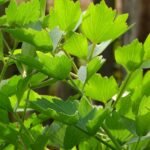
Leaves: The leaves of the allspice plant are dark green, aromatic, and oval-shaped. When crushed, they release a strong, spicy scent that hints at its distinctive flavor profile.
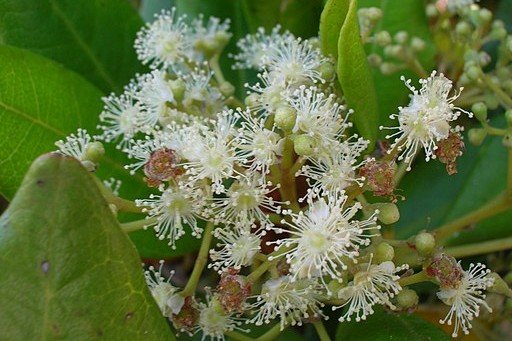
Flowers: The flowers are small, white, and fragrant, growing in clusters. They are not as visually striking as the fruits, but they play a vital role in the reproductive process of the plant.
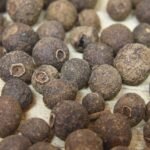
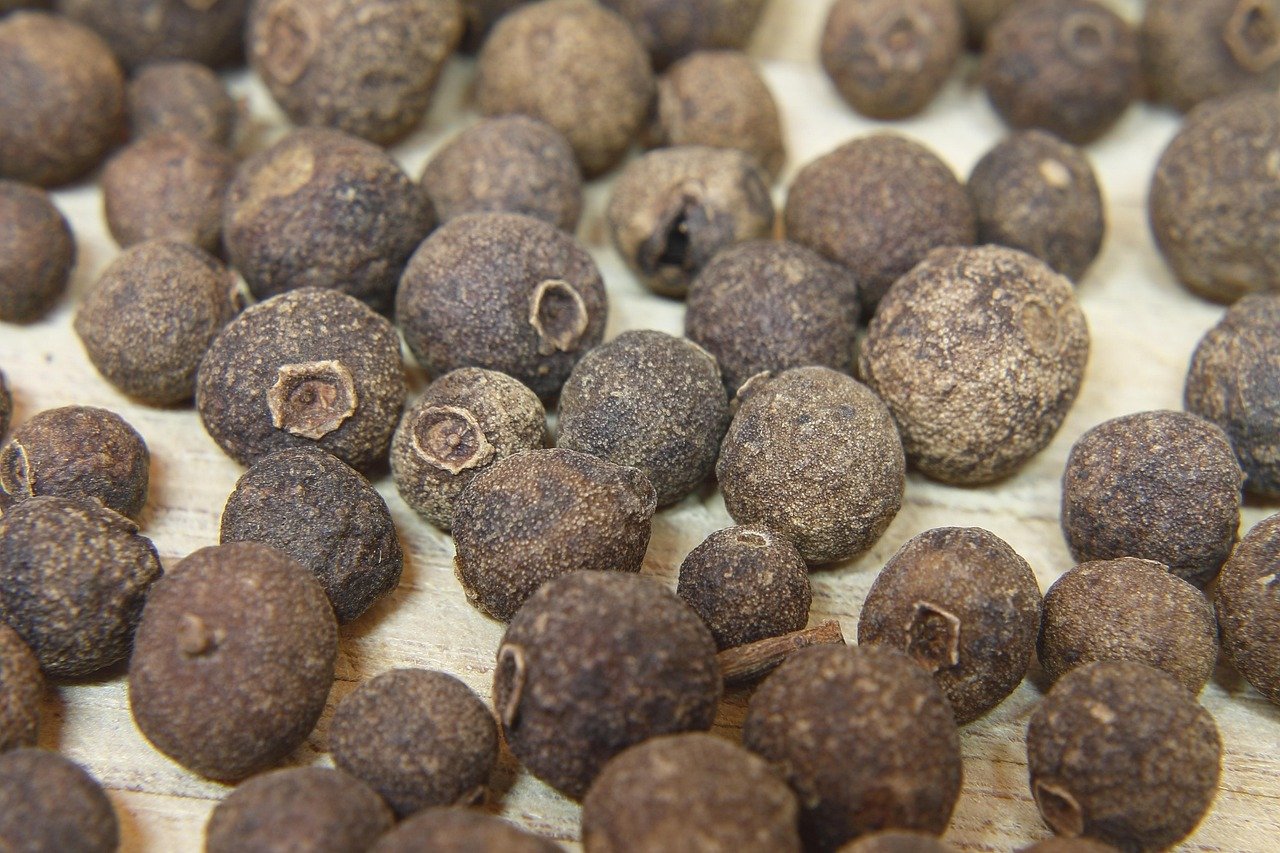
Fruits: The allspice fruit is small and round, resembling a berry. It starts green and ripens to a reddish-brown color. It’s these berries that are harvested, dried, and ground into the spice we use in cooking.
Seeds: Inside the fruit are the seeds, which are crushed or ground along with the dried berry to produce the ground allspice that we’re familiar with in kitchens worldwide.
Growing Instructions
Here’s everything you need to know to get your allspice plant off to a great start.
Sunlight: Allspice thrives in full sun or partial shade. It needs at least 6 hours of direct sunlight each day for the best growth, but it can tolerate some shade in warmer climates.
Soil: Well-draining, slightly acidic soil is ideal. Allspice prefers a loamy soil mixture rich in organic matter. Make sure the pH level is around 5.5 to 6.5 for optimal growth.
Temperature: Allspice grows best in warm temperatures between 70°F and 90°F (21°C – 32°C). It’s sensitive to frost and should be grown in USDA zones 9 to 11, or indoors in colder climates.
Watering: The allspice plant needs regular watering, especially during dry periods. Keep the soil moist but not waterlogged, as it can lead to root rot.
Spacing: Allspice plants should be spaced about 4-5 feet apart to give them room to grow. This spacing also ensures good air circulation, preventing disease.
Pruning: Prune your allspice plant regularly to maintain its shape and encourage branching. Remove any dead or damaged branches, and trim back any overly long shoots to stimulate growth.
Support: Allspice plants may require support as they grow, especially in windier areas. Use stakes or trellises to help the plant stand upright if necessary.
Life Cycle: Allspice follows a typical life cycle consisting of:
- Germination: The seeds require a warm, humid environment to germinate, usually within 2 to 3 weeks.
- Vegetative Growth: Once established, the plant enters a vegetative phase where it produces leaves and stems.
- Flowering: Flowers begin to appear in late spring or early summer.
- Fruit Set: After pollination, small green berries form, which eventually ripen to a reddish-brown color.
- End of Season: In tropical regions, allspice can grow year-round, but in cooler climates, it may enter a dormant phase during winter.
Harvesting and Foraging
Harvesting
The best time to harvest allspice berries is when they turn reddish-brown and are fully ripe. Use scissors or pruning shears to snip the branches with the fruit and hang them in a dry, well-ventilated area to dry out. Once dried, you can either crush them whole or grind them into powder.
Foraging
Foraging for allspice is possible in its native regions, but you’ll need to be mindful of local regulations and sustainability. In the wild, look for the signature red-brown berries on the tree in late fall.
Plant Companions
Allspice is a great companion plant for many herbs and shrubs. Plants like basil, oregano, and rosemary make great companions as they share similar growing conditions, including sunlight and soil preferences.
Common Pests and Diseases
- Pests:
Watch out for common pests like aphids, mealybugs, and spider mites. Regularly inspect the leaves and stems for signs of infestation and treat with organic insecticidal soap if necessary. - Diseases:
Allspice can be susceptible to fungal diseases like powdery mildew. Ensure good air circulation and avoid overhead watering to reduce moisture buildup.
Shopping Tips
When purchasing allspice, whether as a plant or a dried spice, look for products with a rich, aromatic scent. Freshly ground allspice should have a warm, spicy fragrance, while dried berries should be firm, not shriveled.
Storage
Dried allspice can be stored in an airtight container in a cool, dark place for up to 1 year. Whole berries retain their flavor longer than ground allspice, so it’s best to grind them as needed.
Culinary Uses
Allspice is sometimes called the “single spice that tastes like three,” because it carries hints of cinnamon, nutmeg, and cloves all in one. That unique flavor makes it incredibly versatile in the kitchen. Here’s a deep dive into how you can use it:
1. Savory Dishes
- Meats: Allspice shines with pork, beef, lamb, and chicken. In Caribbean cuisine, it’s a key ingredient in jerk seasoning, giving the meat that signature warm, spicy kick. Sprinkle ground allspice on roast meats or add whole berries to stews for a slow infusion of flavor.
- Soups and Stews: Add a pinch of ground allspice to hearty soups like butternut squash soup or bean stews. The spice adds depth without overpowering the dish.
- Vegetables: Roasted root vegetables or squash can take on a new dimension when dusted lightly with allspice before roasting. It pairs beautifully with sweet potatoes, carrots, and pumpkin.
2. Sweet Dishes
- Baking: Allspice is perfect for spiced cookies, cakes, and pies. Think pumpkin pie, apple crisps, gingerbread, or fruitcakes. It’s especially great when paired with cinnamon or cloves to enhance the holiday flavors.
- Preserves and Sauces: Add a few allspice berries to jams, chutneys, or cranberry sauces to give them a warm, aromatic complexity.
3. Beverages
- Hot Drinks: Ground allspice can be added to mulled wine, cider, or chai tea to create cozy, aromatic drinks.
- Cocktails: Some bartenders experiment with allspice-infused spirits to make spiced rum cocktails or warm winter punches.
4. Tips for Using Allspice
- Whole vs Ground: Whole berries release flavor slowly, perfect for simmered dishes. Ground allspice is best for baking or quick-cooking recipes.
- Balance is Key: A little goes a long way. Start with ¼ teaspoon in a recipe, taste, and adjust.
In short, allspice is one of those spices that can enhance almost any recipe, from sweet to savory, with a warm, comforting aroma that lingers.
Health Benefits
Allspice isn’t just about taste—it packs several scientifically supported health benefits. Here’s what makes it remarkable:
1. Anti-Inflammatory Properties
Allspice contains compounds like eugenol, which have natural anti-inflammatory effects. This makes it useful for reducing joint pain or muscle soreness, similar to a gentle natural remedy. Adding allspice to your diet regularly may support overall joint health.
2. Antioxidant Power
Allspice is rich in antioxidants, molecules that help protect cells from oxidative damage caused by free radicals. These antioxidants may help slow the effects of aging and reduce the risk of chronic diseases.
3. Digestive Health
- Allspice has traditionally been used to help relieve digestive discomfort, including bloating and gas.
- Compounds in allspice may stimulate enzymes that aid digestion, improving nutrient absorption and gut health.
4. Immune Support
The essential oils in allspice, like eugenol and tannins, have mild antimicrobial properties. They may help defend against bacteria and viruses, supporting overall immune function.
5. Circulatory Health
Some studies suggest that allspice can help improve blood circulation and even support healthy blood sugar levels when consumed in moderation, which is especially helpful for people managing metabolic health.
6. Mood and Cognitive Benefits
The warm, comforting aroma of allspice isn’t just pleasant—it may have mood-boosting effects, similar to aromatherapy. Some research hints that the compounds in allspice could help improve mental clarity and reduce stress.
Toxicity and Safety
Allspice is generally safe for most people when used in culinary amounts. However, excessive consumption can lead to irritation or digestive issues. It’s always best to use it in moderation.
Environmental Impact
Allspice cultivation can have a positive environmental impact when grown sustainably. Its production does not require extensive irrigation, and it can be cultivated in harmony with other crops in agroforestry systems.