








The article is about exploring 8 promising Amazon crops that could reshape the way we eat and farm.
“The rainforest is not just a wilderness; it’s a pantry waiting for us to discover its secrets.” – The Economic Botanist
When you think of the Amazon, most people picture endless green forests, exotic wildlife, and maybe even the thrill of adventure. But what if I told you that this vast rainforest is also one of the most promising sources of new crops for the future? From carbohydrates that could feed communities to protein-rich plants and tropical fruits that taste like sunshine in a bite, the Amazon is a treasure trove waiting for us to unlock responsibly.
For decades, agriculture has leaned heavily on a small handful of crops—wheat, rice, maize, soy. While these staples feed billions, they don’t capture the incredible diversity the Amazon has to offer. Imagine a world where our diets are not just more varied but also more sustainable, where emerging rainforest crops support both local communities and global food security. That’s exactly what these underutilized plants promise.
In this article, we’re diving into nine remarkable Amazon crops, divided into three categories: carbohydrate sources, protein-rich crops, and tropical fruits. By the end, you’ll see why the Amazon might just be the next frontier for sustainable agriculture.
- Why the Amazon Rainforest is a Goldmine for New Crops
- Promising Amazon Crops for Carbohydrates and Oils
- Amazon Crops with High Protein Potential
- Promising Amazon Fruits with Global Potential
- Benefits of Developing New Crops from the Amazon
- Challenges to Scaling Amazon Crops
- The Future of Amazon Crops in Global Agriculture
- The Bottom Line
Why the Amazon Rainforest is a Goldmine for New Crops
The Amazon isn’t just a forest; it’s one of the most biologically diverse regions on Earth. Thousands of plant species thrive here, many of which have been cultivated by indigenous communities for centuries. Yet, most of these plants remain underexplored by modern agriculture.
Agricultural biodiversity in the Amazon is staggering. From tiny legumes to massive fruit trees, each species carries unique traits like drought tolerance, pest resistance, and nutritional benefits. These are exactly the traits we need to develop climate-resilient crops. By tapping into this diversity, we can grow food that’s better suited to the challenges of a warming planet.
Equally important is the knowledge of Amazonian farmers and indigenous communities. Their practices in agroforestry—growing multiple crops together in sustainable systems—can teach us how to cultivate these plants while maintaining the health of the rainforest. When we combine this traditional wisdom with modern science, we open the door to sustainable Amazon agriculture that benefits everyone.
Promising Amazon Crops for Carbohydrates and Oils
Let’s start with crops that give us energy: carbohydrates and oils. These aren’t just staples for local diets—they’re also valuable for global food production and industry.
A Unique Oilseed Crop: Cuphea spp
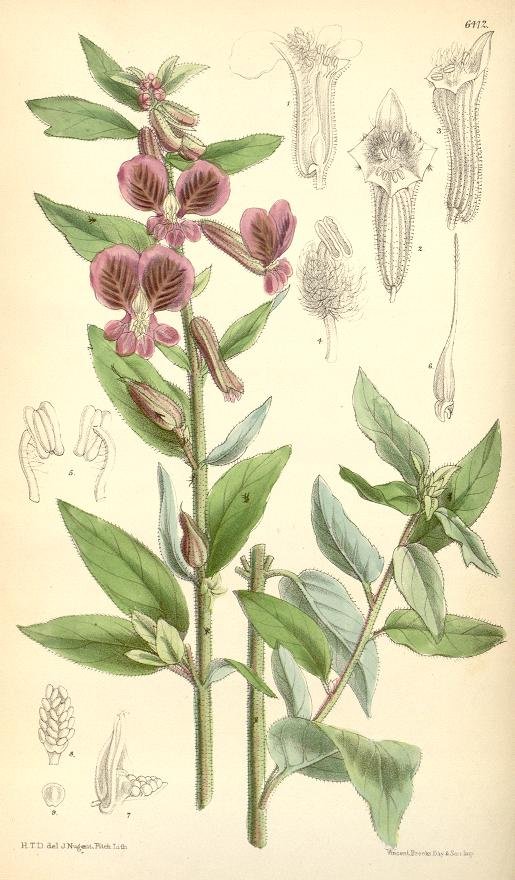
Cuphea species are small tropical plants native to the Amazon. What makes them fascinating is their oil. Unlike conventional oils, Cuphea oil contains medium-chain fatty acids, which are in high demand in industries like cosmetics, pharmaceuticals, and even specialty foods.
These plants grow well in tropical climates without requiring heavy inputs like fertilizers or pesticides, making them ideal for sustainable farming in the Amazon. Researchers are exploring Cuphea as a potential alternative oilseed crop, especially for areas where African oil palm might not thrive.
Fun Fact
Some Cuphea species produce seeds with more than 70% of their oil in a single fatty acid type, which is incredibly rare in the plant world.
The American Oil Palm: Elaeis oleifera (Kunth) Cortés
When most people hear “oil palm,” they think of the African species, which has fueled deforestation in Southeast Asia. But Elaeis oleifera, the American oil palm, is native to the Amazon and offers many advantages.
It grows slower than its African cousin, resists disease better, and produces oil with a higher proportion of unsaturated fats—healthier for both humans and the environment. Plus, it can integrate well into agroforestry systems, providing income without the ecological costs often associated with monoculture plantations.
Peach Palm: Bactris gasipaes Kunth
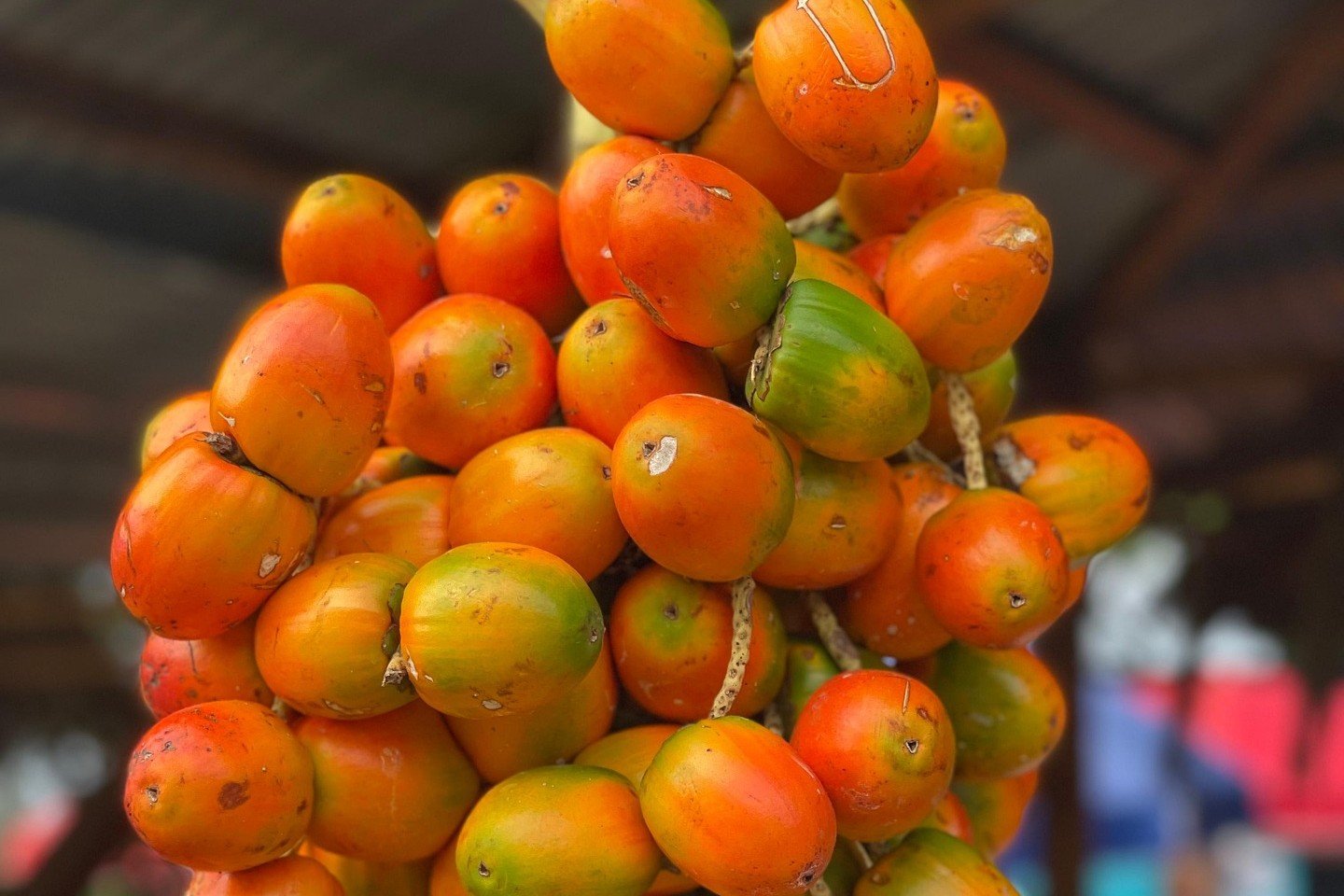
Bactris gasipaes, or peach palm, is a tropical staple in many parts of South and Central America. Its fruits are rich in carbohydrates and carotenoids, and the heart of the palm is considered a delicacy. Peach palm grows in diverse tropical soils and can be part of sustainable rainforest farming, making it a promising crop for food security initiatives.
Fun Fact
Peach palm fruits are often fermented to make traditional beverages in local Amazonian communities.
Amazon Crops with High Protein Potential
Plant-based protein is becoming a global priority, and the Amazon has untapped potential here too. Let’s explore two protein-rich crops that could reshape tropical agriculture.
Cowpea: Vigna unguiculata (L.) Walp.
Cowpea is already popular in Africa and parts of Latin America, but some Amazon varieties are underutilized. They grow well in tropical soils, provide high protein, and enrich the soil through nitrogen fixation. For farmers, this means less dependence on chemical fertilizers and more sustainable land management.
Cowpea is versatile—it can be boiled, roasted, or turned into flour. Plus, its adaptability makes it a prime candidate for tropical protein crops that can thrive under climate stress.
Ice Cream Bean: Inga paterno Harms
Ice Cream Bean, or Inga paterno, is a tree legume native to the Amazon. Its sweet, fluffy pulp tastes a bit like vanilla ice cream, hence the name. But beyond the flavor, it’s packed with protein, and its seeds can also serve as a source of nutrition.
This tree is perfect for agroforestry systems, fixing nitrogen and providing shade, all while producing a crop that people love to eat. It’s a beautiful example of how underutilized tropical crops can combine nutrition, sustainability, and economic opportunity.
Promising Amazon Fruits with Global Potential
The Amazon produces fruits that are not only exotic and flavorful but also packed with nutrients. Here are three you should know about.
Naranjilla: Solanum quitoense Lam.
Naranjilla, or Solanum quitoense, is a small fruit with a citrusy flavor, popular in Ecuador and Colombia. It’s rich in vitamins and antioxidants, making it an excellent addition to Amazonian superfruits collections for global markets.
Its cultivation is a bit tricky, requiring shade and well-drained soils, but its potential in specialty fruit markets is huge. Naranjilla can be turned into juices, jams, and even desserts, opening doors for small farmers to reach international buyers.
Soursop: Annona muricata L.
Soursop is one of the more well-known Amazonian fruits. Its large, spiky fruit is tangy, creamy, and full of nutrients and antioxidants. People are increasingly interested in soursop for smoothies, desserts, and functional foods.
Beyond nutrition, Annona muricata has medicinal properties used traditionally in local communities. By promoting sustainable cultivation of soursop, we can provide both food and income without harming the rainforest.
Mangaba: Hancornia speciosa Gomes
Hancornia speciosa, or mangaba, is a Brazilian fruit tree with a sweet and tangy flavor. Its fruits are perfect for juices, jellies, and snacks. Mangaba thrives in tropical soils and is drought-tolerant, which is increasingly important as climate conditions change.
Fun Fact
Mangaba trees can produce fruit for decades, offering long-term income for local farmers while helping maintain rainforest cover.
Benefits of Developing New Crops from the Amazon
Why focus on these nine crops? The benefits are wide-ranging.
First, they improve global food security by diversifying diets and providing alternatives to heavily farmed crops like wheat or rice. These plants also bring resilience—they can thrive in tropical climates, resist pests, and require fewer chemical inputs.
Second, they support sustainable agriculture. By integrating these crops into agroforestry systems, we protect biodiversity while producing food. Farmers can grow multiple crops on the same land, reduce soil degradation, and maintain ecosystem balance.
Finally, there are economic opportunities. Local communities can cultivate these crops for domestic consumption and international markets. As demand grows for Amazonian superfruits, specialty oils, and plant proteins, small-scale farmers can benefit while preserving their land.
Challenges to Scaling Amazon Crops
Of course, growing and marketing these crops isn’t without challenges.
Many are under-researched, meaning farmers and scientists need more data on best practices for yield, disease management, and processing. Developing supply chains for niche crops can be expensive, and global markets may take time to recognize their potential.
Additionally, sustainability is key. We must ensure that commercial cultivation doesn’t harm the rainforest. By working with local communities, scientists, and governments, we can expand these crops responsibly.
The Future of Amazon Crops in Global Agriculture
Looking ahead, Amazon crops could play a major role in feeding a growing population while protecting the planet. Scientists are exploring crop improvement, sustainable farming methods, and global market strategies for these plants.
By embracing these underutilized tropical crops, we can diversify diets, create resilient agricultural systems, and bring more biodiversity into our food supply. The Amazon is not just a forest; it’s a living library of edible treasures.
The Bottom Line
The Amazon rainforest offers us 8 remarkable crops that can change the way we grow, eat, and think about food. From Cuphea oilseed and peach palm to cowpea, ice cream bean, and exotic fruits like soursop and mangaba, these plants combine nutrition, sustainability, and economic opportunity.
If we harness their potential responsibly, we can improve global food security, support climate-resilient agriculture, and create new markets for local communities—all while preserving one of the world’s most precious ecosystems.
Are you ready to explore and support these amazing Amazon crops? Consider trying one in your next meal or learning more about sustainable tropical agriculture—you’ll be part of the movement to bring the rainforest to our tables responsibly.