










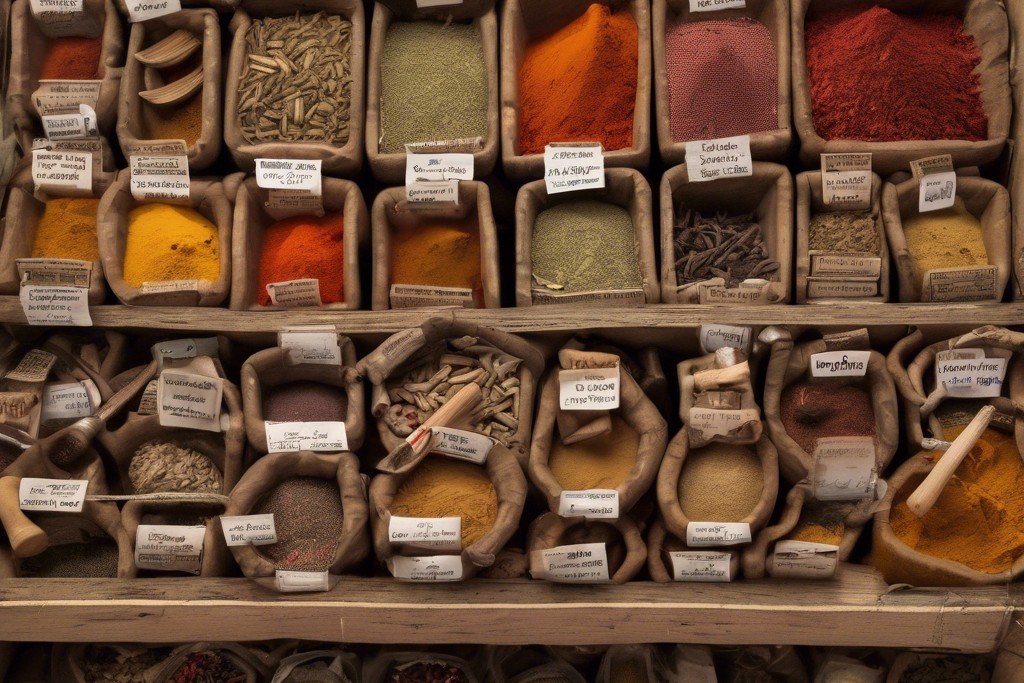
The article is about how ordinary plants became powerful drivers of global trade, shaping economies, empires, and the modern world you live in today.
“The roots of global trade are not just in markets and money, but in the soil where powerful plants first grew.” – The Economic Botanist
When you sip your morning coffee or add sugar to your tea, you’re taking part in a story that stretches back hundreds, even thousands, of years. At first glance, plants might seem simple. However, throughout history, certain crops have done far more than feed people. They built trade routes, created vast wealth, and even caused wars.
So, if you’ve ever wondered how global trade really began, the answer might surprise you. It didn’t start with banks or corporations. Instead, it began with seeds, soil, and human demand. In fact, the history of global trade plants reveals how deeply connected agriculture is to power, culture, and economics.
Let’s explore how a handful of plants shaped the modern world—and why their influence still matters today.
- What Are Plants That Shaped Global Trade?
- The Role of Plants in Early Global Trade Networks
- 10 Plants That Built Global Trade
- How These Plants Shaped Global Economies
- The Dark Side of Trade Crops and Colonial Systems
- Modern Legacy of Historical Trade Plants
- What You Can Learn from These Trade-Building Plants
- The Bottom Line
What Are Plants That Shaped Global Trade?
To begin with, we need to understand what makes a plant important in trade. These are often called cash crops—plants grown not just for food, but for profit. Unlike subsistence farming, where people grow what they eat, cash crops connect farmers to global markets.
Over time, these crops became the backbone of entire economies. For example, sugar, cotton, and tobacco didn’t just generate income. They shaped labor systems, trade policies, and even political power.
Moreover, economic botany examples show us how plants influence industries far beyond agriculture. In many cases, they sparked innovation, drove exploration, and connected distant regions of the world.
The Role of Plants in Early Global Trade Networks
As trade expanded, plants played a central role in connecting civilizations. For instance, the Silk Road didn’t just carry silk. It also moved spices, fruits, and agricultural knowledge across continents.
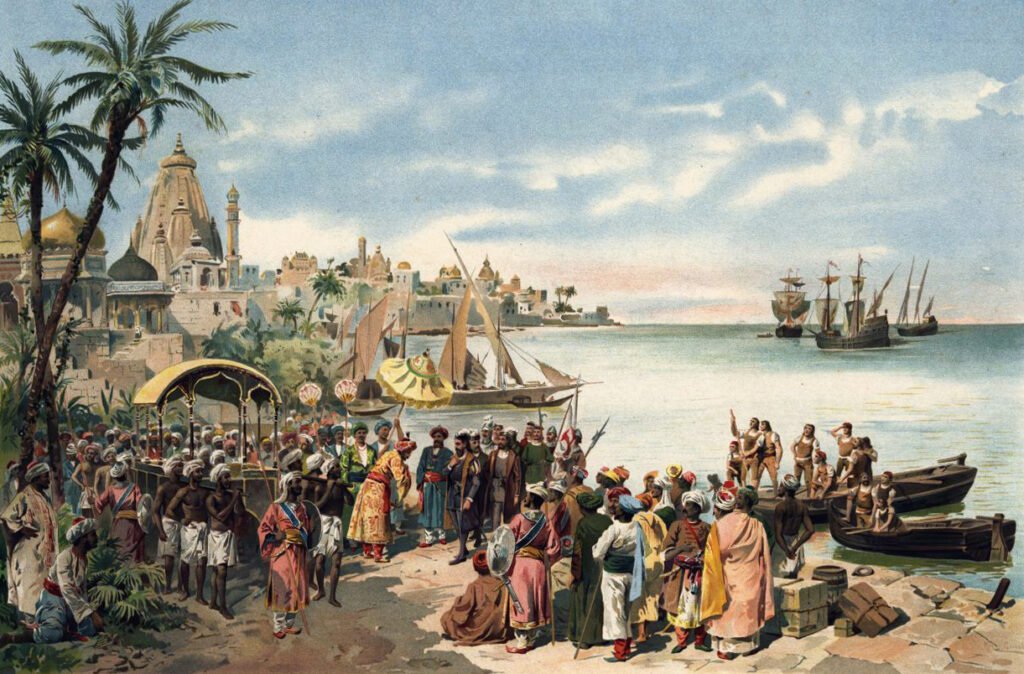
Similarly, maritime trade routes opened new paths for exchanging valuable crops. European explorers, driven by the desire for spices and wealth, traveled across oceans. As a result, global trade agriculture grew rapidly.
Then came the Columbian Exchange, which reshaped ecosystems and diets worldwide. Crops like maize, potatoes, and cacao crossed oceans, while sugar and coffee spread to new regions. Consequently, the global agriculture history we see today began to take shape.
10 Plants That Built Global Trade
1. Pepper and the Spice Trade Revolution
Pepper once held incredible value. In fact, people used it as currency in some regions. Because of its demand, the spice trade history became one of the earliest global industries.
As a result, European nations searched for direct routes to spice-producing regions. This pursuit led to major exploration efforts and the discovery of new trade routes.
2. Sugar and the Rise of Plantation Economies
Sugar transformed global trade like few other crops. At first, it was a luxury item. However, demand quickly grew, especially in Europe.
To meet this demand, colonial powers built large plantation systems. Unfortunately, these systems relied heavily on enslaved labor. Therefore, sugar trade history connects deeply with colonial agriculture systems and human exploitation.
Fun Fact
Sugar was once so valuable that it was called “white gold” in Europe.
3. Tea and the Expansion of Global Trade Agriculture
Tea became a major force in global trade, especially in British markets. As demand increased, trade networks expanded across Asia and Europe.
Eventually, tea played a key role in shaping international relations and economic strategies. Even today, it remains one of the most traded agricultural commodities.

4. Coffee and the Global Beverage Economy
Coffee started in Ethiopia but quickly spread across the Middle East and Europe. Soon, coffeehouses became centers of discussion, business, and culture.
Because of its popularity, coffee global trade impact continues today. Millions of farmers depend on it, and global demand shows no sign of slowing.
5. Cotton and the Industrial Revolution Boom
Cotton fueled one of the biggest economic shifts in history. During the Industrial Revolution, textile factories relied heavily on cotton supplies.
As a result, cotton industrial revolution history ties directly to industrial growth and global trade expansion. However, it also connects to forced labor and inequality.
6. Tobacco and Early Global Commerce
Tobacco quickly became a major export crop in the Americas. Because of its addictive nature, demand remained strong across Europe.
Consequently, tobacco trade history shows how a single crop can shape entire economies and trade systems.
7. Cocoa and the Global Love of Chocolate
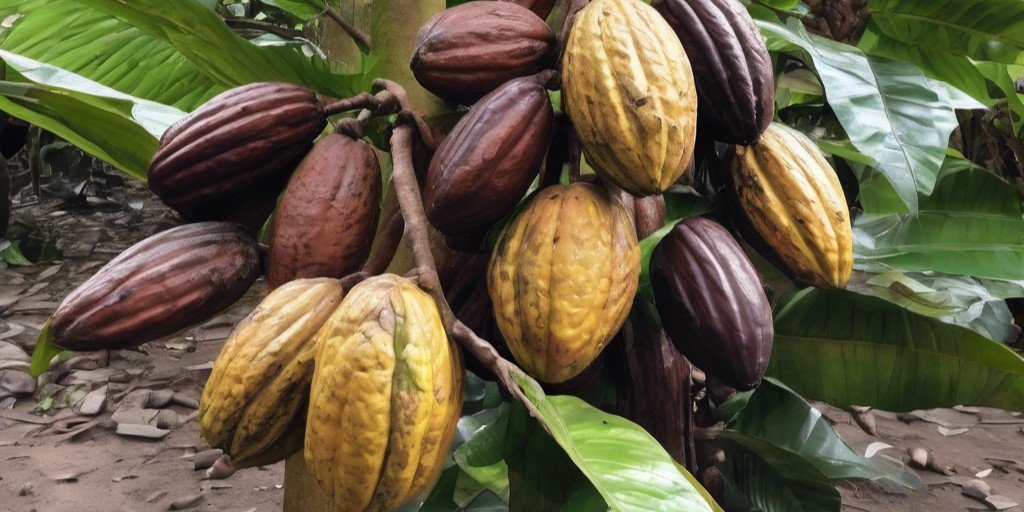
Cocoa began as a sacred crop in Mesoamerica. Later, Europeans transformed it into chocolate, turning it into a global commodity.
Today, cocoa trade history reflects both economic opportunity and challenges, including fair trade concerns and sustainability issues.
8. Rubber and Industrial Expansion
Rubber became essential during the industrial age, especially with the rise of automobiles. Because of this, demand surged worldwide.
Colonial powers expanded rubber production in Africa and Asia, often through harsh labor systems. Therefore, rubber trade history highlights both innovation and exploitation.
9. Bananas and the Rise of Corporate Trade Empires
Bananas may seem simple, but they played a major role in shaping modern trade. Large corporations controlled production and distribution, especially in Latin America.
As a result, the term “banana republic” emerged to describe economies heavily influenced by foreign companies. This reflects the complexity of global commodity chains agriculture.
Fun Fact
Bananas are one of the most traded fruits in the world, with billions consumed each year.
10. Opium and Trade Conflicts
Opium stands apart because of its direct link to conflict. British trade policies involving opium led to major disputes with China.
These tensions eventually sparked the Opium Wars, showing how plants and imperialism can collide with devastating consequences.
How These Plants Shaped Global Economies
As these crops spread, they created interconnected trade systems. Over time, global commodity chains linked farmers, traders, and consumers across continents.
Because of this, many countries became dependent on a few key exports. While this brought wealth to some regions, it also created economic risks.
Additionally, agricultural commodities history shows how prices, demand, and supply can shape entire nations. Even today, many economies rely heavily on cash crops.
The Dark Side of Trade Crops and Colonial Systems
While these plants built wealth, they also caused harm. For instance, plantation systems often depended on enslaved or forced labor.
Moreover, environmental damage followed large-scale farming. Forests were cleared, soil degraded, and ecosystems disrupted.
Therefore, when we study plants that shaped global trade, we must also consider their human and environmental costs.
Modern Legacy of Historical Trade Plants
Today, many of these crops still dominate global markets. Coffee, sugar, and cotton remain essential to international trade.
However, the way we grow and trade them has evolved. Modern systems focus more on efficiency, sustainability, and ethical sourcing.
Even so, challenges remain. Issues like climate change, fair wages, and environmental protection continue to shape global agriculture history.
What You Can Learn from These Trade-Building Plants
So, what does all this mean for you?
First, it shows that everyday products carry deep histories. When you buy coffee or chocolate, you participate in a global system shaped over centuries.
Second, it highlights the importance of responsible consumption. Choosing fair trade products can support better labor practices and sustainability.
Finally, it reminds us that plants are more than just resources. They are powerful forces that connect people, cultures, and economies.
The Bottom Line
Plants have quietly shaped the world in ways many people never realize. From spice routes to industrial factories, they built the foundation of global trade.
At the same time, their history reveals both progress and problems. While they created wealth and connection, they also exposed inequality and exploitation.
As you move through your daily life, it’s worth pausing to consider the origins of the products you use. Because behind every cup of coffee or bar of chocolate lies a story of global trade, human effort, and natural power.
If you found this article insightful, consider exploring the origins of the products you use every day—and choose options that support ethical and sustainable global trade.