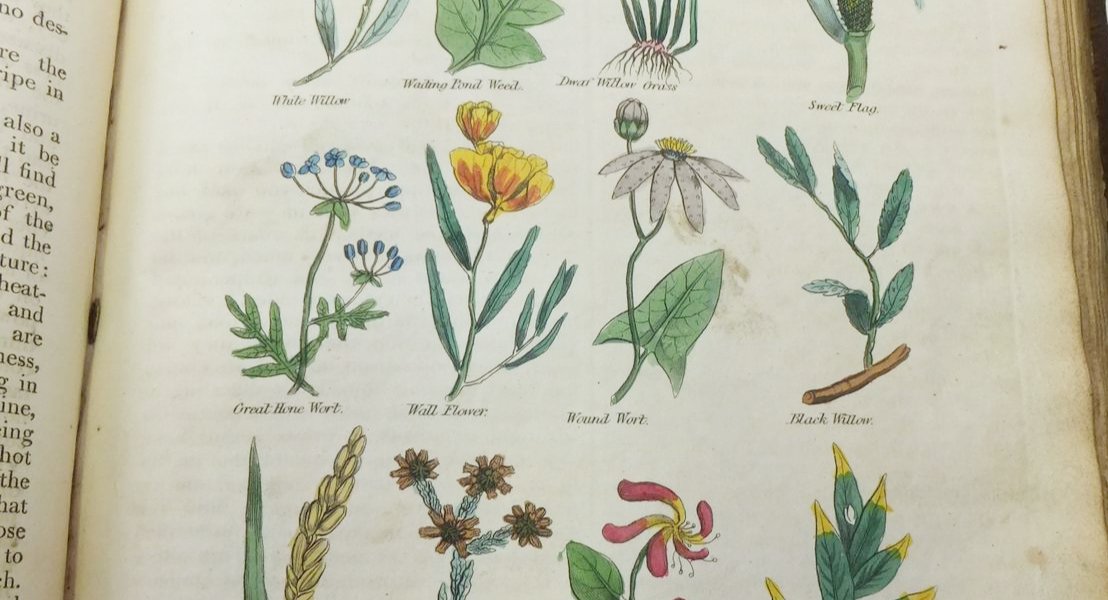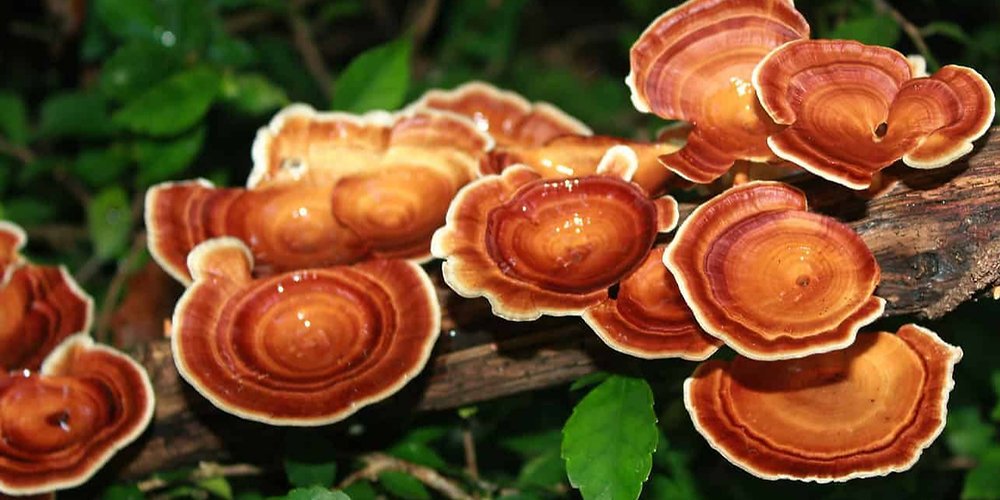

The article is about understanding how medicinal plants from the Brazilian Amazon forest are studied and used as antitumor agents in a way that makes sense to you.
“Nature often whispers the cure for what ails us, if we only take time to listen.” — The Economic Botanist
When you hear the words “medicinal plants from the Amazon”, you might picture exotic leaves, mysterious shamans, or ancient remedies that have been passed down through generations. And while all of that plays a part, there’s a deeper story. This story blends traditional knowledge with serious scientific research. It shows how Amazon rainforest medicinal plants are being studied for antitumor potential—meaning substances that could help fight or prevent cancer. You might have heard of some of these plants before, but understanding how they work, what evidence supports them, and how scientists think about them helps you separate hopeful science from hype.
In this article, you’ll learn about the science behind Amazon cancer fighting plants, how they interact with tumors, and what research supports their use. You’ll also see how indigenous wisdom and modern laboratories work together to uncover nature’s secrets. By the time you finish reading, you’ll understand why people focus so much on plant-based cancer therapy from the Amazon and how this connects with real-world research.
Why the Amazon Forest is a Treasure for Antitumor Research
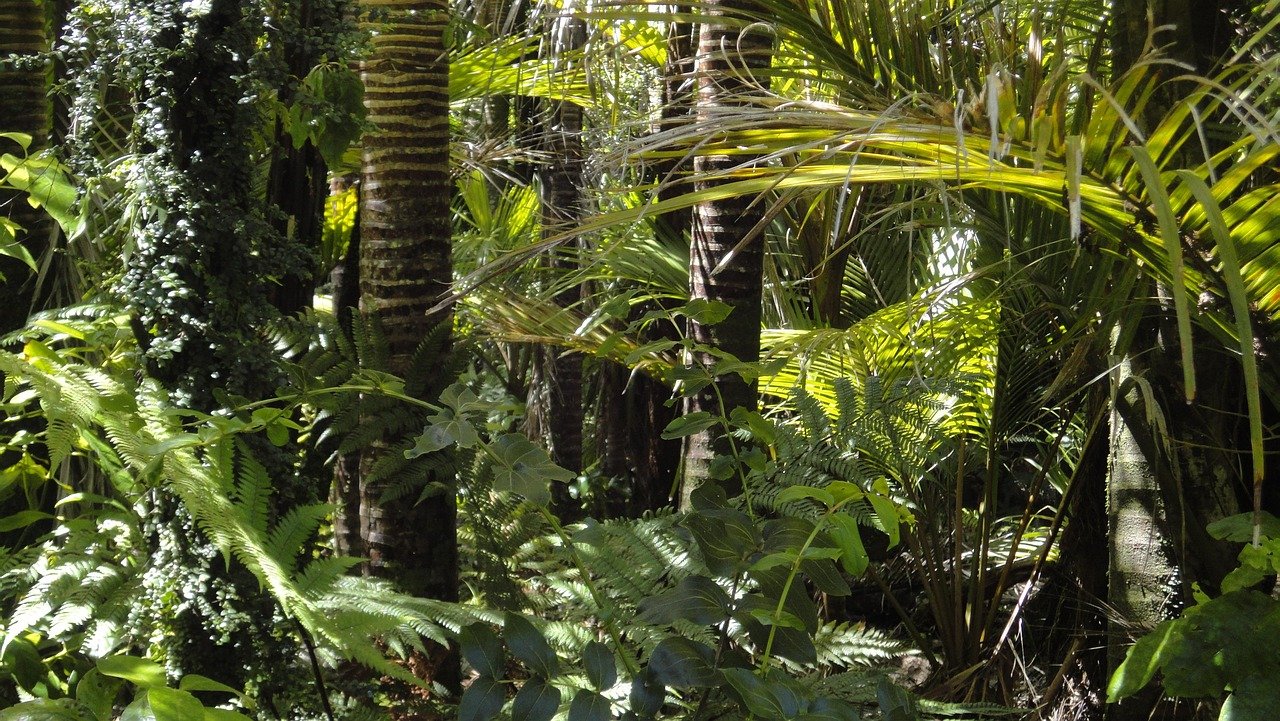
The Amazon is one of the most biodiverse places on Earth. It houses thousands of plant species that you won’t find anywhere else. Because of this biodiversity, researchers are constantly exploring Amazon plant extracts for tumor inhibition and other health benefits.
Before we dig into specific plants, it helps to know why scientists are so interested in this region:
- Huge biodiversity means millions of compounds to test. Some of these act like anticancer phytochemicals—natural substances that can slow down or stop cancer cell growth.
- Traditional Amazon medicine gives clues about which plants to study, saving researchers time and resources.
- Phytochemicals from rainforest plants include powerful groups such as alkaloids, flavonoids, terpenoids, and polyphenols, many of which show promise in early research as cancer-fighting agents.
When you learn about Amazon herbal medicine, you begin to see patterns: plants used for centuries to reduce inflammation or fight infections often contain compounds that, in controlled settings, show antitumor activity in lab studies.
Fun Fact
Some Amazon plants make chemicals that are toxic to insects or microbes. Those same chemicals sometimes block cancer cells from growing in lab tests. Scientists call this chemical defense crossover.
What Makes Plants Useful Against Tumors?
Cancer is incredibly complex. It’s not just one disease, so no single plant can cure it all. But many plants contain compounds that do one or more of the following in lab studies:
- Induce apoptosis, which is programmed cell death (this is what healthy cells do when they’re damaged).
- Prevent angiogenesis, which stops tumors from building new blood vessels they need to grow.
- Reduce inflammation in areas where tumors thrive.
- Work as antioxidants, preventing DNA damage that can lead to tumor formation.
These mechanisms don’t mean a plant cures cancer in humans. Instead, they show ways plant compounds affect processes linked with cancer cell growth or survival.
10 Medicinal Plants from the Amazon Used in Antitumor Research
In this section, we will explore ten Amazon cancer fighting plants studied for their antitumor potential. For each, you’ll see what’s known from traditional use, what science has discovered, and where the research still needs work.
1. Cat’s Claw (Uncaria tomentosa DC.)
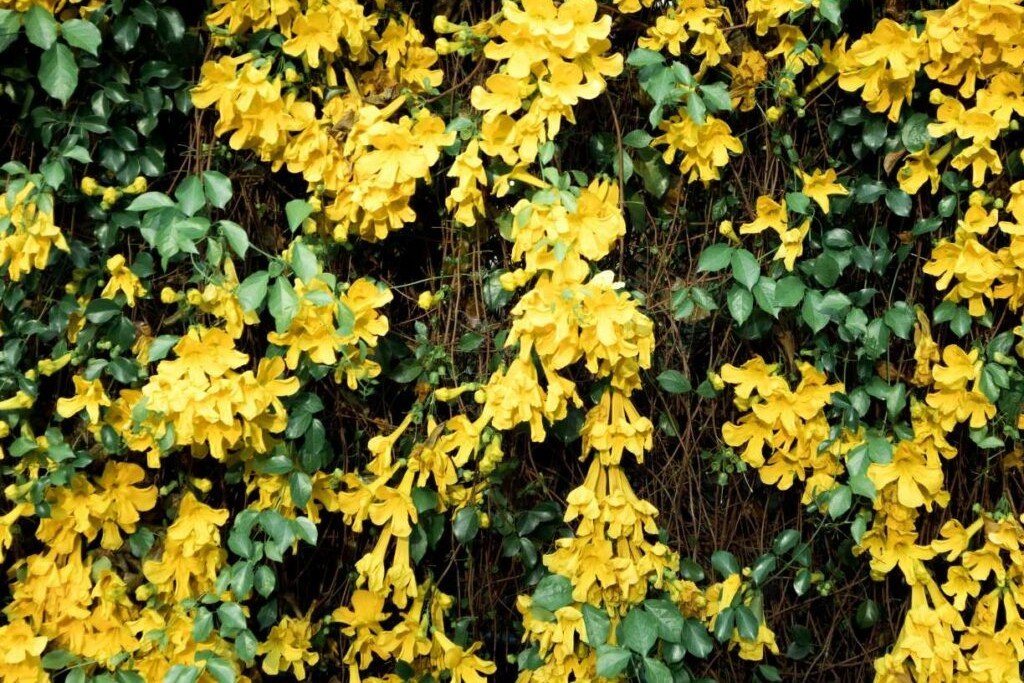
Cat’s claw vine grows deep in the Amazon forest and has been used traditionally to support immune health and treat infections. Scientific interest focuses on its oxindole alkaloids, compounds that may boost your immune response and trigger cancer cell death in lab settings.
Studies show cat’s claw extracts can help immune cells target abnormal cells effectively, and lab research suggests apoptosis induction in cancer cells. While clinical evidence in humans is limited, these findings highlight powerful immune-modulating activity.
2. Soursop (Annona muricata L.)
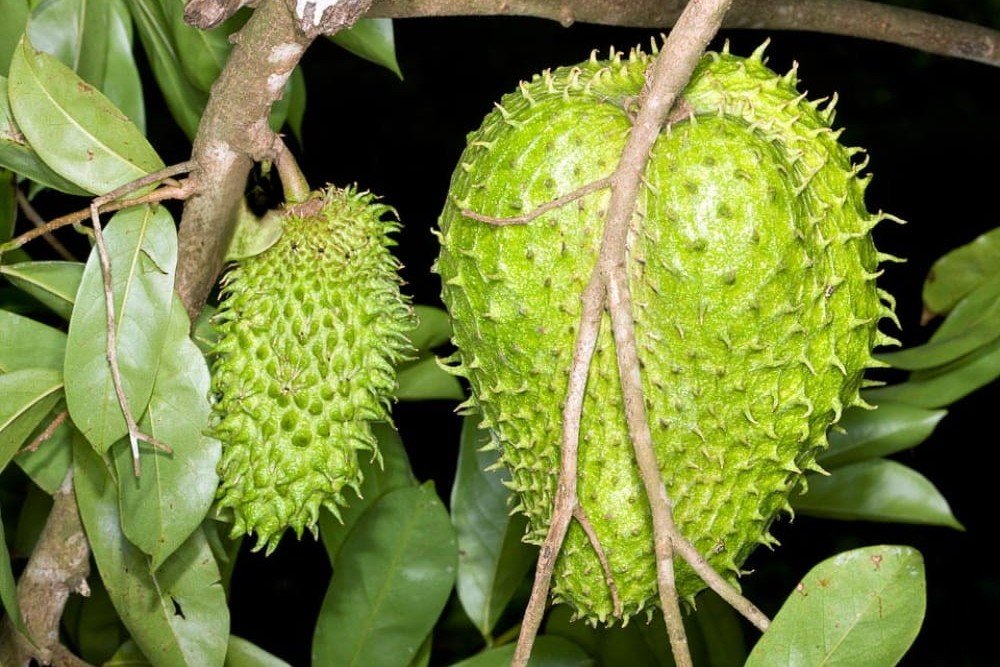
You might know soursop as a tropical fruit drink or dessert ingredient. But its leaves and bark contain acetogenins, a group of compounds that show potent cytotoxic (cell-killing) activity against cancer cells in laboratory studies.
Research shows acetogenins can disrupt energy production in cancer cells, slowing their growth. However, scientists caution that much of this work is in cells or animal models, not humans. You should treat claims that soursop cures cancer skeptically. Still, it’s a promising lead for future anti-cancer drug development.
3. Lapacho (Tabebuia impetiginosa (Mart. ex DC.) Toledo)
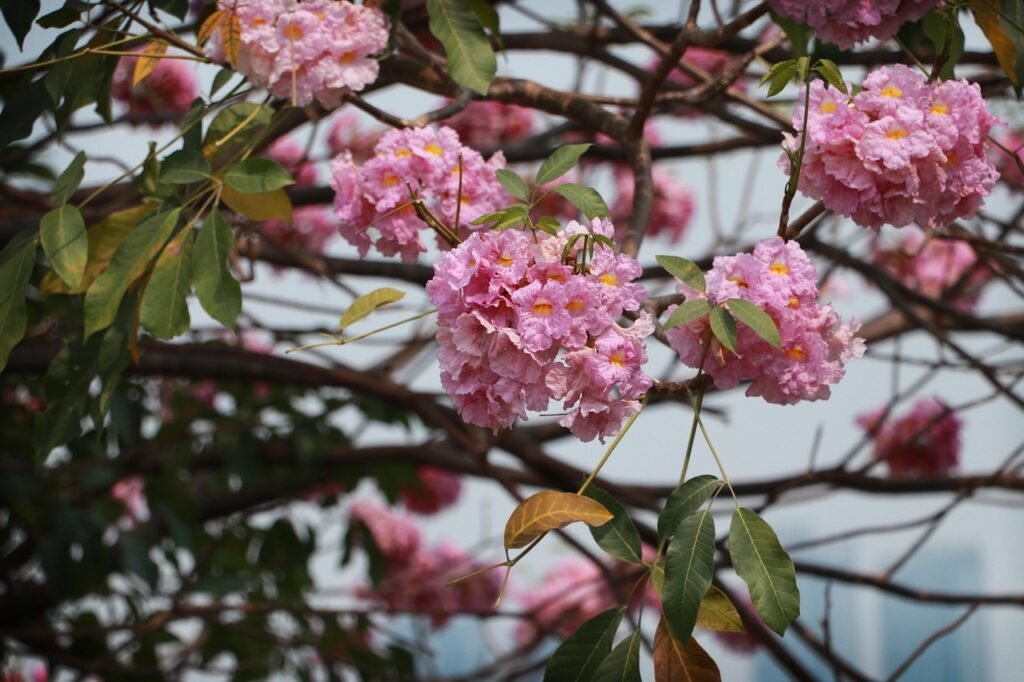
Lapacho, also called Pau d’Arco, comes from the bark of a tall Amazon tree. Indigenous peoples have used the bark to reduce fever and treat infections. Modern research looks at lapachol and beta-lapachone, compounds showing anti-inflammatory and antiproliferative effects on cancer cell cultures.
Lab studies show these chemicals can disrupt DNA replication in tumor cells, which suggests potential tumor inhibition. But lapacho can also irritate the gut in high amounts and is not proven safe or effective for cancer treatment in people.
4. Copaíba (Copaifera langsdorffii Desf.)
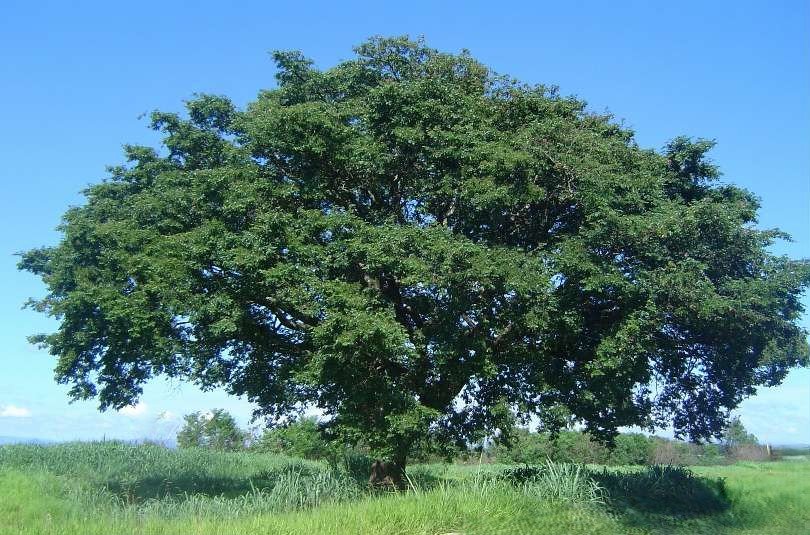
Copaíba trees produce a thick oil that locals have long used for wounds and inflammation. The oil contains sesquiterpenes, especially beta-caryophyllene, which may reduce inflammation and exhibit cytotoxic effects in test tubes.
In studies, copaiba oil slowed down the growth of certain cancer cell lines. Researchers believe this activity stems from how the compounds interfere with cellular stress pathways.
5. Carapa (Carapa guianensis Aubl.)
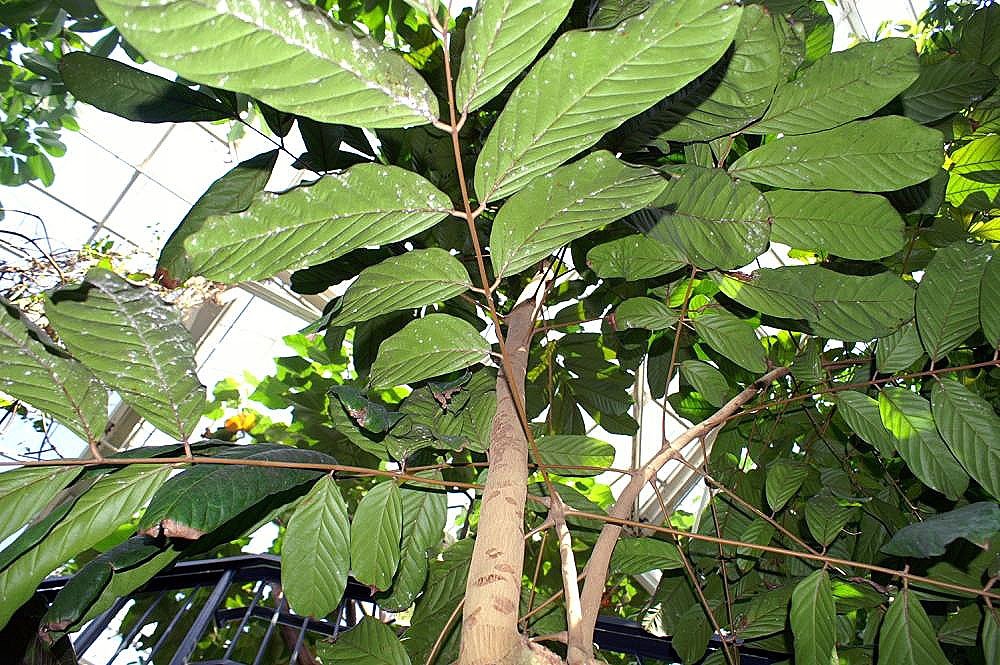
Carapa, also known as Andiroba, is another Amazonian tree valued for its oil. The oil contains limonoids, a group of compounds with anti-inflammatory and immune-modulating properties. While direct evidence of tumor inhibition is limited, the anti-inflammatory action suggests a role in supporting body defenses.
Inflammation fuels many types of cancer, so reducing chronic inflammation aligns with what scientists know about lowering risk.
6. Jatobá (Himatanthus sucuuba (Spruce) Woodson)
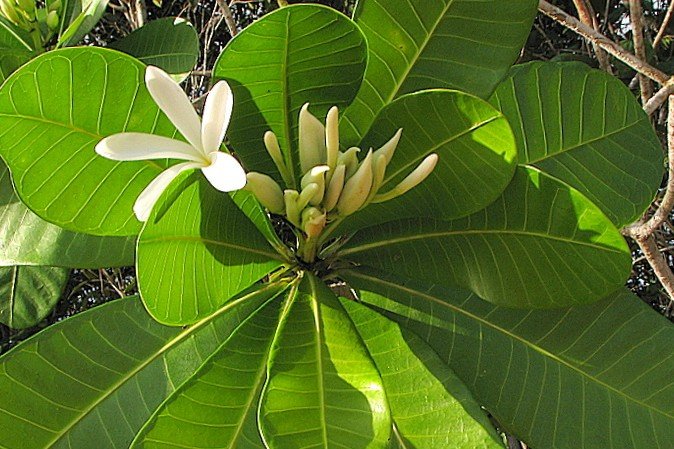
The latex of Jatobá tree has been used traditionally to address infections and digestive issues. Early laboratory studies show the latex contains compounds that might disrupt cancer cell growth. Most research is still in preliminary stages, focusing on chemical profiles rather than clinical benefits.
7. Espinheira-Santa (Maytenus ilicifolia Mart. ex Reissek)
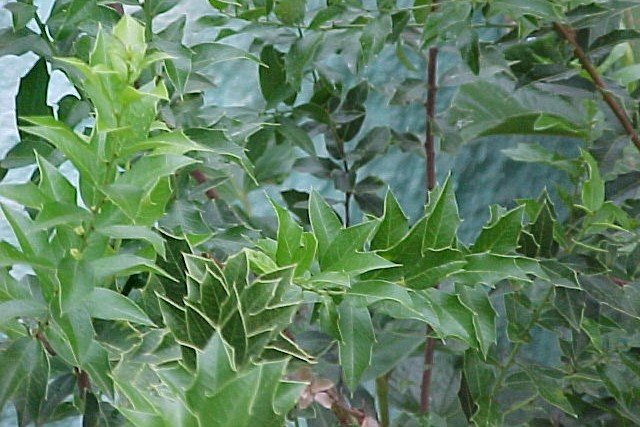
This plant grows not just in the Amazon but across Brazil. Traditional use focuses on digestive health. However, researchers have found triterpenes in its leaves may slow the growth of some tumor cells in lab settings. These findings point to potential antitumor mechanisms but need more study.
8. Guarana (Paullinia cupana Kunth)
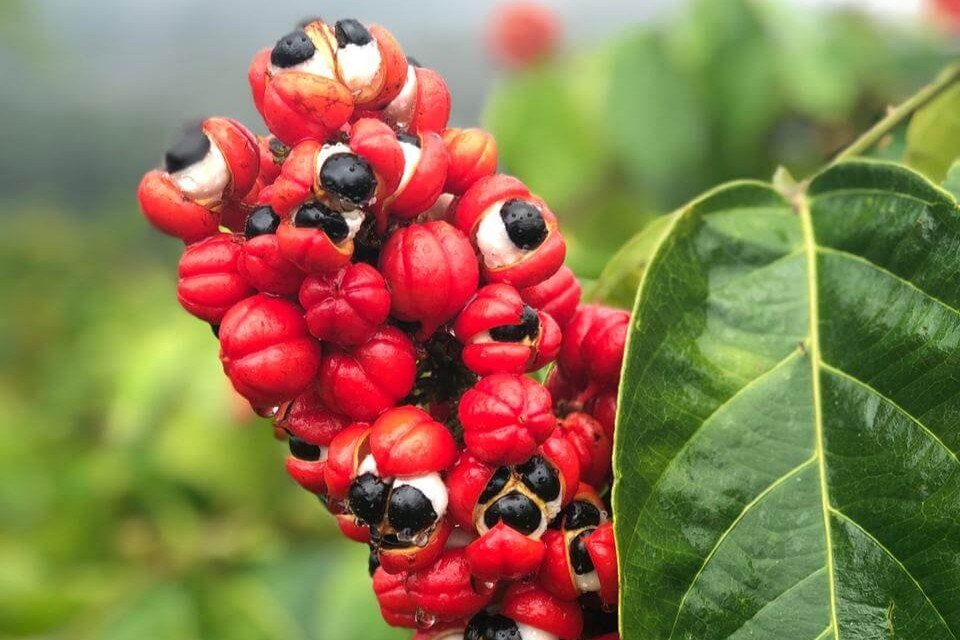
Guarana seeds are famous for caffeine and antioxidants. Some antioxidants, especially flavonoids, help protect cells from oxidative stress—a factor in cancer development. While guarana isn’t a direct antitumor agent, its antioxidant support plays a role in reducing DNA damage that could lead to tumor growth.
Fun Fact
Guarana seeds contain nearly twice as much caffeine as coffee beans, but they also pack 20–30 different antioxidant compounds that work together to protect cells.
9. Dragon’s Blood (Croton lechleri Müll.Arg.)
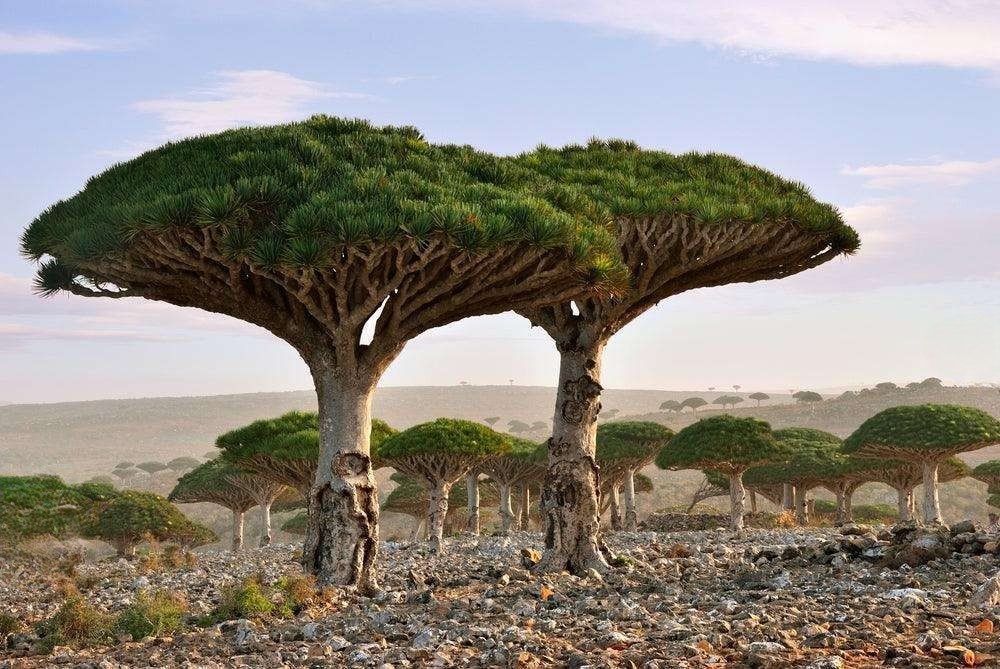
Dragon’s Blood is a red resin from the Croton tree. It’s used traditionally for wound healing and skin issues. Some studies show components called proanthocyanidins have antioxidant and anti-inflammatory effects. In lab research, these compounds sometimes reduce abnormal cell growth, but evidence is still early.
10. Açaí (Euterpe oleracea Engel)
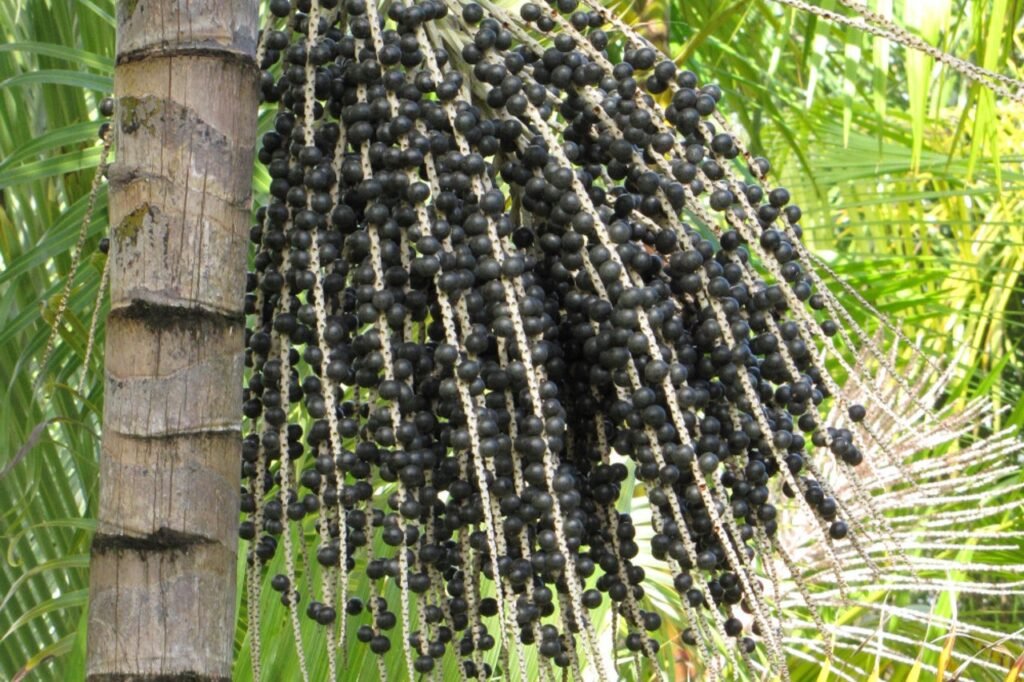
Açaí berries get a lot of press as a “superfood,” and rightfully so: they are rich in anthocyanins and antioxidants. These compounds may slow DNA damage and reduce inflammation, factors linked to tumor formation. Açaí research focuses on how its antioxidants affect general cellular health rather than direct tumor killing.
Risks, Safety, and Ethical Considerations
Just because a plant shows activity in a lab doesn’t mean you should take it yourself. Many powerful plant compounds can interact with medications or cause side effects. For example:
- Soursop compounds may affect nerve cells at high doses.
- Lapacho high doses can cause gastrointestinal distress.
Always talk with a healthcare provider before using plant extracts, especially if you’re on medication or undergoing cancer treatment.
There’s also an ethical side. Many Amazon plants belong to Indigenous communities who have used them for centuries. As pharmaceutical companies study and develop drugs from these sources, issues like biopiracy and benefit sharing become important. Ethical research must respect Indigenous knowledge, protect biodiversity, and ensure fair compensation.
The Bottom Line
Medicinal plants from the Brazilian Amazon forest show exciting antitumor potential in scientific research, and many are rooted in centuries of traditional use. Compounds from plants like cat’s claw, soursop, and lapacho demonstrate effects in lab studies that point toward future drug development. But it’s important to stay grounded: these findings are early, mostly preclinical, and not proven cancer cures.
What you can take away is this: nature provides remarkable chemical diversity, and traditional Amazon medicine offers valuable clues. Combined with rigorous scientific research, these plant-based cancer therapy leads could inspire tomorrow’s breakthroughs.
Interested in how plant science and medicine intersect? Subscribe for updates on new research and practical guides to nature-based health insights.
Disclaimer: This article is for informational and educational purposes only. The medicinal plants and compounds discussed are not proven cures for cancer, and you should not use this information to self-medicate or replace professional medical care. Always consult with a qualified healthcare professional before using any herbal remedies, supplements, or alternative treatments, especially if you are undergoing cancer treatment or taking prescription medications.