





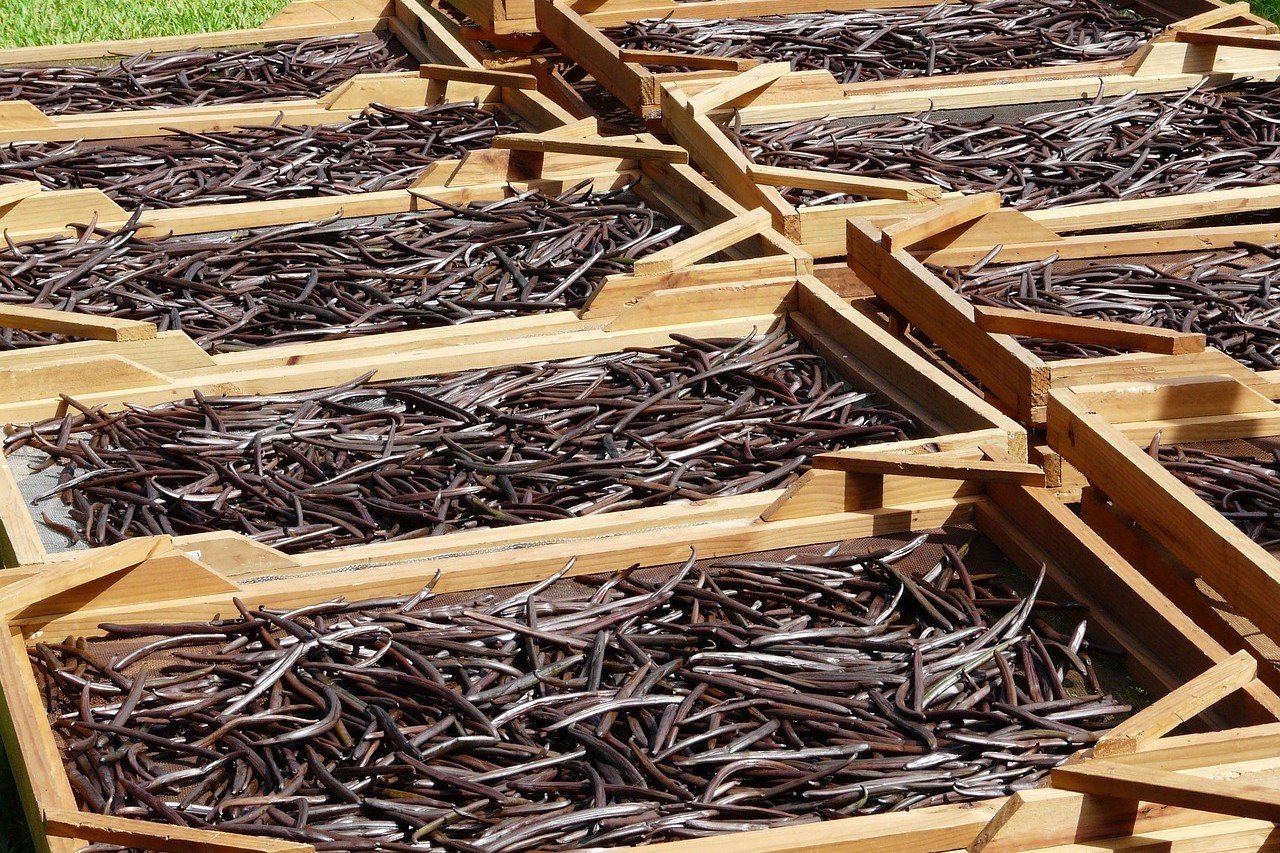
The article is about why vanilla is so expensive and the surprising mix of farming, labor, and global demand that drives up its price.
“Vanilla is not expensive by accident—it is the result of time, touch, and nature working in rare harmony.” – The Economic Botanist
Vanilla shows up everywhere—from your morning latte to your favorite dessert. So, it might surprise you to learn that real vanilla is one of the most expensive spices in the world, second only to saffron. At first glance, that doesn’t seem to make sense. After all, it’s just a flavor, right?
However, once you look closer, you start to see the bigger picture. Vanilla is not just a simple ingredient. Instead, it is the result of a long, delicate, and highly manual process that depends on nature, timing, and skilled human effort. Because of this, the price of vanilla beans has remained high and often unpredictable.
So, if you’ve ever wondered why vanilla is so expensive, you’re about to get a clear and approachable answer. Let’s break it down step by step.
- What Makes Vanilla Beans So Valuable?
- The Vanilla Farming Process is Slow and Demanding
- Pollination Challenges Increase Vanilla Cost
- The Harvesting and Curing Process Adds More Time
- Supply Chain Issues and Global Distribution
- Rising Demand in the Global Vanilla Market
- Environmental Factors and Climate Challenges
- Vanilla Price Fluctuations Over Time
- Sustainability and Ethical Vanilla Farming
- The Future of Vanilla Production
- The Bottom Line
What Makes Vanilla Beans So Valuable?
To begin with, not all vanilla is created equal. When you see “vanilla flavor” on a label, it often comes from synthetic vanillin, which scientists can produce in a lab. While it mimics the main flavor compound, it lacks the full depth of real vanilla.
On the other hand, natural vanilla beans contain hundreds of flavor compounds. As a result, they deliver a rich, complex taste that artificial versions simply can’t match. Because of this, chefs, bakers, and food companies continue to seek out authentic vanilla, even at a higher cost.
Moreover, this strong demand for natural vanilla plays a big role in the overall vanilla price. As more people choose natural and organic products, the demand keeps rising, which pushes prices even higher.
The Vanilla Farming Process is Slow and Demanding
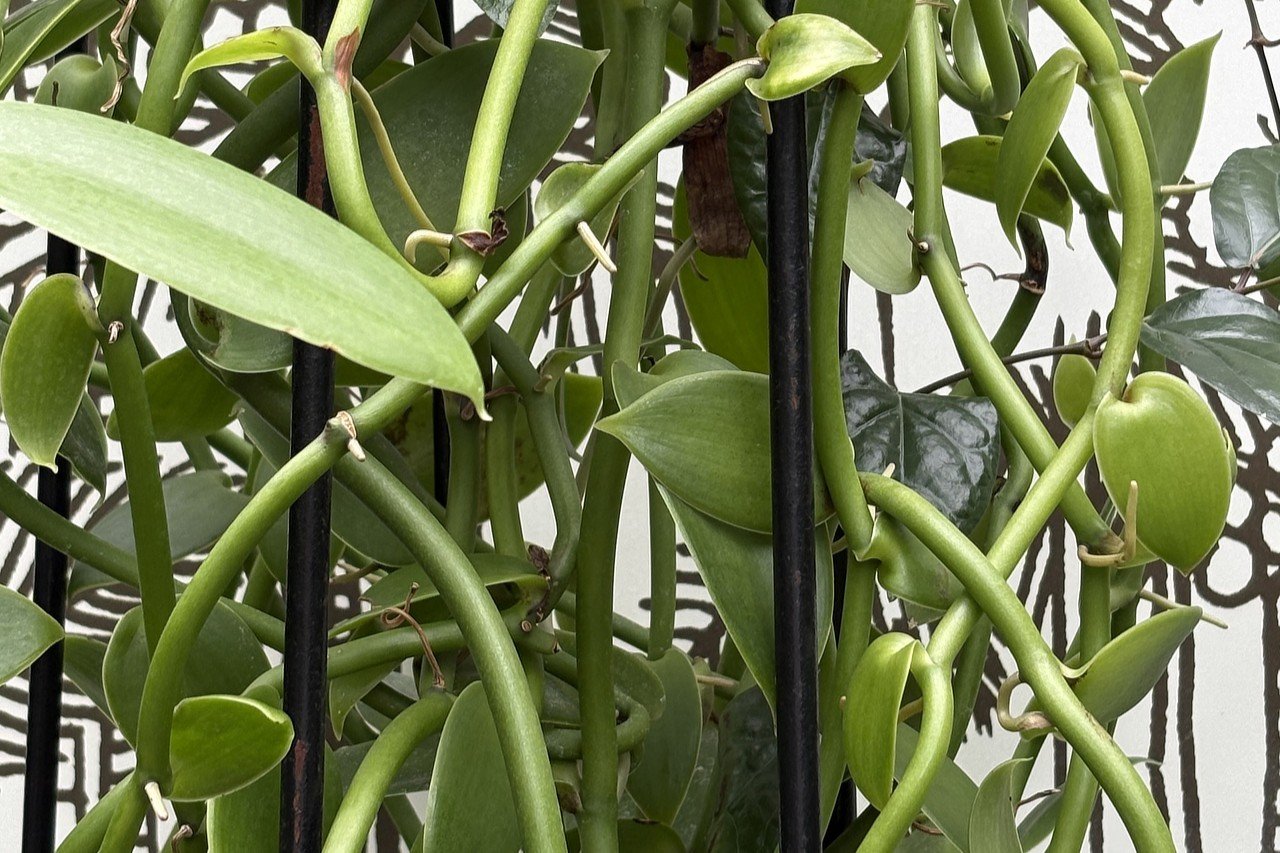
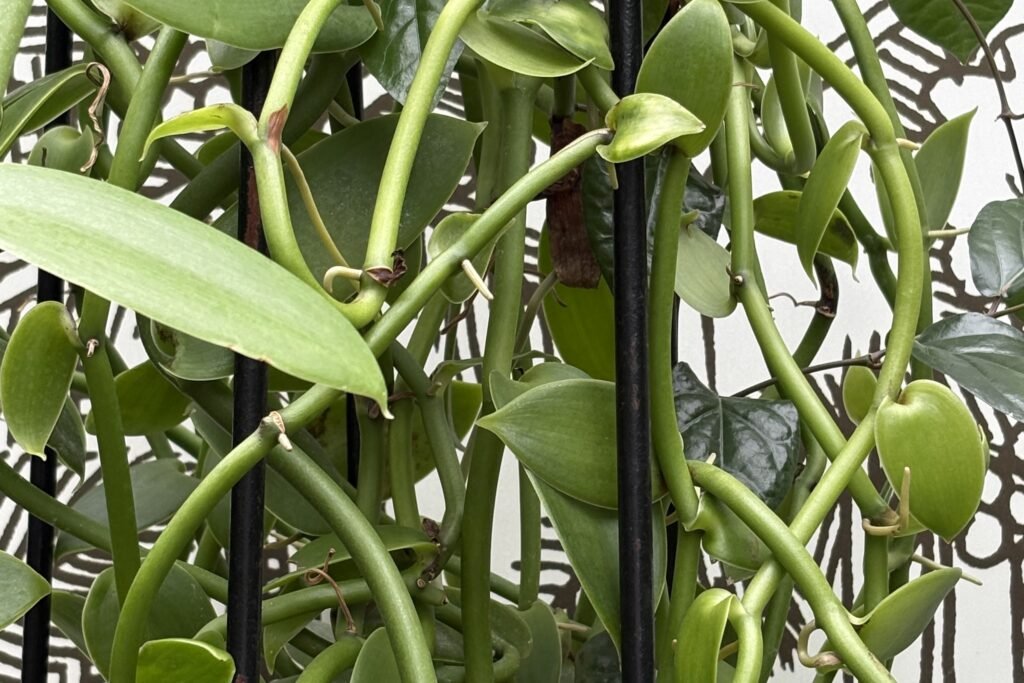
Next, let’s talk about how vanilla is grown. Unlike many crops, vanilla farming requires patience and very specific conditions. Vanilla comes from an orchid plant, and these orchids only grow well in tropical climates.
Because of this, most of the world’s vanilla production comes from places like Madagascar, Indonesia, and parts of Mexico. These regions offer the heat, humidity, and rainfall that vanilla plants need to survive.
However, even in the right environment, vanilla plants take time. In fact, it can take three to four years before a plant produces its first flowers. After that, farmers still need to wait for the right moment to begin the pollination process.
So, right away, you can see one major factor behind the high cost of vanilla: time. Farmers must invest years of work before they see any return.
Pollination Challenges Increase Vanilla Cost
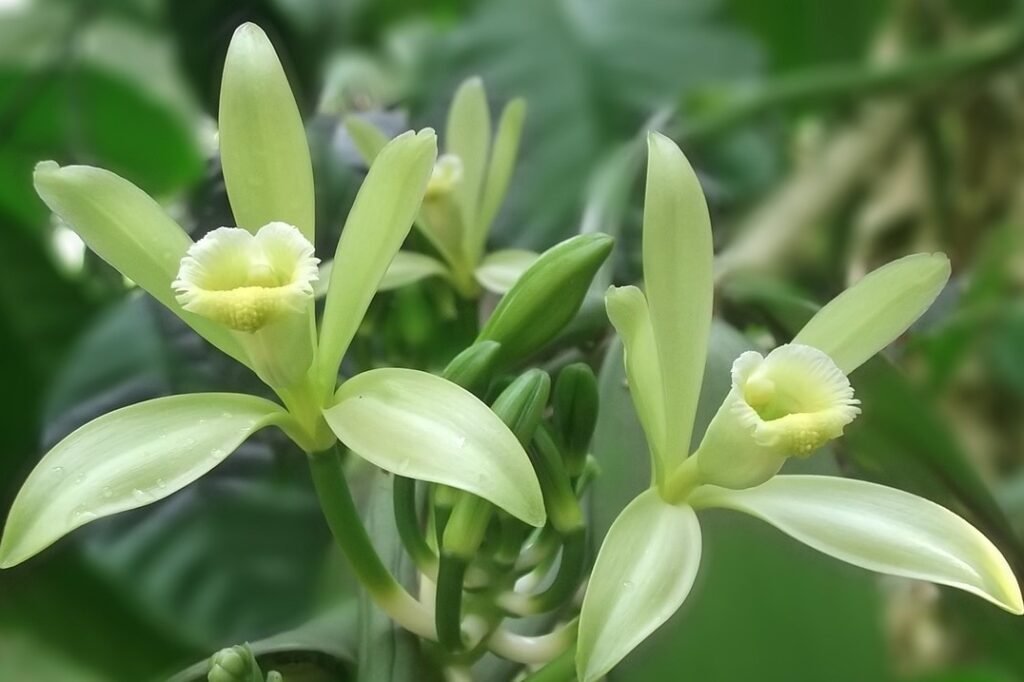
Here’s where things get even more complicated. Vanilla flowers bloom for just one day. That’s right—each flower opens in the morning and closes by the afternoon. If it isn’t pollinated during that short window, it won’t produce a vanilla bean.
Originally, a specific type of bee handled this job in the wild. However, in most vanilla-growing regions today, those bees are not present. Because of this, farmers must pollinate each flower by hand.
This process requires skill, speed, and careful timing. Workers use a small tool to transfer pollen from one part of the flower to another. They repeat this process for every single flower.
As you can imagine, this takes a lot of labor. Since labor costs add up quickly, they play a major role in the rising vanilla price.
Fun Fact
A skilled worker can pollinate up to 2,000 vanilla flowers in a single day—but only during the short blooming season.
The Harvesting and Curing Process Adds More Time
After pollination, the vanilla beans begin to grow. However, they are not ready for harvest right away. Farmers must wait about 8 to 9 months before the beans mature.
Even then, the work is far from over. Fresh vanilla beans do not have much flavor. In fact, they need to go through a long curing process to develop their signature aroma.
This curing process includes several steps:
- Blanching the beans in hot water
- Sweating them in the sun
- Drying them slowly over weeks or months
- Conditioning them to develop full flavor
Altogether, this process can take several months. During this time, farmers must carefully monitor temperature, humidity, and timing. If something goes wrong, the entire batch can lose quality.
Because of this, the effort required to produce high-quality vanilla beans is much higher than most other crops.
Supply Chain Issues and Global Distribution
Now, let’s look beyond the farm. Even after vanilla beans are harvested and cured, they still need to reach global markets.
Most vanilla travels long distances before it reaches your kitchen. For example, beans grown in Madagascar often ship to Europe or North America for processing and packaging.
Because of this, transportation costs, shipping delays, and supply chain disruptions can all affect the final vanilla cost.
In addition, natural disasters can have a major impact. Cyclones in Madagascar, for instance, have destroyed large portions of vanilla crops in the past. When supply drops suddenly, prices can spike almost overnight.
So, while farming plays a big role, global logistics also contribute to why vanilla is expensive.
Rising Demand in the Global Vanilla Market
At the same time, demand for vanilla continues to grow. Food companies, bakeries, and even cosmetic brands use vanilla in their products.
As more people choose natural ingredients, the demand for real vanilla has increased. This shift away from artificial flavors has added pressure to the already limited supply.
Because of this, the global vanilla market often struggles to keep up. When demand rises faster than supply, prices naturally go up.
Additionally, premium vanilla beans attract higher prices due to their quality. So, if you want the best flavor, you will likely pay more.
Environmental Factors and Climate Challenges
Another important factor is the environment. Vanilla plants are sensitive to changes in weather and climate.
For example, too much rain can cause disease, while too little can slow growth. Strong winds and storms can damage vines and reduce harvest yields.
Climate change has made these conditions more unpredictable. As a result, vanilla farmers face greater risks each year.
Because of this uncertainty, the vanilla supply can vary from season to season. When production drops, prices often rise.
Fun Fact
About 70–80% of the world’s vanilla supply comes from Madagascar, making the global market highly dependent on one region.
Vanilla Price Fluctuations Over Time
If you look at the history of vanilla prices, you’ll notice a pattern of ups and downs. Some years, prices remain stable. In other years, they spike dramatically.
These changes often come from a mix of factors:
- Weather events
- Political instability
- Changes in demand
- Supply chain disruptions
For example, after major storms in Madagascar, vanilla prices have reached record highs. Then, as supply recovers, prices may drop again.
Because of this, the vanilla industry remains highly unpredictable. This volatility affects everyone, from farmers to consumers.
Sustainability and Ethical Vanilla Farming
As the industry grows, more people are paying attention to sustainability. Vanilla farming can provide income for small farmers, but it also comes with challenges.
Some farmers struggle with low wages, while others face pressure from fluctuating prices. Because of this, organizations have started promoting fair trade and ethical sourcing.
When you buy sustainably sourced vanilla, you help support farmers and encourage better farming practices. While these products may cost more, they often reflect the true value of the work involved.
At the same time, companies are exploring new ways to grow vanilla more efficiently. Some are even researching lab-grown alternatives that could reduce pressure on natural supply.
The Future of Vanilla Production
Looking ahead, the future of vanilla remains uncertain but promising. On one hand, demand continues to grow. On the other hand, innovation may help stabilize supply.
For example, scientists are studying ways to improve vanilla cultivation and protect crops from disease. Meanwhile, farmers are adopting better techniques to increase yield and quality.
However, even with these improvements, vanilla will likely remain a premium product. Its unique flavor, combined with the effort required to produce it, ensures that it will always hold value.
The Bottom Line
So, why is vanilla so expensive? The answer comes down to a combination of time, labor, environment, and demand.
Vanilla farming takes years of preparation, careful hand pollination, and a long curing process. At the same time, global demand continues to rise, while supply remains limited and vulnerable to disruption.
Because of all these factors, the high cost of vanilla reflects its true complexity. It is not just a flavor—it is the result of nature and human effort working together in a very precise way.
When you choose real vanilla, you are not just paying for taste. You are supporting a process that spans years, involves skilled labor, and depends on delicate environmental conditions.
If you found this helpful, take a closer look at the ingredients in your pantry and try choosing real vanilla next time—you may notice the difference more than you expect.