




The article is about the most important timber trees in the world, how they are used, and why they matter in everyday life—from homes to furniture to global trade.
“The story of timber is the story of human progress—rooted in forests, shaped by hands, and carried into the future with responsibility.” – The Economic Botanist
When you look around your home, you may not think much about wood. However, timber plays a huge role in your daily life. From the floors you walk on to the furniture you use, timber trees support entire industries and economies. At the same time, they shape ecosystems and influence how we manage our planet.
So, in this article, we’ll explore the most valuable timber trees, why they matter, and how you can make smarter, more sustainable choices. Along the way, we’ll break down complex ideas into simple terms so you can feel confident about understanding timber like a pro.
Understanding Timber Trees and Why They Matter
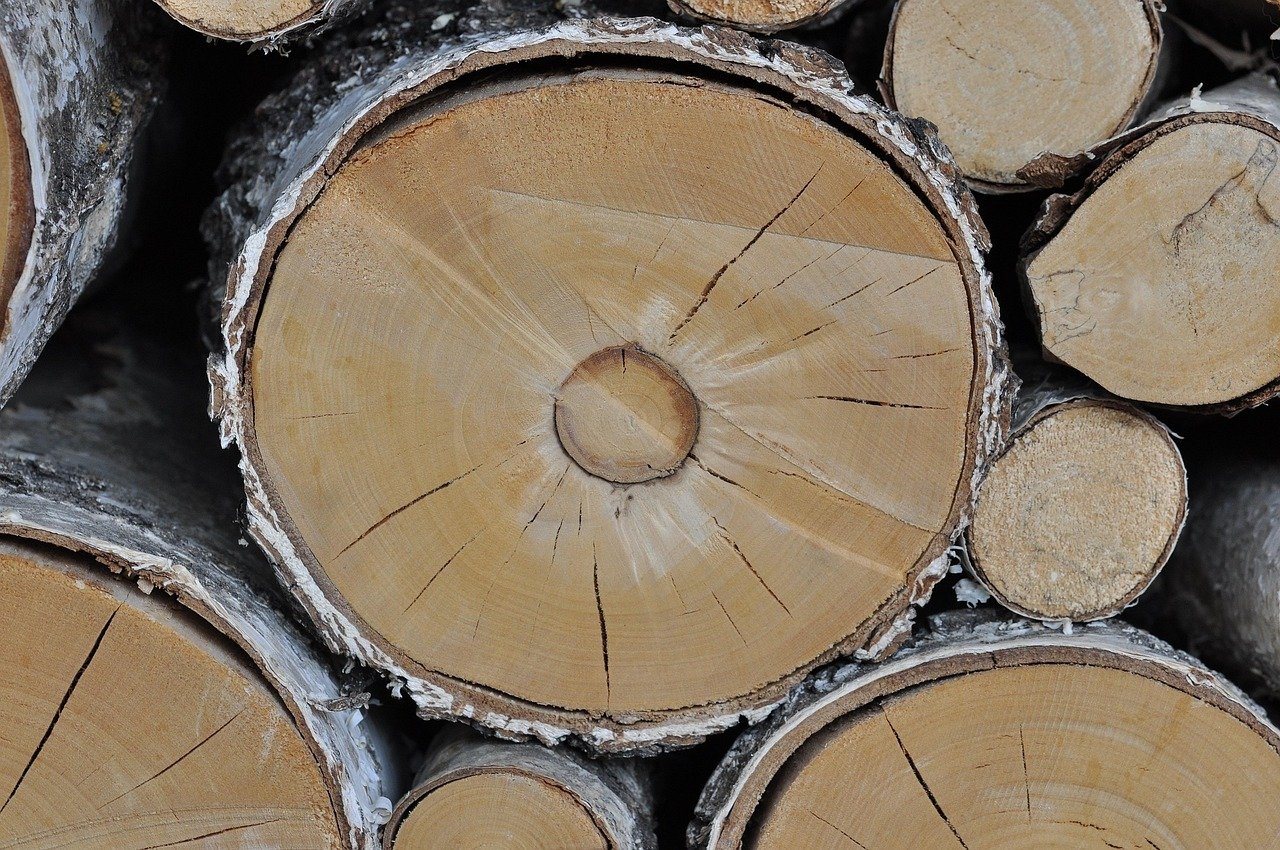
To begin with, timber trees are simply trees grown and harvested for wood. However, not all trees are equal. Some produce strong, dense hardwood, while others grow quickly and provide softer wood used in construction.
Generally speaking, timber falls into two main categories: hardwood and softwood. Hardwoods come from broadleaf trees like oak and walnut. These trees grow slower, which makes their wood denser and often more durable. On the other hand, softwoods come from conifers like pine and fir. They grow faster, making them more affordable and widely available.
Because of this difference, each type serves a different purpose. For example, hardwood timber trees often show up in furniture and flooring. Meanwhile, softwood timber trees dominate construction and paper production.
At the same time, timber production plays a big role in the global economy. Countries like Canada, Brazil, and Sweden depend heavily on forestry. However, this also brings challenges, especially when it comes to deforestation and sustainability.
That’s why sustainable timber has become such an important topic. Today, responsible forest management ensures that we can keep using timber without damaging ecosystems for future generations.
The Most Valuable Timber Trees in the World
Now that you understand the basics, let’s explore the most important timber tree species. These trees stand out because of their strength, beauty, or economic value.
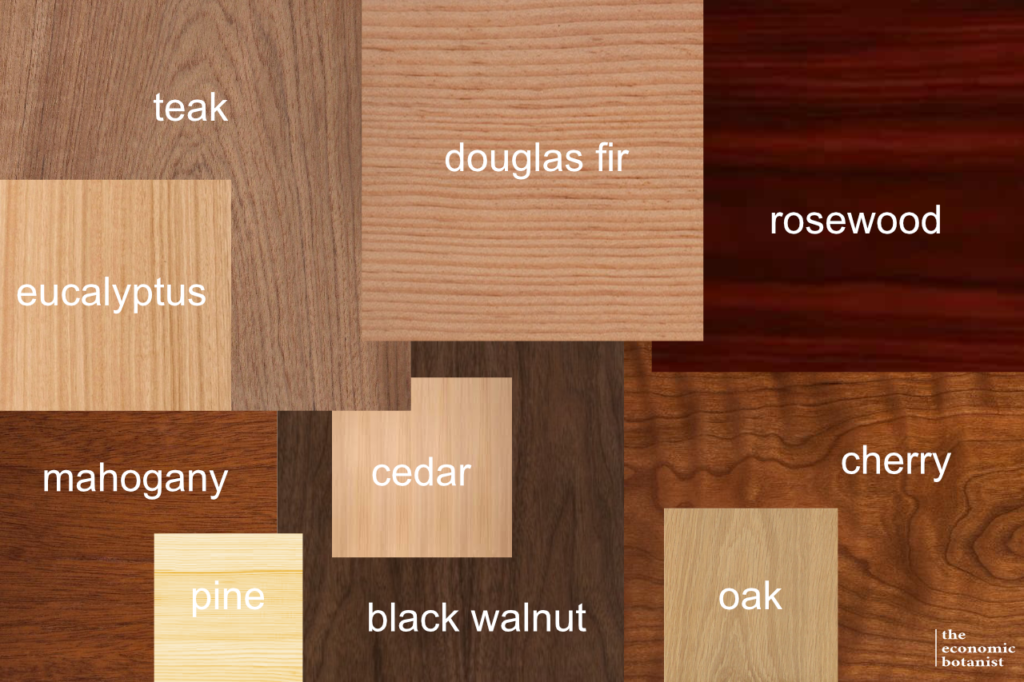
Teak: The King of Durable Timber
Teak is often considered one of the most valuable timber trees in the world. It grows mainly in tropical regions and produces a golden-brown hardwood that resists water, pests, and decay.
Because of these qualities, teak is perfect for outdoor furniture, boat building, and decking. In fact, if you want wood that can handle harsh weather, teak is one of your best options.
Mahogany: A Classic for Fine Furniture
Mahogany has long been a favorite in high-end furniture making. It offers a rich reddish color and smooth grain that craftsmen love.
In addition, it’s easy to work with, which makes it ideal for detailed designs. As a result, you’ll often find mahogany in luxury cabinets, musical instruments, and decorative pieces.
Oak: Strong, Reliable, and Timeless
Oak stands out as one of the most popular hardwood timber trees. It grows widely across North America and Europe, making it easy to source.
Because oak is strong and durable, it works well for flooring, furniture, and even wine barrels. Its natural grain also adds a classic look that many homeowners love.
Fun Fact
Oak barrels can influence the flavor of wine, adding notes like vanilla and spice.
Rosewood: Beauty and Rarity Combined
Rosewood is known for its deep color and striking grain patterns. However, it’s also one of the more exotic timber species.
Due to its beauty, it’s often used in musical instruments like guitars and pianos. At the same time, strict regulations now protect many rosewood species because of overharvesting.
Pine: Affordable and Versatile
Pine is one of the most widely used softwood timber trees. It grows quickly, which makes it a key player in timber production.
Because of its availability, pine is commonly used in construction, furniture, and even paper products. It’s also easier on the wallet, making it a popular choice for many projects.
Douglas Fir: Built for Strength
Douglas fir is another major softwood used in construction. It offers excellent strength, which makes it perfect for framing houses and buildings.
In addition, it grows relatively fast, which helps meet the demand for timber in construction.
Cedar: Naturally Resistant
Cedar stands out because it naturally resists insects and moisture. As a result, it’s often used for outdoor furniture, fences, and closets.
Another benefit is its pleasant aroma, which helps repel pests. That’s why cedar is often used for storage chests.
Cherry: Smooth and Elegant
Cherry wood is known for its warm color and smooth finish. Over time, it darkens, giving furniture a rich, aged look.
Because of this, cherry is a top choice for fine furniture and cabinetry.
Black Walnut: Premium and Luxurious
Black walnut is one of the most valuable hardwood timber trees in North America. It has a dark, rich color and a fine grain.
Due to its high quality, it’s often used in luxury furniture and decorative items.
Eucalyptus: Fast-Growing and Sustainable
Eucalyptus grows quickly, making it a strong option for sustainable timber. It’s widely planted in managed forests around the world.
Because of its fast growth, it supports industries like pulp production and flooring while reducing pressure on slower-growing trees.
Fun Fact
Some eucalyptus species can grow over 10 feet in a single year under the right conditions.
How to Choose the Best Timber for Your Needs
When it comes to choosing timber, your decision depends on your project. For example, if you’re building furniture, you’ll want hardwood like oak, walnut, or cherry. These woods offer strength and beauty.
On the other hand, if you’re working on construction, softwood timber trees like pine and Douglas fir make more sense. They’re strong, affordable, and easy to work with.
At the same time, you should think about durability. For outdoor use, woods like teak and cedar perform best because they resist moisture and pests.
Finally, sustainability matters more than ever. Look for certifications that show the timber comes from responsibly managed forests. This helps protect ecosystems while still meeting your needs.
Timber in Economic Botany: Why It Matters More Than You Think
When you hear the term economic botany, it simply means how plants are used in everyday human life and industry. In this field, timber trees stand out as one of the most important plant resources on Earth.
To start with, timber plays a direct role in supporting economies around the world. Forest-based industries create millions of jobs, from tree farming and logging to manufacturing and construction. Because of this, timber production is not just about cutting trees—it’s about sustaining livelihoods.
At the same time, timber trees connect deeply with local communities. In many regions, especially in tropical areas, people rely on forests for both income and daily needs. For example, small-scale farmers often grow fast-growing timber trees like eucalyptus as a reliable source of income. This shows how tree species for timber can support both global trade and local economies.
Moreover, timber has shaped human development for centuries. Long before modern materials existed, wood was the primary resource for building homes, tools, and transportation. Even today, timber remains essential in construction, especially as more people turn to renewable materials.
Because of growing environmental concerns, timber now plays a key role in sustainable development. Unlike steel or concrete, timber is a renewable resource when managed properly. As a result, sustainable timber production helps reduce carbon emissions while supporting economic growth.
In addition, economic botany looks at how we can improve the way we use plant resources. This includes developing better forest management practices, improving timber growth cycles, and selecting the best hardwood and softwood species for different uses.
The Importance of Sustainable Timber
Sustainability is no longer optional—it’s essential. As demand for timber grows, responsible practices help protect forests for future generations.
Sustainable timber focuses on balancing harvesting with regrowth. This means cutting down trees at a rate that allows forests to recover.
In addition, certification systems help consumers make better choices. When you buy certified wood, you support responsible forestry.
At the same time, innovations in timber production are improving efficiency. For example, engineered wood products make better use of raw materials, reducing waste.
Looking Ahead: The Future of Timber
The future of timber looks promising, especially with new technologies and sustainable practices.
For instance, tree farming is becoming more advanced. Farmers now grow specific tree species for timber, optimizing growth and quality.
Meanwhile, researchers continue to explore eco-friendly alternatives. Engineered wood products and recycled materials are helping reduce pressure on natural forests.
Because of these changes, the timber industry is slowly shifting toward a more sustainable future. However, your choices still matter. By choosing sustainable timber, you play a role in protecting forests.
The Bottom Line
Timber trees are more than just a resource—they are a foundation of modern life. From construction to furniture, they shape how we live every day.
As you’ve seen, different timber tree species offer unique benefits. Some provide strength, while others offer beauty or fast growth. However, the real challenge lies in balancing demand with sustainability.
When you understand timber better, you can make smarter decisions. Whether you’re choosing wood for a project or simply learning about the environment, your awareness makes a difference.
If you’re planning a project or buying wood products, take a moment to choose sustainably sourced timber—your decision helps protect forests for generations to come.